წინასწარი ნახვა
 გაგზავნა
 გაზიარება
 დეტალები

 ჩამოტვირთვა
 მსგავსები
 რენტგენოგრაფიული კვლევა
 სლაიდშოუ
 სტატისტიკა
San Francisco 2


 გადასართად დაწვრილებით ნახეთ
გიკლე / ხელოვნების პრინტი
მუზეუმის დონის ჟიკლე ან ტილოზე ბეჭდვა სწრაფი წარმოებისა და დასრულების მოქნილი ვარიანტებით. ( შეიძინეთ ხელით შესრულებული ნახატი გადასვლა ციფრულ გამოსახულებაზე)




P118B $10

P118H $10

P118W $10

P438Z $10

P508JH $12

P508YH $12

P805H $10

P805Z $10

P919BZ $10

P919G $10

P919XJ $10

P959ZH $10

P968JZ $12

W106C $8

W218G $10

W218JH $8

W218Y $10

W307PJ $10

W316G $10

W316PJ $8

W316Y $10

W398PJ $8

W4111J $10

W500HY $15

W500JH $15

W692G $12

W849H $8

W940BG $15

W953PJ $8




აირჩიეთ ჩვენს მიერ წინასწარ განსაზღვრული ზომებიდან, რომლებიც ნაწარმოების ორიგინალურ პროპორციებს შეესაბამება.

თქვენ შეგიძლიათ მიუთითოთ საკუთარი ზომები კონკრეტული ჩარჩოსთვის ან სივრცისთვის მოსარგებლებლად. თუ თქვენ მიერ არჩეული ზომა არ შეესაბამება ორიგინალი გამოსახულების პროპორციებს, ჩვენ ან დავჭრით ნამუშევარს, ან გავაფართოვებთ გამოსახულებას სარკული ან ერთფეროვანი კიდეებით. წარმოების დაწყებამდე თქვენს დასამტკიცებლად გამოგეგზავნებათ ციფრული მაკეტი.
გთხოვთ, გაითვალისწინოთ, რომ ეკრანზე ნაჩვენები წინასწარი ნახვა არ ასახავს რეალურ ჭრას ან გაფართოებას. მხოლოდ მაკეტზე იქნება ზუსტად წარმოდგენილი საბოლოო კომპოზიცია.
მიუხედავად იმისა, რომ ინდივიდუალური ზომები ხელმისაწვდომია, ორიგინალური პროპორციების შესანარჩუნებლად გირჩევთ, აირჩიოთ ზომა წინასწარ განსაზღვრული სიისგან.
მიწოდება მთელ მსოფლიოში () 2 კვირაში, სტანდარტული 4/5 კვირის ნაცვლად. (11 სექტემბერი)

უფასო ექსპრეს მიწოდება მთელ მსოფლიოში

საბამად მაღალი ხარისხის ტილო

სრული ტრანსპორტირების დაზღვევა

საბაჟო გადასახადების დაბრუნების გარანტია

ფერების სრული შესაბამისობის გარანტია

დაბრუნების 100-დღიანი პოლიტიკა (მხოლოდ დეფექტის შემთხვევაში)

100% თანხის დაბრუნების გარანტია

ფასდაკლება დიდი რაოდენობით შეკვეთისას
 მინის ჩარჩოს არჩევანი ხელმისაწვდომია მხოლოდ 110 სმ-ზე ნაკლები ზომისთვის

San Francisco 2
გიკლე / ხელოვნების პრინტი
რეკლამაციის ზომა
-


საბოლოო ფასი
$ 80
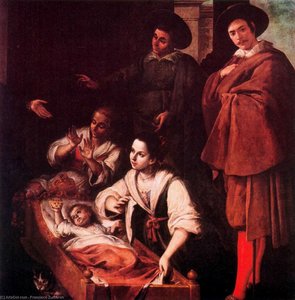
A Portrait of Serenity: Examining Francisco de Zurbarán’s “San Francisco 2”
Francisco Martínez de Zurbarán's "San Francisco 2," a captivating oil on canvas painting, stands as a testament to the enduring power of Baroque artistry—specifically its ability to convey profound spiritual contemplation. Executed sometime around 1630-1640, this artwork offers viewers an intimate glimpse into a moment of solemn repose, skillfully capturing the essence of monastic devotion through meticulous realism and masterful chiaroscuro lighting. The painting depicts a solitary figure clad in brown robes, positioned against a muted wall backdrop—a composition that immediately draws attention to the subject’s posture and gaze.The Baroque Aesthetic: Light and Shadow as Spiritual Expression
Zurbarán's artistic approach aligns perfectly with the tenets of Baroque art, which prioritized dramatic visual impact alongside emotional depth. Unlike earlier Renaissance styles characterized by idealized forms and balanced compositions, Baroque painters sought to evoke feeling through intense contrasts between light and darkness—a technique known as tenebrism. As evidenced in “San Francisco 2,” Zurbarán employs this method brilliantly, bathing the figure’s robe in a radiant glow while enveloping the surrounding wall in deep shadows. This deliberate manipulation of illumination isn't merely decorative; it serves to heighten the sense of stillness and introspection, symbolizing divine grace illuminating the human soul.Detailed Observation: Zurbarán’s Realistic Rendering
Zurbarán’s dedication to capturing realistic detail distinguishes him as one of Spain’s foremost Baroque artists. The artist painstakingly renders every fold in the robe's fabric, conveying a palpable sense of texture and materiality—a remarkable feat considering the limitations of oil paint at the time. Furthermore, Zurbarán achieves an astonishing level of anatomical accuracy, portraying the figure with understated grace and precision. His gaze downward reflects inner contemplation, suggesting a profound connection to faith and spiritual awareness. The artist’s meticulous observation extends beyond mere physical representation; he strives to convey the psychological state of his subject—a hallmark of Baroque art's ambition to engage viewers on an emotional level.Historical Context: Religious Patronage in Seville
“San Francisco 2” was created during a period of significant religious fervor in Seville, Spain—a city renowned for its opulent churches and fervent devotion to Catholicism. Zurbarán’s work reflects the prevailing artistic sensibilities of the era, commissioned by wealthy patrons eager to adorn their homes with images that glorified God and reinforced moral values. The painting exemplifies the Baroque's preoccupation with portraying saints and religious figures in a manner that inspires piety and reverence—a tradition rooted in the Counter-Reformation’s desire to reaffirm Christian faith amidst challenges posed by Protestantism.Symbolic Significance: Quiet Contemplation and Divine Presence
The image itself embodies several symbolic elements indicative of Baroque artistic conventions. The brown robe represents humility and penitence, reflecting the ascetic lifestyle embraced by monks—a common theme in religious art during Zurbarán’s time. The darkened wall symbolizes the spiritual darkness overcome by divine illumination—a visual metaphor for faith's transformative power. Ultimately, “San Francisco 2” invites viewers to contemplate the profound beauty of stillness and devotion, reminding us of the enduring quest for spiritual enlightenment.მხატვრის ბიოგრაფია
Early Life and Formation in Extremadura
Francisco de Zurbarán, born in Fuente de Cantos, Extremadura, Spain, in 1598, emerged from a region steeped in religious fervor and rural austerity—qualities that would profoundly shape his artistic vision. Though details of his earliest training remain somewhat elusive, we know he initially apprenticed with the local painter Alejandro de la Mina before moving to Seville to study under Alonso de Najera. It was within Najera’s workshop that Zurbarán began to absorb the burgeoning Baroque style, a dramatic departure from the more restrained artistic traditions of previous generations. Even in these formative years, a remarkable talent for capturing realistic detail and imbuing his subjects with emotional weight became apparent, hinting at the distinctive path he would forge as an artist. The stark landscapes and devout atmosphere of Extremadura instilled within him a sensibility that favored simplicity, solemnity, and a deep engagement with spiritual themes—characteristics that would define his mature work.
The Seville Period: Establishing a Singular Style
By 1614, Zurbarán had established himself in Seville, a vibrant cultural hub and the gateway to Spain’s vast American colonies. He quickly rose to prominence, establishing a successful workshop and attracting numerous commissions, primarily for religious paintings intended for churches, monasteries, and private devotional use. This period witnessed the full flowering of his signature style—a compelling blend of stark realism and intense spirituality. His early works already showcased a masterful command of *tenebrism*, a technique borrowed from Caravaggio that employed dramatic contrasts between light and shadow to create a sense of drama and emphasize the emotional intensity of his subjects. He wasn’t merely replicating what he saw; he was striving to reveal an inner truth, a profound spiritual presence within each figure. His paintings weren't simply representations of saints or biblical scenes; they were invitations to contemplation, designed to evoke a visceral response in the viewer. The influence of earlier Spanish masters like Juan Sánchez Cotán, known for his austere still lifes and precise realism, is also evident in Zurbarán’s early work, as well as the sculptural traditions prevalent in Seville at the time.
Master of Tenebrism and Religious Devotion
Zurbarán's artistic prowess lay in his ability to transform religious narratives into powerfully moving visual experiences. He became renowned for his depictions of monks, nuns, martyrs, and saints—figures often portrayed in moments of profound contemplation or suffering. His *Immaculate Conception* (c. 1635), housed in the Museo de Bellas Artes in Bilbao, exemplifies this mastery; the Virgin Mary is depicted with a serene dignity, bathed in ethereal light against a dark background, conveying both purity and divine grace. Similarly, his *Agnus Dei* (c. 1640), now part of the Metropolitan Museum of Art collection, presents a poignant image of Christ as the sacrificial lamb, radiating an aura of solemnity and sacrifice. The *Sudarium of St Veronica*, with its haunting depiction of the veil bearing the imprint of Christ’s face, showcases his exceptional control over tenebrism and emotional depth. He didn't shy away from portraying the physical realities of faith—the austerity of monastic life, the pain of martyrdom—but always infused these scenes with a sense of reverence and spiritual significance. His *St Francis Receiving the Stigmata* demonstrates his ability to depict profound spiritual experiences with remarkable sensitivity and realism. The series of paintings depicting Carthusian monks further exemplifies his skill in portraying austere religious life, capturing their quiet devotion and inner peace.
Royal Patronage and Lasting Legacy
Around 1630, Zurbarán achieved a significant milestone in his career when he became a court painter to Philip IV. This appointment brought him increased recognition and access to royal commissions, further solidifying his reputation as one of Spain’s leading artists. However, despite this success, his popularity waned somewhat in later years with the rise of different artistic tastes. The economic hardships facing Spain during the mid-17th century also impacted his ability to secure large-scale projects. Nevertheless, Zurbarán continued to work diligently, adapting his style and exploring new themes. His influence on Spanish Baroque art is undeniable; his dramatic use of chiaroscuro and his focus on religious subjects inspired generations of artists. A circle of followers, known as the “Zurbaranistas,” emerged, continuing to push the boundaries of tenebrism and explore the expressive possibilities of light and shadow. Though he passed away in 1664, Francisco de Zurbarán left behind a rich artistic legacy that continues to be celebrated today, securing his place as one of Spain’s most important Baroque painters—a master of religious art whose works continue to resonate with viewers centuries later.
- Notable Works: Immaculate Conception (c. 1635), Agnus Dei (c. 1640), Sudarium of St Veronica, St Francis Receiving the Stigmata, Paintings of Carthusian Monks
- Historical Significance: Zurbarán’s influence on Spanish Baroque is undeniable; his use of chiaroscuro and focus on religious themes inspired generations of artists.

ფრანცისკო დე ზურბარანი
1598 - 1664 , ესპანეთი
მოკლე ინფორმაცია
- Artistic Movement Or Style: ბაროკო და ტენებრიზმი
- Artists Or Movements Influenced By This Artist: ['კარავაგი სჲ სჲწჲთაჲ დჲ სჲრჲფჲლჲ დჲ კჲ']
- Artists Who Influenced This Artist: ['იუან სჲნჩჲ კჲტჲნჲ']
- Date Of Birth: 7 ნოября 1598 წელი
- Date Of Death: 27 აგვისტოს 1664 წელი
- Full Name: Francisco de Zurbarán
- Nationality: ესპანელი
- Notable Artworks:
- მშჲსჲ დჲ მიქჲლჲ სჲწჲთაჲ
- ჲგნჲს დჲ დჲჲჲჲ კჲ. 1640 წელი
- სჲდჲრჲუმჲ დჲ სჲვერონჲკაჲ
- სჲ წჲფრჲს სჲ რჲცჲვი სჲ ტჲგმჲტჲთაჲ
- Place Of Birth: ფუენტ დე კանტოსი, ესპანეთი
დაკავშირებული სტატიები

Theatricality & Triumph: Baroque Drama in Painting & Sculpture
Explore the dramatic world of Baroque art! Discover its history, defining characteristics, & lasting influence on painting & sculpture. Expert insights into Caravaggio, Zurbarán, and Bernini – plus high-quality reproductions at OriginalUniqueArt.
10 Iconic Baroque Masterpieces That Changed Art Forever
Step into the drama of the Baroque era. Explore 10 iconic masterpieces featuring dramatic chiaroscuro and legendary artists. Find inspiration for your space with museum-quality art reproductions and curated decor. Discover all masterpieces on OriginalUniqueArt.com.
The Golden Age Reforged: Dramatic Realism & Religious Zeal in Spanish Baroque Art
Explore the dramatic world of Spanish Baroque art! Discover masters like Zurbarán & the powerful influence of religious zeal on painting techniques – a guide for collectors and enthusiasts.
Spanish Baroque Art: The Dramatic Mastery of Light and Shadow in the Age of Velázquez
Explore the profound drama of Spanish Baroque art. Delve into the mastery of light, shadow, and realism through the legendary works of Diego Velázquez and the Spanish Golden Age.

The Dramatic Flourish: Exploring the Baroque Movement's Enduring Legacy in Art History
Explore the dramatic world of Baroque art! Discover iconic artists like Caravaggio & Rubens, defining techniques, and its lasting impact on art history. Expert insights for collectors & enthusiasts at OriginalUniqueArt.