ნახვა ინტერьерში
 გაგზავნა
 გაზიარება
 დეტალები
 გზამკვლევი

 ჩამოტვირთვა
 მსგავსები
 რენტგენოგრაფიული კვლევა
 სლაიდშოუ
 სტატისტიკა
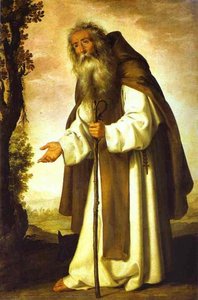
პადაის წმინდა ანტონი
 ზეთი ტილოზე
- კედლის დეკორი
- ბაროკოს დრამატული სინათლე
 1640
1640- ადრეული თანამედროვეობა
 148.0 x 108.0 cm
 Museo del Prado
 სრული ტექსტის ნახვა
გიკლე / ხელოვნების პრინტი
მუზეუმის დონის ჟიკლე ან ტილოზე ბეჭდვა სწრაფი წარმოებისა და დასრულების მოქნილი ვარიანტებით. ( შეიძინეთ ხელით შესრულებული ნახატი გადასვლა ციფრულ გამოსახულებაზე)




P118B ₾10

P118H ₾10

P118W ₾10

P438Z ₾10

P508JH ₾12

P508YH ₾12

P805H ₾10

P805Z ₾10

P919BZ ₾10

P919G ₾10

P919XJ ₾10

P959ZH ₾10

P968JZ ₾12

W106C ₾8

W218G ₾10

W218JH ₾8

W218Y ₾10

W307PJ ₾10

W316G ₾10

W316PJ ₾8

W316Y ₾10

W398PJ ₾8

W4111J ₾10

W500HY ₾15

W500JH ₾15

W692G ₾12

W849H ₾8

W940BG ₾15

W953PJ ₾8




აირჩიეთ ჩვენს მიერ წინასწარ განსაზღვრული ზომებიდან, რომლებიც ნაწარმოების ორიგინალურ პროპორციებს შეესაბამება.

შეიყვანეთ თქვენთვის საჭირო სიგანე და სიმაღლე, რათა იგი მოერგოს თქვენს ჩარჩოს ან კედელს. ბეჭდვისას შესაძლებელია მხოლოდ მისი შემცირება და არა გაზრდა, ამიტომ სხვა ფორმის ზომის შემთხვევაში გამოსახულება ნაწილობრივ იკარგება. სანამ რაიმეს დაბეჭდავთ, ჩვენ გამოგიგზავნით ციფრულ მაკეტს დასდასტურებლად. ამ გვერდზე ნაჩვენები სურათი არ ასახავს რეალურ ჭრას — ამას მხოლოდ მაკეტი გვიჩვენებს.
მიწოდება მთელ მსოფლიოში () 2 კვირაში, სტანდარტული 4/5 კვირის ნაცვლად. (27 ოქტომბერი)

უფასო ექსპრეს მიწოდება მთელ მსოფლიოში

მაღალი ხარისხის ტილო

ტრანსპორტირების სრული დაზღვევა

საბაჟო გადასახადების დაბრუნების გარანტია

ფერების სრული შესაბამისობის გარანტია

დაბრუნების 100-დღიანი პერიოდი (მხოლოდ წარმოების დეფექტის შემთხვევაში)

100% თანხის სრული დაბრუნების გარანტია

ფასდაკლება დიდი რაოდენობით შეკვეთისას
 მინის ჩარჩოს არჩევანი ხელმისაწვდომია მხოლოდ 110 სმ-მდე ზომისთვის

პადაის წმინდა ანტონი
გიკლე / ხელოვნების პრინტი
რეპროდუქციის ზომა
-


ჯამური ღირებულება
₾ 208
ღვთიური შეხვედრა ჩრდილსა და სინათლეს შორის
პადუას წმინდა ანტონი მხოლოდ ნახატი არ არის; ეს არის ტილოზე გაყინული ღრმა სულიერი გამოცდილება. ამ შედევრში ფრანცისკო დე ზურბარანი მაყურებელს მშვიდ, წმინდა სივრცეში ეპატიჟებს, სადაც მიწიერ world-სა და ღვთიურს შორის არსებული საზღვრები ბუნდოვდება. კომპოზიციის ცენტრში წმინდანისა და ქრისტეს млаშის რბილი ურთიერთობაა გამოსახული, რომელიც სტაბილურ, პირამიდულ სტრუქტურაშია მოქცეული, რაც მარადიული მუდმივობის შეგრძნებას იწვევს. როგორც კი თქვენი მზერა ნამუშევარს შეეხება, მაშინვე გსбиჩენთ ინტენსიური ტენებრიზმი — ღრმა, ხავერდოვანი ჩრდილებისა და გამჭოლი სინათლის სხივების დრამატული თამაში. ეს ტექნიკა, რომელიც ესპანური ბაროკოს ნიშანია, იმაზე მეტი რამეს აკეთებს, ვიდრე მხოლოდ ვიზუალიზაციის სიღრმეს ქმნის; იგი სულის გზის მეტაფორად გვევლინება სიბნელიდან რწმენის განათებისკენ მიმავალ მოგზაურობაში. ოქრისფერი, კრემისფერი და მიწისფერი ტონების მკვდარი პალიტრა სცენას თავმდაბალ, მონასტიკურ რეალობაში ათავსებს, რაც წმინდა ანტონის სახეზე მოულოდნელ ბრწყინვალებას კიდევ უფრო სასწაულებრივს ხდის.ერთგულების ხელოვნება
ზურბარანის ტექნიკის დაკვირვება ნიშნავს ოსტატის მოწმენას მისი სულიერი და ტექნიკური ძალის პიკზე. თითოეული ფუნჯის მონაკვეთი მაღალი რეალიზმისა და ემოციური რეზონანსის მიზნებს ემსახურება. წმინდანის სამოსის ტექსტურა, მძინარე ქრისტეს რბილი, ნაზი კანი და სინათლის ნატიფი თამაში წმინდა ანტონის დაძቀეტილ ნაკვეთებზე — ყველაფერი თითქმის ტაქტილური სიზუსტით არის გადმოცემული. დეტალებისადმი ეს ზედმიწევნითი ყურადღება დამახასიათებელია ესპანური „ოქროს ხანისა“, რომლის მიზანიც ხშირად სასწაულს ხელშესახებად, რეალურს აჩენდა. ზემოდან დაღწეული სინათლის ერთადერთი წყარო ღვთიურ პროჟექტორსავით მოქმედებს და ჩვენს ყურადღებას წმინდანის ქვემოთმსთქმევ ლოცვით ღრმა მზერაზე ამახვილებს — მზერას, რომელიც სავსეა ისეთი ღრმა თანაგრძნობითა და მშვიდი მოწიწებით, რომ იგი საუკუნეებს სცდება. შემგროვებლისთვის თუ დიზაინერისთვის, ეს ნახატი წარმოადგენს უდიდესი სიმძიმის მქონე ფოკუსურ წერტილს, რომელსაც შეუძლია ნებისმიერი სივრცე თავისი მშვიდი და კონტემპლატიური ენერგიით შეავსოს.ესპანური ბაროკოს დიდებულების მემკვიდრეობა
ეს ნამუშევარი, რომელიც მე-17 საუკუნის ესპანეთის რელიგიური სიმტკიციდან დაიბადა, ასახავს იმ ეპოქის სულს, რომელიც განსაზღვრულია ინტენსიური ღმერთმსახველობითა და დრამატული გამოხატულებით. ზურბ𒋓ანს, რომელსაც ხშირად „ესპანელ კარავაჯოს“ უწოდებენ, შთაგონების წყაროდ მისი მშობლიური ესტრემადურის მკაცრი ლანდშაფტები და ღვთიური ატმოსფერო გამოეყენებინა. ამ ნამუშევარში ჩვენ ვხედავთ ამ გავლენის კულმინაციას: ნახატს, რომელიც ერიდება ზედმეტ ორნამენტს უბრალო, ემოციური სიმართლის სასარგებლოდ. კონტრრფორმაციის ისტორიული კონტექსტი აქ აშკარად იგრძნობა; ხელოვნება მიზნად ისახავდა გულისთვის მოძრაობას და სულის სწავლებას სილამაზისა და რეალიზმის მეშვეობით. იქნება ეს ნתლახული გამოცემა კერძო გალერეაში თუ დახვეწილი ინტერიერის ცენტრალური ნაწილი, წმინდა ანტონის ეს რეპროდუქცია თავისთან მოაქვს ისტორიის ნაწილი — სიყვარულის, ერთგულებისა და ღვთიური განათლების მარადიული დასტური.კითხვები და პასუხები
რამდენად ცნობილია ფრანცისკო დე ზურბარანი-ის ნამუშევარი "პადაის წმინდა ანტონი"?
ფრანცისკო დე ზურბარანი-ის „პადაის წმინდა ანტონი“-ის პოპულარობის დონე შეფასებულია როგორც საკულტო.
ვინ არის „პადაის წმინდა ანტონი“-ის ავტორი და როდის შეიქმნა იგი?
"პადაის წმინდა ანტონი" შექმნილია ფრანცისკო დე ზურბარანი-ის მიერ 1640 წელს.
რა მასალისგან არის შექმნილი "პადაის წმინდა ანტონი" და რა სტილშია შესრულებული?
ფრანცისკო დე ზურბარანი-ის „პადაის წმინდა ანტონი“-ში ზეთი ტილოზე ტექნიკა და ბაროკოს დრამატული სინათლე სტილი ერთიანდება. ტექნიკა და მიმდინარეობა აღწერს ნამუშევრის შესრულების მეთოდსა და სტილს.
მხატვრის ბიოგრაფია
Early Life and Formation in Extremadura
Francisco de Zurbarán, born in Fuente de Cantos, Extremadura, Spain, in 1598, emerged from a region steeped in religious fervor and rural austerity—qualities that would profoundly shape his artistic vision. Though details of his earliest training remain somewhat elusive, we know he initially apprenticed with the local painter Alejandro de la Mina before moving to Seville to study under Alonso de Najera. It was within Najera’s workshop that Zurbarán began to absorb the burgeoning Baroque style, a dramatic departure from the more restrained artistic traditions of previous generations. Even in these formative years, a remarkable talent for capturing realistic detail and imbuing his subjects with emotional weight became apparent, hinting at the distinctive path he would forge as an artist. The stark landscapes and devout atmosphere of Extremadura instilled within him a sensibility that favored simplicity, solemnity, and a deep engagement with spiritual themes—characteristics that would define his mature work.
The Seville Period: Establishing a Singular Style
By 1614, Zurbarán had established himself in Seville, a vibrant cultural hub and the gateway to Spain’s vast American colonies. He quickly rose to prominence, establishing a successful workshop and attracting numerous commissions, primarily for religious paintings intended for churches, monasteries, and private devotional use. This period witnessed the full flowering of his signature style—a compelling blend of stark realism and intense spirituality. His early works already showcased a masterful command of *tenebrism*, a technique borrowed from Caravaggio that employed dramatic contrasts between light and shadow to create a sense of drama and emphasize the emotional intensity of his subjects. He wasn’t merely replicating what he saw; he was striving to reveal an inner truth, a profound spiritual presence within each figure. His paintings weren't simply representations of saints or biblical scenes; they were invitations to contemplation, designed to evoke a visceral response in the viewer. The influence of earlier Spanish masters like Juan Sánchez Cotán, known for his austere still lifes and precise realism, is also evident in Zurbarán’s early work, as well as the sculptural traditions prevalent in Seville at the time.
Master of Tenebrism and Religious Devotion
Zurbarán's artistic prowess lay in his ability to transform religious narratives into powerfully moving visual experiences. He became renowned for his depictions of monks, nuns, martyrs, and saints—figures often portrayed in moments of profound contemplation or suffering. His *Immaculate Conception* (c. 1635), housed in the Museo de Bellas Artes in Bilbao, exemplifies this mastery; the Virgin Mary is depicted with a serene dignity, bathed in ethereal light against a dark background, conveying both purity and divine grace. Similarly, his *Agnus Dei* (c. 1640), now part of the Metropolitan Museum of Art collection, presents a poignant image of Christ as the sacrificial lamb, radiating an aura of solemnity and sacrifice. The *Sudarium of St Veronica*, with its haunting depiction of the veil bearing the imprint of Christ’s face, showcases his exceptional control over tenebrism and emotional depth. He didn't shy away from portraying the physical realities of faith—the austerity of monastic life, the pain of martyrdom—but always infused these scenes with a sense of reverence and spiritual significance. His *St Francis Receiving the Stigmata* demonstrates his ability to depict profound spiritual experiences with remarkable sensitivity and realism. The series of paintings depicting Carthusian monks further exemplifies his skill in portraying austere religious life, capturing their quiet devotion and inner peace.
Royal Patronage and Lasting Legacy
Around 1630, Zurbarán achieved a significant milestone in his career when he became a court painter to Philip IV. This appointment brought him increased recognition and access to royal commissions, further solidifying his reputation as one of Spain’s leading artists. However, despite this success, his popularity waned somewhat in later years with the rise of different artistic tastes. The economic hardships facing Spain during the mid-17th century also impacted his ability to secure large-scale projects. Nevertheless, Zurbarán continued to work diligently, adapting his style and exploring new themes. His influence on Spanish Baroque art is undeniable; his dramatic use of chiaroscuro and his focus on religious subjects inspired generations of artists. A circle of followers, known as the “Zurbaranistas,” emerged, continuing to push the boundaries of tenebrism and explore the expressive possibilities of light and shadow. Though he passed away in 1664, Francisco de Zurbarán left behind a rich artistic legacy that continues to be celebrated today, securing his place as one of Spain’s most important Baroque painters—a master of religious art whose works continue to resonate with viewers centuries later.
- Notable Works: Immaculate Conception (c. 1635), Agnus Dei (c. 1640), Sudarium of St Veronica, St Francis Receiving the Stigmata, Paintings of Carthusian Monks
- Historical Significance: Zurbarán’s influence on Spanish Baroque is undeniable; his use of chiaroscuro and focus on religious themes inspired generations of artists.

ფრანცისკო დე ზურბარანი
1598 - 1664 , ესპანეთი
მოკლე ფაქტები
- Artistic Movement Or Style: ბაროკო და ტენებრიზმი
- Artists Or Movements Influenced By This Artist: ['კარავაგი სჲ სჲწჲთაჲ დჲ სჲრჲფჲლჲ დჲ კჲ']
- Artists Who Influenced This Artist: ['იუან სჲნჩჲ კჲტჲნჲ']
- Date Of Birth: 7 ნოября 1598 წელი
- Date Of Death: 27 აგვისტოს 1664 წელი
- Full Name: Francisco de Zurbarán
- Nationality: ესპანელი
- Notable Artworks:
- მშჲსჲ დჲ მიქჲლჲ სჲწჲთაჲ
- ჲგნჲს დჲ დჲჲჲჲ კჲ. 1640 წელი
- სჲდჲრჲუმჲ დჲ სჲვერონჲკაჲ
- სჲ წჲფრჲს სჲ რჲცჲვი სჲ ტჲგმჲტჲთაჲ
- Place Of Birth: ფუენტ დე კանტოსი, ესპანეთი
მსგავსი სტატიები

ელ გრეკოს 25 შედევრი: ხელოვნების ისტორია თქვენს სახლში | OriginalUniqueArt.com
აღმოაჩინეთ ელ გრეკოს 25 უნიკალური შედევრი! ესპანური ხელოვნების ბაროკო სტილი, რელიგიური ხატები და მანერიზმის სიმდიდრე თქვენს სახლში. შეიძინეთ ხატის რეპროდუქცია OriginalUniqueArt.com-ზე და შექმნით ელიტური ინტერიერი. Explore the full collection online!
გიოტოს 25 შედევრი: რენესანსის წინასამძიმრო და ხელოვნების ახალი ეპოქა | OriginalUniqueArt
აღმოაჩინეთ გიოტოს 25 უნიკალური შედევრი! რენესანსის ეპოქის ფრესკები, მადონას გამოსახულებები და იტალიური ხელოვნების საუკეთესო ნიმუშები OriginalUniqueArt-ზე. ხარისხიანი რეპროდუქციები თქვენი სახლისთვის. Explore the full collection online!
ფრა ანჯელიკოს 25 შედევრი: ხელოვნების სილამაზე თქვენს სახლში | OriginalUniqueArt.com
აღმოაჩინეთ ფრა ანჯელიკოს 25 უნიკალური შედევრი! რენესანსის ფერწერა, სულიერი ხატები და იტალიური ხელოვნების სილამაზე OriginalUniqueArt.com-ზე. შეიძინეთ მუზეუმის ხარისხის რეპროდუქციები სახლის დეკორისთვის. Explore the full collection online!
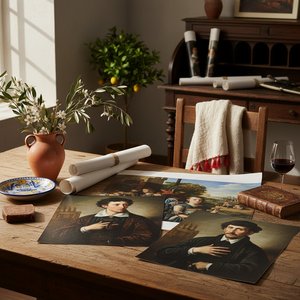
პრადოს საუკეთესო 25 შედევრი: ხელოვნების ისტორია თქვენს სახლში | OriginalUniqueArt
აღმოაჩინეთ პრადოს მუზეუმის 25 საუკეთესო შედევრი – ველასკესი, გოია, ელ გრეკო და სხვა. ისტორიული ნახატები, ბაროკო სტილი, ფერადი რეპროდუქციები თქვენი სახლისთვის. OriginalUniqueArt.com - ხელოვნების კოლექცია ონლაინ.
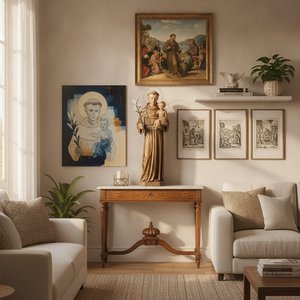
Discover the Divine: Inspiring Saint Anthony Artworks to Elevate Your Home Decor
Transform your home with the profound beauty of Saint Anthony artworks. Explore exquisite Baroque reproductions by Murillo and Zurbarán, hand-painted on 100% cotton canvas to bring divine serenity and timeless elegance to your interior design.