
 წინასწარი ნახვა
 გაგზავნა
 გაზიარება
 დეტალები
 გზამკვლევი

 ჩამოტვირთვა
 მსგავსები
 რენტგენოგრაფიული კვლევა
 სლაიდშოუ
 კითხვა-პასუხი
 სტატისტიკა
Two Seated Figures

 გააგრძელეთ კითხვა
მიიღეთ ბეჭდვისთვის გამზადებული ფაილი, რომლის ხარისხიც ბევრად აღემატება ვებ-პრევიუსს. ჩვენს ბაზაში არსებული ყველა ციფრული გამოსახულება ეყრდნობა მაღალი რეზოლუციის ორიგინალს — როგორც წესი, 5,000-დან 15,000 პიქსელამდე სიგანის — რაც საშუალებას გაძლევთ, თავდაჯერებულად დაამბოროთ დიდი ზომის ბეჭდვა, მოახდინოთ ფრაგმენტის მჭიდროდ გამოჭრა ან აღადგინოთ ნატიფი დეტალები.
ჩვენს სტუდიაში არცერთი ფაილი შეუმჩნევლად არ რჩება. ციფრული ექსპერტი ადარებს ფერებს ორიგინალ ნახატს და საჭიროების შემთხვევაში ასწორებს მათ, შემდეგ კი პროფესიონალური რეტუშირების ინსტრუმენტებით აუმჯობესებს სიცხადესა და დეტალიზაციას — ყოველთვის ოსტატის ფუნჯის მონაკვეთებისა და სტილის ერთგულებით. შედეგი არის გამოსახულება, რომელიც ნამდვილ ნახატს ჰგავს და არა ფილტრებულ სკანირებას.
თქვენ აკონტროლებთ პროცესს მის დასრულებამდე: ჩვენი ექსპერტი 72 საათის განმავლობაში გამოგიგზავნით გამოსახულებას ელექტრონული ფოსტით გადასასინჯად. არ დაკმაყოფილებული? მოითხოვეთ ცვლილებები ან შესწორებები, ან მოითხოვეთ თანხის დაბრუნება, თუ ხარისხი თქვენს მოლოდინს ვერ შეესაბამება.
ეს არის ხარისხი, რომელსაც ენდობიან გამომცემლობები, დიზაინ სტუდიები, გალერეები და அச்சგამოცემები.
ციფრული გამოსახულება
ჩამოტვირთეთ მაღალი გარჩევადობის ფაილი პირადი გამოყენებისთვის, დასაბეჭდად და შემოქმედებითი პროექტებისთვის. ( ბეჭდვის რეჟიმზე გადართვა შეიძინეთ ხელით შესრულებული ნახატი)
ყოველ ციფრულ გამოსახულების შეკვეთაში შედის
ექსპერტული ციფრული მიწოდების გარანტია
როდესაც ირჩევთ OriginalUniqueArt.com-ს, თქვენ მხოლოდ სურათს კი არ იღებთ, არამედ იღებთ პროფესიონალურად დამუშავებულ ციფრულ ნამუშევარს, რომელიც შექმნილია უზადო სიზუსტით და დაცულია კმაყოფილების გარანტიით. თქვენს შეკვეთას ავტომატურად მოჰყვება შემდეგი:

სწრაფი ელექტრონული მიწოდება
თქვენს მაღალი რეზოლუციის ციფრულ გამოსახულებას შეკვეთის დაწყებიდან 72 საათში ელექტრონული ფოსტით მიიღებთ — ის მზად იქნება დაუყოვნებლივი გამოყენებისთვის.

ხელოვნური ინტელექტით გაუმჯობესებული ციფრული გამოსახულება
თქვენი ხელოვნების ნიმუშები პროფესიონალურად არის ოპტიმიზებული მოწინავე AI ინსტრუმენტებისა და მექანიკური რედაქტირების მეშვეობით, რაც უზრუნველყოფს მაქსიმალურ დეტალიზაციას, სიცხადესა და ფერების სიზუსტეს.

ციფრული გამოსახულებების უფასო სამუდამო ხელახალი მიღება
ფაილი შემთხვევით წაიშალა ან დაკარგეთ? ნუបედავთ — ჩვენ მას ნებისმიერ დროს, უფასოდ ხელახლა გამოგეგზავნით.

იმპორტის გადასახადების გარეშე — ყოველთვის
ჭიდად ისიამოვნეთ თქვენი ნამუშევრით მყისიერად, საბაჟო გადასახადის, მოსაკრებლის ან მიწოდების ხარჯის გარეშე - ციფრული ჩამტვირთვისას ყოველთვის საგადასახადო თავისუფლებაა.

ფერების სიზუსტის გარანტია
პროფესიონალური ინსტრუმენტებისა და ფერების მართვის სისტემის გამოყენებით, ჩვენ უზრუნველყოფთ, რომ თქვენი ციფრული გამოსახულება მაქსიმალურად ზუსტად ასახავდეს ორიგინალურ ფერებს.

კმაყოფილების 100-დღიანი გარანტია
თუ თქვენ არ დაკმაყოფილებული ხართ თქვენი ციფრული გამოსახულებით, ჩვენ შევიტანთ მასში ცვლილებებს ან დაგიბრუნებთ 100% თანხას 100 დღის განმავლობაში — ყოველგვარი კითხვის დასმევის გარეშე.

100% თანხის დაბრუნების გარანტია
არ არის კმაყოფილი? მიიღეთ თანხის სრული დაბრუნება ციფრული ფაილის მიღებიდან 100 დღის განმავლობაში — ყოველგვარი დამატებითი კითხვების გარეშე.

ფასდაკლება დიდი რაოდენობით შეკვეთაზე
შეიძინეთ 3 გამოსახულება და მიიღეთ 10% ფასდაკლება - შეიძინეთ 5 და მიიღეთ 15% ფასდაკლება - შეიძინეთ 10+-ზე და მიიღეთ 20% ფასდაკლება. იდეალურია კრეატიული პროექტებისთვის, გალერეებისა და სააგენტოებისთვის.
Two Seated Figures – A Study in Isolation and Anxiety
Francis Bacon’s “Two Seated Figures,” painted in 1979, stands as a quintessential embodiment of his signature Expressionist style—a brutal distillation of human experience rendered with unsettling precision. This monochrome masterpiece delves into themes of vulnerability, confinement, and the pervasive sense of unease that characterizes Bacon's oeuvre, capturing not merely what is seen but what is felt beneath the surface.
- Subject Matter: The painting depicts two men seated in chairs positioned on either side of a room. A cat rests between them, adding an element of domesticity juxtaposed against the palpable tension present within the composition.
- Style & Technique: Bacon’s method involved applying paint thickly onto canvas with palette knives—a technique that prioritizes texture and physicality over traditional brushstrokes. This approach generates a surface riddled with ridges and fissures, mirroring the psychological turmoil depicted within the artwork. The stark black and white color scheme amplifies this effect, emphasizing contrasts of light and shadow to heighten emotional impact.
The historical context surrounding “Two Seated Figures” is inextricably linked to Bacon’s broader engagement with existential philosophy and his preoccupation with trauma—themes explored extensively in his earlier works during the postwar period. Influenced by Surrealism and Dada, Bacon rejected illusionistic representation, opting instead for distorted forms that convey inner states rather than external realities.
Symbolism: The positioning of the men’s chairs suggests a sense of entrapment—a psychological cage mirroring the artist's own anxieties about identity and mortality. The cat, often interpreted as representing primal instinct and vulnerability, serves as an unsettling counterpoint to the figures’ stillness. Bacon deliberately avoids offering easy answers or comforting narratives; instead, he compels viewers to confront uncomfortable truths about human existence.
Emotional Impact: “Two Seated Figures” is undeniably disturbing—a visceral portrayal of psychological distress conveyed through fragmented forms and jarring tonal shifts. It resonates with a profound sadness and loneliness, reflecting Bacon’s own struggles with depression and his unwavering commitment to exploring the darkest recesses of human consciousness. The painting's enduring power lies in its ability to evoke empathy and provoke contemplation about the complexities of the human condition.
კითხვები და პასუხები
არის თუ არა ფრანსის ბაკონი-ის „Two Seated Figures“ ცნობილი ნამუშევარი?
"Two Seated Figures" კლასიფიცირებულია როგორც Iconic."
რა ფერები დომინირებს ნამუშევარში ფრანსის ბაკონი-ის „Two Seated Figures“?
ფრანსის ბაკონი-ის „Two Seated Figures“-ის ფეროვანი იდენტობა: Neutrals პალიტრა, რომელსაც დომინირებს Espresso (#614d37).
ფრანსის ბაკონი-ის „Two Seated Figures“-ის ფერები მკვეთრია თუ მკრთალი?
ფრანსის ბაკონი-ის „Two Seated Figures“-ში ფიქსირდება Subtle Color გაჯერებულობა და Balanced ინტენსივობა.
მხატვრის ბიოგრაფია
Early Life, Family and Training
Francis Bacon was born on October 28, 1909, in Dublin, Ireland. He grew up in a house in the Irish countryside, the son of a racehorse trainer. His childhood was marked by physical struggle; he was severely asthmatic, a condition that often made breathing a difficult task. He also experienced a sense of confinement during his younger years, remembering being shut in dark cupboards by a housemaid for long periods. This feeling of suffocation and the dread of family members hiding in locked rooms during the Irish revolutionary period left a lasting impression on his early years.
His education was largely private, conducted by tutors within the home rather than in a traditional classroom. This unconventional upbringing meant he never followed the standard path of an art school apprenticeship. By the age of sixteen, the restlessness of his youth led him to leave his home in rural Ireland to seek his fortune in London. He arrived in the city at seventeen, surviving on an allowance provided by his mother as he navigated the complexities of urban life.
Life in London, Berlin and Paris
By the late 1920s, Bacon was a man in motion. He drifted through the streets of London, Berlin, and Paris, living a life that was often as unsettled as the cities he inhabited. He settled in London in 1928, finding himself in the middle of the city's bohemian scene. It was a period of wandering and survival, marked by a restless energy as he moved between these European hubs. He lived off an allowance from his mother and took on various odd jobs to make ends meet.
During these years, his professional life was tied to the world of interior design and decoration. He spent much of his time working with textures and shapes, creating structured objects for the homes of others. However, a pivotal moment arrived during a trip to Paris in the late 1920s. He visited an exhibition of Picasso’s work, and the sight of it changed his direction entirely. The way Picasso handled the human form—treating it as something organic and bone-like—offered him a new way to see the world. He decided to leave design behind to pursue painting, a choice that would define the rest of his life.
Interior Design and Early Career
Before the world knew him as a painter, Bacon spent his early professional years working as an interior designer and decorator. This was a practical, structured period of his life that stood in contrast to the turbulent years he spent drifting through London, Berlin, and Paris. He did not follow the traditional path of an artist, bypassing art school and formal apprenticeships entirely. Instead, he was a self-taught man who learned through direct observation and the hands-on work of shaping physical spaces.
His work in design was far from minor. He contributed to the aesthetic of the era by creating Royal Wilton rugs that featured abstract motifs. His eye for form extended to various household objects and furniture, including calfskin pouffes, cocktail shelves, and room screens. He also designed chairs, often utilizing tubular steel and glass to create silhouettes that felt modern and geometric. These early years provided him with a deep understanding of structure and the way objects occupy a room.
This background in decoration left a lasting mark on his later approach to the canvas. The geometric shapes and architectural frames he once built for living spaces eventually transformed into the transparent cages and spatial structures that would define his paintings. He moved from designing the physical environments people inhabited to creating the psychological spaces that trapped his subjects. Even as he abandoned design for the brush, the sense of construction remained.
Technique and Artistic Style
Bacon’s approach to the canvas was physical and direct. He worked with oils and large brushes, applying paint in a way that felt heavy and immediate. His colors were often smeared and violent, used to strip away any sense of decorative comfort. Through this method, he created figural images that expressed a profound sense of isolation, brutality, and terror. He did not aim for the polished finish of traditional portraiture, preferring instead to capture the raw sensation of being alive and vulnerable.
To organize these intense emotions, he often used a specific structural device. He employed a cubic, architectural framing system known as a space-frame. These geometric constructions acted like transparent cages, trapping his subjects within a defined, often claustrophobic, space. By placing figures inside these rigid structures, he was able to concentrate the image and force the viewer to confront the subject's isolation. This technique helped him move away from simple storytelling, focusing instead on the visceral impact of the human form.
He also found a way to use traditional religious imagery without the weight of faith. He utilized the concept of the crucifixion as an armature, a structural support upon which he could hang specific sensations of suffering. This allowed him to explore the human condition through a lens of physical and psychological distress. His work often relied on these skeletal frameworks to hold the weight of his distorted, contorted figures.
- Three Studies for Figures at the Base of a Crucifixion (1944)
- Study for a Portrait (1952)
Key Works and Major Themes
Bacon’s work often felt like a way to process the heavy, unsettling atmosphere of the mid-twentieth century. In 1945, he exhibited Three Studies for Figures at the Base of a Crucifixion, a work that helped establish his reputation. He did not use the crucifixion for religious devotion, but rather as a structural armature to hang sensations of suffering. He was interested in how the human form could be distorted to express the raw reality of existence, often looking to the studies of motion by Eadweard Muybridge to understand how the body moves and breaks apart.
His fascination with the scream became a recurring part of his visual language. He found a specific kind of terror in the screaming face seen in Sergei Eisenstein's film Battleship Potemkin, and he translated that visceral reaction onto the canvas. This reached a peak in his series of works known as The Screaming Popes, created between 1949 and the mid-1950s. In these paintings, he took the dignified authority of Velázquez’s Portrait of Pope Innocent X and stripped it away, turning the papal figure into a nightmarish specter of hysterical terror.
- Three Studies for Figures at the Base of a Crucifixion (1944)
- The Screaming Popes (1949–mid-1950s)
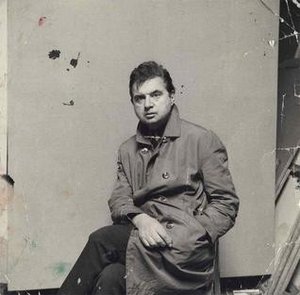
ფრანსის ბაკონი
1909 - 1992 , ირლანდია
მოკლე ინფორმაცია
- Artistic Movement Or Style: ექსპრესიონ ring, კუბიზმი, სურრეალიზმი
- Artists Who Influenced This Artist:
- პიკასსო
- მათიას გრუნევალდი
- რემბრანტი
- ველასკესი
- სერგეი ეისენშტეინი
- ედვარდ მაიბრიჯი
- Date Of Birth: 1909
- Date Of Death: 1992
- Full Name: ფრანსის ბაკონი
- Nationality: ირლანდიელი
- Notable Artworks:
- სამი შესწავლა ფიგურებისთვის გოტიკური კრუცფიქსიაში
- ძაღლი
- პორტრეტის ესკიზი
- Place Of Birth: დუბლინი, ირლანდია