

 ნახვა ინტერьерში
 გაგზავნა
 გაზიარება
 დეტალები
 გზამკვლევი

 ჩამოტვირთვა
 მსგავსები
 რენტგენოგრაფიული კვლევა
 სლაიდშოუ
 სტატისტიკა
Madonna with Child
 Oil On Panel
- Renaissance Early Renaissance
 1514
1514 93.0 x 68.0 cm
 Hermitage Museum
 სრული ტექსტის ნახვა
გიკლე / ხელოვნების პრინტი
მუზეუმის დონის ჟიკლე ან ტილოზე ბეჭდვა სწრაფი წარმოებისა და დასრულების მოქნილი ვარიანტებით. ( შეიძინეთ ხელით შესრულებული ნახატი გადასვლა ციფრულ გამოსახულებაზე)




P118B ₾10

P118H ₾10

P118W ₾10

P438Z ₾10

P508JH ₾12

P508YH ₾12

P805H ₾10

P805Z ₾10

P919BZ ₾10

P919G ₾10

P919XJ ₾10

P959ZH ₾10

P968JZ ₾12

W106C ₾8

W218G ₾10

W218JH ₾8

W218Y ₾10

W307PJ ₾10

W316G ₾10

W316PJ ₾8

W316Y ₾10

W398PJ ₾8

W4111J ₾10

W500HY ₾15

W500JH ₾15

W692G ₾12

W849H ₾8

W940BG ₾15

W953PJ ₾8




აირჩიეთ ჩვენს მიერ წინასწარ განსაზღვრული ზომებიდან, რომლებიც ნაწარმოების ორიგინალურ პროპორციებს შეესაბამება.

შეიყვანეთ თქვენთვის საჭირო სიგანე და სიმაღლე, რათა იგი მოერგოს თქვენს ჩარჩოს ან კედელს. ბეჭდვისას შესაძლებელია მხოლოდ მისი შემცირება და არა გაზრდა, ამიტომ სხვა ფორმის ზომის შემთხვევაში გამოსახულება ნაწილობრივ იკარგება. სანამ რაიმეს დაბეჭდავთ, ჩვენ გამოგიგზავნით ციფრულ მაკეტს დასდასტურებლად. ამ გვერდზე ნაჩვენები სურათი არ ასახავს რეალურ ჭრას — ამას მხოლოდ მაკეტი გვიჩვენებს.
მიწოდება მთელ მსოფლიოში () 2 კვირაში, სტანდარტული 4/5 კვირის ნაცვლად. (26 ოქტომბერი)

უფასო ექსპრეს მიწოდება მთელ მსოფლიოში

მაღალი ხარისხის ტილო

ტრანსპორტირების სრული დაზღვევა

საბაჟო გადასახადების დაბრუნების გარანტია

ფერების სრული შესაბამისობის გარანტია

დაბრუნების 100-დღიანი პერიოდი (მხოლოდ წარმოების დეფექტის შემთხვევაში)

100% თანხის სრული დაბრუნების გარანტია

ფასდაკლება დიდი რაოდენობით შეკვეთისას
 მინის ჩარჩოს არჩევანი ხელმისაწვდომია მხოლოდ 110 სმ-მდე ზომისთვის

Madonna with Child
გიკლე / ხელოვნების პრინტი
რეპროდუქციის ზომა
-


ჯამური ღირებულება
₾ 209
A Portrait of Devotion: Unveiling the Madonna with Child
Within the hallowed halls of the Hermitage Museum in St. Petersburg resides a painting that transcends mere representation, offering instead a profound glimpse into the heart of Renaissance faith and artistry – the Madonna with Child by Francesco Bigi, more commonly known as Franciabigio. Completed around 1514, this oil on panel is not simply a depiction of Mary cradling her infant son; it’s a carefully constructed tableau brimming with symbolism, technical mastery, and an undeniable emotional resonance that continues to captivate viewers centuries later.
Franciabigio, a Florentine artist born around 1482 and tragically passing in 1525, carved out a unique niche within the artistic landscape of his time. Unlike many of his contemporaries who focused primarily on grand religious commissions, Franciabigio distinguished himself through his evocative portraits and masterful frescoes. His work is characterized by an intimate quality, a remarkable ability to capture not just physical likeness but also the subtle nuances of human emotion – qualities that are powerfully evident in this Madonna with Child.
The Anatomy of Faith: Symbolism and Composition
At first glance, the painting presents a serene scene: Mary, depicted as a youthful woman radiating grace and composure, holds the infant Jesus close. His gaze is direct, engaging the viewer with an innocent curiosity that belies his divine status. However, beneath this surface tranquility lies a complex web of symbolism. The dove hovering above the Madonna – a frequent motif in Christian art – represents the Holy Spirit, signifying divine guidance and blessing. The small object held by the infant Jesus, often interpreted as a bird or a small dove, further reinforces this theme of peace and spiritual grace.
Franciabigio’s compositional choices are equally deliberate. The figures are arranged within a balanced, harmonious space, creating a sense of stability and tranquility. The soft, rounded forms, characteristic of the High Renaissance style, lend a lifelike quality to the subjects, while the gentle use of light and shadow imbues the scene with an ethereal glow. The background landscape, rendered in muted greens and blues, provides a subtle yet effective contrast to the vibrant colors of Mary’s robe – a rich red that speaks to her role as Mother of God.
A Master's Touch: Technique and Historical Context
Francibigio’s technical skill is undeniable. His use of color is remarkably sophisticated, particularly in his rendering of textures—the delicate folds of Mary’s robe, the soft curls of the infant Jesus’ hair. The painting demonstrates a keen understanding of perspective and anatomy, reflecting the influence of artists like Leonardo da Vinci, whose anatomical studies profoundly impacted Renaissance art.
The Madonna with Child was created during a period of significant artistic innovation in Florence, a time when artists were pushing the boundaries of realism and exploring new ways to represent religious subjects. Franciabigio’s work stands as a testament to this dynamic creative environment, showcasing his ability to synthesize classical influences with contemporary trends. The painting's creation coincided with the rise of the Medici family, who commissioned numerous works of art to glorify their lineage and demonstrate their patronage of the arts.
A Timeless Legacy: Reproduction and Inspiration
Today, reproductions of the Madonna with Child continue to inspire artists and interior designers alike. Its serene beauty, profound symbolism, and masterful technique make it a timeless masterpiece that transcends its historical context. Whether displayed in a grand gallery or cherished within a private home, this painting offers a powerful reminder of the enduring power of faith, art, and human connection.
კითხვები და პასუხები
რა არის რეკომენდებული ბეჭდვის ზომა ნამუშევრისთვის: فرانჩიაბიჯო-ის „Madonna with Child“?
فرانჩიაბიჯო-ის „Madonna with Child“-ის ბეჭდვის რეკომენდებული ზომა არის Medium.
რამდენად მკვეთრია „Madonna with Child“-ის ფერები?
فرانჩიაბიჯო-ის „Madonna with Child“ ფერები გამოირჩევა Subtle Color გაჯერებულობით და Monochromatic ინტენსივობით.
რა ስሜრს წარმოშობს فرانჩიაბიჯო-ის „Madonna with Child“-ის ფერები?
فرانჩიაბიჯო-ის „Madonna with Child“ აერთიანებს Earthy პალიტრას და Tranquil ტონალობას.
მხატვრის ბიოგრაფია
Franciabigio: ფლორენტიელი რენესანსის პორტრეტისტი
Franciabigio (დაახლ. 1482 – 24 იანვარი, 1525) გამორჩეული ფიგურაა მაღალი რენესანსის ეპოქაში, ფლორენციის ხელოვნების მრავალფეროვან ქსოვილში — მხატვარი, რომლის მემკვიდრეობა ძირითადად მის ექსპრესიულ პორტრეტებსა და დახვეწილ ფრესკებშია მოძរកოვნება, და არა მასშტაბურ რელიგიურ შეკვეთებში. მიუხედავად იმისა, რომ მისი ბიოგრაფიული დეტალები ზუსტად არ არის ცნობილი, მკვლევარები ვარაუდობენ, რომ იგი იტალიაში, ფლორენციაში დაიბადა და სავარაუდოდ ფრანჩესკო დი კრისტოფანო იყო, თუმცა ისტორიულ ჩანაწერებში სხვადასხვა ვარიაციებიც გვხვდება, როგად მარკანტონი ფრანჩიაბიგო ან ფრანჩა ბიჯიო. მისი ადრეული მხატვრული განათლება ალბერტო ალტრამონტეს მეთვალყურეობის ქვეშ მიმდინარეობდა, რამაც საფუძველი ჩაუყარა შემდგომ კოლაბორაციებსა და სტილისტურ ევოლუციას. დაახლოებით 1506 წელს, Franciabiegos კარიერაში გარდამტეხი მომენტი დაემსხვერპლა, როდესაც იგი ანდრეა დელ სარტოს სტუდიაში გადავიდა. ამ პარტნიორობამ შექმნა ინოვაციებისა და ექსპერიმენტების გარემო, რაც საბოლოოდ პიაცა დელ გრანოში მათი საერთო სახელოსნოს დაარსებაში დასრულდა — ეს იყო მხატვრული აქტივობის კერა, რომელიც იზიდავდა სხვა გამოჩენილ ხელოვანებსაც, როგეთავად როსო ფიორენტინოს, პონტორმოს, ფრანჩესკო ინდაკოსა და ბაჩიო ბანდინელის. Franciabigio სწრაფად მოიპოვა სახელი ფრესკწერის გამორჩეული ნიჭით, რამაც მას თანამედროვეების გადაწევის შესაძლებლობა მისცა ამ ტექნიკაში. სწორედ ამ მედიუმში გამოიკვეთა მისი მხატვრული ძალა — მან შეძლო ნიუანსირებული გამომეტყველებების დაჭერა და ფსიქოლოგიური სიღრმის გადაცემა საოცარი სენსიტიურობით. მისი დიდება განმტკიცდა პორტრეტებში, რომლებიც აღსავსე იყო თვალშესაცამი ნატურალიზმით, რაც მას განსხვავებდა იმ თანសមედებისგან, რომლებიც იდეალიზებულ გამოსახულებებს ამჯობინებდნენ. განსხვავებით სანტა მარია დელა anunციატას მონასტრის მონასტრის მონუმენტური ფრესკებისგან, სადაც ანდრეა დელ სარტო ხელმძღვანელობდა მასთან ერთად დიდ პროექტს — კოლაბორაცია, რომელიც დელ სარტოს სახელოვნებაში „ვენერას დაბადებით“ დაჩრდილეს — Franciabiegos ნამუშევრები ფოკუსირებული იყო ინდივიდუალური ხასიათისა და ემოციის გადმოცემაზე. 1513 წელს შესრულებული „ქალწულად ქორწინება“ ამ მიდგომის საუკეთესო მაგალითია, რაც წარმოაჩენს მხატვრის უნარს, ბიბლიური ნარატივები ჰუმანისტური რეალიზმით გაამდიდროს. ფლორენციის კონვენტო დელა კალზასთვის შეკვეთილი „უკანასკნელი ვახშამი“ (1514) კიდევ უფრო განამტკიცა მისი რეპუტაცია — ეს იყო მონუმენტური საქმე, რომელსაც ანდრეა დელ სარტო ხელმძღვანელობდა და რომელიც მოიცავდა ისეთ ხელოვანთა ვარსკვლავთა სისტემას, როგორიცაა პონტორმო და ინდაკო. თუმცა, ამ ამბიციურ პროექტში Franciabiegos წვლილი შედარებით მოკრძალებული იყო დელ სარტოს შედევრთან შედარებით, რაც ხაზს უსვამდა მისი მასწავლებლის სტილისტურ დომინირებას. მსგავსად ამისა, კონვენტო დელა სალზოში (1518-19), იგი კვლავ თანამშრომლობდა ანდრეა დელ სარტოსთან „წმინდა იოანე ბपतिკოსის უდაბნოსკენ წასვლის“ და „წმინდა იოანე ბपतिკოსისა და იესოს შეხვედრის“ თემებზე მუშაობისას, რაც მოწმობს მისი მუდმივი ჩართულობის შესახებ ინოვაციურ მხატვრულ ძიებებში. მისი შემოქმედებითი მოგზაურობა პიკს მიაღწია ვილა მედიჩიში, პოჯო ა კაიანოში (1520-21), სადაც მან შეასრულა ფრესკები პროექტში „ციცერონის ტრიუმფი“ — ნამუშევარი, რომელმაც გამოკვეთა მისი სტილისტური სიახლოვე პონტორმოსთან, რაც განსაკუთრებით თვალშენდებადია ლუნეტაში, რომელიც გამოსახავს ვერტუმნუსსა და პომონას. პონტორმოს მითოლოგიური ფიგურების მანათობელი აღწერისგან განსხვავებით, Franciabეგოს კომპოზიცია გადასცემდა მელანქოლიისა და შფოთვის განცდას — რაც ასახავდა პროტო-მანერიზმულ სენსიტიურობას, რომელიც ნატიფად განსხვავდებოდა იმ დროის გაბატონებული ესთეტიკური იდეალებისგან. აღსანიშნავია, რომ მან შექმნა „წმინდა იობის ალტარული“ (1516), რაც მისი ტექნიკური ოსტატობისა და მხატვრული ხედვის დასტური იყო. Franciabiegos გავლენა სცდებოდა მის უშუალო თანამედროვეებსაც; რაფაელ სანჩიოს სტილისტური კვალი აშკარად იგრძნობა რამდენიმე მის მიკუთვნებულ ნამუშევარში — განსაკუთრებით კი „მადალენე და ბავშვი“-ში, რაც ხაზს უსვამს რენესანსის მხატვრული პრინციპების ყოვლისმომცველ გავლენას. მისი მარადიული მემკვიდრეობა ეფუძნება ჰუმანისტური იდეების ვიზუალურ ფორმაში გარდაქმნის უნარს, ადამიანური ემოციის სირთულეების დაჭერას შეუდარებელი ხელოვნებით — რაც ფლორენციის ხელოვნების ისტორიაში მისი გამორჩეული წვლილის დასტურია.
فرانჩიაბიჯო
1482 - 1525 , იტალია
მოკლე ფაქტები
- Artistic Movement Or Style: რენესანსი
- Artists Or Movements Influenced By This Artist: ['რენესანსი']
- Artists Who Influenced This Artist:
- ანდრეა დელ სარტო
- რაფაელ სანჩიო
- Date Of Birth: ფლორენცია, იტალია (1482)
- Date Of Death: 24 იანვარი, 1525
- Full Name: ფრანჩესკო კრისტოფანო
- Nationality: იტალიელი
- Notable Artworks:
- კაცის პორტრეტი
- မယ်დამის თავი
- ანგელოზი
- წმინდა იობის ალტარტა
- ქორწილში ღვთისმშობლის
- უკანასკნელი ვახშამი
- იოანემაწამებლის წასვლა
- იოანემაწამებლის შეხვედრა
- ციკერონის ტრიუმფი
- ვერტუმნი და პომონა
- Place Of Birth: ფლორენცია
მსგავსი სტატიები
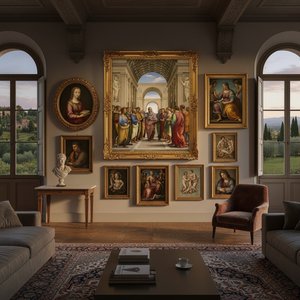
რაฟาელის 25 შედევრი: ხელოვნების ისტორია თქვენს სახლში | OriginalUniqueArt.com
აღმოაჩინეთ რაฟาელის 25 უნიკალური შედევრი! რენესანსული ფერწერა, პორტრეტები და იტალიური ხელოვნების ისტორია. შეიძინეთ მუზეუმის ხარისხის ტილოები OriginalUniqueArt.com-ზე და შექმნით განსაცვიფრებელი ინტერიერი.
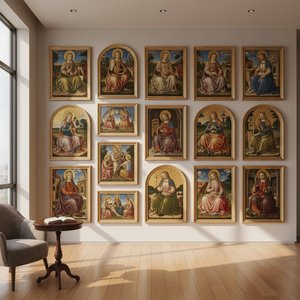
ფრა ანჯელიკოს 25 შედევრი: ხელოვნების სილამაზე თქვენს სახლში | OriginalUniqueArt.com
აღმოაჩინეთ ფრა ანჯელიკოს 25 უნიკალური შედევრი! რენესანსის ფერწერა, სულიერი ხატები და იტალიური ხელოვნების სილამაზე OriginalUniqueArt.com-ზე. შეიძინეთ მუზეუმის ხარისხის რეპროდუქციები სახლის დეკორისთვის. Explore the full collection online!

The Enduring Power of Painting: A Historical & Contemporary Exploration of Form and Emotion
Explore the rich history & enduring techniques of oil painting with OriginalUniqueArt. Discover masterpieces, learn about art collecting, and find authentic handmade reproductions crafted by skilled artists.

The Enduring Legacy of Oil on Canvas: Technique, History & Aesthetic Impact
Explore the rich history & techniques of oil painting – from Renaissance masters to Impressionism. Discover pigments, layering methods, and why this timeless medium endures. Expert insights for artists & art enthusiasts.

Oil on Canvas: A Historical & Technical Exploration of a Timeless Artistic Medium
Explore the rich history & enduring techniques of oil painting on canvas. Discover the science behind its longevity, conservation practices, and contemporary relevance. Expert insights for art enthusiasts.