
 წინასწარი ნახვა
 გაგზავნა
 გაზიარება
 დეტალები

 ჩამოტვირთვა
 მსგავსები
 რენტგენოგრაფიული კვლევა
 სლაიდშოუ
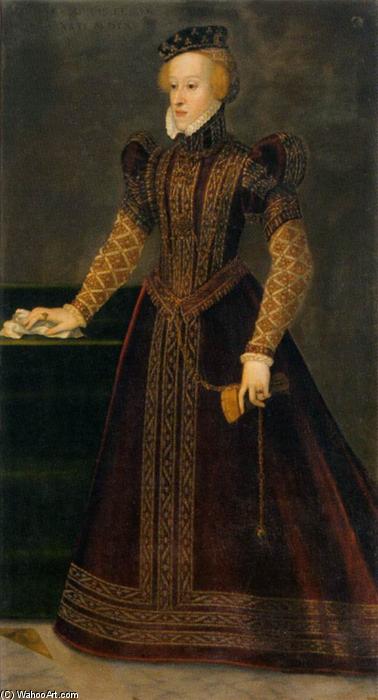
Archduchess Barbara


 გადასართად დაწვრილებით ნახეთ
ხელით ნაკვეთი ზეთის ტილოს რეპროდუქცია
ტილოზე შესრულებული ფერწერიანი ზეთប្រდათი, თქვენთვის სასურველი ზომისა და ჩარჩოსთვის, ჩვენი ხელოვანების მიერ შეკვეთის საფუძველზე დამზადებული. ( შეიძინეთ პრინტი შეიძინეთ გამოსახულება)




































აირჩიეთ ჩვენს მიერ წინასწარ განსაზღვრული ზომებიდან, რომლებიც ნაწარმოების ორიგინალურ პროპორციებს შეესაბამება.

თქვენ შეგიძლიათ მიუთითოთ თქვენთვის სასურველი ზომები კონკრეტული ჩარჩოს ან სივრცის შესაბამისად. თუ თქვენ მიერ არჩეული ზომა არ შეესაბამება ორიგინალი გამოსახულების პროპორციებს, ჩვენ ან შევაჭრებთ ნაწარმოებს, ან ტილოზე დავამატებთ ხელით მოხატულ ელემენტებს. წარმოების დაწყებამდე, დამტკიცებისთვის გამოგეგზავნებათ ციფრული მაკეტი.
გთხოვთ, გაითვალისწინოთ, რომ ეკრანზე ნაჩვენები წინასწარი შეხედულება არ ასახავს რეალურ შეჭრას ან გაფართოებას. საბოლოო კომპოზიციას ზუსტად მხოლოდ მაკეტი წარმოაჩენს.
მიუხედავად იმისა, რომ შესაძლებელია ინდივიდუალური ზომების შერჩევა, ორიგინალური პროპორციების შენარჩუნებისათვის გირჩევთ, გამოიყენოთ წინასწარ განსაზღვრული სიის ზომები.
შეკვეთის შემდეგ, OriginalUniqueArt.com გუნდი დაგიკავშირდებათ ელექტრონული ფოსტით ინსტრუქციებისთვის და გამოგიგზავნით წინასწარ ნახაზს (mockup).
მიწოდება მსოფლიო მასშტაბით -ში 3/4 კვირაში, სტანდარტული 5 კვირის ნაცვლად. (13 აგვისტო). ხარისხზე კომპრომისის გაკეთება არ მოხდება.

უფასო ექსპრეს მიწოდება მთელ მსოფლიოში

საბამად მაღალი ხარისხის ტილო

სრული ტრანსპორტირების დაზღვევა

საბაჟო გადასახადების დაბრუნების გარანტია

ფერების სრული შესაბამისობის გარანტია

60-დღიანი დაბრუნების პოლიტიკა (მხოლოდ დეფექტის შემთხვევაში)

100% თანხის დაბრუნების გარანტია

ფასდაკლება დიდი რაოდენობით შეკვეთისას
 მინის ჩარჩოს არჩევანი ხელმისაწვდომია მხოლოდ 110 სმ-ზე ნაკლები ზომისთვის

Archduchess Barbara
რეკლამაციის ტექნიკა
რეკლამაციის ზომა
-


საბოლოო ფასი
$ 300
მხატვრის ბიოგრაფია
The Renaissance Vision of Francesco Terzio
Francesco Terzio, a name that echoes through the corridors of the Italian Renaissance, remains one of the most compelling figures of an era defined by the tension between classical tradition and the expressive liberties of Mannerism. Born in the vibrant city of Bergamo around 1523, Terzio emerged from a cultural landscape steeped in humanist intellect and profound artistic patronage. His early life was shaped by the rigorous training he received under the master Giovanni Battista Moroni, a sculptor whose influence instilled in Terzio a lifelong devotion to anatomical precision and emotional resonance. This foundational period allowed him to develop a command of chiaroscuro that would later become a hallmark of his style, blending the sculptural weight of his mentor's teachings with a burgeoning interest in the fluid, often theatrical, aesthetics of the mid-16th century.
As Terzio’s reputation grew, so did the scale of his ambitions and the prestige of his patrons. His journey took him far beyond the borders of his native Italy, leading him into the heart of the Habsburg imperial courts. Around 1550, he entered the orbit of Emperor Charles V, a connection evidenced by his monogram appearing on a significant portrait of the Emperor. Following the passing of Charles V, Terzio’s career flourished in Austria, where he served as a distinguished court painter to the Emperor's sons, Maximilian II in Vienna and Archduke Ferdinand II in Innsbruck. This period of imperial service allowed him to engage with monumental projects that celebrated the very lineage of European power, most notably through his extensive work on frescoes at Schloss Ambras and his contribution to the Imagines Gentis Austriacae, a series of seventy-four engravings designed to illustrate the glorious history of the House of Habsburg.
A Synthesis of Style and Spirit
The artistry of Terzio is best understood as a sophisticated dialogue between realism and artifice. While his works often retain the grounded, palpable reality characteristic of the Renaissance—seen clearly in his early religious commissions such as the Nativity and the Assumption of the Virgin for San Francesco in Bergamo—he was never immune to the allure of Mannerist elegance. His compositions frequently utilized elongated figures and intricate, almost choreographed poses to evoke a sense of divine or aristocratic grace. This duality allowed him to navigate the complex demands of his patrons, providing the historical accuracy required for genealogical records while delivering the visual splendor expected by the imperial court.
Beyond his grand-scale frescoes and engravings, Terzio’s mastery extended into the intimate realm of portraiture. He possessed a rare ability to capture psychological nuance, imbuing his subjects with a sense of lived experience and dignity. Whether depicting the powerful members of the Habsburg family or more localized religious figures, his use of color palettes and light served to elevate the subject beyond mere likeness, transforming portraits into enduring symbols of status and soul. His life, which eventually led him back to Rome where he passed away in 1591, serves as a testament to the mobility and interconnectedness of the Renaissance artist, a creator whose brush bridged the gap between the local traditions of Bergamo and the grand imperial stage of Central Europe.

Francesco Terzio
1523 - 1591 , Italy
მოკლე ინფორმაცია
- Artistic Movement Or Style: Renaissance Painting
- Artists Or Movements Influenced By This Artist: ['Charles V']
- Artists Who Influenced This Artist: ['Giovanni Battista Moroni']
- Date Of Birth: ca. 1523
- Date Of Death: 1591
- Full Name: Francesco Terzio
- Nationality: Italian
- Notable Artworks: ['Nativity & Assumption']
- Place Of Birth: Bergamo, Italy

