
 წინასწარი ნახვა
 გაგზავნა
 გაზიარება
 დეტალები

 ჩამოტვირთვა
 მსგავსები
 რენტგენოგრაფიული კვლევა
 სლაიდშოუ
 სტატისტიკა
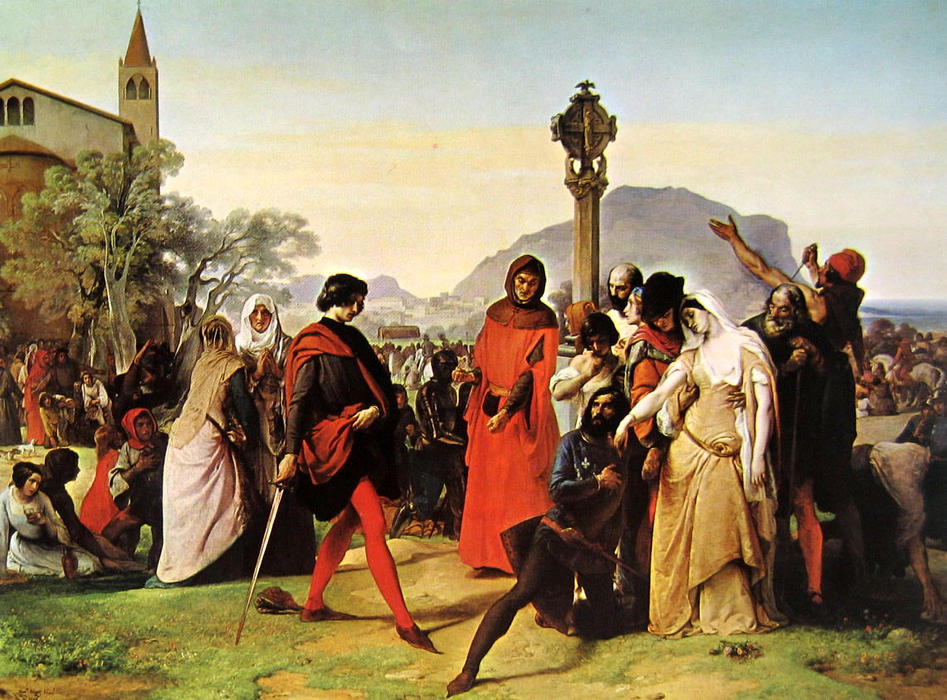
Sicilian Vespers scene 3


 გადასართად დაწვრილებით ნახეთ
ხელით ნაკვეთი ზეთის ტილოს რეპროდუქცია
ტილოზე შესრულებული ფერწერიანი ზეთប្រდათი, თქვენთვის სასურველი ზომისა და ჩარჩოსთვის, ჩვენი ხელოვანების მიერ შეკვეთის საფუძველზე დამზადებული. ( გადართვა ბეჭდზე გადასვლა ციფრულ გამოსახულებაზე)




P118B $10

P118H $10

P118W $10

P438Z $10

P508JH $12

P508YH $12

P805H $10

P805Z $10

P919BZ $10

P919G $10

P919XJ $10

P959ZH $10

P968JZ $12

W106C $8

W218G $10

W218JH $8

W218Y $10

W307PJ $10

W316G $10

W316PJ $8

W316Y $10

W398PJ $8

W4111J $10

W500HY $15

W500JH $15

W692G $12

W849H $8

W940BG $15

W953PJ $8




აირჩიეთ ჩვენს მიერ წინასწარ განსაზღვრული ზომებიდან, რომლებიც ნაწარმოების ორიგინალურ პროპორციებს შეესაბამება.

თქვენ შეგიძლიათ მიუთითოთ თქვენთვის სასურველი ზომები კონკრეტული ჩარჩოს ან სივრცის შესაბამისად. თუ თქვენ მიერ არჩეული ზომა არ შეესაბამება ორიგინალი გამოსახულების პროპორციებს, ჩვენ ან შევაჭრებთ ნაწარმოებს, ან ტილოზე დავამატებთ ხელით მოხატულ ელემენტებს. წარმოების დაწყებამდე, დამტკიცებისთვის გამოგეგზავნებათ ციფრული მაკეტი.
გთხოვთ, გაითვალისწინოთ, რომ ეკრანზე ნაჩვენები წინასწარი შეხედულება არ ასახავს რეალურ შეჭრას ან გაფართოებას. საბოლოო კომპოზიციას ზუსტად მხოლოდ მაკეტი წარმოაჩენს.
მიუხედავად იმისა, რომ შესაძლებელია ინდივიდუალური ზომების შერჩევა, ორიგინალური პროპორციების შენარჩუნებისათვის გირჩევთ, გამოიყენოთ წინასწარ განსაზღვრული სიის ზომები.
შეკვეთის შემდეგ, OriginalUniqueArt.com გუნდი დაგიკავშირდებათ ელექტრონული ფოსტით ინსტრუქციებისთვის და გამოგიგზავნით წინასწარ ნახაზს (mockup).
მიწოდება მსოფლიო მასშტაბით -ში 3/4 კვირაში, სტანდარტული 5 კვირის ნაცვლად. (12 სექტემბერი). ხარისხზე კომპრომისის გაკეთება არ მოხდება.

უფასო ექსპრეს მიწოდება მთელ მსოფლიოში

საბამად მაღალი ხარისხის ტილო

სრული ტრანსპორტირების დაზღვევა

საბაჟო გადასახადების დაბრუნების გარანტია

ფერების სრული შესაბამისობის გარანტია

დაბრუნების 100-დღიანი პოლიტიკა (მხოლოდ დეფექტის შემთხვევაში)

100% თანხის დაბრუნების გარანტია

ფასდაკლება დიდი რაოდენობით შეკვეთისას
 მინის ჩარჩოს არჩევანი ხელმისაწვდომია მხოლოდ 110 სმ-ზე ნაკლები ზომისთვის

Sicilian Vespers scene 3
რეკლამაციის ტექნიკა
რეკლამაციის ზომა
-


საბოლოო ფასი
$ 300
A Tempestuous Vision: Hayez’s “Sicilian Vespers”
Francesco Hayez's "Sicilian Vespers" (1846) isn’t merely a historical painting; it’s a visceral eruption of conflict, a meticulously crafted tableau of political intrigue and simmering rebellion. The canvas explodes with the energy of a sudden uprising, capturing not just an event but the very essence of chaos and determination. It's a scene ripped from the annals of 13th-century Sicily, where dynastic ambitions collided with papal authority, resulting in a protracted and bloody struggle for control. More than a chronicle of events, Hayez delivers a potent allegory about power, loyalty, and the volatile nature of governance – themes that resonate powerfully even today.
The painting immediately commands attention through its dramatic composition. The central figure, clad in scarlet, leads a charge against a wall of defenders, his posture radiating both aggression and a desperate urgency. Around him, a swirling mass of soldiers, nobles, and commoners – all rendered with remarkable detail – surge forward, their faces contorted in expressions of fury and resolve. Hayez masterfully employs diagonal lines to create a sense of dynamic movement, pulling the viewer directly into the heart of the fray. The use of light is particularly striking; it illuminates the advancing figures while casting deep shadows over the retreating defenders, further amplifying the painting’s dramatic intensity.
Romanticism and Historical Narrative
Hayez was a pivotal figure in the Italian Romantic movement, and “Sicilian Vespers” exemplifies this style perfectly. Rejecting the cool detachment of Neoclassicism, Romantic artists sought to evoke strong emotions through vivid imagery and dynamic compositions. Hayez’s work is characterized by its theatricality, heightened drama, and focus on emotionally charged subjects – a hallmark of the era. He wasn't interested in simply depicting historical events; he aimed to capture their emotional core, translating them into a powerful visual narrative.
The painting draws heavily on medieval chronicles detailing the Sicilian Vespers revolt, which saw a group of Sicilian nobles overthrow King Peter III and demand the deposition of Pope Innocent IV. This event was fueled by resentment over papal interference in local affairs and a desire to restore Sicily’s independence. Hayez skillfully weaves together historical fact with elements of dramatic license, creating a compelling narrative that transcends mere documentation.
Technique and Symbolism
Hayez's technical skill is evident in every brushstroke. He employs a rich, dark palette dominated by reds, browns, and blacks, which contribute to the painting’s somber mood. The figures are rendered with meticulous detail, capturing their individual expressions and gestures with remarkable accuracy. The artist utilizes a technique of *sfumato*, subtly blurring edges and creating a sense of atmospheric depth, particularly in the background, adding to the overall feeling of chaos and uncertainty.
Beyond its historical subject matter, “Sicilian Vespers” is laden with symbolism. The scarlet garment worn by the leader represents courage, passion, and perhaps even rebellion against established authority. Conversely, the defenders’ armor symbolizes loyalty, tradition, and the weight of the past. The very act of fighting – a brutal, chaotic melee – speaks to the destructive consequences of political conflict and the erosion of social order. The inclusion of the papal banner amongst the defeated highlights the central role of the papacy in this tumultuous episode.
Emotional Resonance and Legacy
“Sicilian Vespers” is not simply a historical painting; it’s an emotionally resonant work that continues to captivate viewers today. Hayez masterfully conveys the sense of urgency, conflict, and human drama inherent in the subject matter. The painting's depiction of a passionate struggle for power—a theme that has resonated throughout history—makes it timeless and universally relatable.
Reproductions of this iconic artwork offer a stunning way to bring Hayez’s dramatic vision into any space. Whether adorning a grand salon or a more intimate setting, “Sicilian Vespers” serves as a powerful reminder of the complexities of human ambition, loyalty, and the enduring legacy of historical conflict. Its vibrant colors and dynamic composition make it an exceptional choice for collectors and interior designers seeking to infuse their surroundings with both beauty and intellectual depth.
მხატვრის ბიოგრაფია
ადრეული ცხოვრება და განათლება
ფრანჩესკო ჰაიეზი, სახელგანთქმული იტალიელი მხატვარი, დაიბადა 1791 წლის 10 თებერვალს ვენეციაში. მისი მამა, ჯოვანი, ფრანგული წარმოშობის იყო, ხოლო დედა, კიარა ტორჩელა – მურანოდან. პატარა ფრანჩესკოს ხატვის მიდრეკილება ადრეულ ასაკშივე გამოავლინდა და მისი ბიძამ მას ხელოვნების რესტავრატორისთან გაგზავნა, სადაც მან სწავლა დაიწყო. ეს პირველი ნაბიჯი იყო მის მომავალ პროფესიულ გზაზე. 1806 წელს ჰაიეზი ჩარიცხებულ იქნა მილანის ახალ სამხატვრო აკადემიაში, სადაც თეოდორემატეინის ხელმძღვანელობით სწავლობდა. 1809 წელს მან კონკურსი მოიგო, რამაც მას ერთი წლის განმავლობაში სასწავლებლად რომის სან ლუკას აკადემიაში შესვლა მისცა. ამ პერიოდში მიღებულმა მრავალფეროვანმა მხატვრული გავლენებმა ჩამოაყალიბა მისი სტილი, რომელიც მოგვიანებით იტალიური რომანტიზმის გამორჩეულ ნიშნად იქცა.მხატვრული კარიერა და განვითარება
ჰაიეზის მხატვრული მოგზაურობა 1806 წელს დაიწყო, როდესაც მან მილანის ახალ სამხატვრო აკადემიაში ჩაირიცხა. სწავლა რომში გაგრძელდა და იქ მიღებულმა გამოცდილებამ მას საშუალება მისცა, შეესწავლა ანტიკური ხელოვნება და რენესანსული ოსტატების ნაწარმოებები. ჰაიეზის ადრეულ შემოქმედებაში ჩანს კლასიკური სტილის გავლენა, თუმცა მალევე გაიტანა ინტერესი პოლიტიკური მოვლენებით და ისტორიული თემებით. მისმა ნახატებმა თანდათან შეიძინეს უფრო მეტი ექსპრესიულობა და დრამატიზმი. მან სწრაფად გამოავლინა განსაკუთრებული უნარი პორტრეტების შესრულებაში, რაც მას მოთხოვნადი მხატვრის სახელი მოუტანა.მნიშვნელოვანი ნაწარმოებები და სტილი
ჰაიეზის შემოქმედებას ახასიათებს გრანდიოზული ისტორიული ტილოები, პოლიტიკური ალეგორიები და განსაკუთრებული სიზუსტით შესრულებული პორტრეტები. მის ყველაზე გამორჩეულ ნაწარმოებებს შორის არის: კოცნა, რომელსაც თანამედროვენი თავის საუკეთესო ნაწარმოებად მიიჩნევდნენ და რომელმაც დროთა განმავლობაში კიდევ უფრო მეტი აღიარება მოიპოვა. სხვა მნიშვნელოვანი 작품ებია: ურბან II პაპის ქადაგება პირველი ჯვაროსანი ლაშქრობის დროს, რომელიც მისი ისტორიული ნარატივის სტილის მნიშვნელოვან მაგალითად ითვლება, და მილდა ჯუვა-ბრანკას პორტრეტი, რომელიც გამოარჩევს მის უნარს, აღმოაჩინოს თავისი მოდელების არსი. ჰაიეზის ნახატებში ხშირად გვხვდება სიმბოლიზმი და ფარული მნიშვნელობები, რაც მათ უფრო ღრმა ინტერპრეტირების საშუალებას იძლევა.მუზეუმები და კოლექციები
ჰაიეზის ნაწარმოებები წარმოდგენილია მრავალ მუზეუმში, მათ შორის მილანის თანამედროვე ხელოვნების გალერეაში, სადაც შენახულია თანამედროვე და მოქ contemporary ხელოვნების თვალსაჩინო კოლექცია. მისი ნაწარმოებები ასევე შეგიძლიათ იხილოთ ფონდაციო კარილპოში (მილანი), სადაც ურბან II პაპის ქადაგება პირველი ჯვაროსანი ლაშქრობის დროს (235 x 157 სმ) ინახება. ჰაიეზის შემოქმედებას ასევე მიუძღვნა პროფილი OriginalUniqueArt-ზე, ხოლო უფრო მეტი ინფორმაციისთვის შეგიძლიათ ეწვიმეთ ვიკიპედიას (wikipedia: francesco hayez).გავლენა და მემკვიდრეობა
ჰაიეზის გავლენა იტალიურ რომანტიზმზე უდავოა. მისმა ნაწარმოებებმა დიდი ინტერესი გამოიწვია ხელოვნების ისტორიკოსებსა და ენთუზიასტებში, ხოლო მისი შედევრები აგრძღვება ახალი თაობის მხატვრებს. ჰაიეზის ნახატებში ასახული დრამატიზმი, ემოციონალობა და ისტორიული სიზუსტით შესრულებული დეტალები მას იტალიური ხელოვნების ერთ-ერთ უმნიშვნელოვანეს წარმომადგენლად აქცევს. მისი მემკვიდრეობა დღესაც ცოცხალია და შთააგონებს მხატვრებს მთელ მსოფლიოში.
ფრანჩესკო ჰაიესი
1791 - 1882 , იტალია
მოკლე ინფორმაცია
- Artistic Movement Or Style: რომანტიზმი
- Artists Or Movements Influenced By This Artist: ['Neoclassicism']
- Artists Who Influenced This Artist: ['Teodoro Matteini']
- Date Of Birth: 10 თებერვალი, 1791
- Date Of Death: 21 დეკემბერი, 1882
- Full Name: Francesco Hayez
- Nationality: იტალიელი
- Notable Artworks (List Of Titles):
- The Kiss
- Pope Urban II
- Matilde Juva-branca
- Place Of Birth (City And Country): ვენეცია, იტალია
დაკავშირებული სტატიები
Late Medieval Masterpieces: 10 Artworks That Defined an Era | OriginalUniqueArt
Journey through 10 defining Late Medieval masterpieces – from Giotto's frescoes to Jan van Eyck’s realism. Explore the stories, techniques & vibrant colors of Gothic art. Find museum-quality reproductions and elevate your home decor with OriginalUniqueArt.com! Discover all masterpieces on OriginalUniqueArt.com

Pre-Raphaelite Romanticism: A Guide to Vivid Detail and Medieval Beauty in Victorian Art
Explore the vivid detail and medieval beauty of Pre-Raphaelite Romanticism. Discover the history of masters like Rossetti and Millais through our expert guide to Victorian art, perfect for collectors and professionals seeking authentic, museum-quality reproductions.
High Medieval Art: 10 Masterpieces That Shaped an Era | OriginalUniqueArt
Journey through High Medieval Art! Explore 10 iconic masterpieces – from Giotto's frescoes to stunning Gothic cathedrals. Discover the stories behind these timeless paintings, sculptures & illuminated manuscripts. Find museum-quality art reproductions at OriginalUniqueArt.com.
Timeless Elegance: How to Integrate High Medieval Art into Your Modern Interior Design
Discover how to infuse your modern home with the divine light of High Medieval art. From gilded illuminated manuscripts to Gothic-inspired textures, learn expert tips for integrating timeless elegance and historical grandeur into contemporary interior design.

Divine Light & Golden Splendor: A Journey Through the Sacred Grandeur of High Medieval Art
Embark on a soulful journey through High Medieval art. Explore the divine light of Gothic cathedrals, Byzantine splendor, and sacred masterpieces that shaped Western history with our expert-led cultural reflections.