
 წინასწარი ნახვა
 გაგზავნა
 გაზიარება
 დეტალები
 გზამკვლევი

 ჩამოტვირთვა
 მსგავსები
 რენტგენოგრაფიული კვლევა
 სლაიდშოუ
 კითხვა-პასუხი
 სტატისტიკა
Architectural View

- 124.0 x 234.0 cm


 გააგრძელეთ კითხვა
გიკლე / ხელოვნების პრინტი
მუზეუმის დონის ჟიკლე ან ტილოზე ბეჭდვა სწრაფი წარმოებისა და დასრულების მოქნილი ვარიანტებით. ( შეიძინეთ ხელით შესრულებული ნახატი გადართვა ციფრულ გამოსახულებაზე)




P118B ₾10

P118H ₾10

P118W ₾10

P438Z ₾10

P508JH ₾12

P508YH ₾12

P805H ₾10

P805Z ₾10

P919BZ ₾10

P919G ₾10

P919XJ ₾10

P959ZH ₾10

P968JZ ₾12

W106C ₾8

W218G ₾10

W218JH ₾8

W218Y ₾10

W307PJ ₾10

W316G ₾10

W316PJ ₾8

W316Y ₾10

W398PJ ₾8

W4111J ₾10

W500HY ₾15

W500JH ₾15

W692G ₾12

W849H ₾8

W940BG ₾15

W953PJ ₾8




აირჩიეთ ჩვენს მიერ წინასწარ განსაზღვრული ზომებიდან, რომლებიც ნაწარმოების ორიგინალურ პროპორციებს შეესაბამება.

შეიყვანეთ თქვენთვის საჭირო სიგანე და სიმაღლე, რათა გამოსახულებამ თქვენს ჩარჩოს ან კედელს ზუსტად მოერგოს. ბეჭდვისას შესაძლებელია მხოლოდ მისი შემცირება და არა გაზრდა, ამიტომ სხვა ფორმის ზომის შემთხვევაში სურათი ნაწილობრივ იკარგება. სანამ რაიმეს დაბეჭდავთ, ჩვენ გამოგიგზავნით ციფრულ მაკეტს დასდასტურებლად. ამ გვერდზე ნაჩვენები სურათი არ ასახავს რეალურ ჭრას — ამას მხოლოდ მაკეტი გვიჩვენებს.
მიწოდება მთელ მსოფლიოში () 2 კვირაში, სტანდარტული 4/5 კვირის ნაცვლად. (7 ნოემბერი)

უფასო ექსპრეს მიწოდება მთელ მსოფლიოში

მაღალი ხარისხის ტილოს ქსოვილი

ტრანსპორტირების სრული დაზღვევა

საბაჟო გადასახადების დაბრუნების გარანტია

ფერების სრული შესაბამისობის გარანტია

დაბრუნების 100-დღიანი პოლიტიკა (მხოლოდ დეფექტის შემთხვევაში)

100% თანხის სრული დაბრუნების გარანტია

ფასდაკლება დიდი რაოდენობით შეკვეთისას
 მინის ჩარჩოს არჩევანი შესაძლებელია მხოლოდ 110 სმ-მდე ზომისთვის

Architectural View
გიკლე / ხელოვნების პრინტი
რეპროდუქციის ზომა
-


საბოლოო ღირებულება
₾ 211
A Window on Renaissance Grandeur: Francesco di Giorgio Martini’s “Architectural View”
The Staatliche Museen in Berlin houses a painting that transcends mere representation; it offers a meticulously crafted glimpse into the heart of Renaissance architectural thought – Francesco di Giorgio Martini's "Architectural View," completed around 1477. More than simply a depiction of a courtyard, this work is a profound meditation on space, perspective, and the burgeoning humanist ideals shaping Europe’s artistic landscape. Martini, a polymath whose talents spanned painting, sculpture, architecture, and engineering, imbued this piece with an intellectual rigor rarely found in contemporary art, making it a cornerstone of his legacy.
The scene unfolds within a classically inspired courtyard, a carefully orchestrated composition dominated by muted earth tones – ochres, siennas, and umbers – that evoke the weathered grandeur of ancient Rome. Columns, arches, and domes rise with an almost mathematical precision, each element contributing to a sense of ordered harmony. Martini’s mastery lies not just in his technical skill but in his ability to capture the *illusion* of depth and volume. The use of linear perspective draws the viewer's eye towards the central fountain or pool, creating a powerful focal point that anchors the entire composition. Notice how the diminishing size of objects in the distance – a subtle yet crucial element of Renaissance painting – reinforces this sense of spatial recession.
The Architect’s Vision: Martini and the Dawn of Perspective
Martini's "Architectural View" stands as a pivotal work, representing a significant departure from the prevailing artistic conventions of his time. While other artists were primarily focused on portraying realistic appearances, Martini was deeply invested in understanding and replicating the principles of linear perspective – a technique that had been developing for centuries but was only beginning to be fully embraced by Renaissance painters. This painting isn’t merely a representation of an existing space; it's a demonstration of how that space *could* be rendered on a two-dimensional surface, reflecting Martini’s own architectural theories.
The influence of Leon Battista Alberti and Filarete, prominent architects and theorists of the early 15th century, is evident in Martini’s approach. However, Martini pushed beyond their established methods, incorporating elements of his own innovative designs – particularly concerning staircase planning and the arrangement of spaces within a building. The meticulous detailing of the columns, arches, and domes speaks to a deep understanding of architectural construction, suggesting that Martini intended this painting to serve as both an artistic statement and a practical guide for aspiring architects.
Symbolism and the Ideal City
Beyond its technical brilliance, “Architectural View” is rich in symbolic meaning. The courtyard itself represents a microcosm of the ideal city – a carefully planned space designed for civic life, contemplation, and social interaction. The central fountain or pool, often associated with abundance and prosperity, further reinforces this theme. The muted color palette contributes to an atmosphere of timelessness and serenity, evoking a sense of classical antiquity while simultaneously suggesting the potential for future innovation.
Interestingly, Martini’s architectural treatise, “Trattato di architettura, ingegneria e arte militare,” reveals his fascination with creating an ‘ideal city,’ a concept deeply rooted in humanist philosophy. This painting can be seen as a visual manifestation of that vision – a carefully constructed representation of the principles governing harmonious urban design. The influence of this treatise is further evidenced by the inclusion of geometric patterns within the ceiling, echoing the mathematical precision underlying Martini’s architectural theories.
A Legacy in Reproduction: Bringing Renaissance Grandeur Home
Today, “Architectural View” remains a testament to Francesco di Giorgio Martini's extraordinary talent and intellectual curiosity. Reproductions by OriginalUniqueArt offer an exceptional opportunity to bring this masterpiece into your home or office, allowing you to appreciate its beauty and complexity in exquisite detail. The careful attention to color, texture, and perspective ensures that these reproductions capture the essence of Martini’s original vision, transporting you back to the heart of the Renaissance.
For those seeking a deeper understanding of this remarkable work, we encourage you to explore the supplementary resources provided: links to scholarly articles, online exhibitions, and detailed analyses of Martini's artistic techniques. Discovering the rich history and symbolism behind “Architectural View” is an enriching experience in itself – a journey into the mind of one of Renaissance Italy’s most innovative thinkers.
კითხვები და პასუხები
რომელი მუზეუმი ინახავს ორიგინალ "Architectural View"-ს?
ფრანჩესკო დი ჯორჯიო მარტინი-ის „Architectural View“ წარმოდგენილია Staatliche Museen, Berlin, Germany-ში. მუზეუმის აღწერილობა ეხება ორიგინალ ნამუშევარს და არა რეპროდუქციებს.
1477 წელს შექმნილი „Architectural View“ ფრანჩესკო დი ჯორჯიო მარტინი-ის შემოქმედების რომელი პერიოდის ნაწილია?
"Architectural View", რომელიც 1477-ში შეიქმნა, ფრანჩესკო დი ჯორჯიო მარტინი-ის შემოქმედებითი კარიერის Early Period პერიოდს განეკუთვნება."
რა ატმოსფეროს ქმნის ფრანჩესკო დი ჯორჯიო მარტინი-ის „Architectural View“ ინტერიერში?
თავისი Calm განწყობით, „Architectural View“ რეკომენდებულია Living Room-ისთვის.
მხატვრის ბიოგრაფია
რენესანსის პოლიმატური გონება: ფრანჩესკო დი ჯორჯო მარტინის ცხოვრება და ხედვა
იტალიური კვატროჩენტოს ცოცხალ ქსოვილში იშვიათად გვხვდება ისეთი მასშტაბური და მრავალწახნაგოვანი ფიგურა, როგორიცაა ფრანჩესკო დი ჯორჯო მარტინი. ნამდვილი homo universalis, მისი ინტელექტი აკავშირებდა ხელოვნების ეთერულ სილამაზესა და საინჟინრო საქმის მკაცრ სიზუსტეს. 1439 წელს სიენაში დაბადებული მარტინი გამოიკვეთა ღრმა კულტურული ტრანსფორმაციის ეპოქაში, როდესაც შუა საუკუნეების ჩრდილებს ჰუმანიზმის სინათლე განდევნიდა. მისი ცხოვრება არ იყო მხოლოდ ხელოვნებასთან დაკავშირებული კარიერა, არამედ მთელი სიცოცხლის მანძილზე სამყაროს ფარული გეომეტრიის შეცნობის მცდელობა — იქნება ეს გამოხატული მადონას ნაზი ფრჩხილით თუ იდეალური ქალაქის გამამკლევებელი კედლებით.
ЛЬმარტინის შემოქმედებითი გზა ვეჭიეტას მეთვალყურეობის ქვეშ დაიწყო, სიენური სკოლის იმ ოსტატის, რომლის სტილიც რიტმულ, ფრიზისებურ კომპოზიციებს ანიჭებდა უპირატესობას. მიუხედავად იმისა, რომ ადრეულმა სწავლებამ მას რელიგიური იკონოგრაფიისა და სიენას გრაციული ტრადიციებისადმი ღრმა პატივისცემა შეუძინა, ფრანჩესკოს შემოქმედებითი ინოვაციის შეუჩერებელი წყურვილი ჰქონდა. მან ადგილობრივ ტრადიციებზე მაღლა აიღო ხედვა და მიმართა ფლორენციური ინტერესები წრფივი პერსპექტივისა და ანტიკურობისადმი. ამ ინტელექტუალურმა ცნობისმოყვარეობამ საშუალება მისცა, გადაერღვია წინამორბედთა დეკორატიული სტილი და თავის ნამუშევრებს შეეძინა ახალი ფსიქოლოგიური სიღრმე და სივრცითი ურთიერთობების ისეთი დახვეწილი ფლობა, რომელიც მოგვიანებით ლეონარდო და ვინჩის გენიას გაჰყვება.
სულიერებისა და სტრუქტურის სინთეზი
მარტინის შემოქმედებითი მრავალფეროვნება გასაოცარია. როგორც ფერწერი, ის ფლობდა იშვიათ უნარს, ღვთაებრივი და მატერიალური ერთმანეთს შეეწყო. ისეთ შედევრებში, როგორიცაა მადონა და ბავშვი წმინდანებითა და ანგელოზებით, ვხედავთ ღრმა სინთუტურ სინაზე, რომელიც მკაცრ სტრუქტურულ სიცხადეს ახლავს. მისი რელიგიური ნამუშევრები, მათ შორის სიენის ტაძრისთვის შექმნილი მონუმენტური ქალწულის ტახტზე ამოსვლის სცენა, მოწმობს მის უნარს, კლასიკური დიდებულება შეერწყვათ იმ ემოციურ ძალას, რომელიც საკრალურ ხელოვნებას სჭირდება. იგი მხოლოდ წმინდა ფიგურებს კი არ გამოსახავდა, არამედ მათ ისეთ სამყაროში ათავსებდა, რომელიც არქიტექტურულად მყარი და ფიზიკურად რეალური გვეჩვენებოდა.
თუმცა, მარტინის მხოლოდ ფერწერის ჭრილში დანახვა მისი ნამდვილი გენიის გულისცემის გამოტოვებაა. მისი წვლილი არქიტექტურასა და სამხედრო ინთერჟინერიაში ასევე ტრანსფორმაციული იყო. თავისი ნაშრომით, Trattato di architettura, მან ბევრად მეტი შემოგვთავაზა, ვიდრე უბრალოდ ტექნიკური ნახატები; მან წარმოადგინა ვიზიონერული გეგმა città ideale-სთვის — იდეალური ქალაქისთვის. მისი დეტალური ილუსტრაციები და მანუსკრიპტები აჩვენებს გონებას, რომელიც შეპყრობილი იყო პროპორციის ჰარმონიითა და თავდაცვის სტრატეგიული აუცილებლობით. ამ ესკიზებში ჩვენ ვხედავთ თანამედროვე ურბანული დაგეგმარების საფუძვლებს, სადაც სილამაზე და სარგებლიანობა ნატიფი, გათვლილი ბალანსით არსებობს.
არქიტექტორ-ვიზიონერის მემკვიდრეობა
ფრანჩესკო დი ჯორჯო მარტინის ისტორიული მნიშვნელობა მდგომარეობს ხელოვანის ინტუიციასა და ინჟინრის ლოგიკას შორის ნაპოვ tersangkaშეკვეთილ კავშირში. იგი იყო ადამიანი, რომელიც ვერ ხედავდა განსხვავებას ქანდაკებული კიდურის გრაციასა და ქვის ბასტიონის სიმტკიცეს შორის. მისი გავლენა რენესანსში გაბატონდა და ჩამოაყალიბა მომდევნო თაობების მიდგომა დიზაინისაკ towards როგორც ინტეგრირებული დისციპლინისადმი. მისმა ცხოვრებამ, რომელიც 1502 წელს სიენაში დასრულდა, დატოვა მემკვიდრეობა, რომელიც დღემდე რეზონირებს როგორც ხელოვნების ისტორიის, ისე არქიტექტურული თეორიის შესწავლისას.
მისი წარუვალი გავლენის გასაზრდელად, შეიძლება განვიხილოთ მისი დიდებულების შემდეგი საყრდენები:
- პერსპექტივის ოსტატობა: მისი როლი სიენური ხელოვნების დეკორატიული ტრადიციიდან მაღალი რენესანსის სივრცითად სიღრმემდე გადასვლაში.
- არქიტექტურული ინოვაცია: ურბანული დიზაინისა და fortifications თეორიული ჩარჩოების შემუშავება, რამაც საუკუნეების მანძილზე მოახდინა გავლენა ინჟინერიაზე.
- ჰუმანისტური ინტეგრაცია: კლასიკური ანატომიური კვლევისა და რელიგიური მოღვაწეობისა და სამეცნიერო ძიების შეუფერხებელი შერწყმა.
- პოლიმატური იდეალი: რენესანსის შემოქმედის, როგორც საბოლოო მოდელის წარდგენა, სადაც ხელოვნება, მეცნიერება და ინტელექტი განუყოფელია.

ფრანჩესკო დი ჯორჯიო მარტინი
1439 - 1502 , იტალია
მოკლე ინფორმაცია
- Artistic Movement Or Style: რენესანსი
- Artists Or Movements Influenced By This Artist: ['ლეონარდო და ვინჩი']
- Artists Who Influenced This Artist: ['ანდრეა დელ ვეროკკიო']
- Date Of Birth: 23 სექტემბერი, 1439
- Full Name: ფრანჩესკო მაურიციო დი ჯორჯო მარტინი
- Nationality: იტალიელი
- Notable Artworks:
- Nativity (Nativity)
- Coronation of the Virgin (ქალწულის გვირგვინება)
- Place Of Birth: სიენა, იტალია
დაკავშირებული სტატიები

Sandstone & Sunlight: 10 Masterpieces of Earth-Toned Art |
Journey through 10 iconic paintings bathed in 'sand' tones – from Van Gogh to Monet. Explore the stories, techniques & warm palettes of these timeless masterpieces. Find museum-quality art reproductions at and bring classic beauty home.

Earthy Hues & Masterpieces: Top 10 Paintings with 'Mushroom' Tones |
Explore 10 iconic paintings with captivating 'mushroom' tones! Discover Van Gogh, Monet & Rembrandt’s masterpieces—earthy palettes, rich history & artistic techniques. Find museum-quality art reproductions and curated decor ideas at
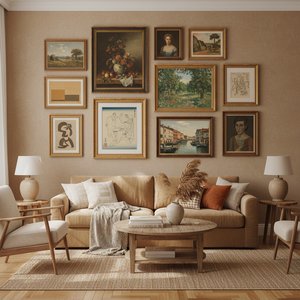
Tan Tones & Timeless Masterpieces: 10 Paintings for Elegant Home Decor
Explore 10 famous paintings dominated by captivating tan tones! From Renaissance portraits to Impressionist landscapes, discover art history's most serene masterpieces. Find museum-quality reproductions & elevate your home decor on .

Earthen Hues: Exploring the Psychological & Artistic Significance of Earth Tones
Explore the captivating world of earth tones! Discover their historical significance, psychological impact & artistic techniques. Find inspiration for your home decor and museum-quality reproductions at OriginalUniqueArt.

The Resonance of Earthly Tones: Exploring Nuance, History & Emotional Impact in Art
Explore the captivating world of earth tones in art! Discover historical context, emotional resonance & artistic techniques behind these timeless colors. Find inspiration for your home decor and museum-quality reproductions.


