

 ნახვა ინტერьерში
 გაგზავნა
 გაზიარება
 დეტალები
 გზამკვლევი

 ჩამოტვირთვა
 მსგავსები
 რენტგენოგრაფიული კვლევა
 სლაიდშოუ
 სტატისტიკა
The part of Chart


 სრული ტექსტის ნახვა
გიკლე / ხელოვნების პრინტი
მუზეუმის დონის ჟიკლე ან ტილოზე ბეჭდვა სწრაფი წარმოებისა და დასრულების მოქნილი ვარიანტებით. ( შეიძინეთ ხელით შესრულებული ნახატი გადასვლა ციფრულ გამოსახულებაზე)




P118B ₾10

P118H ₾10

P118W ₾10

P438Z ₾10

P508JH ₾12

P508YH ₾12

P805H ₾10

P805Z ₾10

P919BZ ₾10

P919G ₾10

P919XJ ₾10

P959ZH ₾10

P968JZ ₾12

W106C ₾8

W218G ₾10

W218JH ₾8

W218Y ₾10

W307PJ ₾10

W316G ₾10

W316PJ ₾8

W316Y ₾10

W398PJ ₾8

W4111J ₾10

W500HY ₾15

W500JH ₾15

W692G ₾12

W849H ₾8

W940BG ₾15

W953PJ ₾8




აირჩიეთ ჩვენს მიერ წინასწარ განსაზღვრული ზომებიდან, რომლებიც ნაწარმოების ორიგინალურ პროპორციებს შეესაბამება.

შეიყვანეთ თქვენთვის საჭირო სიგანე და სიმაღლე, რათა იგი მოერგოს თქვენს ჩარჩოს ან კედელს. ბეჭდვისას შესაძლებელია მხოლოდ მისი შემცირება და არა გაზრდა, ამიტომ სხვა ფორმის ზომის შემთხვევაში გამოსახულება ნაწილობრივ იკარგება. სანამ რაიმეს დაბეჭდავთ, ჩვენ გამოგიგზავნით ციფრულ მაკეტს დასდასტურებლად. ამ გვერდზე ნაჩვენები სურათი არ ასახავს რეალურ ჭრას — ამას მხოლოდ მაკეტი გვიჩვენებს.
მიწოდება მთელ მსოფლიოში () 2 კვირაში, სტანდარტული 4/5 კვირის ნაცვლად. (22 ოქტომბერი)

უფასო ექსპრეს მიწოდება მთელ მსოფლიოში

მაღალი ხარისხის ტილო

ტრანსპორტირების სრული დაზღვევა

საბაჟო გადასახადების დაბრუნების გარანტია

ფერების სრული შესაბამისობის გარანტია

დაბრუნების 100-დღიანი პერიოდი (მხოლოდ წარმოების დეფექტის შემთხვევაში)

100% თანხის სრული დაბრუნების გარანტია

ფასდაკლება დიდი რაოდენობით შეკვეთისას
 მინის ჩარჩოს არჩევანი ხელმისაწვდომია მხოლოდ 110 სმ-მდე ზომისთვის

The part of Chart
გიკლე / ხელოვნების პრინტი
რეპროდუქციის ზომა
-


ჯამური ღირებულება
₾ 209
Fernand Léger: Embracing Modernity Through Geometric Form
Fernand Léger stands as a singular voice within the tumultuous landscape of early twentieth-century art, resisting the prevailing trend toward abstraction while simultaneously forging a path towards its expressive potential. Born Joseph Fernand Henri Léger in Argentan, Normandy, in 1881, his formative years amidst rural traditions provided a crucial counterpoint to the burgeoning industrial revolution that would irrevocably reshape European culture and profoundly influence his artistic vision.
- Early Influences: Léger’s initial training as an architect instilled a disciplined understanding of spatial relationships—a foundation he would later translate into his distinctive visual language. However, it was his encounter with Impressionism, particularly Gérôme's monumental paintings at the Salon d’Automne in 1905, that ignited his artistic curiosity and introduced him to the expressive power of color and light.
- The Birth of Tubism: Léger’s pivotal breakthrough arrived in 1909 with the formation of the Puteaux Group alongside fellow Cubists like Metzinger and Le Fauconnier. This collective experimentation yielded “Tubism,” a radical departure from traditional representation—a style characterized by simplified cylindrical forms that captured the essence of machinery and urban life. Léger’s tubular shapes weren't merely decorative; they embodied the dynamism and efficiency of the industrial age, reflecting his fascination with technological progress.
- World War I’s Impact: The horrors of World War I indelibly marked Léger’s artistic sensibility. His sketches documenting the battlefield—artillery pieces, airplanes, and soldiers—demonstrated a commitment to portraying reality with unflinching honesty while simultaneously distilling it into its most fundamental geometric elements. This period solidified his belief in art's ability to communicate profound truths about human experience.
- A Populist Vision: Unlike many of his contemporaries who pursued intellectual abstraction, Léger championed a style accessible to the masses—a deliberate rejection of elitism that aligns with his upbringing and humanist values. His bold simplification of subject matter foreshadowed Pop Art’s embrace of everyday imagery and challenged artistic conventions.
“The Part of Chart”: Decoding Geometric Abstraction
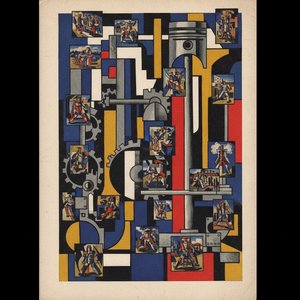
"The Part of Chart," completed in 1917, exemplifies Léger's Tubist aesthetic with remarkable clarity. The painting depicts a group of figures seated on the ground amidst bicycles—a scene deliberately devoid of realistic detail but brimming with symbolic significance. Léger’s masterful use of tubular forms dominates the composition, conveying a sense of movement and suggesting the relentless pace of industrial society.
The palette is restrained yet impactful, utilizing primary colors accented by green, black, and white—a deliberate choice that underscores Léger's commitment to reducing visual information to its most essential components. The fragmented geometric shapes create an illusion of depth and perspective without resorting to traditional techniques, reflecting Léger’s belief in the transformative power of abstraction.
Symbolism Beyond Representation
Beyond its formal qualities, “The Part of Chart” speaks to broader themes—community, interaction, and the human condition amidst technological advancement. Léger's simplification isn’t merely stylistic; it serves as a conduit for conveying emotional resonance. The figures are rendered with minimal anatomical detail, prioritizing expressive gesture and posture over precise representation.
Considered a forerunner of Pop Art, Léger’s work anticipates the movement’s fascination with commonplace subjects—the bicycle, in particular—and its rejection of academic conventions. He sought to capture not just what he saw but *how* it felt—a humanist impulse that distinguishes him from many abstract artists of his time.
Legacy and Influence
Fernand Léger’s unwavering dedication to geometric abstraction cemented his place as a pivotal figure in modern art history. His influence extended beyond painting into sculpture, filmmaking, and design—demonstrating the breadth of his artistic vision. Today, reproductions of “The Part of Chart” continue to inspire collectors and interior designers alike, offering a glimpse into Léger’s groundbreaking exploration of form and symbolism.
კითხვები და პასუხები
რომელი სივრცე შეესაბამება ფერნანდ ლეგე-ის „The part of Chart“-ის ფერებს?
ფერნანდ ლეგე-ის „The part of Chart“-ის Earthy ფერები შეესაბამება მის რეკომენდებულ სივრცეს: Living Room.
გამოიყენებს თუ არა ფერნანდ ლეგე-ის „The part of Chart“ მკვეთრ კონტრასტებს თუ რბილ ჰარმონიებს?
წარმოებულში "The part of Chart", Statement კონტრასტი Strong Color Unity ჰარმონიასთან ერწყმის.
რამდენად გაჯერებულია „The part of Chart“-ის პალიტრა?
„The part of Chart“-ის პალიტრის ფერების გაჯერებულობა არის Balanced Soft.
მხატვრის ბიოგრაფია
ფერნანდ ლეგერი: მანქანური ეპოქის მხატვარი
ფერნანდ ლეგერი, ნამდვილი სახელი ჟოზეფ ფერნან ანრი ლეგერი, დაიბადა 1881 წლის 4 თებერვალს არჟენტანსკოში, საფრანგეთში. მისი ბავშვობა გაატარა ნორმანდიის სოფლის პეიზაჟებში, რაც მის შემდგომ შემოქმედებაში ხშირად მოიხსენიება. მისი მამა მეცხვარე იყო, ხოლო დედა – თავდაყვᱮრებული ქალი, რომელმაც დიდი გავლენა მოახდინა ლეგერის პირველ პერიოდში. თავდაპირველად, ლეგერს ჰქონდა განათლება არქიტექტურაში, თუმცა მალევე გადაინაცვლა მხატვრობისკენ, რაც მისი ცხოვრების მთავარი მიმართულება გახდა. პარიზში ჩასვლის შემდეგ, მან სწავლა დაიწყო დეკორატიული ხელოვნების სკოლაში და მოგვიანებით, ცდილობდა ჩასვეს ბიელინის აკადემიაში, თუმცა უშედეგოდ. ამ პერიოდში მან მუშაობა დაიწყო არქიტექტურულ დრაფტთან, რაც მნიშვნელოვანი გამოცდილება აღმოჩნდა მისი შემდგომი კარიერისთვის.კუბიზმის განვითარება და "ტურბიზმი"
XX საუკუნის დასაწყისი საფრანგეთისთვის რთული პერიოდი იყო – სწორედ მაშინ დაიწყო კუბიზმის წარმოშობა, რომელიც რადიკალურად შეცვალა ხელოვნების მსვლელობა. პოლ სეზანის შემოქმედების ნახვის შემდეგ ლეგერის ცხოვრებაში დიდი ცვლილება მოხდა. სეზანის გეომეტრიული ფორმებისა და ობიექტების ანალიზი მისმა მიერ ხელოვნების აღქმასაც შეუცვალა. ლეგერი აქტიურად ჩართულა კუბისტური მოძრაობაში, თუმცა მან საკუთარი, უნიკალური სტილი შექმნა, რომელიც კრიტიკოსებმა "ტურბიზმად" назвали. "ტურბიზმი" ხასიათდება ცილინდრულ ფორმებით, გაფანტული სივრცეებით და მკაფიო ფერების კონტრასტებით. ეს სტილი მანქანების ესთეტიკას ასახავს და წარმოადგენს ლეგერის შემოქმედების ერთ-ერთ მთავარ ნიშანს. 1909 წელს, მონპარნასში სტუდიის გაქირავებამ მას საშუალება მისცა გაიცნო სხვა მნიშვნელოვანი მხატვრები, როგორებიც არიან ალექსანდრე არჩიპენკო, ჟაკ ლიპიციცი და რობერტ დელონე. "ოქროს განყოფილებაში" (Section d'Or) მისი მონაწილეობა კიდევ უფრო გა deepened his exploration of mathematical principles in art.პირველი მსოფლიო ომი და მექანიზაციის აღნიშვნა
პირველი მსოფლიო ომი ლეგერის ცხოვრებაში ტრაგიკული მოვლენა იყო, თუმცა მან მასზე შემოქმედებითი გავლენაც იქონია. მilitარებაში მომუშავე პერიოდისას მან უამრავ ჩანაწერს დახატა სამხედრო ტექნიკის შესახებ, რაც მის შემდგომ მუშაობაში გამოიხატება. ომის შემდეგ ლეგერის სტილი კიდევ უფრო გამარკვიათ და მანქანებისადმი მისი სიმპათია უფრო მკაფიო გახდა. მისი ტილოები ხასიათდება 단순화ებული ფორმებით, მკაფიო კონტურებით და ფერადი პლასტიკით, რაც მანქანების დინამიკასა და ეფექტურობას ასახავს. "სოლჯატი მუნთაში" (Soldier with a Pipe) მისი ამ პერიოდის ერთ-ერთი გამორჩეული ნაწარმოებია, რომელიც წარმოადგენს მექანიკური სიზუსტის სიმბოლურ გამოხატვას.შემდგომი შემოქმედება და მემკვიდრეობა
ომის შემდეგ ლეგერი განაგრძო ექსპერიმენტები სხვადასხვა სახის ხელოვნების დარგში, მათ შორის სკულპტურისა და κινηოქინოსტან. მისმა "საზოგადოებრივი ნოველების" (Paysages animés) სერიამ გააერთიანა ადამიანური ფიგურები და მანქანები ჰარმონიულ კომპოზიციაში, რაც წარმოადგენს ორგანული და არავარგის ფორმების შერწყმას. ფერნანდ ლეგერის შემოქმედება მნიშვნელოვანი წინაპირობა იყო პოპ-არტის განვითარებისთვის. მისი გავლენა იგრძნობა როი ლიხტენშტეინისა და ენდი უორჰოლის შემოქმედებაში. ლეგერი იყო ისტორიაში გამორჩეული მხატვარი, რომელმაც მანქანების ეპოქას თავისი ხელოვნებით უნიკალური სახე მისცა. მისი ნამუშევრები დღესდღეობით მსოფლიოს წამყვან მუზეუმებშია განთავსებული და წარმოადგენს თანამედროვე ხელოვნების ერთ-ერთ ყველაზე მნიშვნელოვან ძეგლს. მისი მემკვიდრეობა არის არა მხოლოდ მხატვრის სახელი, არამედ თანამედროვეობის პროფეტის ტიტული.
ფერნანდ ლეგე
1881 - 1955 , საფრანგეთი
მოკლე ფაქტები
- Artistic Movement Or Style: კუბიზმი, ტუბიზმი
- Artists Or Movements Influenced By This Artist: ['Pop Art']
- Artists Who Influenced This Artist: ['პოლ სეზანი']
- Date Of Birth: 1881 წლის 4 თებერვალი
- Date Of Death: 1955 წლის 17 აგვისტო
- Full Name: ფერნანდ ლეგე
- Nationality: საფრანგეთი
- Notable Artworks:
- The Sitted Woman
- Machine Element
- The Great Parade
- The City
- Place Of Birth: არგენტანი, საფრანგო
მსგავსი სტატიები

Modern Geometry & Machine Age Beauty: A Collector's Guide to the Cubist Vision of Fernand Léger
Explore the profound geometric mastery of Fernand Léger. Discover how his 'Tubism' and Machine Age aesthetics redefined modern art, offering timeless inspiration for discerning collectors seeking to integrate Cubist dynamism into sophisticated contemporary interiors.
Industrial Revolution on Canvas: 10 Artworks That Define a Modern Aesthetic
Explore 10 iconic artworks capturing the Industrial Revolution’s grit & beauty. From Monet to Manet, discover realism, impressionism & powerful scenes of urban life. Find museum-quality reproductions for your home at OriginalUniqueArt.com.
ფერნანდ λεჟეს 25 საუკეთესო შედევრი: ხელოვნების ისტორია თქვენს სახლში | OriginalUniqueArt
გაიცანით ფერნანდ λεჟეს 25 საუკეთესო შედევრი! კუბიზმის, ტუბიზმის და თანამედროვე ხელოვნების ისტორია. ნახატების რესპროდუქციები თქვენი სახლისთვის OriginalUniqueArt-ზე. აღმოაჩინეთ ლეგერის გამოსახულებები ონლაინ!

Modern Geometry & Machine Age Beauty: A Collector's Guide to the Cubist Vision of Fernand Léger
Explore the vibrant world of Fernand Léger. Discover how his 'Tubism' and Machine Age aesthetics redefined modern art, offering profound inspiration for discerning collectors seeking geometric beauty and industrial dynamism.

გეომეტრიული აბსტრაქცია: 10 შედევრი, რომელმაც ხელოვნება განსაზღვრა | OriginalUniqueArt.com
გეომეტრიული აბსტრაქციის 10 შედევრი მონდრიანის, მალევიჩისა და კანდინსკის ჩართულობით. გაიგეთ მათი ისტორია, ტექნიკა და გავლენა ხელოვნებაზე. შეიძინეთ უმაღლესი ხარისხის რეკონსტრუქციები OriginalUniqueArt.com-ზე!


