Geometric Abstraction · 1954
Study for the (ფერნან ლეგერი, 1954)
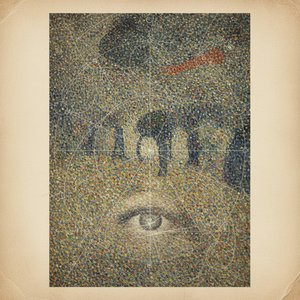
ფერნან ლეგერი (1881–1955)-მა შექმნა Study for the . ის შექმნილ არის 1954 წელს. ის Geometric Abstraction მიძღვნილ სტილს მიეკუთვნება. შესრულებულია Acrylic On Canvas-ით. ნახატი დაცულია მუზეუ დო კარამულო-ში, კარამულო, პორტუგალია-ში. ზომა არის 38 × 44 cm.
- 1954
- Acrylic On Canvas
- 38 × 44 cm
- მუზეუ დო კარამულო

 წინასწარი ნახვა

 ხელით შესრულებული ზეთប្រეწერი
 გაგზავნა
 გაზიარება
 სპეცფიკაცია


 ჩამოტვირთვა
 მსგავსები
 რენტგენოგრაფიული კვლევა
 სლაიდშოუ
 კითხვა-პასუხი

 სტატისტიკა
Study for the , მოკლედ
- სათაური
- Study for the
- ავტორი
- ფერნან ლეგერი (1881–1955)
- ხატვის წელი და ადგილი
- არგენტანი, საფრანგეთი
- თარიღი
- 1954
- ტექნიკა
- Acrylic On Canvas
- ზომები
- 38 × 44 cm
- სად ნახვა შეგიძლიათ
- მუზეუ დო კარამულო, კარამულო, პორტუგალია
- მოძრაობა
- Geometric Abstraction
- სუბიექტი
- musical performance, geometric forms, modern landscape, instrument ensemble, urban scene, animal presence
რა არის გამოსახული Study for the -ში?
A Symphony of Form and Feeling: Exploring Fernand Léger’s “Study for Breakfast”
Fernand Léger's "Study for Breakfast," completed in 1954, transcends mere representation; it embodies the very spirit of Pointillism—a technique championed by Georges Seurat and embraced wholeheartedly by Léger as a means to convey dynamism and immediacy. This unassuming landscape isn’t simply depicted as it appears before our eyes; instead, Léger meticulously constructs it from countless tiny dots of pigment, creating an illusion of depth and texture that defies conventional painting methods. The resulting image pulsates with energy, mirroring the rhythms of daily life—a quiet morning scene rendered with astonishing precision. It's a masterful demonstration of how abstraction can serve as a conduit for emotion and observation simultaneously.- Style: Pointillism – Léger’s signature style prioritizes optical mixing over blending pigments on canvas, resulting in vibrant hues that shimmer and shift subtly under the light.
- Technique: Léger employed a painstaking process of applying dots of color—typically yellow, red, and blue—to build up layers of tonal variation. This method demanded immense patience and meticulous attention to detail, reflecting Léger’s unwavering commitment to his artistic vision.
Historical Context: Embracing Modernity Amidst Postwar Uncertainty
Created in the aftermath of World War II, “Study for Breakfast” speaks to a broader cultural preoccupation with rebuilding and redefining beauty after devastation. Léger’s stylistic choices—the geometric abstraction and the deliberate fragmentation of form—were deliberately antithetical to the prevailing artistic trends of his time, signaling a rejection of Impressionism's focus on fleeting sensations and an embrace of the machine age’s influence on visual perception. This bold stance positioned Léger as a pioneer of abstract expressionism, anticipating developments that would reshape the landscape of 20th-century art.Symbolic Resonance: The Quiet Power of Observation
Despite its apparent simplicity, “Study for Breakfast” is laden with symbolic significance. Léger’s use of dots—representing individual particles and conveying movement—suggests a fascination with scientific principles and an attempt to capture the underlying order of nature. The muted palette contributes to a mood of contemplative serenity, inviting viewers to contemplate the beauty found in everyday moments. It's a subtle reminder that even amidst turbulent times, art can offer solace and inspire wonder.Emotional Impact: Capturing Essence Through Precision
Ultimately, Léger’s “Study for Breakfast” succeeds in conveying an emotional resonance far exceeding its visual surface. The artist doesn’t aim to evoke sentimental feelings but rather to distill the essence of a scene—the feeling of warmth, light, and stillness—into a meticulously crafted composition. This achievement underscores Léger's profound understanding of how abstraction can communicate complex ideas and sensations with remarkable effectiveness. It remains an enduring testament to his artistic genius and a captivating example of Pointillist artistry.რომელ მუზეუმში ინახება Study for the ?
მუზეუ დო კარამულო
კარამულო, პორტუგალია
ფოლადისა და სულის სიმფონია პორტუგალიის ცენტრში, სერა დო კარამულოს მწვანე და ტალღებრი ბორცვების ქარბადში, მუზეუ დო კარამულო გამოირჩევა შემოქმედებითი პარადოქსით — ეს არის წმინდა თავშესაფარი, სადაც მექანიკური ინჟინერიის სიზუსტე და ადამიანის შემოქმედებითი ღრმა სიღრმე ერთმანეთს ხვდება. ეს არ არის მხოლოდ ძეგლების საცავი; ეს არის ცოცხალი დიალოგი ორ, ერთი შეხედვით, სრულიად განსხვავებულ სამყაროს შორის. დაარსებული ვიზიონერი ძმების, აბელ და ჟოაო დე ლასერდაების მიერ, მუზეუ წარმოადგენს იმ საერთო ვნების დასტური, რომელმაც უარი თქვა საზღვრების დაწესებაზე ძრავის ღრიალსა და ფუნჯის ფარული ელეგანტურობას შორის.


Study for the -ის მაღალი გარ Auflხ resolución-ის გამოსახულებები

საჯარო საკუთრება: მხატვარი გარდაიცვალა 1955 წელს.
სხვა ზომები, კადრისრები და ციტირება →
ფერნან ლეგერი, Study for the (1954), მუზეუ დო კარამულო. საჯარო საკუთრება
კითხვები Study for the -ზე, პასუხები
სად არის დღეს გამოფენილი ფერნან ლეგერი-ის „Study for the“?
ორიგინალი ფერნან ლეგერი-ის „Study for the“ მუზეუ დო კარამულო, კარამულო, პორტუგალია-ში ინახება. რესპროდუქცია კი საშუალებას გაძლევთ, ეს ნამუშევარი თქვენს სახლში გამოფენოთ.
რა წელში შეიქმნა "Study for the"?
ფერნან ლეგერი-ის „Study for the“-ის შექმნის თარიღია 1954.
რა მასალისგან არის შესრულებული ფერნან ლეგერი-ის „Study for the“?
ფერნან ლეგერი-ის „Study for the“-ის მასალა არის Acrylic On Canvas. რეპროდუქციების მიზანია ამ ტექნიკის ვიზუალური მხარის ზუსტი გადმოცემა.
რა არის ორიგინალი ფერნან ლეგერი-ის „Study for the“-ის ზომები?
ორიგინალის ზომა „Study for the“-ისთვის არის 38 x 44 cm. ორიგინალის ზომები სასარგებლო ინფორმაციაა რეპროდუქციის ზომის შერჩევისას.
რას ეხება "Study for the"?
სურათის "Study for the" თემებს წარმოადგენს musical performance, geometric forms, modern landscape, instrument ensemble, urban scene, animal presence, domestic setting, pointillism technique.
არის თუ არა "Study for the" საავტორო უფლებებისგან თავისუფალი?
ავტორული უფლებების სტატუსი ნამუშევრისთვის ფერნან ლეგერი-ის „Study for the“: ნამუშევარი არის საჯარო საკუთრებაშია — საავტორო უფლებები ამოწდა. ეს განსაზღვრავს, შესაძლებელია თუ არა გამოსახულების რეპროდუქციის თავისუფლად წარმოება.
ვინ არის „Study for the“-ის ავტორი?
„Study for the“ მიკუთვნებულია ფერნან ლეგერი-ს.
რომელ მხატვრულ მიმდევრობას წარმოადგენს ფერნან ლეგერი-ის „Study for the“?
ფერნან ლეგერი-ის „Study for the“ მიეკუთვნება Geometric Abstraction მიმდევრობას. ეს მიმდევრობა ნამუშევარს სტილისტურ კონტექსტს სძენს.
ფერნან ლეგერი-ის შემოქმედებითი განვითარების რომელ ეტაპს წარმოადგენს „Study for the“?
ფერნან ლეგერი-ის შემოქმედების პერიოდში „Study for the“ Mature Period-ს მიეკუთვნება. ეს ფაზა საშუალებას გვაძლევს, იგი ხელოვანის სხვა ნამუშევრებს შევადაროთ.
ხელပاتარში: ფერნან ლეგერი

1881–1955, საფრანგეთი
ფერნან ლეგერი
The Life of Fernand Léger The story of Fernand Léger begins in the village of Argentan, located in the Orne region of Lower Normandy. He arrived into this world on February 4, 1881, as an only son. His early years were shaped by the quietude of the French countryside and the presence of his mother, Marie-Adèle Daunou. His father, a man who made his living as a cattle dealer, passed away when Fernand was still a young boy, leaving the child to be raised by his mother in a household marked by her piety and a certain self-effacing nature.
ფერნან ლეგერი-ის შესახებ ფერნან ლეგერი-ის გამორჩეული ნამუშევრები
ასევე ფერნან ლეგერი-ის მიერ
 Fernand Léger
A Life Forged in Form: The World of Fernand Léger
Fernand Léger, born Joseph Fernand Henri Léger in 1881 amidst the rural landscapes of Argentan, Normandy, stands as a pivotal figure in the evolution of modern art. His journey from the far1919
 მაღაზიელი1920
 మూడు സ്ത്രീകള്1921
 მოდელი არ დატვირთულია. დეველოპერის გვერდზე მოდელს და tải করুন ან কমান্ড გამოიყენეთ 'lms load'.1910
ესეები Study for the -ის შესახებ
 Industrial Revolution on Canvas: 10 Artworks That Define a Modern AestheticExplore 10 iconic artworks capturing the Industrial Revolution’s grit & beauty. From Monet to Manet, discover realism, impressionism & powe…
 Georges Seurat: Pointillism, Perception & the Scientific Foundations of Modern ArtExplore the revolutionary art of Georges Seurat and the science behind Pointillism. Discover chromoluminarism, optical mixing, and the last…
 Mastering the Machine Age: The Top 25 Fernand Léger ArtworksImmerse yourself in the vibrant world of Fernand Léger. Explore 25 iconic masterpieces of Cubism and Tubism, from bold geometric forms to m…