Cubist Style
Mechanical Elements (ფერნან ლეგერი)
ფერნან ლეგერი (1881–1955)-მა შექმნა Mechanical Elements. ის Cubist Style მიძღვნილ სტილს მიეკუთვნება. შესრულებულია Oil On Canvas-ით. ნახატი დაცულია მეტროპოლიტენის ხელოვნების მუზეუმი-ში, ნიუ-იორკი, ამერიკის შეერთებული შტატები-ში.
- Oil On Canvas
- მეტროპოლიტენის ხელოვნების მუზეუმი, ნიუ-იორკი

 წინასწარი ნახვა

 ხელით შესრულებული ზეთប្រეწერი
 გაგზავნა
 გაზიარება
 სპეცფიკაცია


 ჩამოტვირთვა
 მსგავსები
 რენტგენოგრაფიული კვლევა
 სლაიდშოუ
 კითხვა-პასუხი

 სტატისტიკა
Mechanical Elements, მოკლედ
- სათაური
- Mechanical Elements
- ავტორი
- ფერნან ლეგერი (1881–1955)
- ხატვის წელი და ადგილი
- არგენტანი, საფრანგეთი
- ტექნიკა
- Oil On Canvas
- სად ნახვა შეგიძლიათ
- მეტროპოლიტენის ხელოვნების მუზეუმი, ნიუ-იორკი, ამერიკის შეერთებული შტატები
- მოძრაობა
- Cubist Style
- ეპოქა
- Modern
- სუბიექტი
- mechanical elements, cubism, geometry, industrial design, abstraction, assemblage
რა არის გამოსახული Mechanical Elements-ში?
A Vision of Industrial Harmony
Fernand Léger’s “Mechanical Elements,” painted in 1924, stands as a striking testament to the burgeoning fascination with technology during the interwar period. More than just a depiction of gears and pipes—though undeniably prominent—the artwork embodies Léger's ambitious goal: to synthesize Cubist fragmentation with the dynamism of the machine age, creating an aesthetic that simultaneously challenged artistic conventions and reflected the transformative realities of modern life.
Born Joseph Fernand Henri Léger in Argentan, Normandy, 1881, Léger embarked on a journey from rural landscapes to the epicenter of Parisian avant-garde. Initially drawn to architecture, his artistic path swiftly pivoted toward painting after arriving in Paris around 1900, fueled by an unwavering conviction that art could engage with the complexities of its time.
Cubism Revisited: Geometric Precision
Léger’s stylistic evolution is inextricably linked to Cubism. Influenced profoundly by Picasso and Braque, he adopted the fractured perspective and simultaneous viewpoints characteristic of this revolutionary movement—a deliberate rejection of traditional representation in favor of exploring spatial relationships through geometric forms. However, Léger didn't simply replicate Cubist principles; he pushed them further, distilling them into a simplified vocabulary of circles, squares, and lines.
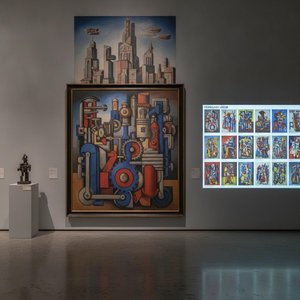
“Mechanical Elements” exemplifies this approach brilliantly. The canvas is dominated by interlocking geometric shapes—primarily circles and squares—arranged in a rhythmic pattern that evokes the precision and repetition found in industrial machinery. These forms aren’t merely decorative; they actively contribute to conveying a sense of movement and energy, mirroring the ceaseless pace of urban life.
Symbolism Beyond Mechanism
While the artwork's visual language speaks directly to the influence of technology, Léger imbued “Mechanical Elements” with deeper symbolic resonance. The repetition of geometric shapes isn’t merely a stylistic device; it represents an attempt to capture the impersonal logic and order inherent in industrial processes—a deliberate contrast to the organic forms favored by Impressionism and Post-Impressionism.
Furthermore, Léger's use of color – predominantly shades of gray punctuated by vibrant accents – underscores this thematic preoccupation. Gray symbolizes the materiality of metal and concrete, while bursts of color represent human vitality and creativity—a harmonious blend reflecting Léger’s belief that art could coexist with technological advancement without sacrificing beauty or emotional depth.
A Legacy of Innovation
"Mechanical Elements" cemented Léger's position as a pioneer of Tubism – a variant of Cubism developed by Léger himself—characterized by the use of tubular forms to represent objects and figures. This innovative technique anticipated developments in Pop Art decades later, demonstrating Léger’s enduring influence on subsequent generations of artists.
Today, reproductions of “Mechanical Elements” continue to captivate audiences with their bold aesthetic and intellectual ambition. They serve as a powerful reminder that art can not only reflect the spirit of its time but also actively shape our understanding of it—a timeless masterpiece celebrating both geometric precision and human resilience.
რომელ მუზეუმში ინახება Mechanical Elements?
მეტროპოლიტენის ხელოვნების მუზეუმი
ნიუ-იორკი, ამერიკის შეერთებული შტატები
Origins and History of the Metropolitan Museum of Art The Metropolitan Museum of Art began with a vision shared by a group of businessmen, financiers, and leading artists and thinkers. Following its incorporation in 1870, the institution sought a permanent home to house its growing acquisitions. Before settling into its current location, the museum briefly resided in the Douglas Mansion estate on West 14th Street.
 სოკრატეს სიკვდილი, მეტროპოლიტენი, ნიუ-იორკიჟაკ-ლუი დავიდი, 1787
 ჯონ სინგერ სარჯენტი
ცხოვრება სინათლეში და საზოგადოებაში
ფლორენცია
იტალია
1856
უცნობია
1925
ხედვა არისტოკრატიული ელეგანტურობის შესახებ
ოქროს ხანა
--Overall Impression-- ხელოვნების ნაწილი არის ქალის პორტრეტი ელეგანტური, მუქი კაბით. ეს არის კლასიკურჯონ სინგერ სარჯენტი, 1884
 ვაშინგტონი დელავერის გადაკვეთაზეემანუელ გოთლიბ ლუცე, 1851
Mechanical Elements-ის მაღალი გარ Auflხ resolución-ის გამოსახულებები

საჯარო საკუთრება: მხატვარი გარდაიცვალა 1955 წელს.
სხვა ზომები, კადრისრები და ციტირება →
ფერნან ლეგერი, Mechanical Elements, მეტროპოლიტენის ხელოვნების მუზეუმი. საჯარო საკუთრება
ფერები ციფრული ექსპერტის მიერ ორიგინალთან შესაბამისობაშია, ფაილი კი დახვეწილად არის რესტავრირებული და ზუსტად ასახავს მხატვრის ტექნიკას.
შეიძინეთ მაღალი გარ Auflusionის ფაილიკითხვები Mechanical Elements-ზე, პასუხები
რომელი მუზეუმი ინახავს ორიგინალ "Mechanical Elements"-ს?
ორიგინალი ფერნან ლეგერი-ის „Mechanical Elements“ მეტროპოლიტენის ხელოვნების მუზეუმი, ნიუ-იორკი, ამერიკის შეერთებული შტატები-ში ინახება. რესპროდუქცია კი საშუალებას გაძლევთ, ეს ნამუშევარი თქვენს სახლში გამოფენოთ.
რა მასალისგან არის შესრულებული ფერნან ლეგერი-ის „Mechanical Elements“?
ფერნან ლეგერი-ის „Mechanical Elements“-ის მასალა არის Oil On Canvas. რეპროდუქციების მიზანია ამ ტექნიკის ვიზუალური მხარის ზუსტი გადმოცემა.
რა თემებია გამოსახული ნამუშევარში ფერნან ლეგერი-ის „Mechanical Elements“?
ფერნან ლეგერი-ის „Mechanical Elements“-ზე გამოსახულია: mechanical elements, cubism, geometry, industrial design, abstraction, assemblage, modern art.
შეიძლება თუ არა ფერნან ლეგერი-ის „Mechanical Elements“-ის გამოსახულების თავისუფლად რეპროდუცირება?
ავტორული უფლებების სტატუსი ნამუშევრისთვის ფერნან ლეგერი-ის „Mechanical Elements“: ნამუშევარი არის საჯარო საკუთრებაშია — საავტორო უფლებები ამოწდა. ეს განსაზღვრავს, შესაძლებელია თუ არა გამოსახულების რეპროდუქციის თავისუფლად წარმოება.
ვინ არის „Mechanical Elements“-ის ავტორი?
"Mechanical Elements" შექმნილია ფერნან ლეგერი-ის მიერ. ამ გვერდზე მოცემული ინფორმაცია აღწერს ფერნან ლეგერი-ის ორიგინალურ ნამუშევარს.
რომელ მხატვრულ მიმდევრობას წარმოადგენს ფერნან ლეგერი-ის „Mechanical Elements“?
ფერნან ლეგერი-ის „Mechanical Elements“ მიეკუთვნება Cubist Style მიმდევრობას. ეს მიმდევრობა ნამუშევარს სტილისტურ კონტექსტს სძენს.
ფერნან ლეგერი-ის შემოქმედების რომელ პერიოდს მიეკუთვნება „Mechanical Elements“?
"Mechanical Elements" ფერნან ლეგერი-ის შემოქმედებითი კარიერის Mechanical Period პერიოდს განეკუთვნება. ეს კლასიფიკაცია ნამუშევარს ხელოვანის შემოქმედებითი განვითარების ეტაპთან აკავშირებს.
რას განმარტავს ფერნან ლეგერი-ის „Mechanical Elements“-ის საავტორო უფლებებთან დაკავშირებული მდგომარეობა?
„Mechanical Elements“-ის საავტორო უფლებების სტატუსი — საჯარო საკუთრებაშია — საავტორო უფლებები ამოწდა — განპირობებულია მხატვრის იმ გარდაცვალებით, რომელიც 1955-ში მოხდა.
მდებარეობს თუ არა ფერნან ლეგერი-ის „Mechanical Elements“ ხელოვანის სამშობლოში?
არა - ნამუშევარი საზღვარგარეთ ინახება. ნამუშევარი „Mechanical Elements“ დაცულია ამერიკის შეერთებული შტატები-ში, მაშინ როცა ფერნან ლეგერი დაიბადა საფრანგეთი-ში.
ხელပاتარში: ფერნან ლეგერი

1881–1955, საფრანგეთი
ფერნან ლეგერი
The Life of Fernand Léger The story of Fernand Léger begins in the village of Argentan, located in the Orne region of Lower Normandy. He arrived into this world on February 4, 1881, as an only son. His early years were shaped by the quietude of the French countryside and the presence of his mother, Marie-Adèle Daunou. His father, a man who made his living as a cattle dealer, passed away when Fernand was still a young boy, leaving the child to be raised by his mother in a household marked by her piety and a certain self-effacing nature.
ფერნან ლეგერი-ის შესახებ ფერნან ლეგერი-ის გამორჩეული ნამუშევრები
ასევე ფერნან ლეგერი-ის მიერ
 Fernand Léger
A Life Forged in Form: The World of Fernand Léger
Fernand Léger, born Joseph Fernand Henri Léger in 1881 amidst the rural landscapes of Argentan, Normandy, stands as a pivotal figure in the evolution of modern art. His journey from the far1919
 მაღაზიელი1920
 మూడు സ്ത്രീകള്1921
 მოდელი არ დატვირთულია. დეველოპერის გვერდზე მოდელს და tải করুন ან কমান্ড გამოიყენეთ 'lms load'.1910
ესეები Mechanical Elements-ის შესახებ
 Cubism Unveiled: How Picasso and Braque Redefined Modern Art through Geometric RevolutionExplore the revolutionary world of Cubism. Discover how Pablo Picasso and Georges Braque dismantled perspective to redefine modern art thro…
 Mastering the Machine Age: The 25 Best Artworks by Fernand LégerImmerse yourself in the vibrant world of Fernand Léger. Explore 25 iconic masterpieces of Cubism and Tubism, from bold geometric forms to m…
 Industrial Revolution on Canvas: 10 Artworks That Define a Modern AestheticExplore 10 iconic artworks capturing the Industrial Revolution’s grit & beauty. From Monet to Manet, discover realism, impressionism & powe…