

 ნახვა ინტერьерში
 გაგზავნა
 გაზიარება
 დეტალები
 გზამკვლევი

 ჩამოტვირთვა
 მსგავსები
 რენტგენოგრაფიული კვლევა
 სლაიდშოუ
 სტატისტიკა
გამორჩეული
 ზეთი ტილოზე
- კედლის დეკორი
- კუბიზმი
 1920
1920- თანამედროვე ეპოქა
 60.0 x 73.0 cm
 კიმბელი არტის მუზეียม
 სრული ტექსტის ნახვა
გიკლე / ხელოვნების პრინტი
მუზეუმის დონის ჟიკლე ან ტილოზე ბეჭდვა სწრაფი წარმოებისა და დასრულების მოქნილი ვარიანტებით. ( შეიძინეთ ხელით შესრულებული ნახატი გადასვლა ციფრულ გამოსახულებაზე)




P118B ₾10

P118H ₾10

P118W ₾10

P438Z ₾10

P508JH ₾12

P508YH ₾12

P805H ₾10

P805Z ₾10

P919BZ ₾10

P919G ₾10

P919XJ ₾10

P959ZH ₾10

P968JZ ₾12

W106C ₾8

W218G ₾10

W218JH ₾8

W218Y ₾10

W307PJ ₾10

W316G ₾10

W316PJ ₾8

W316Y ₾10

W398PJ ₾8

W4111J ₾10

W500HY ₾15

W500JH ₾15

W692G ₾12

W849H ₾8

W940BG ₾15

W953PJ ₾8




აირჩიეთ ჩვენს მიერ წინასწარ განსაზღვრული ზომებიდან, რომლებიც ნაწარმოების ორიგინალურ პროპორციებს შეესაბამება.

შეიყვანეთ თქვენთვის საჭირო სიგანე და სიმაღლე, რათა იგი მოერგოს თქვენს ჩარჩოს ან კედელს. ბეჭდვისას შესაძლებელია მხოლოდ მისი შემცირება და არა გაზრდა, ამიტომ სხვა ფორმის ზომის შემთხვევაში გამოსახულება ნაწილობრივ იკარგება. სანამ რაიმეს დაბეჭდავთ, ჩვენ გამოგიგზავნით ციფრულ მაკეტს დასდასტურებლად. ამ გვერდზე ნაჩვენები სურათი არ ასახავს რეალურ ჭრას — ამას მხოლოდ მაკეტი გვიჩვენებს.
მიწოდება მთელ მსოფლიოში () 2 კვირაში, სტანდარტული 4/5 კვირის ნაცვლად. (18 ოქტომბერი)

უფასო ექსპრეს მიწოდება მთელ მსოფლიოში

მაღალი ხარისხის ტილო

ტრანსპორტირების სრული დაზღვევა

საბაჟო გადასახადების დაბრუნების გარანტია

ფერების სრული შესაბამისობის გარანტია

დაბრუნების 100-დღიანი პერიოდი (მხოლოდ წარმოების დეფექტის შემთხვევაში)

100% თანხის სრული დაბრუნების გარანტია

ფასდაკლება დიდი რაოდენობით შეკვეთისას
 მინის ჩარჩოს არჩევანი ხელმისაწვდომია მხოლოდ 110 სმ-მდე ზომისთვის

გამორჩეული
გიკლე / ხელოვნების პრინტი
რეპროდუქციის ზომა
-


ჯამური ღირებულება
₾ 210
A Symphony of Form: Decoding Fernand Léger’s *Composition* (1920)
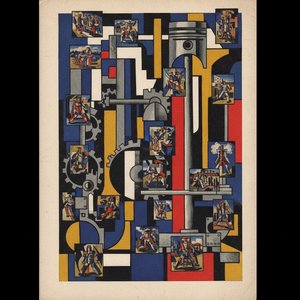
Fernand Léger's *Composition*, painted in 1920, is a pivotal work embodying the dynamism and spirit of post-World War I modernism. Measuring 60 x 73 cm and currently housed at the Kimbell Art Museum in Fort Worth, Texas, this oil on canvas painting isn’t merely an aesthetic statement; it's a visual manifesto reflecting a world irrevocably changed by technology and conflict.The Machine Age Aesthetic
*Composition* immediately captivates with its fragmented forms and bold geometric shapes. Léger eschews traditional representation, instead constructing a scene from cylinders, cones, and planes – elements directly inspired by the burgeoning industrial landscape. The dominant feature is a large, centrally positioned red and white wheel, appearing to rotate with an almost palpable energy. This isn’t a literal depiction of machinery, but rather its *essence* distilled into pure form. Smaller wheels and fragmented architectural components populate the canvas, creating a sense of depth and rhythmic movement.Symbolism & The Post-War Psyche
The wheel, a recurring motif in Léger’s oeuvre, carries multiple layers of meaning. It symbolizes not only the relentless progress of the machine age but also the cyclical nature of life itself – birth, death, and renewal. Following his harrowing experiences during World War I, Léger found inspiration in the very forces that fueled the conflict. The mechanical forms represent a new order, a potential for rebuilding, and a fascination with the power and precision of technology. The painting can be interpreted as an attempt to reconcile the trauma of war with a hopeful vision of the future.Artistic Influences & Léger’s “Tubism”
Léger's artistic journey was profoundly shaped by his friendship with poet Blaise Cendrars, and their collaborative work – notably the illustrated book *I Have Killed* (1918) – explored themes of fragmentation and modernity. While deeply rooted in Cubism, Léger developed a distinct style often referred to as “Tubism,” characterized by its emphasis on cylindrical forms and simplified shapes. He moved away from the analytical fracturing of Picasso and Braque, embracing a more accessible and visually striking aesthetic. His work also reflects influences from Futurism’s celebration of speed and technology, though tempered with a uniquely French sensibility.Technique & Color Palette
Léger employed oil paint with precision and control, creating smooth surfaces and sharply defined edges. The color palette is bold and deliberately limited – primarily reds, whites, yellows, blues, and blacks – enhancing the painting’s graphic quality and emphasizing its formal structure. The use of contrasting colors creates a sense of vibrancy and energy, drawing the viewer's eye across the canvas. He avoids traditional shading techniques, opting instead for flat planes of color that contribute to the overall sense of abstraction.Historical Context & Legacy
*Composition* stands as a testament to Léger’s contribution to modern art. Created in the aftermath of WWI, it reflects the societal shifts and technological advancements of the era. His emphasis on condensation, variety, and fragmentation paved the way for future generations of artists, influencing movements like Pop Art with its embrace of mass culture and mechanical imagery.For Collectors & Interior Design
This painting’s dynamic composition and striking color palette make it a compelling focal point for any art collection or interior space. A reproduction of *Composition* would lend a sophisticated, modern edge to living rooms, offices, or galleries. Its abstract yet representational quality allows it to complement a wide range of décor styles – from minimalist to eclectic.- Style: Cubism, Modern Art, Tubism
- Subject: Abstract Composition, Industrial Forms
- Materials: Oil on Canvas
- Dimensions: 60 x 73 cm
კითხვები და პასუხები
როგორ ერწყმის მასალა და სტილი ერთმანეთს ნამუშევარში "გამორჩეული"?
"გამორჩეული" შესრულებულია ზეთი ტილოზე-ით, კუბიზმი სტილში.
ვინ არის „გამორჩეული“-ის ავტორი და როდის შეიქმნა იგი?
"გამორჩეული" შექმნილია ფერნანდ ლეგე-ის მიერ 1920 წელს.
ზოგადად, „გამორჩეული“ უფრო ნათელია თუ უფრო მუქი?
ფერნანდ ლეგე-ის „გამორჩეული“-ისთვის დაფიქსირებული მნიშვნელობებია: ნათელი სიკაშკაშე, რბილი განათება განათება.
მხატვრის ბიოგრაფია
ფერნანდ ლეგერი: მანქანური ეპოქის მხატვარი
ფერნანდ ლეგერი, ნამდვილი სახელი ჟოზეფ ფერნან ანრი ლეგერი, დაიბადა 1881 წლის 4 თებერვალს არჟენტანსკოში, საფრანგეთში. მისი ბავშვობა გაატარა ნორმანდიის სოფლის პეიზაჟებში, რაც მის შემდგომ შემოქმედებაში ხშირად მოიხსენიება. მისი მამა მეცხვარე იყო, ხოლო დედა – თავდაყვᱮრებული ქალი, რომელმაც დიდი გავლენა მოახდინა ლეგერის პირველ პერიოდში. თავდაპირველად, ლეგერს ჰქონდა განათლება არქიტექტურაში, თუმცა მალევე გადაინაცვლა მხატვრობისკენ, რაც მისი ცხოვრების მთავარი მიმართულება გახდა. პარიზში ჩასვლის შემდეგ, მან სწავლა დაიწყო დეკორატიული ხელოვნების სკოლაში და მოგვიანებით, ცდილობდა ჩასვეს ბიელინის აკადემიაში, თუმცა უშედეგოდ. ამ პერიოდში მან მუშაობა დაიწყო არქიტექტურულ დრაფტთან, რაც მნიშვნელოვანი გამოცდილება აღმოჩნდა მისი შემდგომი კარიერისთვის.კუბიზმის განვითარება და "ტურბიზმი"
XX საუკუნის დასაწყისი საფრანგეთისთვის რთული პერიოდი იყო – სწორედ მაშინ დაიწყო კუბიზმის წარმოშობა, რომელიც რადიკალურად შეცვალა ხელოვნების მსვლელობა. პოლ სეზანის შემოქმედების ნახვის შემდეგ ლეგერის ცხოვრებაში დიდი ცვლილება მოხდა. სეზანის გეომეტრიული ფორმებისა და ობიექტების ანალიზი მისმა მიერ ხელოვნების აღქმასაც შეუცვალა. ლეგერი აქტიურად ჩართულა კუბისტური მოძრაობაში, თუმცა მან საკუთარი, უნიკალური სტილი შექმნა, რომელიც კრიტიკოსებმა "ტურბიზმად" назвали. "ტურბიზმი" ხასიათდება ცილინდრულ ფორმებით, გაფანტული სივრცეებით და მკაფიო ფერების კონტრასტებით. ეს სტილი მანქანების ესთეტიკას ასახავს და წარმოადგენს ლეგერის შემოქმედების ერთ-ერთ მთავარ ნიშანს. 1909 წელს, მონპარნასში სტუდიის გაქირავებამ მას საშუალება მისცა გაიცნო სხვა მნიშვნელოვანი მხატვრები, როგორებიც არიან ალექსანდრე არჩიპენკო, ჟაკ ლიპიციცი და რობერტ დელონე. "ოქროს განყოფილებაში" (Section d'Or) მისი მონაწილეობა კიდევ უფრო გა deepened his exploration of mathematical principles in art.პირველი მსოფლიო ომი და მექანიზაციის აღნიშვნა
პირველი მსოფლიო ომი ლეგერის ცხოვრებაში ტრაგიკული მოვლენა იყო, თუმცა მან მასზე შემოქმედებითი გავლენაც იქონია. მilitარებაში მომუშავე პერიოდისას მან უამრავ ჩანაწერს დახატა სამხედრო ტექნიკის შესახებ, რაც მის შემდგომ მუშაობაში გამოიხატება. ომის შემდეგ ლეგერის სტილი კიდევ უფრო გამარკვიათ და მანქანებისადმი მისი სიმპათია უფრო მკაფიო გახდა. მისი ტილოები ხასიათდება 단순화ებული ფორმებით, მკაფიო კონტურებით და ფერადი პლასტიკით, რაც მანქანების დინამიკასა და ეფექტურობას ასახავს. "სოლჯატი მუნთაში" (Soldier with a Pipe) მისი ამ პერიოდის ერთ-ერთი გამორჩეული ნაწარმოებია, რომელიც წარმოადგენს მექანიკური სიზუსტის სიმბოლურ გამოხატვას.შემდგომი შემოქმედება და მემკვიდრეობა
ომის შემდეგ ლეგერი განაგრძო ექსპერიმენტები სხვადასხვა სახის ხელოვნების დარგში, მათ შორის სკულპტურისა და κινηოქინოსტან. მისმა "საზოგადოებრივი ნოველების" (Paysages animés) სერიამ გააერთიანა ადამიანური ფიგურები და მანქანები ჰარმონიულ კომპოზიციაში, რაც წარმოადგენს ორგანული და არავარგის ფორმების შერწყმას. ფერნანდ ლეგერის შემოქმედება მნიშვნელოვანი წინაპირობა იყო პოპ-არტის განვითარებისთვის. მისი გავლენა იგრძნობა როი ლიხტენშტეინისა და ენდი უორჰოლის შემოქმედებაში. ლეგერი იყო ისტორიაში გამორჩეული მხატვარი, რომელმაც მანქანების ეპოქას თავისი ხელოვნებით უნიკალური სახე მისცა. მისი ნამუშევრები დღესდღეობით მსოფლიოს წამყვან მუზეუმებშია განთავსებული და წარმოადგენს თანამედროვე ხელოვნების ერთ-ერთ ყველაზე მნიშვნელოვან ძეგლს. მისი მემკვიდრეობა არის არა მხოლოდ მხატვრის სახელი, არამედ თანამედროვეობის პროფეტის ტიტული.
ფერნანდ ლეგე
1881 - 1955 , საფრანგეთი
მოკლე ფაქტები
- Artistic Movement Or Style: კუბიზმი, ტუბიზმი
- Artists Or Movements Influenced By This Artist: ['Pop Art']
- Artists Who Influenced This Artist: ['პოლ სეზანი']
- Date Of Birth: 1881 წლის 4 თებერვალი
- Date Of Death: 1955 წლის 17 აგვისტო
- Full Name: ფერნანდ ლეგე
- Nationality: საფრანგეთი
- Notable Artworks:
- The Sitted Woman
- Machine Element
- The Great Parade
- The City
- Place Of Birth: არგენტანი, საფრანგო
მსგავსი სტატიები
ფერნანდ λεჟეს 25 საუკეთესო შედევრი: ხელოვნების ისტორია თქვენს სახლში | OriginalUniqueArt
გაიცანით ფერნანდ λεჟეს 25 საუკეთესო შედევრი! კუბიზმის, ტუბიზმის და თანამედროვე ხელოვნების ისტორია. ნახატების რესპროდუქციები თქვენი სახლისთვის OriginalUniqueArt-ზე. აღმოაჩინეთ ლეგერის გამოსახულებები ონლაინ!

Modern Geometry & Machine Age Beauty: A Collector's Guide to the Cubist Vision of Fernand Léger
Explore the profound geometric mastery of Fernand Léger. Discover how his 'Tubism' and Machine Age aesthetics redefined modern art, offering timeless inspiration for discerning collectors seeking to integrate Cubist dynamism into sophisticated contemporary interiors.

The Enduring Legacy of Oil on Canvas: Technique, History & Aesthetic Impact
Explore the rich history & techniques of oil painting – from Renaissance masters to Impressionism. Discover pigments, layering methods, and why this timeless medium endures. Expert insights for artists & art enthusiasts.
Industrial Revolution on Canvas: 10 Artworks That Define a Modern Aesthetic
Explore 10 iconic artworks capturing the Industrial Revolution’s grit & beauty. From Monet to Manet, discover realism, impressionism & powerful scenes of urban life. Find museum-quality reproductions for your home at OriginalUniqueArt.com.

Oil on Canvas: A Historical & Technical Exploration of a Timeless Artistic Medium
Explore the rich history & enduring techniques of oil painting on canvas. Discover the science behind its longevity, conservation practices, and contemporary relevance. Expert insights for art enthusiasts.


