
 წინასწარი ნახვა
 გაგზავნა
 გაზიარება
 დეტალები
 გზამკვლევი

 ჩამოტვირთვა
 მსგავსები
 რენტგენოგრაფიული კვლევა
 სლაიდშოუ
 კითხვა-პასუხი
 სტატისტიკა
Forest Stream


 გააგრძელეთ კითხვა
მიიღეთ ბეჭდვისთვის გამზადებული ფაილი, რომლის ხარისხიც ბევრად აღემატება ვებ-პრევიუსს. ჩვენს ბაზაში არსებული ყველა ციფრული გამოსახულება ეყრდნობა მაღალი რეზოლუციის ორიგინალს — როგორც წესი, 5,000-დან 15,000 პიქსელამდე სიგანის — რაც საშუალებას გაძლევთ, თავდაჯერებულად დაამბოროთ დიდი ზომის ბეჭდვა, მოახდინოთ ფრაგმენტის მჭიდროდ გამოჭრა ან აღადგინოთ ნატიფი დეტალები.
ჩვენს სტუდიაში არცერთი ფაილი შეუმჩნევლად არ რჩება. ციფრული ექსპერტი ადარებს ფერებს ორიგინალ ნახატს და საჭიროების შემთხვევაში ასწორებს მათ, შემდეგ კი პროფესიონალური რეტუშირების ინსტრუმენტებით აუმჯობესებს სიცხადესა და დეტალიზაციას — ყოველთვის ოსტატის ფუნჯის მონაკვეთებისა და სტილის ერთგულებით. შედეგი არის გამოსახულება, რომელიც ნამდვილ ნახატს ჰგავს და არა ფილტრებულ სკანირებას.
თქვენ აკონტროლებთ პროცესს მის დასრულებამდე: ჩვენი ექსპერტი 72 საათის განმავლობაში გამოგიგზავნით გამოსახულებას ელექტრონული ფოსტით გადასასინჯად. არ დაკმაყოფილებული? მოითხოვეთ ცვლილებები ან შესწორებები, ან მოითხოვეთ თანხის დაბრუნება, თუ ხარისხი თქვენს მოლოდინს ვერ შეესაბამება.
ეს არის ხარისხი, რომელსაც ენდობიან გამომცემლობები, დიზაინ სტუდიები, გალერეები და அச்சგამოცემები.
ციფრული გამოსახულება
ჩამოტვირთეთ მაღალი გარჩევადობის ფაილი პირადი გამოყენებისთვის, დასაბეჭდად და შემოქმედებითი პროექტებისთვის. ( ბეჭდვის რეჟიმზე გადართვა შეიძინეთ ხელით შესრულებული ნახატი)
ყოველ ციფრულ გამოსახულების შეკვეთაში შედის
ექსპერტული ციფრული მიწოდების გარანტია
როდესაც ირჩევთ OriginalUniqueArt.com-ს, თქვენ მხოლოდ სურათს კი არ იღებთ, არამედ იღებთ პროფესიონალურად დამუშავებულ ციფრულ ნამუშევარს, რომელიც შექმნილია უზადო სიზუსტით და დაცულია კმაყოფილების გარანტიით. თქვენს შეკვეთას ავტომატურად მოჰყვება შემდეგი:

სწრაფი ელექტრონული მიწოდება
თქვენს მაღალი რეზოლუციის ციფრულ გამოსახულებას შეკვეთის დაწყებიდან 72 საათში ელექტრონული ფოსტით მიიღებთ — ის მზად იქნება დაუყოვნებლივი გამოყენებისთვის.

ხელოვნური ინტელექტით გაუმჯობესებული ციფრული გამოსახულება
თქვენი ხელოვნების ნიმუშები პროფესიონალურად არის ოპტიმიზებული მოწინავე AI ინსტრუმენტებისა და მექანიკური რედაქტირების მეშვეობით, რაც უზრუნველყოფს მაქსიმალურ დეტალიზაციას, სიცხადესა და ფერების სიზუსტეს.

ციფრული გამოსახულებების უფასო სამუდამო ხელახალი მიღება
ფაილი შემთხვევით წაიშალა ან დაკარგეთ? ნუបედავთ — ჩვენ მას ნებისმიერ დროს, უფასოდ ხელახლა გამოგეგზავნით.

იმპორტის გადასახადების გარეშე — ყოველთვის
ჭიდად ისიამოვნეთ თქვენი ნამუშევრით მყისიერად, საბაჟო გადასახადის, მოსაკრებლის ან მიწოდების ხარჯის გარეშე - ციფრული ჩამტვირთვისას ყოველთვის საგადასახადო თავისუფლებაა.

ფერების სიზუსტის გარანტია
პროფესიონალური ინსტრუმენტებისა და ფერების მართვის სისტემის გამოყენებით, ჩვენ უზრუნველყოფთ, რომ თქვენი ციფრული გამოსახულება მაქსიმალურად ზუსტად ასახავდეს ორიგინალურ ფერებს.

კმაყოფილების 100-დღიანი გარანტია
თუ თქვენ არ დაკმაყოფილებული ხართ თქვენი ციფრული გამოსახულებით, ჩვენ შევიტანთ მასში ცვლილებებს ან დაგიბრუნებთ 100% თანხას 100 დღის განმავლობაში — ყოველგვარი კითხვის დასმევის გარეშე.

100% თანხის დაბრუნების გარანტია
არ არის კმაყოფილი? მიიღეთ თანხის სრული დაბრუნება ციფრული ფაილის მიღებიდან 100 დღის განმავლობაში — ყოველგვარი დამატებითი კითხვების გარეშე.

ფასდაკლება დიდი რაოდენობით შეკვეთაზე
შეიძინეთ 3 გამოსახულება და მიიღეთ 10% ფასდაკლება - შეიძინეთ 5 და მიიღეთ 15% ფასდაკლება - შეიძინეთ 10+-ზე და მიიღეთ 20% ფასდაკლება. იდეალურია კრეატიული პროექტებისთვის, გალერეებისა და სააგენტოებისთვის.
Ferdinand Hodler's "Forest Stream": A Symphony of Symbolism and Light
Ferdinand Hodler’s “Forest Stream” is more than just a depiction of a Swiss landscape; it’s an immersion into the artist’s deeply felt contemplation of life, loss, and the enduring beauty of nature. Painted in 1916, this work exemplifies Hodler's pivotal role within the Symbolist movement, showcasing his ability to translate profound emotional states onto canvas through meticulously crafted brushstrokes and a carefully considered color palette. The scene unfolds with a quiet intensity – a rocky stream bed winding its way towards a distant mountain range beneath a softly clouded sky. It’s a landscape imbued with a sense of melancholy beauty, reflecting the artist's personal history marked by early tragedy.
Post-Impressionist Technique and Impasto Texture
- Brushwork: Hodler employs a distinctive technique characterized by short, broken strokes – a hallmark of Post-Impressionism. These lines aren’t merely descriptive; they actively build texture, creating a palpable surface that invites the viewer to almost feel the roughness of the rocks and the flow of the water.
- Impasto: The artist utilizes thick applications of paint, or impasto, particularly in areas like the foreground rocks and vegetation. This technique dramatically enhances the three-dimensionality of the scene, adding a dynamic energy that contrasts with the overall sense of stillness.
- Color Palette: Hodler’s color choices are both vibrant and subtly muted. Warm tones dominate – ochres, browns, and greens representing the earth and foliage – juxtaposed against cooler blues and grays in the sky and mountains. This contrast isn't jarring but rather creates a harmonious balance, reflecting the artist’s desire to capture not just what he saw, but how he *felt* about it.
Symbolic Resonance: Mortality and Nature’s Embrace
The painting’s symbolism is deeply rooted in Hodler's personal experiences. The stream itself can be interpreted as a metaphor for the passage of time, while the mountains represent enduring strength and resilience. Given Hodler’s early life marked by loss – the deaths of his father and brothers – the scene resonates with themes of mortality and acceptance. Nature becomes not just a subject but a source of solace and contemplation, offering a space for reflection on the ephemeral nature of existence. The diffused lighting further contributes to this mood, suggesting an overcast day that amplifies the sense of quiet introspection.
Art Nouveau Influences and Hodler’s Legacy
"Forest Stream at Champery," (as seen in a related work by Hodler) demonstrates his engagement with Art Nouveau aesthetics. The flowing lines, organic forms, and emphasis on decorative elements align with the movement's core principles. Hodler’s influence extends beyond Switzerland; his unique style paved the way for future generations of landscape artists who sought to capture not just visual reality but also emotional truth. His work continues to resonate today, offering a timeless meditation on beauty, loss, and the profound connection between humanity and the natural world.
Artist: Ferdinand Hodler Birth Year: 1853 Death Year: 1918კითხვები და პასუხები
რა ფსევდონიმებით ან ალტერნატიული სახელებით არის ცნობილი ფერდინანდ ჰოდლერი?
„Forest Stream“-ის ავტორის, ფერდინანდ ჰოდლერი, სხვა 알려ებული სახელები მოიცავს: იოჰანეს ფერდინანდ ჰოდლერი.
რა ფერების პალიტრას იყენებს "Forest Stream"?
ფერდინანდ ჰოდლერი-ის „Forest Stream“-ის პალიტრა აღწერილია, როგორც Earthy. ეს არის ნამუშევრის ფერების კომპაქტური აღწერა.
რა ეპოქაში შეიქმნა ფერდინანდ ჰოდლერი-ის „Forest Stream“?
"Forest Stream" 19th Century ეპოქას მიეკუთვნება.
მხატვრის ბიოგრაფია
The Architecture of Mortality
Born in Bern, Switzerland, in 1853, Ferdinand Hodler’s early years were defined by a quiet, persistent grief. Before he reached adolescence, the tuberculosis that claimed his father and two younger brothers left a void in his household. This early encounter with loss became a recurring motif in his work, a shadow that would follow him from the modest beginnings of his apprenticeship to the heights of his professional career. He began his training as a decorative painter, assisting his stepfather with commercial sign-work, a practical education that instilled in him a precise command of line and form. This foundation in craftsmanship provided the technical rigor that would later support his more complex philosophical inquiries.
His move to Geneva in 1871 marked a departure from the commercial demands of his youth. In the city, he sought a more profound engagement with art, attending science lectures and copying the works of masters in the local museum. It was here that he began to move away from the meticulous realism of his early landscapes and portraits. He was no longer content to merely replicate the scenery of the Swiss Alps or the likeness of a sitter; he sought to capture the underlying rhythms of existence. This transition from the objective to the subjective would eventually lead him to develop a visual language entirely his own.
The Logic of Parallelism
Hodler’s most significant contribution to the evolution of modern painting was his theory of parallelism. This was not merely a compositional technique but a way of seeing the world as a series of interconnected, rhythmic patterns. He observed how forms in nature—the slope of a mountain, the curve of a human limb, or the reflection in water—often mirrored one another in a structured, geometric harmony. By arranging figures and landscape elements in these repetitive, rhythmic cadences, he attempted to depict the structural order he believed governed the natural world. This approach allowed him to bridge the gap between the physical reality of a scene and the emotional state of the observer.
His work often occupied the space between Symbolism and a more structured, modern sensibility. In works such as The Night, completed in 1890, he explored themes of repose and mortality through recumbent figures, a subject that challenged the prevailing tastes of the time. His ability to blend classical form with a modern, almost structural intensity is evident in Truth II (1897). He did not rely on the chaotic brushwork of his contemporaries; instead, he used a deliberate, often muted palette of ochres, browns, and greens to create a sense of permanence and weight. His canvases were not mere windows into a scene, but organized environments where the human spirit and the landscape were bound together by a shared geometry.
A Life in Landscapes
The Swiss landscape remained a constant presence in his oeuvre, particularly the grandeur of the Alps. He viewed these mountains not just as topographical features, but as spiritual entities. His depictions of the Eiger, Monch, and Jungfrau, or the views from the Dents du Midi, reflect a desire to translate the scale of the mountains into a language of emotional resonance. He often utilized a layering process, applying thin washes of color over thicker impasto to achieve a specific luminosity, particularly in his later studies of light over Lake Geneva. These works demonstrate a mastery of atmosphere, capturing the hazy, ethereal quality of Alpine light without sacrificing the structural integrity of the terrain.
By the time of his death in Geneva in 1918, Hodler had established himself as a central figure in Swiss art history. His influence can be seen in the development of Expressionism, as his emphasis on subjective emotion and rhythmic form provided a foundation for those who sought to move beyond traditional representation. He remained a painter of profound psychological depth, using the tools of his craft to confront the fundamental questions of life and death. His legacy is found in the way he forced the viewer to look past the surface of the world to find the silent, repeating patterns that hold it together.
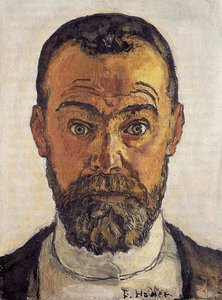
ფერდინანდ ჰოდლერი
1853 - 1918 , შვეიცარია
მოკლე ინფორმაცია
- Artistic Movement Or Style: სიმბოლიზმი, პარალელიზმი, რეალიზმი
- Artists Or Movements Influenced By This Artist: ['ექსპრესონიზმი']
- Artists Who Influenced This Artist:
- ალექსანდრე კალამე
- დიურერი
- გუსტავ კორბე
- ჰანს ჰოლბაინი
- ტიციანი
- პუსინი
- ველასკესი
- ბარტელემი მენი
- Date Of Birth: 1853
- Date Of Death: 1918
- Full Name: ფერდინანდ ჰოდლერი
- Nationality: შვეიცარიელი
- Notable Artworks:
- ღამე
- დღე
- სიმართლე II
- პოეზია
- Place Of Birth: ბერნი, შვეიცარია