

 ნახვა ინტერьерში
 გაგზავნა
 გაზიარება
 დეტალები
 გზამკვლევი

 ჩამოტვირთვა
 მსგავსები
 რენტგენოგრაფიული კვლევა
 სლაიდშოუ
 სტატისტიკა
Still Life


 სრული ტექსტის ნახვა
ხელით შესრულებული ზეთის საღებავით რეპროდუქცია
ტილოზე შესრულებული ფერწერიანი ზეთប្រდათი, თქვენთვის სასურველი ზომისა და ჩარჩოსთვის, ჩვენი ხელოვანების მიერ შეკვეთის საფუძველზე დამზადებული. ( გადართვა ბეჭდვის რეჟიმზე გადასვლა ციფრულ გამოსახულებაზე)




P118B ₾10

P118H ₾10

P118W ₾10

P438Z ₾10

P508JH ₾12

P508YH ₾12

P805H ₾10

P805Z ₾10

P919BZ ₾10

P919G ₾10

P919XJ ₾10

P959ZH ₾10

P968JZ ₾12

W106C ₾8

W218G ₾10

W218JH ₾8

W218Y ₾10

W307PJ ₾10

W316G ₾10

W316PJ ₾8

W316Y ₾10

W398PJ ₾8

W4111J ₾10

W500HY ₾15

W500JH ₾15

W692G ₾12

W849H ₾8

W940BG ₾15

W953PJ ₾8




აირჩიეთ ჩვენს მიერ წინასწარ განსაზღვრული ზომებიდან, რომლებიც ნაწარმოების ორიგინალურ პროპორციებს შეესაბამება.

შეიყვანეთ თქვენთვის საჭირო სიგანე და სიმაღლე, რათა ნახატი მოერგოს თქვენს ჩარჩოს ან კედელს. ვინაიდან ეს ნამუშევარი ხელით არის შესრულებული, სხვა ფორმის ზომის შემთხვევაში, მხატვარმა შესაძლოა სურათის გარშემო ოდნავ მეტი დატოვოს ან შეამციროს — არჩევანი თქვენზეა. დაწყებამდე, დასამტკიცებლად, ჩვენ გამოგიგზავნით ციფრულ მაკეტს. ამ გვერდზე ნაჩვენები სურათი არ ასახავს რეალურ შედეგს — რეალური სახე მხოლოდ მაკეტზე ჩანს.
შეკვეთის შემდეგ, OriginalUniqueArt.com გუნდი დაგიკავშირდებათ ელექტრონული ფოსტით ინსტრუქციებისთვის და გამოგიგზავნით წინასწარ ნახაზს (mockup).
მიწოდება მსოფლიო მასშტაბით -ში 3/4 კვირაში, სტანდარტული 5 კვირის ნაცვლად. (22 ოქტომბერი). ხარისხზე კომპრომისის გაკეთება არ მოხდება.

უფასო ექსპრეს მიწოდება მთელ მსოფლიოში

მაღალი ხარისხის ტილო

ტრანსპორტირების სრული დაზღვევა

საბაჟო გადასახადების დაბრუნების გარანტია

ფერების სრული შესაბამისობის გარანტია

დაბრუნების 100-დღიანი პერიოდი (მხოლოდ წარმოების დეფექტის შემთხვევაში)

100% თანხის სრული დაბრუნების გარანტია

ფასდაკლება დიდი რაოდენობით შეკვეთისას
 მინის ჩარჩოს არჩევანი ხელმისაწვდომია მხოლოდ 110 სმ-მდე ზომისთვის

Still Life
რეპროდუქციის ტექნიკა
რეპროდუქციის ზომა
-


ჯამური ღირებულება
₾ 784
A Moment Frozen in Time: Ferdinand Guillaimin’s “Still Life”
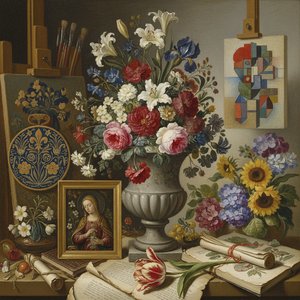
Ferdinand Guillaimin's "Still Life," painted in 1872, isn’t merely a depiction of objects arranged on a table; it’s a carefully constructed tableau brimming with quiet observation and subtle symbolism. This work, rendered in the heart of the Impressionist movement, captures a fleeting moment of domestic tranquility – a scene both familiar and imbued with an understated elegance. The painting immediately draws the eye to the central arrangement: a vase overflowing with vibrant red and yellow flowers, their petals seemingly caught mid-bloom, radiating warmth against the cooler tones that dominate the rest of the composition. Beside them rests a worn book, its pages hinting at untold stories and intellectual pursuits, while a simple bowl holds what appears to be fruit – perhaps apples or pears – adding another layer of earthly abundance.
Guillaimin’s technique is distinctly Impressionistic, prioritizing capturing the *impression* of light and color rather than precise detail. Loose brushstrokes dance across the canvas, creating an atmospheric haze that softens the edges of each object. He masterfully employs broken color – applying small dabs of paint side-by-side to build up hues and create a shimmering effect, particularly noticeable in the reflections on the table’s surface. The dark background serves not as mere backdrop but as a crucial element, intensifying the luminosity of the floral arrangement and lending the scene a sense of intimacy and depth. The artist's focus is less on photographic realism and more on conveying the *feeling* of being present within this quiet space.
The Context of Parisian Impressionism
To fully appreciate “Still Life,” it’s essential to understand the artistic climate in which Guillaimin was working. The 1870s were a period of profound change and experimentation for French art, marked by the rise of Impressionism. Artists like Monet, Renoir, and Pissarro sought to break free from the rigid conventions of academic painting, embracing plein air (outdoor) painting and capturing the ephemeral qualities of light and atmosphere. Guillaimin’s work reflects this spirit of innovation, moving away from traditional subject matter and exploring new ways of representing the world around him.
Guillaimin's connection to Pissarro is particularly noteworthy. The artist spent a significant period painting alongside Pissarro in Pontoise, a suburb of Paris, where he found inspiration in the everyday life of the region. This proximity fostered a collaborative environment, allowing Guillaimin to refine his style and develop his unique approach to capturing light and color. The Impressionists were not simply interested in depicting what they *saw*; they were driven by a desire to express their subjective experience of the world.
Symbolism and the Language of Objects
Beyond its aesthetic qualities, “Still Life” is rich with symbolic meaning. The flowers themselves represent beauty, fragility, and the fleeting nature of life – themes frequently explored in Impressionist art. The book suggests knowledge, contemplation, and a connection to the past. The bowl of fruit symbolizes abundance, nourishment, and the pleasures of earthly existence. Even the dark background can be interpreted as representing mortality or the unknown.
Guillaimin’s use of these objects is deliberate and carefully considered, inviting the viewer to engage in a process of interpretation. He doesn't offer explicit explanations; instead, he presents a series of interconnected symbols that resonate with universal themes of beauty, life, and death. The arrangement feels deliberately balanced, creating a harmonious composition that evokes a sense of peace and serenity.
A Legacy of Delicate Beauty
Ferdinand Guillaimin’s “Still Life” stands as a testament to the power of observation and the enduring appeal of simple subjects rendered with exquisite sensitivity. It's a painting that rewards close attention, revealing layers of meaning and emotional depth with each viewing. Reproductions capture much of the original atmosphere, but nothing quite replicates the subtle nuances of light and color that define Guillaimin’s masterful technique.
Today, this work is celebrated for its evocative beauty and its contribution to the development of Impressionism. It remains a poignant reminder of the quiet moments of everyday life – a timeless meditation on beauty, mortality, and the enduring power of art.
კითხვები და პასუხები
რა ფერებს იყენებს "Still Life"?
ფერდინანდ გიიომენი-ის „Still Life“ იყენებს Earthy ფერების პალიტრას. ეს პალიტრა ასკლერავს ნამუშევრის საერთო ფეროვან ხასიათს.
არსებობს თუ არა მსგავსი ნამუშევრები, როგორც "Still Life"?
ფერდინანდ გიიომენი-ის „Still Life“-ის მსგავსი ნამუშევრები გვერდი წარმოგიდგენთ მსგავს ნამუშევრებს.
ვინ შექმნა "Still Life" და როდის?
„Still Life“-ის ავტორია ფერდინანდ გიიომენი, ნამუშევარი კი 1872 წელს არის შექმნილი.
მხატვრის ბიოგრაფია
ადრეული ცხოვრება და კარიერა
ფერდინან გიჟომენი, ფრანგი იმპრესიონისტი ფერწერელი და ლითოგრაფი, 1841 წლის 16 თებერვალს დაიბადა. მისი შემოქმედებითი გზა მე-19 საუკუნის შუა წლებში დაიწყო, იმ პერიოდში, როდესაც საფრანგეთში იმპრესიზმი სულ უფრო მეტ ძალას იძენდა.წვლილი იმპრესიზმში
გიჟომენის შემოქმედება მნიშვნელოვან წვლილს შეიტანა იმპრესიზმის განვითარებაში — ხელოვნების ამ მიმდევრობაში, რომელიც მიზნად ისახავდა ბუნებრივ სამყაროში სინათლისა და ფერების წარმავალი შთაბეჭდილებების დაფიქსირებას. როგორც ამ ჯგუფის აქტიური წევრი, იგი მონაწილეობდა მრავალ გამოფენაში, სადაც თავის უნიკალურ სტილს წარმოაჩენდა.- მისი ტილოები ხშირად ასახავდა სიზმრისეულ, რბილ პეიზაჟებს, რაც სრულად ეხმიანებოდა იმპრესონიზმის სულს.
- გიჟომენის მიერ მკვეთტი ფერებისა და თავისუფალი ფუნჯის მონახაზების გამოყენება კიდევ უფრო ამძაფრებდა ამ მიმდევრობისთვის დამახასიათებელ სპონტანურობას.
გამორჩეული ნამუშევრები და კავშირები
მაუნთ ჰოლიოკ კოლეჯის ხელოვნების მუზეუმი, რომელიც თავად ითავსებს ხელოვნების შთამბეჭდავ კოლექციას, მათ შორის გიჟომენის ნამუშევრებსაც, არის მნიშვნელოვანი ინსტიტუცია, რომელმაც დიდი როლი ითამაშა მისი მემკვიდრეობის შენარჩუნებაში.- კლოდ მონე, კიდევ ერთი გამორჩეული იმპრესიონისტი ფერწერელი, გიჟომენის ახლო კოლეგა იყო და ორივე მხარე ხშირად ერთობლივად აჩვენებდა თავიანთ ნამუშევრებს.
- გიჟომენის სტილში ასევე იგრძნობა სიმბოლიზმის გავლენა — მიმდევრობისა, რომელიც ხაზს უსვამდა სიზმრებისა და მისტიციზმის სამყაროს, რაც დასმოწმებად არის მისი თამამი ფერები და ემოციური სუბიექტები.
მემკვიდრეობა და ხსოვნა
ფერდინან გიჟომენი 1927 წლის 26 ივნისს გარდაიცვალა, თუმცა მისი წვლილი იმპრესიზმში უძლებელი რჩება. მისი ნამუშევრები ხელმისაწვდომია სხვადასხვა მუზეუმსა და კოლექციაში, მათ შორის მაუნთ ჰოლიოკ კოლეჯის ხელოვნების მუზეუმში (აშშ) და სხვა ცნობილ ინსტიტუციებში. აღმოაჩინეთ მეტი გიჟომენის შემოქმედებიდან და იმპრესიზმის შესახებ OriginalUniqueArt-ზე: ფერდინან გიჟომენი | 3 ნამუშევარი იმპრესიზმის ხელოვნების მიმდევრობა
ფერდინანდ გიიომენი
1841 - 1927 , საფრანგეთი
მოკლე ფაქტები
- Artistic Movement Or Style: იმპრესიონიზმი
- Artists Or Movements Influenced By This Artist: ['კლოდ მონე']
- Artists Who Influenced This Artist:
- ვინსენტ ვან გოგი
- პოლ სეზანი
- კამილ პისარო
- Date Of Birth: 16 თებერვალი, 1841
- Date Of Death: 26 ივნისი, 1927
- Full Name: ჟან ბაპტი strictest არმან გიიომი
- Nationality: ფრანგი
- Notable Artworks:
- ბაღი ჟანვილში ივნისში
- მდინარის სცენა
- პი დომის ხედი
- Place Of Birth: პარიზი, საფრანგეთი
მსგავსი სტატიები

Blossoms of Time: A Historical Journey Through Flower Painting
Explore the captivating history of flower painting! Discover Dutch masters, symbolic meanings, & botanical art. Expert insights & high-quality reproductions at OriginalUniqueArt.
Blossoming Symbolism: A Historical Journey Through Flowers in Western Painting
Explore the rich history of flower symbolism in Western painting! Discover how artists from the Renaissance to Modernism used blossoms to convey meaning, emotion & beauty. Learn about iconic artworks and movements.

Impressionism's Masterpieces: 10 Paintings That Defined a Movement | OriginalUniqueArt
Journey through Impressionism's heart with 10 iconic paintings by Monet, Renoir & Degas. Explore light, color & the stories behind these masterpieces. Find museum-quality art reproductions and elevate your home decor on OriginalUniqueArt.com.

Silent Narratives: Exploring the Enduring Appeal of Still Life Painting Across Centuries
Explore the rich history of still life painting with OriginalUniqueArt. Discover Dutch Masters, decode vanitas symbolism & learn about collecting timeless art. Expert insights and museum-quality reproductions.

პოლ სეზანის 25 შედევრი: ხელოვნების ისტორიაში გამორჩეული ნაწარმოებები | OriginalUniqueArt.com
აღმოაჩინეთ პოლ სეზანის 25 გამორჩეული შედევრი! იმპრესიონიზმი, პოსტიმპრესიონიზმი და კუბიზმის წინასწარმეტყველი. ნახატების ისტორია, ტექნიკა და შთაგონება OriginalUniqueArt.com-ზე. 🖼️ ხელოვნების ბეჭვრა მუზეუმის ხარისხით.