
 ნახვა ინტერьерში
 გაგზავნა
 გაზიარება
 დეტალები
 გზამკვლევი

 ჩამოტვირთვა
 მსგავსები
 რენტგენოგრაფიული კვლევა
 სლაიდშოუ
 კითხვა-პასუხი
 სტატისტიკა
Road at St Paul (Var)


 სრული ტექსტის ნახვა
გიკლე / ხელოვნების პრინტი
მუზეუმის დონის ჟიკლე ან ტილოზე ბეჭდვა სწრაფი წარმოებისა და დასრულების მოქნილი ვარიანტებით. ( შეიძინეთ ხელით შესრულებული ნახატი გადასვლა ციფრულ გამოსახულებაზე)




P118B ₾10

P118H ₾10

P118W ₾10

P438Z ₾10

P508JH ₾12

P508YH ₾12

P805H ₾10

P805Z ₾10

P919BZ ₾10

P919G ₾10

P919XJ ₾10

P959ZH ₾10

P968JZ ₾12

W106C ₾8

W218G ₾10

W218JH ₾8

W218Y ₾10

W307PJ ₾10

W316G ₾10

W316PJ ₾8

W316Y ₾10

W398PJ ₾8

W4111J ₾10

W500HY ₾15

W500JH ₾15

W692G ₾12

W849H ₾8

W940BG ₾15

W953PJ ₾8




აირჩიეთ ჩვენს მიერ წინასწარ განსაზღვრული ზომებიდან, რომლებიც ნაწარმოების ორიგინალურ პროპორციებს შეესაბამება.

შეიყვანეთ თქვენთვის საჭირო სიგანე და სიმაღლე, რათა იგი მოერგოს თქვენს ჩარჩოს ან კედელს. ბეჭდვისას შესაძლებელია მხოლოდ მისი შემცირება და არა გაზრდა, ამიტომ სხვა ფორმის ზომის შემთხვევაში გამოსახულება ნაწილობრივ იკარგება. სანამ რაიმეს დაბეჭდავთ, ჩვენ გამოგიგზავნით ციფრულ მაკეტს დასდასტურებლად. ამ გვერდზე ნაჩვენები სურათი არ ასახავს რეალურ ჭრას — ამას მხოლოდ მაკეტი გვიჩვენებს.
მიწოდება მთელ მსოფლიოში () 2 კვირაში, სტანდარტული 4/5 კვირის ნაცვლად. (4 ნოემბერი)

უფასო ექსპრეს მიწოდება მთელ მსოფლიოში

მაღალი ხარისხის ტილო

ტრანსპორტირების სრული დაზღვევა

საბაჟო გადასახადების დაბრუნების გარანტია

ფერების სრული შესაბამისობის გარანტია

დაბრუნების 100-დღიანი პერიოდი (მხოლოდ წარმოების დეფექტის შემთხვევაში)

100% თანხის სრული დაბრუნების გარანტია

ფასდაკლება დიდი რაოდენობით შეკვეთისას
 მინის ჩარჩოს არჩევანი ხელმისაწვდომია მხოლოდ 110 სმ-მდე ზომისთვის

Road at St Paul (Var)
გიკლე / ხელოვნების პრინტი
რეპროდუქციის ზომა
-


ჯამური ღირებულება
₾ 211
A Moment Frozen in Time: Exploring Félix Vallotton’s “Road at St Paul (Var)”
Félix Vallotton's "Road at St Paul (Var)," painted in 1922, is more than just a depiction of a rural scene; it’s a carefully constructed tableau brimming with quiet observation and an understated elegance. Housed within the Tate Gallery in London, this oil on canvas invites us into a fleeting moment, capturing not just the visual elements but also a palpable sense of atmosphere and human presence. The painting immediately draws the eye to a woman walking down a sun-drenched road, her figure rendered with Vallotton’s signature simplicity – a deliberate rejection of overly detailed realism in favor of suggestive forms and luminous color.
Vallotton, a pivotal figure within the *Nabi* movement, approached art with a unique sensibility. Initially trained in classical techniques, he ultimately forged his own path, moving away from academic constraints to embrace a more modern aesthetic. His work is characterized by bold colors, flattened perspectives, and an emphasis on capturing the essence of a subject rather than its literal representation. “Road at St Paul (Var)” exemplifies this approach perfectly; the landscape isn’t meticulously rendered but presented as a series of carefully chosen hues and shapes that evoke a specific mood – one of serene tranquility punctuated by subtle hints of activity.
The Language of Color and Light
Vallotton's masterful use of color is central to the painting’s impact. The dominant blues of the woman’s dress and the distant church create a cool, calming backdrop against which the warmer tones of the road and the sky stand out. He employs broken color—small, distinct patches of hue rather than blended shades—to achieve a shimmering effect, mimicking the way light interacts with surfaces. Notice how he uses highlights to draw attention to the woman’s form, while simultaneously softening the edges of the surrounding landscape. This creates a sense of depth and spatial ambiguity, inviting the viewer to contemplate the scene from multiple perspectives.
The lighting is particularly noteworthy. It's not a harsh, direct sunlight but rather a diffused glow that seems to emanate from everywhere at once. This contributes significantly to the painting’s overall mood – one of gentle warmth and quiet contemplation. The sky, rendered in shades of grey and blue, hints at an approaching storm, adding a subtle layer of drama to the otherwise peaceful scene.
A Glimpse into a World of Subtle Interactions
Beyond the central figure, “Road at St Paul (Var)” is populated with a series of secondary figures – men and women walking along the road, a horse-drawn cart in the distance, and a church perched on a hillside. These elements aren’t merely decorative; they subtly enrich the narrative, suggesting a community engaged in everyday life. The painting doesn't offer a clear story but rather invites us to imagine the lives of these individuals, their interactions, and their connection to this particular place.
The church itself is rendered with a certain detachment, almost as if it’s an integral part of the landscape. Its presence anchors the scene while simultaneously hinting at themes of faith, tradition, and perhaps even isolation. The composition—the diagonal line of the road leading towards the distant church—creates a sense of movement and directs our gaze across the canvas.
Owning a Piece of Artistic History
“Road at St Paul (Var)” is a testament to Vallotton’s ability to capture the essence of a moment with remarkable clarity and emotional resonance. OriginalUniqueArt offers meticulously crafted, hand-painted reproductions that faithfully recreate the painting's luminous colors, subtle textures, and evocative atmosphere. These reproductions are not simply prints; they are works of art in their own right, allowing you to bring this iconic image into your home or office and experience its beauty firsthand. Explore our collection at OriginalUniqueArt.com to discover a reproduction that perfectly suits your style and space.
For those seeking further insight, we encourage you to visit the Tate Gallery’s online resources: ‘Road at St Paul (Var)’, Félix Vallotton, 1922 | Tate.
კითხვები და პასუხები
როგორ შემიძლია ფელიქს ვალოტონი-ის „Road at St Paul (Var)“-ის რეპროდუქციის წინასწარი ნახვა?
ფელიქს ვალოტონი-ის „Road at St Paul (Var)“-ის რეპროდუქციის წინასწარი ნახვისთვის, გახსენით ნამუშევრის წინასწარი ნახვა გვერდი.
რა ტექნიკით არის შესრულებული ფელიქს ვალოტონი-ის „Road at St Paul (Var)“?
ფელიქს ვალოტონი-ის „Road at St Paul (Var)“-ის ტექნიკა არის Oil On Canvas. რეპროდუქციების მიზანია ამ ტექნიკის ვიზუალური მხარის ზუსტი გადმოცემა.
სად შემიძლია ვნახო ორიგინალი ფელიქს ვალოტონი-ის „Road at St Paul (Var)“?
ფელიქს ვალოტონი-ის „Road at St Paul (Var)“ წარმოდგენილია Tate Gallery, London, United Kingdom-ში. მუზეუმის აღწერილობა ეხება ორიგინალ ნამუშევარს და არა რეპროდუქციებს.
მხატვრის ბიოგრაფია
ფელიქს ვალოტონის ცხოვრება და სამხატვრო გზა
ფელიქს ედუარდ ვალოტონი, რომელიც 1865 წელს დაიბადა ლოსანაში, შვეიცარიაში, არის მხატვარი, რომლის ნამუშევრები *fin de siècle*-ის ეპოქის რთულ სულისკვეთებას გამოხატავს. მან თავისი გზა გაიარა შვეიცარიული ფესვების და პარიზის ცოცხალ სამხატვრო გარემოს შორის, საბოლოოდ თანამედროვე ხელოვნების განვითარებაში მნიშვნელოვანი ფიგურად იქცა. მისი ადრეული ცხოვრება, რომელიც ოჯახის კონსერვატიული პროტესტანტული ღირებულებებით იყო გაჟღენთილი – მამა აფთიაქარი, მოგვიანებით შოკოლადმწარმოებელი – მკვეთრ კონტრასტს წარმოადგენდა იმ ბოჰემურ სამყაროსთან, რომელსაც მხატვრად ჩართულიყო. თავდაპირველად კლასიკური სწავლისკენ მიმართული ვალოტონის ხედვის სფეროში ინტერესი მას 1882 წელს პარიზში მიიყვანა, სადაც Académie Julian-ში ჩაირიცხა. ეს არ იყო მხოლოდ გეოგრაფიული გადაადგილება, არამედ ღრმა შეხედულების ცვლილება, რომელიც მას სამხატვრო ინოვაციებისა და ინტელექტუალური აგზნების გულში ჩააგდო. მისი აკადემიური მომზადებამ ტექნიკის მყარი საფუძველი მოგვიცა, თუმცა ახალი ავანგარდის წრეებთან შეხვედრებმა ნამდვილად გააძლიერა მისი კრეატიული მიმართულება.ნაბისტები და ინტიმურობის ენა
ვალოტონის სამხატვრო განვითარებამ გადამწყვეტი მომენტი მიაღწია, როდესაც 1892 წელს იგი *Les Nabis*-თან ასოცირდა – ახალგაზრდა მხატვრების ჯგუფი, რომელშიც პიერ ბონარი, ედუარდ ვილარი და მორის დენი შედიოდნენ. მიუხედავად იმისა, რომ ხშირად ითვლებოდა ჯგუფის გარეთ მოღვაწე ადამიანად, მისი კავშირი გადამწყვეტი იყო მის გამორჩეულ სტილის ჩამოყალიბებაში. ნაბისტებმა შეეცადნენ ხელოვნებას სულიერი ხასიათი მიანიჭონ, სიმბოლიზმისა და დეკორატიული ესთეტიკის შესწავლა. ვალოტონისმა ეს გავლენები შეითვისა, მაგრამ ისინი საკუთარი უნიკალური მგრძნობელობით გაფილტრა, რომელიც სიგრილით და შეუღრმავებელი რეალიზმით ხასიათდება. ეს განსაკუთრებით ძლიერად გამოიხატება მისი ხის ჭრილების სერიაში, განსაკუთრებით *Intimités* (1898). ეს ათი ინტერიორის სცენა აღსანიშნავია თავისი ფსიქოლოგიური ინტენსივობით, რომელიც მამაკაცებსა და ქალებს შორის დამუხტულ შეხვედრებს წარმოადგენს შემაწუხებელი გულწრუფებით. ეს არ არის რომანტიკის ან ვნების ისტორიები, არამედ ურთიერთობაში არსებული დაძაბულობის, ძალაუფლების დინამიკისა და საშინაო ცხოვრების ფარული რთულობების შესწავლა. ხის ჭრილებში შავი და თეთრის მკვეთრი კონტრასტები – შეგნებულად დამუხტული იაპონური *ukiyo-e* ნაბეჭდებისკენ მიმართულობა – ზრდის დისკომფორტის გრძნობასა და ფსიქოლოგიურ სკრუტინინგს.ხის ჭრილისოსანი და ხატვის ნიუანსები
ვალოტონის უნიჭოება ხატვის გარემოს მიღმაც გადამწყვეტი იყო; იგი ფართოდ აღიარებულია ხის ჭრილისოსნად, რომელმაც ამ საშუალებას ახალი ტექნიკებით ახალი სიცოცხლე შესძინა. მან ჩააგდო ფორმის სიმplicity და პირდაპირობა, თამამი ხაზების გამოყენება და მკვეთრი კონტრასტები შექმნა, რომელმაც ვიზუალურად განსაცვირებელი და ემოციურად რეზონანსული გამოსახულებები წარმოქმნა. მისი ნაბეჭდები მხოლოდ ილუსტრაციები არ იყო, არამედ დამოუკიდებელი ხელოვნების ნაწარმოებები, რომლებიც ხშირად სატირულ ხასიათს ატარებდნენ, სოციალურ კონვენციებსა და პოლიტიკურ საკითხებზე კომენტარს აკეთებდნენ. ამავე დროს ვალოტონიმ განაგრძო მისი ხატვის სტილის განვითარება, გადავიდა მხოლოდ აკადემიური მიდგომებიდან უფრო პირად გამოხატულებაზე. მან წარმატებით დაბალანსა რეალიზმმა და რბილ სიმბოლურ ნიუანსებმა, პორტრეტების, ლანდშაფტებისა და ნატურმორტის შექმნა, რომლებიც ენგამული ხასიათით გამოირჩეოდა. მის მოგვიანავე ნახატებში ჩანს გაწონასწორებული ტექნიკა, რომელიც ფრთხილად მოდულირებული ფერებითა და ფორმის ზუსტი რენდერინგით ხასიათდება. მან ხშირად *paysages composés* (“შეკრული ლანდშაფტები”) მოხატა, რომლებიც მეხსიერებიდან და დაკვირვებიდან შეიქმნა, სიმყუდროვის გრძნობითა და მელანქოლიით აღსავსე.მემკვიდრეობა და მდგრადი გავლენა
ფელიქს ვალოტონის გავლენამ XX საუკუნის დასაწყისში რეზონანსი მოახდინა, მხატვრებზე გავლენა მოახდინა, როგორიცაა ედვარდ მუნკი და ერნსტ ლუდვიგ კირხნერი. მისმა შეუღრმავებელი თვალმა, ფსიქოლოგიური თემების შესწავლამ და პოლიტიკის გამოყენებამ ახალი სამხატვრო გამოხატულებების გზა გაიარა. იგი 1925 წელს გარდაიცვალა პარიზში, დატოვა ნაშრომები, რომლებიც დღესაც აღტაცებს და აგზნებს მაყურებლებს. მისი ხელოვნება არის *fin de siècle*-ის ეპოქის შფოთვებისა და ურთიერთწინააღმდეგობების მწუხარე ასახვა, რომელიც გვაძლევს ჩანახატს ღრმა ცვლილებების ზღვარზე მდგომ სამყაროს შესახებ. ვალოტონის მემკვიდრეობა მისი ტექნიკის ბრწყინვალებაში კი არ მდგომარეობს, არამედ ადამიანის გამოცდილების რთულობის დამოუკიდებლად აღქმის უნარში, რაც ჭეშმარიტებით, ინტელექტუალობითა და მუდმივი საიდუმლოებით არის გამორჩეული. ის დღესაც მომხიბლავი ფიგურად რჩება – შვეიცარიელი მხატვარი, რომელმაც პარიზში საკუთარი ხმა იპოვა, ტრადიციისა და თანამედროვეობის, რეალიზმისა და სიმბოლიზმის შორის ხიდი ააგო და ხელოვნების ისტორიაში რიგითი კვალი დატოვა.
ფელიქს ვალოტონი
1865 - 1925 , შვეიცარია
მოკლე ფაქტები
- Artistic Movement Or Style: პოსტიმპრესიონიზმი
- Artists Or Movements Influenced By This Artist:
- მუნკი
- კირხნერი
- Artists Who Influenced This Artist:
- ჰოლბაინი
- ინგერსი
- Date Of Birth: 28 დეკემბერი 1865
- Date Of Death: 29 დეკემბერი 1925
- Full Name: ფელიქს ვალოტონი
- Nationality: შვეიცარი/ფრანგი
- Notable Artworks:
- Intimités
- Bathers on a summer evening
- Place Of Birth: ლოსანა, შვეიცარია
მსგავსი სტატიები

პოლ კლის 25 შედევრი: ფერების სიმფონია თქვენს სახლში | OriginalUniqueArt.com
აღმოაჩინეთ პოლ კლის 25 შედევრი – აბსტრაქტული ხელოვნების სიმფონია, ფერების ჰარმონია და გერმანელი მხატვრის უნიკალური სტილი. შეიძინეთ მუზეუმის ხარისხის რესპროდუქციები OriginalUniqueArt.com-ზე და შექმნით თქვენი სახლისთვის ექსკლუზიური დეკორი. Explore the full collection online!

ელ გრეკოს 25 შედევრი: ხელოვნების ისტორია თქვენს სახლში | OriginalUniqueArt.com
აღმოაჩინეთ ელ გრეკოს 25 უნიკალური შედევრი! ესპანური ხელოვნების ბაროკო სტილი, რელიგიური ხატები და მანერიზმის სიმდიდრე თქვენს სახლში. შეიძინეთ ხატის რეპროდუქცია OriginalUniqueArt.com-ზე და შექმნით ელიტური ინტერიერი. Explore the full collection online!
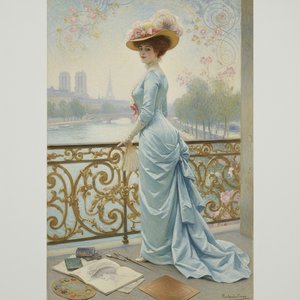
Paul César Helleu: Capturing Belle Époque Elegance & Artistic Innovation
Explore the captivating world of Paul César Helleu, master portraitist of the Belle Époque. Discover his innovative techniques, iconic works like 'Portrait of Margaret Kelly,' and investment potential with OriginalUniqueArt.

პოლ სეზანის 25 შედევრი: ხელოვნების ისტორიაში გამორჩეული ნაწარმოებები | OriginalUniqueArt.com
აღმოაჩინეთ პოლ სეზანის 25 გამორჩეული შედევრი! იმპრესიონიზმი, პოსტიმპრესიონიზმი და კუბიზმის წინასწარმეტყველი. ნახატების ისტორია, ტექნიკა და შთაგონება OriginalUniqueArt.com-ზე. 🖼️ ხელოვნების ბეჭვრა მუზეუმის ხარისხით.

Paul Klee: A Poetics of Form and Color – Exploring the Inner Landscape of a Modern Master
Explore the captivating world of Paul Klee! Discover his innovative art, Bauhaus influence, & unique symbolic language. Expert analysis & high-quality reproductions at OriginalUniqueArt.

