გადართვა ბეჭდვის რეჟიმზე
 სრული ტექსტის ნახვა







































 ნებისმიერი მხარისთვის 105 სმ-ზე (დაახლოებით 41 ინჩი) მეტი ზომის ხელოვნებული ნამუშევრების ან რეპროდუქციებისთვის, ჩარჩო მოგზავნდება დაშლილ კომპლექტში. ეს მეთოდი უზრუნველყოფს უსაფრთხო მიწოდებას და თავიდან აგაცილებთ ტრანსპორტირებისას შესაძლო დაზიანებას.


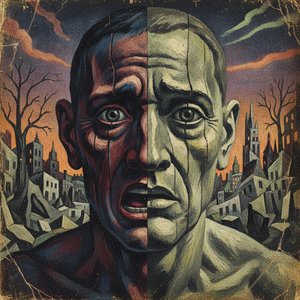
Felix Nussbaum’s “My Mother” – A Silent Testament to Displacement
Felix Nussbaum's "My Mother," painted in 1926, stands as a poignant emblem of artistic resilience amidst profound personal upheaval. Born in Osnabrück, Germany, Nussbaum’s early life was marked by an unwavering dedication to art—a passion nurtured by his father, Philipp Nussbaum, who himself possessed considerable artistic talent. This formative influence would prove crucial as Nussbaum navigated the turbulent landscape of the interwar years and ultimately endured the horrors of the Holocaust.
- Subject Matter: The painting depicts a woman in profile view—a deliberate choice that emphasizes introspection and vulnerability. Her gaze directs inward, conveying a sense of quiet contemplation rather than outward observation.
- Style & Technique: Nussbaum’s work aligns closely with the Expressionist movement, particularly influenced by artists like Vincent van Gogh and Henri Rousseau. He employs a realistic style characterized by meticulous attention to detail—particularly evident in the rendering of the woman's face and the textures of the bouquet of flowers positioned before her.
- Color Palette: The subdued color palette contributes significantly to the painting’s emotional impact. Dominant shades of dark brown and gray create a somber atmosphere, mirroring the anxieties and uncertainties prevalent during Nussbaum’s time. However, subtle highlights illuminate key features—such as the woman's eyes—drawing the viewer’s gaze and intensifying the sense of emotion.
- Historical Context: Created before the rise of Nazi Germany, “My Mother” foreshadows the impending darkness that would engulf Europe. The painting captures a moment of quiet solitude—a stark contrast to the escalating political tensions of the era—yet it speaks volumes about the enduring human capacity for empathy and remembrance.
The inclusion of flowers serves as more than mere decorative embellishment; they symbolize hope amidst despair, mirroring Nussbaum’s own unwavering belief in beauty and truth even under oppressive circumstances. The careful composition—minimalistic yet purposeful—focuses entirely on the woman's expressive face, inviting viewers to contemplate her inner life and grapple with themes of identity, loss, and resilience.
“My Mother” is a masterpiece not only for its artistic merit but also for its ability to convey profound emotional depth. It remains a powerful reminder that art can transcend historical events, offering timeless insights into the human condition—a testament to Felix Nussbaum’s enduring legacy as an artist who bravely confronted adversity with unwavering creativity.
კითხვები და პასუხები
რა განწყობა და ემოცია ერთიანდება ნამუშევარში "ჩემმა დედამ"?
წარმოწერილში "ჩემმა დედამ", მშვიდი განწყობას დაფიქრებითი ემოცია ახლავს.
რა ატმოსფეროს შექმნის ფელიქს ნუსბაუმი-ის „ჩემმა დედამ“-ის რეპროდუქცია ოთახში?
ფელიქს ნუსბაუმი-ის „ჩემმა დედამ“-ის მშვიდი ატმოსფერო შეესაბამება მის რეკომენდებულ სივრცეს: მისაღები ოთახი.
რა ეროვნული წარმომავლობა დგას „ჩემმა დედამ“-ის Surrealist Expressionism-ის მიღმა?
Surrealist Expressionism-ის სტილის ნამუშევარი „ჩემმა დედამ“ შექმნილია ხელოვანის მიერ, რომელიც გერმანია-ში დაიბადა.
 ნახვა ინტერьерში
 გაგზავნა
 გაზიარება
 დეტალები
 გზამკვლევი

 ჩამოტვირთვა
 მსგავსები
 რენტგენოგრაფიული კვლევა
 სლაიდშოუ
 კითხვა-პასუხი
 სტატისტიკა