

 წინასწარი ნახვა
 გაგზავნა
 გაზიარება
 დეტალები

 ჩამოტვირთვა
 მსგავსები
 რენტგენოგრაფიული კვლევა
 სლაიდშოუ
Patchwork Culturel
 Painting
- Modernism
 1979
1979- Modern
 99.0 x 130.0 cm
 The Ramzi and Saeda Dalloul Art Foundation
 გადასართად დაწვრილებით ნახეთ
ხელით ნაკვეთი ზეთის ტილოს რეპროდუქცია
ტილოზე შესრულებული ფერწერიანი ზეთប្រდათი, თქვენთვის სასურველი ზომისა და ჩარჩოსთვის, ჩვენი ხელოვანების მიერ შეკვეთის საფუძველზე დამზადებული. ( შეიძინეთ პრინტი შეიძინეთ გამოსახულება)




































აირჩიეთ ჩვენს მიერ წინასწარ განსაზღვრული ზომებიდან, რომლებიც ნაწარმოების ორიგინალურ პროპორციებს შეესაბამება.

თქვენ შეგიძლიათ მიუთითოთ თქვენთვის სასურველი ზომები კონკრეტული ჩარჩოს ან სივრცის შესაბამისად. თუ თქვენ მიერ არჩეული ზომა არ შეესაბამება ორიგინალი გამოსახულების პროპორციებს, ჩვენ ან შევაჭრებთ ნაწარმოებს, ან ტილოზე დავამატებთ ხელით მოხატულ ელემენტებს. წარმოების დაწყებამდე, დამტკიცებისთვის გამოგეგზავნებათ ციფრული მაკეტი.
გთხოვთ, გაითვალისწინოთ, რომ ეკრანზე ნაჩვენები წინასწარი შეხედულება არ ასახავს რეალურ შეჭრას ან გაფართოებას. საბოლოო კომპოზიციას ზუსტად მხოლოდ მაკეტი წარმოაჩენს.
მიუხედავად იმისა, რომ შესაძლებელია ინდივიდუალური ზომების შერჩევა, ორიგინალური პროპორციების შენარჩუნებისათვის გირჩევთ, გამოიყენოთ წინასწარ განსაზღვრული სიის ზომები.
შეკვეთის შემდეგ, OriginalUniqueArt.com გუნდი დაგიკავშირდებათ ელექტრონული ფოსტით ინსტრუქციებისთვის და გამოგიგზავნით წინასწარ ნახაზს (mockup).
მიწოდება მსოფლიო მასშტაბით -ში 3/4 კვირაში, სტანდარტული 5 კვირის ნაცვლად. (23 აგვისტო). ხარისხზე კომპრომისის გაკეთება არ მოხდება.

უფასო ექსპრეს მიწოდება მთელ მსოფლიოში

საბამად მაღალი ხარისხის ტილო

სრული ტრანსპორტირების დაზღვევა

საბაჟო გადასახადების დაბრუნების გარანტია

ფერების სრული შესაბამისობის გარანტია

60-დღიანი დაბრუნების პოლიტიკა (მხოლოდ დეფექტის შემთხვევაში)

100% თანხის დაბრუნების გარანტია

ფასდაკლება დიდი რაოდენობით შეკვეთისას
 მინის ჩარჩოს არჩევანი ხელმისაწვდომია მხოლოდ 110 სმ-ზე ნაკლები ზომისთვის

Patchwork Culturel
რეკლამაციის ტექნიკა
რეკლამაციის ზომა
-


საბოლოო ფასი
$ 300
ნაწარმოების აღწერა
A Tapestry of Identity: The Soul of Patchwork Culturel
In the vast landscape of twentieth-century modernism, few works possess the tactile intimacy and profound cultural resonance found in Farid Belkahia’s Patchwork Culturel. Created in 1979, this extraordinary polyptych serves as a rhythmic dialogue between the ancient traditions of Morocco and the avant-garde movements of the mid-century. As one gazes upon its six panels, there is an immediate sense of encountering a living relic—a piece that does not merely represent culture but embodies it through its very substance. The composition is a mesmerizing dance of geometric precision and organic fluidity, where circles, ovals, and abstract shapes drift across the surface like celestial bodies or ancient symbols etched into memory.
The brilliance of this work lies in Belkahia’s radical departure from traditional canvas. Eschewing the standard materials of Western oil painting, the artist utilized pigments on skin mounted on panel. This choice is deeply symbolic; by using skin as a substrate, Belkahia bridges the gap between the human form and the artistic medium, invoking the ancestral practices of Berber leatherwork and tattooing. The texture is inherently visceral, offering a sensory experience that transcends visual observation. For the collector or interior designer, this piece offers a profound depth of character, providing a focal point that commands attention through its unique materiality and historical weight.
The Convergence of Tradition and Modernity
To understand Patchwork Culturel, one must look to the legacy of the Casablanca School, an influential movement where Belkahia served as a visionary leader. His mission was to strip away colonial artistic impositions and rediscover a Moroccan aesthetic rooted in local symbols, calligraphy, and craftsmanship. In this 197 mutative masterpiece, we see the culmination of that search. The "patchwork" of the title refers not just to the arrangement of the six panels, but to the seamless integration of diverse cultural threads—the mathematical rigor of modern abstraction woven together with the earthy, primal essence of North African heritage.
The visual language of the piece is both hypnotic and meditative. The scattered circles and rhythmic patterns create a sense of movement that feels both ancient and contemporary. There is a quiet, contemplative power in the way the shapes interact; they do not compete for dominance but rather coexist in a balanced, cosmic order. This makes the artwork an exceptional choice for sophisticated spaces—be it a curated gallery setting or a high-end residential interior—where a sense of calm, intellectual depth, and worldly elegance is desired. Owning a reproduction of such a significant work allows one to bring a piece of Morocco's modernist golden age into the modern home, fostering an environment of inspiration and cultural connection.
მხატვრის ბიოგრაფია
a life of artistic innovation
farid belkahia, a moroccan modernist artist and education reformer, left an indelible mark on the art world. born in 1934 in marrakech, morocco, belkahia's life was a testament to his passion for innovation and artistic expression.early life and education
belkahia's early life was marked by his family's wealth and influence. however, his desire for freedom and artistic expression led him to pursue a path different from his father's wishes. he attended the école supérieure des beaux-arts in paris but later joined the atelier of raymond legueult, seeking more creative freedom.artistic career
belkahia's work primarily focused on painting, metalwork, and leatherwork. his travels across the middle east and his experience with cinema deeply influenced his artistic style. in 1962, he became the director of the school of fine arts of casablanca, a position he held until 1974.legacy and impact
- director of the school of fine arts of casablanca: belkahia's tenure marked a significant shift in moroccan modernism, introducing an alternative pedagogy that emphasized creative emancipation.
- mohamed melehi, toni maraini, and other notable artists joined forces with belkahia, forming the most legendary art collective in morocco's history.
- belkahia's work can be seen as a bridge between western modernism and moroccan traditional arts, offering a unique perspective on the country's cultural heritage.
notable works and exhibitions
though specific works by belkahia are not widely documented, his influence on moroccan modernism is undeniable. for more information on similar artists and their works, visit OriginalUniqueArt's artist page, featuring a wide range of modernist artists.museums and collections
- the wilberforce house museum: while not directly associated with belkahia, this museum showcases the fight against slavery, reflecting the broader social changes that influenced his work.
- the munch museum (oslo, norway): dedicated to edvard munch's works, it represents the modernist movement that inspired many artists, including belkahia.
conclusion
farid belkahia's life and work embody the spirit of innovation and artistic expression. his legacy continues to influence moroccan modernism, offering a unique blend of traditional and modern elements. for more on his life and the context in which he worked, visit OriginalUniqueArt's art movements page for a deeper understanding of the artistic movements that shaped his career.- view farid belkahia's profile on OriginalUniqueArt's artist page.
- explore the casablanca art school and its significance in moroccan modernism.

Farid Belkahia
1934 - 2014 , Morocco
მოკლე ინფორმაცია
- Artistic Movement Or Style: Modernist
- Artists Or Movements Influenced By This Artist: ['Casablanca School']
- Artists Who Influenced This Artist: ['Raymond Legueult']
- Date Of Birth: 1934
- Date Of Death: 2014
- Full Name: Farid Belkahia
- Nationality: Moroccan
- Notable Artworks:
- Le Sein Qui Regarde
- Puwala
- Place Of Birth: Marrakech, Morocco
დაკავშირებული სტატიები

შექსտროფული გამოხატვის აბსტრაქციზმის 10 შედევრი: ხელოვნება თქვენი სახლისთვის
აღმოფრთოვანდით აბსტრაქტული გამოხატვისმანიერიზმის 10 უმშვენიერეს შედევრთან! ვასელის, პოლ locks-ის და სხვა ცნობილი მხატვრების ისტორიები. შეიძინეთ მაღალი ხარისბის ხელოვნების რეპროდუქციები OriginalUniqueArt.com-ზე და შეცვალეთ თქვენი სახლი!

გეომეტრიული აბსტრაქცია: 10 შედევრი, რომელმაც ხელოვნება განსაზღვრა | OriginalUniqueArt.com
გეომეტრიული აბსტრაქციის 10 შედევრი მონდრიანის, მალევიჩისა და კანდინსკის ჩართულობით. გაიგეთ მათი ისტორია, ტექნიკა და გავლენა ხელოვნებაზე. შეიძინეთ უმაღლესი ხარისხის რეკონსტრუქციები OriginalUniqueArt.com-ზე!

Kandinsky's Masterpieces: 25 Paintings That Define Abstract Art | OriginalUniqueArt
Journey through Wassily Kandinsky's 25 most iconic abstract paintings. Explore his revolutionary use of color, form & spiritual expressionism. Find museum-quality Kandinsky reproductions and elevate your home decor with OriginalUniqueArt.com. Discover all masterpieces on OriginalUniqueArt.com!
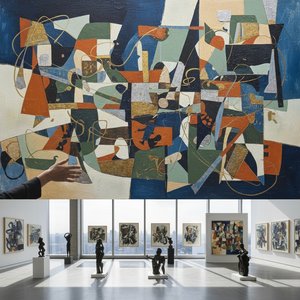
Deconstructing Form & Feeling: A Guide to Contemporary Abstract Art for Collectors
Explore the world of contemporary abstract art with OriginalUniqueArt. Discover key movements, influential artists & expert collecting advice. Invest in museum-quality paintings today.
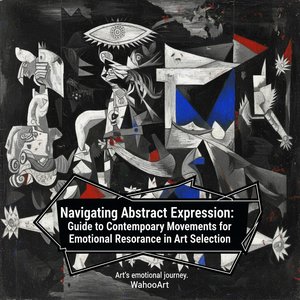
Navigating Abstract Expression: A Guide to Contemporary Movements for Emotional Resonance in Art Selection
Explore the evolution of Abstract Expressionism & discover contemporary movements for emotional resonance. Expert guidance for discerning art collectors seeking lasting value. OriginalUniqueArt.

