

 ნახვა ინტერьерში
 გაგზავნა
 გაზიარება
 დეტალები
 გზამკვლევი

 ჩამოტვირთვა
 მსგავსები
 რენტგენოგრაფიული კვლევა
 სლაიდშოუ
 სტატისტიკა
Dodrecht
 Oil On Canvas
- WallArt
- Impressionism
 61.0 x 50.0 cm
 Regional Gallery in Liberec
 სრული ტექსტის ნახვა
ხელით შესრულებული ზეთის საღებავით რეპროდუქცია
ტილოზე შესრულებული ფერწერიანი ზეთប្រდათი, თქვენთვის სასურველი ზომისა და ჩარჩოსთვის, ჩვენი ხელოვანების მიერ შეკვეთის საფუძველზე დამზადებული. ( გადართვა ბეჭდვის რეჟიმზე გადასვლა ციფრულ გამოსახულებაზე)




P118B ₾10

P118H ₾10

P118W ₾10

P438Z ₾10

P508JH ₾12

P508YH ₾12

P805H ₾10

P805Z ₾10

P919BZ ₾10

P919G ₾10

P919XJ ₾10

P959ZH ₾10

P968JZ ₾12

W106C ₾8

W218G ₾10

W218JH ₾8

W218Y ₾10

W307PJ ₾10

W316G ₾10

W316PJ ₾8

W316Y ₾10

W398PJ ₾8

W4111J ₾10

W500HY ₾15

W500JH ₾15

W692G ₾12

W849H ₾8

W940BG ₾15

W953PJ ₾8




აირჩიეთ ჩვენს მიერ წინასწარ განსაზღვრული ზომებიდან, რომლებიც ნაწარმოების ორიგინალურ პროპორციებს შეესაბამება.

შეიყვანეთ თქვენთვის საჭირო სიგანე და სიმაღლე, რათა ნახატი მოერგოს თქვენს ჩარჩოს ან კედელს. ვინაიდან ეს ნამუშევარი ხელით არის შესრულებული, სხვა ფორმის ზომის შემთხვევაში, მხატვარმა შესაძლოა სურათის გარშემო ოდნავ მეტი დატოვოს ან შეამციროს — არჩევანი თქვენზეა. დაწყებამდე, დასამტკიცებლად, ჩვენ გამოგიგზავნით ციფრულ მაკეტს. ამ გვერდზე ნაჩვენები სურათი არ ასახავს რეალურ შედეგს — რეალური სახე მხოლოდ მაკეტზე ჩანს.
შეკვეთის შემდეგ, OriginalUniqueArt.com გუნდი დაგიკავშირდებათ ელექტრონული ფოსტით ინსტრუქციებისთვის და გამოგიგზავნით წინასწარ ნახაზს (mockup).
მიწოდება მსოფლიო მასშტაბით -ში 3/4 კვირაში, სტანდარტული 5 კვირის ნაცვლად. (21 ოქტომბერი). ხარისხზე კომპრომისის გაკეთება არ მოხდება.

უფასო ექსპრეს მიწოდება მთელ მსოფლიოში

მაღალი ხარისხის ტილო

ტრანსპორტირების სრული დაზღვევა

საბაჟო გადასახადების დაბრუნების გარანტია

ფერების სრული შესაბამისობის გარანტია

დაბრუნების 100-დღიანი პერიოდი (მხოლოდ წარმოების დეფექტის შემთხვევაში)

100% თანხის სრული დაბრუნების გარანტია

ფასდაკლება დიდი რაოდენობით შეკვეთისას
 მინის ჩარჩოს არჩევანი ხელმისაწვდომია მხოლოდ 110 სმ-მდე ზომისთვის

Dodrecht
რეპროდუქციის ტექნიკა
რეპროდუქციის ზომა
-


ჯამური ღირებულება
₾ 782
A Moment in Normandy: Eugène Boudin’s “Dodrecht”
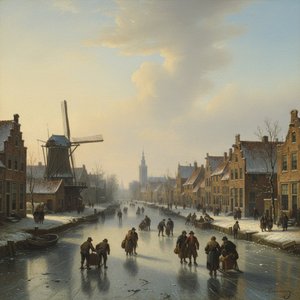
Eugène Louis Boudin's "Dodrecht," painted circa 1874, isn’t merely a depiction of a canal scene; it’s an immersion into the very essence of late 19th-century French Impressionism. This evocative landscape captures a fleeting moment along the waterways of Dordrecht, a city nestled within the Netherlands, and speaks to Boudin's profound connection with light, atmosphere, and the transient beauty of everyday life. The painting immediately draws the viewer in with its soft, hazy palette—muted blues, greens, and ochres dominate, creating an almost dreamlike quality that belies the meticulous observation at play.
Boudin’s approach to capturing this scene is profoundly characteristic of his style. He eschews sharp detail in favor of a loose, broken brushstroke technique, applying paint in short, vibrant dashes that seem to dance across the canvas. This deliberate lack of precision isn't a flaw; rather, it’s the very heart of Impressionism – an attempt to convey not just what is seen, but how it *feels* to be present within that moment. The texture itself becomes a key element, with visible brushwork adding depth and dynamism to the scene. Notice how the reflections shimmer on the water's surface, created by these individual strokes, lending an almost palpable sense of movement.
The Painter’s Philosophy: Plein Air and the Capture of Light
Boudin was a pioneer in the practice of *plein air* painting – working directly outdoors. This commitment to observing nature firsthand profoundly shaped his artistic vision. He wasn't interested in creating photographic reproductions; instead, he sought to capture the ephemeral qualities of light and atmosphere as they shifted with each passing moment. “Dodrecht” exemplifies this philosophy perfectly. The artist meticulously studied how sunlight interacts with water, buildings, and vegetation, translating these observations onto canvas with remarkable sensitivity. His early exposure to Dutch masters like Jongkind, who championed painting outdoors, undoubtedly influenced his approach.
The historical context of the late 19th century is crucial to understanding Boudin’s work. France was undergoing rapid industrialization and urbanization, leading many artists to seek refuge in the countryside and to explore themes of rural life and natural beauty. Boudin's focus on these subjects resonated with a growing public yearning for connection with nature – a sentiment that would become central to the Impressionist movement. The painting subtly evokes the tranquility of a slower pace of life, a stark contrast to the bustling industrial centers of Europe.
Symbolism and Emotional Resonance
Beyond its technical brilliance, “Dodrecht” carries a quiet emotional resonance. The composition—with the canal as the dominant element—creates a sense of enclosure and intimacy, drawing the viewer into the scene. The church steeple rising above the rooftops provides a vertical anchor, grounding the image while simultaneously suggesting a connection to faith and tradition. The boats navigating the waterway hint at human activity and interaction, yet the overall mood remains one of peaceful contemplation.
The painting’s muted color palette contributes significantly to its emotional impact. The soft hues evoke feelings of serenity, nostalgia, and perhaps even melancholy—a subtle reminder of the passage of time. It's a scene that invites reflection on the beauty of the natural world and the simple pleasures of everyday life. “Dodrecht” isn’t just a landscape; it’s an invitation to slow down, observe, and appreciate the fleeting moments of grace that surround us.
A Reproduction Worthy of Display
Reproductions of Boudin's "Dodrecht" offer a remarkable opportunity to bring this evocative masterpiece into your home or office. The delicate balance between light, color, and brushwork is beautifully preserved in high-quality reproductions, allowing you to experience the artist’s vision firsthand. Whether displayed as a focal point on a wall or incorporated into a larger interior design scheme, “Dodrecht” will undoubtedly add a touch of timeless elegance and artistic depth to any space.
კითხვები და პასუხები
რა ორიენტაცია აქვს ევგენე ბუდინი-ის „Dodrecht“-ს?
ევგენე ბუდინი-ის „Dodrecht“-ს აქვს Landscape ფორმატი. ფორმატი აღწერს კომპოზიციის პროპორციებს.
როგორ შემიძლია ევგენე ბუდინი-ის „Dodrecht“-ის ნახვა სლაიდშოუს სახით?
ხელმისაწვდომია სლაიდშო: ევგენე ბუდინი-ის „Dodrecht“-ის სლაიდშოუ გვერდი.
რა არის „Dodrecht“-ის რეპროდუცირების უფლებები Regional Gallery in Liberec-ში?
ევგენე ბუდინი-ის „Dodrecht“-ის საავტორო უფლებების სტატუსი ნათელია: ნამუშევარი არის საჯარო საკუთრებაშია - მისი საავტორო უფლებები ამოწდა. მისი ყოფნა Regional Gallery in Liberec-ში ამ სტატუსს არ ცვლის.
მხატვრის ბიოგრაფია
Eugène Louis Boudin (1824–1898): Pioneer of plein air painting & key influence on Impressionism
Eugène Louis Boudin, born July 12th, 1824 in Honfleur, France—a town inextricably linked to the sea—was destined for a life devoted to capturing its ethereal beauty. His father, a harbor pilot, instilled within him from childhood an unwavering fascination with the ocean’s moods and captivating visual splendor – an influence that would become the bedrock of Boudin's artistic vision. Rather than pursuing the conventional academic routes favored by many artists of his time, young Eugène embarked on a path distinctively shaped by experience: he began his working life aboard a steamboat traversing between Le Havre and Honfleur at just ten years old. It was during these voyages that he first felt compelled to translate fleeting impressions of light and water onto canvas—the nascent genesis of a lifelong passion for landscape painting. The family’s subsequent relocation to Le Havre, where his father established a stationery and picture-framing business, further immersed Boudin in an artistic milieu brimming with talent and innovation. He worked alongside luminaries like Constant Troyon and Jean-François Millet, artists who championed the revolutionary technique of *plein air*—painting outdoors directly from nature—and encouraged Boudin’s burgeoning artistic sensibilities. These formative encounters steered him decisively away from commercial pursuits and toward a singular dedication to mastering the art of landscape representation.Developing a Unique Style: Plein Air Painting and Influences
Boudin's artistic trajectory was profoundly molded by several pivotal influences, most notably the teachings of Johan Jongkind, a Dutch painter who championed *plein air* painting with fervent conviction. Jongkind’s insistence on capturing atmospheric conditions as they unfolded before the artist’s eyes revolutionized Boudin’s approach to artmaking—a shift that would prove transformative for his oeuvre. He embraced this technique wholeheartedly, honing his skills at rendering the subtle nuances of sky and sea with unparalleled precision. Furthermore, Boudin drew inspiration from the artistic legacy of the 17th-century Dutch Masters – artists who meticulously scrutinized detail and skillfully employed atmospheric perspective to convey a sense of depth and realism—principles that resonated deeply within Boudin’s own artistic sensibilities. His pastel drawings, characterized by their delicate shading and harmonious color palettes, stand as testament to his unwavering commitment to capturing the essence of natural beauty. He was particularly captivated by the works of Jean Baptiste Camille Corot, whose serene landscapes served as a guiding light for Boudin's artistic explorations.Early Artistic Career & Parisian Connections
Boudin’s initial foray into art began modestly—working as a copyist at the Louvre—allowing him to immerse himself in the masterpieces of European art history and fostering an appreciation for classical composition. Simultaneously, he cultivated relationships with fellow artists who championed innovation and challenged artistic conventions. Among these influential figures were Gustave Courbet, Jean Baptiste Camille Corot, Claude Oscar Monet, and Charles Baudelaire – artists whose perspectives profoundly shaped Boudin’s artistic worldview. Notably, it was Claude Monet whom Boudin persuaded to adopt *plein air* painting—a pivotal moment that cemented Boudin's role as a catalyst for the Impressionist movement. This collaboration resulted in groundbreaking paintings that captured the fleeting beauty of sunlight on water and solidified Monet’s reputation as one of the foremost landscape painters of his era.Major Achievements & Recognition
Despite facing considerable challenges throughout his life—including debilitating health issues—Boudin persevered with unwavering determination, consistently exhibiting his work and mentoring younger artists who would later become celebrated figures in French art history. His paintings achieved significant commercial success, particularly his beach scenes which resonated deeply with the public’s aesthetic sensibilities. Recognizing Boudin's artistic merit, the French government initiated a series of acquisitions—beginning in 1888—that ensured his works were permanently enshrined within the Luxembourg Gallery. In 1892, he was awarded the Légion d’honneur—a prestigious honor bestowed upon him by the French state—acknowledging his enduring contribution to the nation's artistic heritage. Eugène Louis Boudin died August 8th, 1898 in Deauville, overlooking the English Channel – a final resting place that mirrored the boundless expanse of his artistic vision and cemented his legacy as one of France’s most influential landscape painters. His paintings continue to inspire admiration worldwide, serving as enduring reminders of the transformative power of observation and the sublime beauty of nature.
ევგენე ბუდინი
1824 - 1898 , საფრანგეთი
მოკლე ფაქტები
- Artistic Movement Or Style: იმპრესიონიზმი
- Artists Or Movements Influenced By This Artist:
- ხლოდ მონი
- მონი სტილი
- Artists Who Influenced This Artist:
- ხოჰან კონგინდი
- ნიდერლანდელი მხატვარი სებასტიან ფრანსის კოროტ
- Date Of Birth: 12 ივლისი 1824 წელი
- Date Of Death: 8 აგვისტო 1898 წელი
- Full Name: Eugène Louis Boudin
- Nationality: საფრანცელი
- Notable Artworks:
- მელა და კრაბი თეთრი টেবლისᅱ დაფაზე
- მზე ჩ მზის დგომა და სილამაზე
- ქალი ბავშვი პორტრეტი
- Place Of Birth: ხონფლూర్, საფრანცის სსქ
მსგავსი სტატიები

Golden Light & Dutch Skies: The Timeless Magic of Dutch Golden Age Landscapes
Discover the breathtaking beauty of Dutch Golden Age landscapes. Explore the mastery of light, chiaroscuro, and 17th-century realism through an expert art history lens, celebrating the enduring legacy of the Dutch Masters for discerning collectors and art lovers.

ტოპ 10 შედევრი, რომელმაც განსაზღვრა "ანტვილის იმპრესიონისტული ლანდშაფტი"
აღმოფრთოვანდით იმპრესიონიზმის ლეგენდის 10 შედევრით! მონე, რენუარი და სხვა მოწინავეები. იხილეთ მათი ფერადი ლანდშაფტები და აღმოაჩინეთ ხელოვნების რეპროდუქციები OriginalUniqueArt-ზე. სახლის დეკორისთვის იდეალური!
Charles Leickert: Capturing the Dutch Golden Age Light – A Comprehensive Study of Technique, Context, and Legacy
Explore the captivating winter landscapes of Charles Leickert, a master of Dutch Golden Age light & atmosphere. Discover his techniques, symbolism, and lasting legacy – a comprehensive study for art enthusiasts and collectors.

Impressionistic Landscapes: 10 Masterpieces That Changed Art & Decor
Journey into the heart of Impressionism! Explore 10 masterpieces by Monet, Renoir & Degas that revolutionized landscape art. Discover their stories, techniques & find museum-quality reproductions to elevate your home decor on OriginalUniqueArt.com.

Capturing the Light of Amsterdam: A Journey Through Impressionist Masterpieces of the Dutch Canals
Embark on a visual journey through the luminous Amsterdam canals. Discover how Impressionist masters captured the fleeting light of the Dutch landscape through evocative brushwork and color. Explore the timeless beauty of these masterpieces for your private art collection.


