

 ნახვა ინტერьерში
 გაგზავნა
 გაზიარება
 დეტალები
 გზამკვლევი

 ჩამოტვირთვა
 მსგავსები
 რენტგენოგრაფიული კვლევა
 სლაიდშოუ
 სტატისტიკა
pondered a ven shvelas
 ზეთი ტილოზე
- კედლის დეკორი
- Post-Impressionism
 1888
1888- მე-19 საუკუნე
 73.0 x 92.0 cm
 სრული ტექსტის ნახვა
შეიძინეთ მაღალი რეზოლუციის, გაუმჯობესებული ციფრული გამოსახულება, რომელიც ხარისხით ბევრად აღემატება ონლაინ წინასწარ ნახვას.
თითოეულ ფაილს ჩვენი შიდა სპეციალისტები საგულდაგულოდ ამზადებენ თანამედროვე ინსტრუმენტებისა და პროფესიონალური რეტუშირების გამოყენებით. ჩვენ უზრუნველყოფთ, რომ თითოეულ გამოსახულებას ჰქონდეს გამორჩეული სიცხადე, ფერების ზუსტი გადაცემა და დეტალიზაცია.
დასრულებული ფაილი ელექტრონული ფოსტით 72 საათში გიგზავნით; იგი ოპტიმიზებულია პროფესიონალური, რედაქციული და პოლიგრაფიული გამოყენებისთვის. ეს არის ისეთივე ხარისხი, რომელსაც წამყვანი დიზაინ-სტუდიები, გამომცემლობები და გალერეები ენდობიან.
ციფრული გამოსახულება
ჩამოტვირთეთ მაღალი გარჩევადობის ფაილი პირადი გამოყენებისთვის, დასაბეჭდად და შემოქმედებითი პროექტებისთვის. ( გადართვა ბეჭდვის რეჟიმზე შეიძინეთ ხელით შესრულებული ნახატი)
ყოველ ციფრულ გამოსახულების შეკვეთაში შედის
გარანტირებული პროფესიონალური ციფრული მიწოდება
როდესაც ირჩევთ OriginalUniqueArt.com-ს, თქვენ მხოლოდ სურათს კი არ იღებთ, არამედ იღებთ პროფესიონალურად დამუშავებულ ციფრულ ნამუშევარს, რომელიც შექმნილია უზადო სიზუსტით და დაცულია კმაყოფილების გარანტიით. თქვენს შეკვეთას ავტომატურად მოჰყვება შემდეგი:

სწრაფი ელექტრონული მიწოდება
თქვენს მაღალი რეზოლუციის ციფრულ გამოსახულებას შეკვეთის დაწყებიდან 72 საათში ელექტრონული ფოსტით მიიღებთ — ის მზად იქნება დაუყოვნებლივი გამოყენებისთვის.

ხელოვნური ინტელექტით გაუმჯობესებული ციფრული ფაილი
თქვენი ხელოვნების ნიმუშები პროფესიონალურად არის ოპტიმიზებული მოწინავე AI ინსტრუმენტებისა და მექანიკური რედაქტირების მეშვეობით, რაც უზრუნველყოფს მაქსიმალურ დეტალიზაციას, სიცხადესა და ფერების სიზუსტეს.

ციფრული გამოსახულებების უფასო სამუდამო ხელახალი მიღება
ფაილი შემთხვევით წაიშალა ან დაკარგეთ? ნუបედავთ — ჩვენ მას ნებისმიერ დროს, უფასოდ ხელახლა გამოგეგზავნით.

იმპორტის გადასახადების გარეშე — ყოველთვის
ჭიდად ისიამოვნეთ თქვენი ნამუშევრით მყისიერად, საბაჟო გადასახადის, მოსაკრებლის ან მიწოდების ხარჯის გარეშე - ციფრული ჩამტვირთვისას ყოველთვის საგადასახადო თავისუფლებაა.

ფერების სიზუსტის გარანტია
პროფესიონალური ინსტრუმენტებისა და ფერების მართვის სისტემის გამოყენებით, ჩვენ უზრუნველყოფთ, რომ თქვენი ციფრული გამოსახულება მაქსიმალურად ზუსტად ასახავდეს ორიგინალურ ფერებს.

კმაყოფილების 100-დღიანი გარანტია
თუ თქვენ არ დაკმაყოფილებული ხართ თქვენი ციფრული გამოსახულებით, ჩვენ შევიტანთ მასში ცვლილებებს ან დაგიბრუნებთ 100% თანხას 100 დღის განმავლობაში — ყოველგვარი კითხვის დასმევის გარეშე.

100% თანხის დაბრუნების გარანტია
არ არის კმაყოფილი? მიიღეთ თანხის სრული დაბრუნება ციფრული ფაილის მიღებიდან 100 დღის განმავლობაში — ყოველგვარი დამატებითი კითხვების გარეშე.

ფასდაკლება დიდი რაოდენობით შეკვეთაზე
შეიძინეთ 3 გამოსახულება და მიიღეთ 10% ფასდაკლება - შეიძინეთ 5 და მიიღეთ 15% ფასდაკლება - შეიძინეთ 10+-ზე და მიიღეთ 20% ფასდაკლება. იდეალურია კრეატიული პროექტებისთვის, გალერეებისა და სააგენტოებისთვის.
Introduction
"CITE>Pont-Aven in the Snow" by Paul Gauguin არის მიმზიდველი ზეთით და ტი contemplated ნახატი, რომელიც წარმოადგებს ხელოვლის მოყვარცის უნიკალურ pós-impressionist სტილს. შექმნილი 1888 წელს, ეს ნამუშევარი შეტანილია გამოჩენილი კოლექციაში გოთებორგის სამუzejოში (Gothenburg Museum of Art) შვედეთში. ნახატი ზომებით 73 x 92 სმ, "Pont-Aven in the Snow" წარმოставляет მშვიდი ზამთრის სცენას. სოფელია დაფარული თაფლად, ხოლო ზემოთ არსებული ცieli ჩანს ნათელი და მწვანე, რაც იწვევს სიმშვიდის cảm giác. სცენაში მიმოიხვეწება ადამიანები, ზოგი უფრო ახლოს წინასადაც, ხოლო ზოგი უფრო შორეულად, რაცเพิ่มობს სიღრმესა და ინტერესს. ასევე видно ცხრა, რომელიც განთავსებულია ნახატის ცენტრალურ ნაწილში, ამაღებს სასოფლის სტილის განცდას. კომპოზიცია არის დაბალანსებული, სახლები და სığრები chiếmлют значительную часть рамки. ეს позволяет зрителю оценить как архитектурные детали, так и снежный пейзаж. ზეთის გამოყენება ტი contemplated на canvas придает vibrancy и текстуру сценой, делая ее почти реальной.The Painting
Измеряется 73 x 92 см, "Pont-Aven in the Snow" представляет собой спокойную зимнюю сцену. Спутник покрыт снегом, а небо над ним выглядит ясным и синим, создавая ощущение покоя. Разбросаны по сцене люди, некоторые ближе к переднему плану, другие - дальше, что добавляет глубину и интерес. Также видно лошадь, которая находится в центре картины, усиливая сельскую атмосферу. Композиция хорошо сбалансирована, дома и амбары занимают значительную часть рамки. Это позволяет зрителю оценить как архитектурные детали, так и снежный пейзаж. Использование масла на холсте придает сцене vibrancy и текстуру, делая ее почти lifelike.Artistic Style
Пост-импрессионистический стиль Гюгена проявляется в смелых мазках и ярких цветах, используемых в "Pont-Aven in the Snow". Этот стиль отличается от традиционного импрессионизма тем, что подчеркивает эмоциональное выражение вместо реалистичного представления. Результатом является картина, которая не только запечатлевает физическую сцену, но и передает чувство настроения и атмосферы.Context
Музей Готтеборга, где находится эта картина, известен своей обширной коллекцией искусства позднего XIX века в скандинавском стиле. Этот музей предоставляет идеальную среду для оценки работы Гюгена в контексте его современников.Relevance and Impact
"Pont-Aven in the Snow" является важным произведением в творчестве Гюгена, демонстрирующим его способность улавливать суть сельской жизни в Бреттани. Эта картина, с ее спокойной зимней сценой, очаровывает любителей искусства на протяжении поколений и является любимой частью коллекции музея.Conclusion
"CITE>Pont-Aven in the Snow" by Paul Gauguin არის шедевр, который объединяет красоту природы с уникальным pós-impressionist стилем художника. Для тех, кто интересуется изучением более ранних работ Гюгена, OriginalUniqueArt предлагает высококачественные репродукции его картин, включая "Pont-Aven in the Snow". Посетите Paul Gauguin: Pont-Aven in the Snow, чтобы узнать больше об этом захватывающем произведении искусства и других работах художника. Для дальнейшего изучения Паула Гюгена и его вклада в pós-impressionism обратитесь к Gothenburg Museum of Art, Sweden и изучите коллекцию музея.მხატვრის ბიოგრაფია
Eugène Henri Paul Gauguin: A Revolutionary Post-Impressionist Painter
Paul Gauguin, a name synonymous with bold color and uncompromising vision, stands as one of the most influential figures in the artistic landscape of the late nineteenth century—a pivotal innovator who irrevocably altered the course of modern art. Born June 7, 1848, in Paris, France, his life unfolded far from the conventional paths expected of a young man of privilege, shaping him into an artist whose work continues to captivate audiences worldwide. His upbringing was marked by unusual circumstances; his father, Gustave Gauguin, was a journalist—a profession steeped in intellectual debate and social commentary—while his mother, Sophia Pompidou, descended from Peruvian aristocracy—her maternal grandmother, Flora Tristan, a trailblazing feminist writer whose radical ideas undoubtedly instilled within the family a spirit of defiance against societal norms. This heritage profoundly impacted Gauguin’s artistic sensibility, fostering an enduring fascination with cultures beyond the confines of Europe and fueling his unwavering pursuit of authenticity in artistic expression. A formative experience occurred during his childhood when his family relocated to Peru following Napoleon III's coup d’état—a journey that exposed him to a vastly different world than Parisian society. Spending four years on his mother’s uncle’s estate, he immersed himself in Peruvian culture, absorbing its vibrant traditions and observing the stark contrasts between urban sophistication and rural simplicity. This immersion instilled within him a deep appreciation for the beauty of untamed landscapes and the wisdom of indigenous beliefs—sensations that would later permeate his artistic creations. Upon returning to France after his father’s untimely death, Gauguin pursued formal education but found himself instinctively drawn not to academic pursuits but to the burgeoning financial world—a decision that initially seemed incongruous with his artistic aspirations. Nevertheless, he secured a position as a stockbroker, diligently managing his finances while secretly nurturing his passion for painting—a dual existence that allowed him to explore both intellectual stimulation and creative fulfillment.Early Influences & Impressionistic Beginnings
Gauguin’s initial artistic explorations were undeniably influenced by the Impressionist movement—particularly artists like Claude Monet, Camille Pissarro, and Pierre-Auguste Renoir. He eagerly embraced Impressionism's innovative techniques for capturing fleeting moments of light and color, experimenting with loose brushstrokes and vibrant palettes in his early works. However, Gauguin quickly recognized the limitations inherent in Impressionistic aesthetics—its preoccupation with optical perception and its reluctance to delve into deeper emotional or psychological complexities. He felt that Impressionists were merely reproducing what they *saw*, rather than conveying what they *felt*—a distinction that resonated deeply within him as an artist striving for a more profound form of expression. This dissatisfaction propelled him toward experimentation with new artistic approaches, seeking inspiration from diverse sources beyond the Parisian art scene. ## The Synthesis & Japonisme: A Shift Towards Symbolism A pivotal moment arrived in 1882 when Gauguin experienced a severe financial crisis—a setback that forced him to abandon his lucrative career and wholeheartedly dedicate himself to his artistic vocation. This wasn’t merely a change of profession; it represented a fundamental transformation in worldview—a rejection of bourgeois materialism in favor of an uncompromising pursuit of artistic truth. Recognizing the need for guidance, he turned to Camille Pissarro, who encouraged his development and introduced him to the avant-garde circles of Paris—circles brimming with intellectual ferment and eager to challenge established conventions. However, Gauguin swiftly distanced himself from Impressionistic principles, yearning for something more expressive, more symbolic—a means of conveying not just what he *saw*, but what he *felt*. This desire led him on a journey of artistic exploration that would take him far beyond the Parisian salons and into the heart of “primitive” cultures. Influenced profoundly by Japanese prints—Japonisme—he adopted techniques such as flattened perspectives, bold outlines, and decorative patterns—borrowing stylistic elements from Asian art to enrich his visual vocabulary. These influences underscored his conviction that true artistic inspiration could be found in rejecting Western academic traditions and embracing the raw beauty of nature and non-Western cultures. ## Tahiti & The Quest for Spiritual Authenticity The culmination of Gauguin’s artistic quest arrived in 1891 when he embarked on a transformative voyage to Tahiti—a Polynesian island nestled in the South Pacific Ocean. Seeking refuge from the pressures of Parisian society and driven by an unwavering belief in the spiritual wisdom of indigenous traditions, he established himself as a permanent resident on Hiva Oa—a remote volcanic isle that would become his artistic sanctuary for the remainder of his life. In Tahiti, Gauguin meticulously observed Polynesian rituals and customs, immersing himself in their worldview—a deliberate effort to liberate his art from the constraints of Western rationality and embrace a more primal form of expression. He depicted Tahitian women, landscapes, and religious ceremonies with uncompromising honesty—capturing not merely visual appearances but also the emotional essence of Polynesian life. His paintings—such as “Vision After The Sermon” and “Where Are You Going?”—became emblematic of his artistic philosophy—a rejection of illusionism in favor of symbolic representation aimed at conveying profound spiritual truths. Gauguin’s bold use of color, simplified forms, and evocative imagery solidified his reputation as a visionary artist who dared to challenge conventions and forge his own path—leaving behind a legacy that continues to inspire artists and captivate audiences today. ## Legacy & Influence Paul Gauguin's artistic innovations irrevocably altered the trajectory of modern art—establishing him as one of the foremost figures in Post-Impressionism and Symbolism. His rejection of Impressionistic aesthetics, coupled with his fascination with “primitive” cultures and his embrace of Japonisme, profoundly influenced subsequent generations of artists—including Pablo Picasso, Henri Matisse, and Edvard Munch—who adopted his stylistic techniques and explored similar thematic concerns. Gauguin’s unwavering commitment to artistic authenticity—his insistence on conveying emotion and spiritual meaning rather than merely reproducing visual appearances—remains a cornerstone of modern art—a testament to his enduring vision and his transformative contribution to the artistic canon. He died in 1903 on Hiva Oa, leaving behind an unparalleled body of work that continues to resonate with audiences worldwide—a legacy enshrined as one of the most significant achievements of French art history.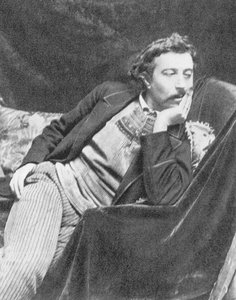
ევგენე ჰენრი პაულ გოგინი
1848 - 1903 , საფრანგეთი
მოკლე მიმოხილვა
- Artistic Movement Or Style: პოსტიმპრესიონიზმი სიმბოლიზმი
- Artists Or Movements Influenced By This Artist: ['პაბლო პიკასო ჰენრი მატისი']
- Artists Who Influenced This Artist: ['კამილ პისსარო']
- Date Of Birth: 1848 წელი
- Date Of Death: 1903 წელი
- Full Name: Eugène Henri Paul Gauguin
- Nationality: საფრანგალია
- Notable Artworks:
- კლერინგი
- ვაჰინე ნო ტე მითი
- მანაო ტუპაპუ
- Place Of Birth: პარისი საფრანგეთი