

 ნახვა ინტერьерში
 გაგზავნა
 გაზიარება
 დეტალები
 გზამკვლევი

 ჩამოტვირთვა
 მსგავსები
 რენტგენოგრაფიული კვლევა
 სლაიდშოუ
 სტატისტიკა
The First Communion
 Oil On Canvas
- WallArt
- Symbolism
 1896
1896- 19th Century
 65.0 x 53.0 cm
 Metropolitan Museum of Art
 სრული ტექსტის ნახვა
გიკლე / ხელოვნების პრინტი
მუზეუმის დონის ჟიკლე ან ტილოზე ბეჭდვა სწრაფი წარმოებისა და დასრულების მოქნილი ვარიანტებით. ( შეიძინეთ ხელით შესრულებული ნახატი გადასვლა ციფრულ გამოსახულებაზე)




P118B ₾10

P118H ₾10

P118W ₾10

P438Z ₾10

P508JH ₾12

P508YH ₾12

P805H ₾10

P805Z ₾10

P919BZ ₾10

P919G ₾10

P919XJ ₾10

P959ZH ₾10

P968JZ ₾12

W106C ₾8

W218G ₾10

W218JH ₾8

W218Y ₾10

W307PJ ₾10

W316G ₾10

W316PJ ₾8

W316Y ₾10

W398PJ ₾8

W4111J ₾10

W500HY ₾15

W500JH ₾15

W692G ₾12

W849H ₾8

W940BG ₾15

W953PJ ₾8




აირჩიეთ ჩვენს მიერ წინასწარ განსაზღვრული ზომებიდან, რომლებიც ნაწარმოების ორიგინალურ პროპორციებს შეესაბამება.

შეიყვანეთ თქვენთვის საჭირო სიგანე და სიმაღლე, რათა იგი მოერგოს თქვენს ჩარჩოს ან კედელს. ბეჭდვისას შესაძლებელია მხოლოდ მისი შემცირება და არა გაზრდა, ამიტომ სხვა ფორმის ზომის შემთხვევაში გამოსახულება ნაწილობრივ იკარგება. სანამ რაიმეს დაბეჭდავთ, ჩვენ გამოგიგზავნით ციფრულ მაკეტს დასდასტურებლად. ამ გვერდზე ნაჩვენები სურათი არ ასახავს რეალურ ჭრას — ამას მხოლოდ მაკეტი გვიჩვენებს.
მიწოდება მთელ მსოფლიოში () 2 კვირაში, სტანდარტული 4/5 კვირის ნაცვლად. (27 ოქტომბერი)

უფასო ექსპრეს მიწოდება მთელ მსოფლიოში

მაღალი ხარისხის ტილო

ტრანსპორტირების სრული დაზღვევა

საბაჟო გადასახადების დაბრუნების გარანტია

ფერების სრული შესაბამისობის გარანტია

დაბრუნების 100-დღიანი პერიოდი (მხოლოდ წარმოების დეფექტის შემთხვევაში)

100% თანხის სრული დაბრუნების გარანტია

ფასდაკლება დიდი რაოდენობით შეკვეთისას
 მინის ჩარჩოს არჩევანი ხელმისაწვდომია მხოლოდ 110 სმ-მდე ზომისთვის

The First Communion
გიკლე / ხელოვნების პრინტი
რეპროდუქციის ზომა
-


ჯამური ღირებულება
₾ 208
The Haunting Beauty of "The First Communion": A Symbolist Portrait of Innocence
Eugène Anatole Carrière’s “The First Communion,” painted in 1896, isn't merely a depiction of a religious ceremony; it’s a profoundly evocative exploration of childhood innocence, spiritual yearning, and the subtle anxieties that lie beneath the surface of faith. This masterpiece, now housed within the collections of art institutions worldwide, exemplifies Carrière’s signature style – a near-monochrome palette dominated by muted browns and greys, creating an atmosphere of ethereal mystery and quiet melancholy. The painting immediately draws the viewer into a dreamlike space, where reality seems to soften and blur at the edges.
Carrière's artistic journey was deeply influenced by his time as a prisoner in Dresden during the Franco-Prussian War. Exposure to the works of Peter Paul Rubens, with their rich, glowing colors and dramatic lighting, left an indelible mark on his approach to painting. This influence is subtly present in “The First Communion,” though Carrière ultimately developed his own distinctive style – one characterized by a deliberate reduction of color to its most essential tones, emphasizing mood and atmosphere over precise representation. The use of brown creates a sense of timelessness, suggesting that the scene unfolds outside of specific time or place, existing instead within a realm of spiritual contemplation.
A Study in Symbolism: Veil, Light, and Shadow
The central figure of the painting – a young girl receiving communion – is enveloped in a veil, a potent symbol of purity, concealment, and nascent faith. The veil isn’t simply an article of clothing; it acts as a visual barrier, hinting at the mysteries surrounding religious initiation and the vulnerability inherent in entering into a sacred tradition. The lighting within the painting is equally significant. A diffused light source casts long shadows across the girl's face and gown, contributing to the overall sense of solemnity and introspection. The interplay of light and shadow creates a visual metaphor for the spiritual journey – a movement from darkness towards enlightenment.
Carrière’s technique is notable for its meticulous layering of paint and subtle blending. He eschews sharp outlines and bold brushstrokes, opting instead for a fluid, almost watercolor-like application that lends the scene an ethereal quality. The smooth texture of the canvas, combined with the delicate gradations of color, creates a sense of translucence, as if the girl herself is partially obscured by a veil of spiritual mist. The simplified forms and flattened perspective further enhance this dreamlike effect, distancing the viewer from a realistic portrayal and inviting them to contemplate the painting’s symbolic meaning.
Historical Context and Artistic Legacy
"The First Communion" was created during the late 19th century, a period of profound social and artistic change. The Symbolist movement, which Carrière embraced, sought to express subjective emotions and spiritual experiences through art, often rejecting the realism and materialism of earlier artistic traditions. This painting aligns perfectly with the Symbolist aesthetic – it’s not about depicting a literal event but rather conveying a complex range of feelings associated with religious initiation and the transition from childhood innocence to adult faith.
Carrière's work had a significant impact on subsequent generations of artists, particularly Pablo Picasso. The influence of Carrière’s monochrome palette and his exploration of psychological themes can be seen in Picasso’s Blue Period, demonstrating the enduring legacy of this enigmatic French artist. “The First Communion” remains a powerful testament to Carrière's artistic vision – a hauntingly beautiful portrayal of faith, innocence, and the mysteries of the human spirit.
Collecting a Timeless Masterpiece: Reproductions and Beyond
OriginalUniqueArt offers high-quality reproductions of “The First Communion,” allowing art lovers worldwide to experience the beauty and emotional depth of this iconic painting. Whether you’re seeking a stunning addition to your home or office, or simply want to connect with the artistic legacy of Eugène Carrière, our meticulously crafted reproductions capture the essence of the original while offering exceptional value. Explore our collection today and bring this evocative masterpiece into your world.
კითხვები და პასუხები
რომელ მხატვრულ მიმდევრობას მიეკუთვნება ევგენი ანატოლ კარიერე-ის „The First Communion“?
ევგენი ანატოლ კარიერე-ის „The First Communion“-თან დაკავშირებული ხელოვნების მიმდინარეობა არის Symbolism. ეს კლასიფიკაცია ნამუშევარს მსგავს ხელოვანთა და ქსნეულობათა წრეში ათავსებს.
რამდენად ინტენსიურია ევგენი ანატოლ კარიერე-ის „The First Communion“-ის ფერები?
ევგენი ანატოლ კარიერე-ის „The First Communion“-ში ფერებს აქვთ Monochromatic ინტენსივობა.
ვინ შექმნა "The First Communion"?
„The First Communion“ მიკუთვნებულია ევგენი ანატოლ კარიერე-ს.
მხატვრის ბიოგრაფია
ადრეული ცხოვრება და განათლება
ევგენე ანატოლ კარიერე, სახელოვანი ფრანგი სიმბოლისტი მხატვარი, დაიბადა 1849 წლის 16 იანვარს გურნე-სურ-მარნში, სენ-სენ-დენი დეპარტამენტში. მან სწავლა დაიწყო პარიზის Beaux-Arts-ში, შემდეგ კი კაბანელის სახელოსნოში, რაც საფუძველს აყალიბებდა მის მომავალ მხატვრულ ძიებას. კარიერეს ადრეული შემოქმედება გამოირჩეოდა განსაკუთრებული მიდრეკილებით დრამატულ თემებსა და ფერების სიმდიდრეზე ზრუნვაზე, რაც მისი მასწავლებლის გავლენის შედეგი იყო. მისი განათლება მნიშვნელოვნად შეაფასებდა მოგვიანებით მისმა ხელოვანმა მეგობრებმაც.
ხელოვნური სტილი და გავლენები
კარიერეს ნახატვები ყველაზე მეტად ცნობილია მათი გამორჩეული ყავისფერ მონოქრომული პალიტრისთვის, რომელმაც ბევრი ხელოვნებათმხილველის ინტერესი გამოიწვია. მის ნამუშევრებზე გავლენა მოახდინა პიტერ პოლ რუბენსის ხელოვნებამ, რომელსაც ის გაეცნო დრეზდენში ტყვეობაში ყოფნის დროს. ეს გავლენა შესამჩნევია მისი ადრეული ნახატვების ანათებულ ფერებში. “ახალგაზრდა დედა (1879)”, კარიერეს ერთ-ერთი პირველი მნიშვნელოვანი ნაწარმოები, დღეს განთავსებულია რუანის Beaux-Arts მუზეუმში. ამ ნამუშევმა დაიწყო მისი საშინაო ცხოვრების თემების სერია, რომელიც გახდა მისი მხატვრული სტილის ერთ-ერთი მთავარი ნიშანი. კარიერესთვის დამახასიათებელი იყო ადამიანის ფიგურების გამოსახვა რელიეფური ჩუქურთვით, რაც მის ნახატვებს განსაკუთრებული სიღრმე და ემოციურობას მატებდა.
მნიშვნელოვანი ნამუშევრები და გამოფენები
კარიერეს შემოქმედებაში გამორჩეულია შემდეგი ნაწარმოებები:
- “სიკვდილში მყოფი ბავშვი (Montargis)”
- “პირველი ზიარება (Toulon)”
- “ლუი-ანრი დევილიეს პორტრეტი (1887)”,
რომელიც მაღალ შეფასებას იმსახურებს კარიერეს უნარით, დააჩინოს თავისი სუბიექტების არსი. ეს ნამუშევრები, სხვა მრავალთან ერთად, გამოფენილი იყო Société Nationale des Beaux-Arts-ში, რომლის დაარსებაშიც კარიერემ მნიშვნელოვანი როლი ითამაშა. მისი წვლილი ხელოვნების სამყაროში მხოლოდ ნახატვებით არ შემოიფარგლება, რადგან ის ასევე დიდი გავლენა ახდენდა როგორც ხელოვნებათა მასწავლებელი Académie de la Palette-ში.
მემკვიდრეობა და თანამედროვე ხელოვნებაზე გავლენა
კარიერეს მონოქრომულმა სტილმა თვალი მოჰყვა პაბლო პიკასოს ნამუშევრებს, განსაკუთრებით მის ცისფერ პერიოდში. ეს გავლენა ადასტურებს კარიერეს ხანგრძლივ ზეგავლენას თანამედროვე ხელოვნებაზე. მისი ნახატვები არა მხოლოდ ტექნიკური შესრულების სიმძლავრის გამოირჩევა, არამედ ფილოსოფიურ სიღრმესაც შეიცავს, რაც ადამიანის არსებობის მარტოობასა და სევდას ასახავს. კარიერეს ხელოვნებაში ხშირად გვხვდება რელიგიური მოტივები, რომლებიც მისი პირადი მსოფლმხედველობის შედეგია. კარიერეს მემკვიდრეობა აგრძელებს შთააგონებს მხატვრებსა და ხელოვნების მოყვარულებს, რაც მას ფრანგული სიმბოლიზმის ნამდვილ პიონერს ხდის.

ევგენი ანატოლ კარიერე
1849 - 1906 , Франცია
მოკლე ფაქტები
- Artistic Movement Or Style: სიმბოლიზმი, მონოქრომული
- Artists Or Movements Influenced By This Artist: ['Picasso']
- Artists Who Influenced This Artist: ['Rubens']
- Date Of Birth: 16 იანვარი, 1849
- Date Of Death: 27 მარტი, 1906
- Full Name: ევგენე ანატოლ კარიერე
- Nationality: ფრანგი
- Notable Artworks (List Of Titles):
- Sick Child
- Young Mother
- First Communion
- Place Of Birth (City And Country): გურნე-სюр-მარნ, საფრანგეთი
მსგავსი სტატიები
Sacred Narratives on Canvas: Exploring Religious Painting Through History
Explore the rich history of religious painting with OriginalUniqueArt.com! Discover iconic artworks, symbolism & techniques from antiquity to the Renaissance. Enhance your art appreciation today.
Charles Le Brun: Master of French Baroque Classicism & His Enduring Legacy
Explore the life & art of Charles Le Brun, master of French Baroque Classicism. Discover his royal commissions, influence on Versailles, and enduring legacy through detailed analysis & stunning artworks.
Sacred Narratives Embodied: A Comprehensive Exploration of Religious Iconography in Art History
Explore the rich history of religious iconography in art! Discover symbolism, movements & masterpieces from Byzantine to Renaissance periods. Expert insights for collectors and enthusiasts at OriginalUniqueArt.
Simon Vouet: A Baroque Master's Journey from Italian Influence to French Classicism
Explore the life & art of Simon Vouet, a pivotal French Baroque painter who introduced Italian styles to France. Discover his masterpieces and lasting influence on 17th-century art.
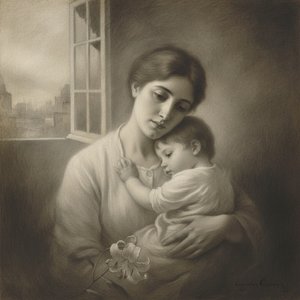
Eugène Carrière: The 'Peintre d'Âme' & Symbolist Portraiture’s Intimate Vision
Explore the haunting world of Eugène Carrière, a pivotal French Symbolist artist known for his deeply intimate portraits & 'peinture d'âme'. Discover his life, style, and lasting influence on modern masters like Picasso. Shop high-quality reproductions at OriginalUniqueArt.