

 ნახვა ინტერьерში
 გაგზავნა
 გაზიარება
 დეტალები
 გზამკვლევი

 ჩამოტვირთვა
 მსგავსები
 რენტგენოგრაფიული კვლევა
 სლაიდშოუ
 სტატისტიკა
Street, Dresden
 Acrylic On Canvas
- WallArt
- German Expressionism
 1908
1908- 19th Century
 150.0 x 200.0 cm
 MoMA - Moderni Kaloi Muzeumi
 სრული ტექსტის ნახვა
გიკლე / ხელოვნების პრინტი
მუზეუმის დონის ჟიკლე ან ტილოზე ბეჭდვა სწრაფი წარმოებისა და დასრულების მოქნილი ვარიანტებით. ( შეიძინეთ ხელით შესრულებული ნახატი გადასვლა ციფრულ გამოსახულებაზე)




P118B ₾10

P118H ₾10

P118W ₾10

P438Z ₾10

P508JH ₾12

P508YH ₾12

P805H ₾10

P805Z ₾10

P919BZ ₾10

P919G ₾10

P919XJ ₾10

P959ZH ₾10

P968JZ ₾12

W106C ₾8

W218G ₾10

W218JH ₾8

W218Y ₾10

W307PJ ₾10

W316G ₾10

W316PJ ₾8

W316Y ₾10

W398PJ ₾8

W4111J ₾10

W500HY ₾15

W500JH ₾15

W692G ₾12

W849H ₾8

W940BG ₾15

W953PJ ₾8




აირჩიეთ ჩვენს მიერ წინასწარ განსაზღვრული ზომებიდან, რომლებიც ნაწარმოების ორიგინალურ პროპორციებს შეესაბამება.

შეიყვანეთ თქვენთვის საჭირო სიგანე და სიმაღლე, რათა იგი მოერგოს თქვენს ჩარჩოს ან კედელს. ბეჭდვისას შესაძლებელია მხოლოდ მისი შემცირება და არა გაზრდა, ამიტომ სხვა ფორმის ზომის შემთხვევაში გამოსახულება ნაწილობრივ იკარგება. სანამ რაიმეს დაბეჭდავთ, ჩვენ გამოგიგზავნით ციფრულ მაკეტს დასდასტურებლად. ამ გვერდზე ნაჩვენები სურათი არ ასახავს რეალურ ჭრას — ამას მხოლოდ მაკეტი გვიჩვენებს.
მიწოდება მთელ მსოფლიოში () 2 კვირაში, სტანდარტული 4/5 კვირის ნაცვლად. (24 ოქტომბერი)

უფასო ექსპრეს მიწოდება მთელ მსოფლიოში

მაღალი ხარისხის ტილო

ტრანსპორტირების სრული დაზღვევა

საბაჟო გადასახადების დაბრუნების გარანტია

ფერების სრული შესაბამისობის გარანტია

დაბრუნების 100-დღიანი პერიოდი (მხოლოდ წარმოების დეფექტის შემთხვევაში)

100% თანხის სრული დაბრუნების გარანტია

ფასდაკლება დიდი რაოდენობით შეკვეთისას
 მინის ჩარჩოს არჩევანი ხელმისაწვდომია მხოლოდ 110 სმ-მდე ზომისთვის

Street, Dresden
გიკლე / ხელოვნების პრინტი
რეპროდუქციის ზომა
-


ჯამური ღირებულება
₾ 209
A Fragmented Urban Dream: Ernst Ludwig Kirchner’s “Street, Dresden”
Ernst Ludwig Kirchner's "Street, Dresden," painted in 1908 and later reworked in 1919, isn’t merely a depiction of a city street; it’s a visceral exploration of modern anxiety and the alienation inherent within rapidly changing urban landscapes. This large oil on canvas, measuring 150 x 200 cm, pulsates with an unsettling energy—a feeling that immediately draws the viewer into its chaotic heart. Kirchner, a pivotal figure in the German Expressionist movement, masterfully captures not just the visual reality of Dresden’s Königstrasse but also the psychological state of those who navigated its crowded thoroughfares.
The painting's style is undeniably expressive, moving far beyond traditional academic realism. Kirchner employs bold, flattened forms and jarring color combinations—a deliberate rejection of the naturalistic palette favored by earlier generations. The pinks, oranges, blues, and greens clash dramatically, creating a sense of unease and disorientation. Brushstrokes are loose and agitated, conveying movement and a feeling of urgency. This technique wasn’t simply aesthetic; it was a conscious effort to translate inner turmoil onto the canvas, mirroring the anxieties prevalent in Germany at the turn of the century – a nation grappling with industrialization, social upheaval, and a growing sense of displacement.
The Faces of Modernity
Kirchner’s figures are not individuals; they are fragments, masks representing the anonymous masses swept along by the currents of urban life. Each face is rendered with stark simplicity – often reduced to geometric shapes and simplified features—suggesting a loss of identity within the crowd. The woman in the center, clutching her purse, stares blankly ahead, while others turn away, their backs to the viewer, embodying a profound sense of isolation. Even the little girl, seemingly the most vulnerable figure, is dwarfed by her oversized hat, further emphasizing her detachment and insignificance. The artist deliberately avoids portraying individual personalities, instead focusing on the collective experience of being adrift in a bustling city.
Interestingly, Kirchner’s own letters reveal his personal struggle with loneliness during this period. He described feeling overwhelmed by the faces he encountered, noting that “Completely strange faces pop up as interesting points through the crowd. I am carried along with the current, lacking will.” This internal experience is powerfully translated into the painting's composition and color palette – a visual representation of his own sense of alienation.
A Bridge to Expressionism
“Street, Dresden” exemplifies the core tenets of German Expressionism. The movement sought to express subjective emotions and experiences rather than objective reality. Kirchner’s use of distorted forms, exaggerated colors, and fragmented compositions directly reflects this philosophy. The painting can be seen as a bridge between the anxieties of late 19th-century realism and the emotionally charged landscapes of early 20th-century Expressionism. It's a pivotal work in understanding the movement’s exploration of urban alienation and psychological distress.
Furthermore, Kirchner’s decision to rework the painting in 1919 demonstrates his ongoing engagement with the subject matter. The subtle changes—particularly in the color palette and the arrangement of figures—suggest a deepening of his artistic vision and a continued attempt to capture the complexities of modern urban life. The work's presence in museums like the Kirchner Museum Davos underscores its enduring significance within Expressionist art history.
Bringing “Street, Dresden” into Your Space
A hand-painted reproduction of "Street, Dresden" offers a remarkable opportunity to bring this powerful and evocative artwork into your home or office. OriginalUniqueArt’s meticulous reproductions capture the painting's vibrant colors, dynamic brushstrokes, and emotional intensity with exceptional detail. Whether you are an art collector, an interior designer seeking to create a thought-provoking atmosphere, or simply someone drawn to Kirchner’s unique vision, this reproduction provides a stunning and authentic representation of a seminal work in modern art history.
კითხვები და პასუხები
ვინ შექმნა "Street, Dresden"?
სამ 작품ის „Street, Dresden“ ავტორი არის ერნსტ ლუი დიო ბი 치 კირ შ ნᅥ რ. ნამუშევარი დატრიალებულია ერნსტ ლუი დიო ბი 치 კირ შ ნᅥ რ-ის სახელით.
რომელ სტილს მიეკუთვნება "Street, Dresden"?
"Street, Dresden" არის German Expressionism სტილის ნამუშევარი. აღნიშნული მიმდინარეობა მიუთითებს იმ მხატვრულ ტრადიციაზე, რომლის ნაწილიცაა ეს ნამუშევარი.
1908 წელს შექმნილი „Street, Dresden“ ერნსტ ლუი დიო ბი 치 კირ შ ნᅥ რ-ის შემოქმედების რომელი პერიოდის შესაბამისობაა?
1908 წელი „Street, Dresden“-ს ერნსტ ლუი დიო ბი 치 კირ შ ნᅥ რ-ის შემოქმედებითი განვითარების Early Expressionism პერიოდში ათავსებს.
მხატვრის ბიოგრაფია
Ernst Ludwig Kirchner (1880-1938): A Life Forged in Expression
Ernst Ludwig Kirchner, a name inextricably linked to the visceral heart of German Expressionism, emerged from a formative period – the cusp of monumental societal shifts – shaping an artistic trajectory defined by both fervent innovation and profound personal torment. His birth in Aschaffenburg, Bavaria, in 1880, initiated a life irrevocably molded by artistic experimentation and shadowed by psychological complexities. The evolving landscapes surrounding his childhood, dictated largely by his father’s profession as a paper scientist, instilled within him an inherent sense of displacement—a feeling that would subsequently permeate the very core of his oeuvre. From Frankfurt to Perlen, and culminating in his settled existence in Chemnitz, Kirchner absorbed the burgeoning anxieties characteristic of Germany's accelerating modernization, fueling a creative impulse rooted in confronting these turbulent currents. Initially steered toward architecture at Königliche Technische Hochschule Dresden, it was an instinctive yearning for painting—a rejection of academic formalism coupled with admiration for masters like Albrecht Dürer—that ultimately cemented his artistic vocation. He found kinship amongst fellow rebels – Fritz Bleyl, Karl Schmidt-Rottluff, and Erich Heckel – forging bonds that irrevocably altered the trajectory of 20th-century art history.Die Brücke: A Collective Response to Modern Anxiety
Kirchner’s artistic journey gained momentum in 1905 with his pivotal membership in *Die Brücke* (“The Bridge”), an artistic collective dedicated to bridging the chasm between traditional aesthetics and a more emotionally charged artistic idiom. This wasn't merely stylistic preference; it represented a fundamental philosophical stance—a resolute determination to transcend prevailing societal norms and embrace a radically honest portrayal of human experience. The group’s inspiration drew from sources often marginalized by the established art world: primitive art originating in Africa and Oceania, the audacious chromatic palette championed by Vincent van Gogh, and Edvard Munch's haunting exploration of psychological depths. Rejecting idealized representations of beauty favored by academic painting, *Die Brücke* artists deliberately distorted forms, employed jarring color combinations, and utilized expressive brushwork to convey the pervasive anxieties underpinning modern life. Kirchner’s formative works born from this collaborative spirit pulsed with an unrestrained energy—a reflection of the collective's shared conviction that artistic expression could serve as a conduit for confronting existential uncertainties. The studio became a crucible for experimentation, mirroring the broader societal upheaval of the era and fostering a dialogue between tradition and innovation.Early Influences & Artistic Training
Kirchner’s formative years were marked by intellectual curiosity and a burgeoning appreciation for visual art. His father's occupation as Professor of Paper Sciences instilled in him an awareness of craftsmanship and meticulous observation—skills that would prove invaluable to his artistic development. Attending Königliche Technische Hochschule Dresden provided him with foundational architectural training alongside intensive artistic instruction, cultivating his understanding of perspective drawing and the historical study of art. Notably, he befriended Fritz Bleyl during his studies, sharing a profound intellectual kinship characterized by spirited debate regarding artistic philosophy and aesthetic ideals. This friendship profoundly shaped Kirchner’s worldview—a conviction that art possessed the capacity to transcend superficial appearances and grapple with fundamental questions concerning human existence. His early explorations encompassed meticulous botanical drawings alongside ambitious architectural sketches—demonstrating a multifaceted approach to visual representation rooted in both scientific rigor and artistic sensitivity.The Expressionist Style: Distortion & Emotion
Kirchner’s artistic style swiftly distinguished itself from prevailing academic conventions, establishing him as a pioneer of German Expressionism. Rejecting the pursuit of idealized beauty—a hallmark of Impressionism—he embraced distortion, jarring color palettes, and expressive brushwork to convey profound emotional states. Influenced particularly by Henri Matisse and Edvard Munch, Kirchner deliberately manipulated form and color to heighten the impact of his compositions—creating visual narratives that prioritized psychological resonance over literal accuracy. His canvases pulsated with an energy born from confronting anxieties about humanity’s place in the modern world—a preoccupation reflected in recurring motifs such as urban landscapes populated by solitary figures grappling with existential dilemmas. The studio served as a locus for experimentation, mirroring the broader societal turbulence of the period and fostering a dialogue between tradition and innovation. Kirchner's masterful handling of pigment—characterized by visible brushstrokes and bold color combinations—became synonymous with the Expressionist aesthetic—a testament to his unwavering commitment to artistic truthfulness.Legacy & Recognition: Facing Adversity
Kirchner’s artistic career was tragically curtailed by the rise of Nazism in 1933, resulting in devastating consequences for his work and personal life. Over six hundred of his paintings were confiscated and deemed “degenerate” art—a politically motivated act that inflicted irreparable damage upon his reputation and severed him from mainstream German cultural discourse. Suffering from debilitating illness—likely exacerbated by psychological trauma—Kirchner retreated to Davos, Switzerland, seeking solace amidst the tranquil Alpine landscape. Despite facing persecution and declining health, he continued to create—producing evocative depictions of mountains and forests imbued with a palpable sense of melancholy and longing. Tragically, Kirchner succumbed to suicide in 1938—a poignant end to a life dedicated to artistic expression and confronting existential anxieties. Nevertheless, Ernst Ludwig Kirchner’s enduring legacy persists as a cornerstone of German Expressionism—inspiring generations of artists with his uncompromising vision and masterful technique. His paintings continue to resonate powerfully today—serving as a testament to the transformative potential of art to grapple with profound questions concerning human experience and societal change.
ერნსტ ლუი დიო ბი 치 კირ შ ნᅥ რ
1880 - 1938 , გერმანია
მოკლე ფაქტები
- Artistic Movement Or Style: ექსპრესიონიზმი
- Artists Who Influenced This Artist:
- ალბრეხტი დურერი
- ვინსენტი ვან გოხი
- ედვარდი მუნხ
- Date Of Birth: 6 მაისი 1880
- Date Of Death: 15 ივნისი 1938
- Full Name: Ernst Ludwig Kirchner
- Nationality: გერმანელი
- Notable Artworks:
- სტურიტის სველი დანდები
- დი ბრიუხე
- სავაჭრო სადგომები და კაფეები
- Place Of Birth: ასშაფენბურგი, გერმანია
მსგავსი სტატიები
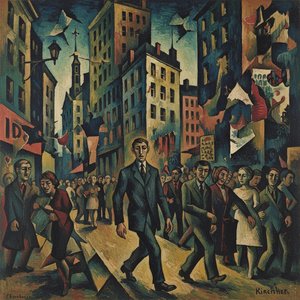
Ernst Ludwig Kirchner: Expressionism's Urban Anxiety & the Fragmentation of Modern Identity
Explore the powerful world of Ernst Ludwig Kirchner and German Expressionism. Discover his iconic paintings, Die Brücke group, and the movement's exploration of urban anxiety & modern identity. Expert analysis for collectors & enthusiasts.
From Walls to Galleries: The Bold Evolution of Street Art and Its Rise into High-End Collectibles
Explore the captivating journey of street art from urban walls to prestigious galleries. Discover how contemporary graffiti has evolved into a high-end collectible movement, redefining modern interior design and global art culture.
Banksy Unmasked: The Street Art Icon Redefining Modern Rebellion and the Future of Urban Aesthetics
Dive into the subversive world of Banksy. Explore how this street art icon uses stencil rebellion to redefine modern culture, from political satire to high-impact urban aesthetics. Discover the future of pop-culture trends and the evolution of street art as a premium collectible.
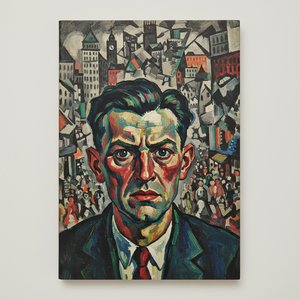
The Vibrant World of Ernst Ludwig Kirchner: A Definitive Guide to German Expressionism
Explore the raw emotion of German Expressionism through a definitive guide to Ernst Ludwig Kirchner. Discover how his bold colors and distorted forms redefined modern art history, from Berlin street scenes to iconic masterpieces.

German Expressionism's 10 Defining Masterpieces | Art for Your Home
Explore 10 defining German Expressionism masterpieces – from Munch's 'The Scream' to Kandinsky’s abstracts. Discover the artists, stories & bold colors behind this powerful art movement. Find museum-quality reproductions at OriginalUniqueArt.com.


