

 ნახვა ინტერьерში
 გაგზავნა
 გაზიარება
 დეტალები
 გზამკვლევი

 ჩამოტვირთვა
 მსგავსები
 რენტგენოგრაფიული კვლევა
 სლაიდშოუ
 სტატისტიკა
Daniel Boone Fighting the Indians


 სრული ტექსტის ნახვა
გიკლე / ხელოვნების პრინტი
მუზეუმის დონის ჟიკლე ან ტილოზე ბეჭდვა სწრაფი წარმოებისა და დასრულების მოქნილი ვარიანტებით. ( შეიძინეთ ხელით შესრულებული ნახატი გადასვლა ციფრულ გამოსახულებაზე)




































აირჩიეთ ჩვენს მიერ წინასწარ განსაზღვრული ზომებიდან, რომლებიც ნაწარმოების ორიგინალურ პროპორციებს შეესაბამება.

თქვენ შეგიძლიათ მიუთითოთ საკუთარი ზომები კონკრეტული ჩარჩოსთვის ან სივრცისთვის მოსარგებლებლად. თუ თქვენ მიერ არჩეული ზომა არ შეესაბამება ორიგინალი გამოსახულების პროპორციებს, ჩვენ ან დავჭრით ნამუშევარს, ან გავაფართოვებთ გამოსახულებას სარკული ან ერთფეროვანი კიდეებით. წარმოების დაწყებამდე თქვენს დასამტკიცებლად გამოგეგზავნებათ ციფრული მაკეტი.
გთხოვთ, გაითვალისწინოთ, რომ ეკრანზე ნაჩვენები წინასწარი ნახვა არ ასახავს რეალურ ჭრას ან გაფართოებას. მხოლოდ მაკეტზე იქნება ზუსტად წარმოდგენილი საბოლოო კომპოზიცია.
მიუხედავად იმისა, რომ ინდივიდუალური ზომები ხელმისაწვდომია, ორიგინალური პროპორციების შესანარჩუნებლად გირჩევთ, აირჩიოთ ზომა წინასწარ განსაზღვრული სიისგან.
მიწოდება მთელ მსოფლიოში () 2 კვირაში, სტანდარტული 4/5 კვირის ნაცვლად. (27 სექტემბერი)

უფასო ექსპრეს მიწოდება მთელ მსოფლიოში

მაღალი ხარისხის ტილო

ტრანსპორტირების სრული დაზღვევა

საბაჟო გადასახადების დაბრუნების გარანტია

ფერების სრული შესაბამისობის გარანტია

დაბრუნების 100-დღიანი პერიოდი (მხოლოდ წარმოების დეფექტის შემთხვევაში)

100% თანხის სრული დაბრუნების გარანტია

ფასდაკლება დიდი რაოდენობით შეკვეთისას
 მინის ჩარჩოს არჩევანი ხელმისაწვდომია მხოლოდ 110 სმ-მდე ზომისთვის

Daniel Boone Fighting the Indians
გიკლე / ხელოვნების პრინტი
რეპროდუქციის ზომა
-


ჯამური ღირებულება
$ 80
მხატვრის ბიოგრაფია
The Sculptor of American Frontier Visions
Enrico Causici remains a captivating, if somewhat enigmatic, figure within the grand tapestry of nineteenth-century art. Born in Verona, Italy, in 1790, his life was defined by a restless movement between the refined classical traditions of Europe and the raw, burgeoning energy of the American frontier. While much of his biographical detail remains shrouded in the mists of history, the traces of his talent are etched permanently into the stone and marble of early American monuments. Often identified as a pupil of the legendary Neoclassical master Antonio Canova, Causici carried the weight of Italian sculptural precision across the Atlantic, blending the idealized grace of the Old World with the rugged, dramatic narratives of the New.
His journey to the United States was not merely a change in geography but a profound artistic metamorphosis. Arriving in a nation that was still searching for its own visual identity, Causici found himself uniquely positioned to translate the American spirit into permanent form. Between 1822 and 1832, his presence was felt in major political and cultural hubs, from the bustling streets of New York City to the halls of power in Washington, D.C. He possessed a rare ability to marry the technical rigor of his Italian training with the epic, often violent, themes of American expansionism, creating works that were as much historical documents as they were aesthetic triumphs.
Mastery of Form and the American Narrative
The true brilliance of Causici lay in his capacity for dramatic dynamism. While his foundational training emphasized the smooth surfaces and anatomical accuracy characteristic of Neoclassicism, he was never content with mere stillness. His work often pulsed with a sense of captured motion, a quality essential for depicting the high-stakes conflicts of the American wilderness. This is perhaps most vividly realized in his celebrated sandstone reliefs intended for the U.S. Capitol, such as "Conflict Between Daniel Boone and the Indians." In these pieces, the artist moved beyond static portraiture to embrace a more expressive, Romantic sensibility, utilizing texture and composition to convey the tension of the frontier.
Beyond the smaller reliefs, Causici sought to immortalize the giants of American history through monumental sculpture. His ambitions were reflected in his large-scale commissions, including:
- The Equestrian Statue of George Washington: A commanding work that showcased his ability to handle complex anatomical structures and the grandeur of leadership.
- The Monument at Baltimore: An ambitious project featuring a statue of Washington that demonstrated his skill in creating civic landmarks intended to inspire national pride.
- Bas-reliefs for the Capitol Rotunda: Works such as "The Landing of the Pilgrims," which sought to weave the foundational myths of the United States into the very architecture of its government.
A Legacy Carved in Stone
Despite his significant contributions, Causici’s life was marked by a tragic brevity. After years of shaping the visual landscape of a young nation, he departed the United States in 1832. His journey led him to Havana, Cuba, where he succumbed to illness, leaving behind a legacy that was as much about his untimely departure as it was about his artistic achievements. Though his career was cut short, the impact of his work endured through the physical presence of his monuments in the heart of American democracy.
Today, art historians view Enrico Causici not merely as an itinerant sculptor, but as a vital bridge between two worlds. He brought the sophisticated language of Italian Neoclassicism to a landscape that was hungry for grandeur, providing the young United States with a sense of historical weight and permanence. His ability to capture the sublime—the mixture of beauty and terror found in the American wilderness—ensures that his name remains whispered with reverence among those who study the intersection of art, politics, and national identity.
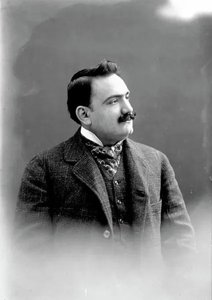
enrico causici
1790 - 1833 , Italy
მოკლე ფაქტები
- Artistic Movement Or Style: Romantic Painting
- Artists Or Movements Influenced By This Artist: ['']
- Artists Who Influenced This Artist: ['Canova']
- Date Of Birth: 1790
- Full Name: Enrico Causici
- Nationality: Italian
- Notable Artworks:
- Boone and Indians
- Daniel Boone Fighting the Indians
- Place Of Birth: Verona, Italy