Expressionism
Summer Clouds (ემილ ნოლდე)
ემილ ნოლდე (1867–1956)-მა შექმნა Summer Clouds. ის Expressionism მიძღვნილ სტილს მიეკუთვნება. შესრულებულია Oil-ით.
- Oil

 წინასწარი ნახვა

 ხელით შესრულებული ზეთប្រეწერი
 გაგზავნა
 გაზიარება
 სპეცფიკაცია


 ჩამოტვირთვა
 მსგავსები
 რენტგენოგრაფიული კვლევა
 სლაიდშოუ
 კითხვა-პასუხი

 სტატისტიკა
Summer Clouds, მოკლედ
- სათაური
- Summer Clouds
- ავტორი
- ემილ ნოლდე (1867–1956)
- ხატვის წელი და ადგილი
- ნოლდე, დანია
- ტექნიკა
- Oil
- მოძრაობა
- Expressionism
- ეპოქა
- Modern
- სუბიექტი
- ocean, clouds, sky, blue, white
რა არის გამოსახული Summer Clouds-ში?
Identification of the Artwork and Artist
Summer Clouds is an expressionist work by Emil Nolde. Born in 1867 in Nolde, Denmark, the artist developed a visual language centered on intense, personal feeling and the psychological weight of his subjects. His approach moved beyond mere representation to capture the internal pulse of the natural world.
Nolde’s career spanned much of the early twentieth century until his death in 1956. His practice was defined by a search for a visual language capable of holding the intensity of his observations, often utilizing color as the primary substance of form. This work reflects his preoccupation with the immediate sensation of light and atmosphere.
The Composition and Visual Elements
The composition is defined by a horizontal division between a blue ocean and the sky above. Within the celestial expanse, at least thirteen white clouds are scattered across the scene. These forms vary in both size and shape, with some positioned closer to the water's surface while others recede into the distance. The arrangement creates a sense of depth through the varying scale of these atmospheric elements.
The interaction of the blue water and the white clouds establishes a serene and peaceful atmosphere. The work captures the quiet beauty of nature through this simple, direct arrangement of color and form. The visual weight is distributed across the canvas, focusing on the relationship between the sea and the sky.
Summer Clouds-ის მაღალი გარ Auflხ resolución-ის გამოსახულებები

საჯარო საკუთრება: მხატვარი გარდაიცვალა 1956 წელს.
სხვა ზომები, კადრისრები და ციტირება →ემილ ნოლდე, Summer Clouds. საჯარო საკუთრება
კითხვები Summer Clouds-ზე, პასუხები
რა ტექნიკა გამოიყენეს ემილ ნოლდე-ის „Summer Clouds“-ის შესაქმნელად?
ემილ ნოლდე-ის „Summer Clouds“-ის მასალა არის Oil. რეპროდუქციების მიზანია ამ ტექნიკის ვიზუალური მხარის ზუსტი გადმოცემა.
რას ეხება "Summer Clouds"?
ემილ ნოლდე-ის „Summer Clouds“-ში წარმოდგენილი თემები მოიცავს ocean, clouds, sky, blue, white-ს, რაც ერთობლიობაში ასახავს ნამუშევრის შინაარსს.
არის თუ არა ემილ ნოლდე-ის „Summer Clouds“ საჯარო დომენში?
რაც შეეხება საავტორო უფლებებს, „Summer Clouds“ არის საჯარო საკუთრებაშია — საავტორო უფლებები ამოწდა.
რომელ ხელოვანს მიეწერება "Summer Clouds"?
„Summer Clouds“ მიკუთვნებულია ემილ ნოლდე-ს.
რომელ სტილს მიეკუთვნება "Summer Clouds"?
ემილ ნოლდე-ის „Summer Clouds“ მიეკუთვნება Expressionism მიმდევრობას. ეს მიმდევრობა ნამუშევარს სტილისტურ კონტექსტს სძენს.
არის თუ არა ემილ ნოლდე-ის ნამუშევარი „Summer Clouds“ საჯარო საკუთრებაში და რატომ?
ემილ ნოლდე-ის „Summer Clouds“ არის საჯარო საკუთრებაშია — საავტორო უფლებები ამოწდა. საავტორო უფლებების ვადა ითვლება ხელოვანის გარდაცვალებიდან, რომელიც მოხდა 1956 წელს.
რა საერთო აქვს „Summer Clouds“-ს ემილ ნოლდე-ის შემოქმედების სხვა ნაწილით?
"Summer Clouds"-ს ემილ ნოლდე-ის სხვა ნამუშევრებთან საერთო აქვს Expressionism სტილი და განმეორებადი თემები: post-impressionist influences, die brücke group member, expressionist style, focus on color and form, subjective and primal themes.
არის თუ არა "Summer Clouds" იმის ტიპური ნიმუში, რასაც ემილ ნოლდე ჩვეულებრივ ქმნიდა?
"Summer Clouds" ასახავს ocean, clouds, sky, blue, white-ს, მაშინ როდესაც ემილ ნოლდე-ის შემოქმედებაში დაფიქსირებული თემებია post-impressionist influences, die brücke group member, expressionist style, focus on color and form, subjective and primal themes. ამ ორი კომპონენტის შედარება გვიჩვენებს, თუ როგორ უკავშირდება ეს ნამუშევარი ხელოვანისთვის დამახასიათებელ საკצועებს.
ხელပاتარში: ემილ ნოლდე
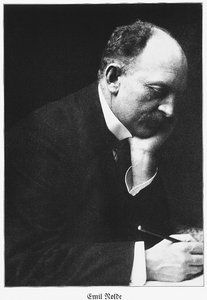
1867–1956, დანია
ემილ ნოლდე
The Life and Identity of Emile Nolde Born Hans Emil Hansen on 7 August 1867, the man who would become known as Emile Nolde grew up near the village of Nolde in the Duchy of Schleswig. His early years were shaped by the rural, agrarian life of his family. He eventually moved away from this path, choosing instead to work as a wood carver and furniture decorator. This tactile, physical labor preceded his shift toward painting and printmaking.
ასევე ემილ ნოლდე-ის მიერ
 Sunset
 Sea with Red Sky
 Couple on the beach1903
 Masks1911

ესეები Summer Clouds-ის შესახებ
 Ethereal Skies: The Curated Collector's Guide to Cloudscape Masterpieces and Atmospheric GrandeurDiscover the sublime beauty of cloudscape masterpieces. From Impressionist light to atmospheric depth, explore a curated journey through fi…
 Expressionism vs. New Objectivity: Emotion vs. Precision in German ArtMaster the tension between Expressionist emotion and New Objectivity precision. Explore the soul of German modern art now.
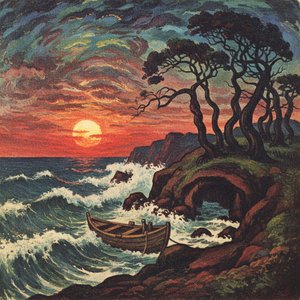 Emile Nolde: A Journey into Expressionist Nature & the Primal SelfExplore the powerful Expressionism of Emile Nolde – a pioneer of emotive landscapes & spiritual themes. Discover his journey, influences, a…