

 ნახვა ინტერьерში
 გაგზავნა
 გაზიარება
 დეტალები
 გზამკვლევი

 ჩამოტვირთვა
 მსგავსები
 რენტგენოგრაფიული კვლევა
 სლაიდშოუ
 სტატისტიკა
[Lady
 Acrylic On Canvas
- WallArt
- Expressionist Nature
 1922
1922 47.0 x 35.0 cm
 MAM Rio
 სრული ტექსტის ნახვა
გიკლე / ხელოვნების პრინტი
მუზეუმის დონის ჟიკლე ან ტილოზე ბეჭდვა სწრაფი წარმოებისა და დასრულების მოქნილი ვარიანტებით. ( შეიძინეთ ხელით შესრულებული ნახატი გადასვლა ციფრულ გამოსახულებაზე)




P118B ₾10

P118H ₾10

P118W ₾10

P438Z ₾10

P508JH ₾12

P508YH ₾12

P805H ₾10

P805Z ₾10

P919BZ ₾10

P919G ₾10

P919XJ ₾10

P959ZH ₾10

P968JZ ₾12

W106C ₾8

W218G ₾10

W218JH ₾8

W218Y ₾10

W307PJ ₾10

W316G ₾10

W316PJ ₾8

W316Y ₾10

W398PJ ₾8

W4111J ₾10

W500HY ₾15

W500JH ₾15

W692G ₾12

W849H ₾8

W940BG ₾15

W953PJ ₾8




აირჩიეთ ჩვენს მიერ წინასწარ განსაზღვრული ზომებიდან, რომლებიც ნაწარმოების ორიგინალურ პროპორციებს შეესაბამება.

შეიყვანეთ თქვენთვის საჭირო სიგანე და სიმაღლე, რათა იგი მოერგოს თქვენს ჩარჩოს ან კედელს. ბეჭდვისას შესაძლებელია მხოლოდ მისი შემცირება და არა გაზრდა, ამიტომ სხვა ფორმის ზომის შემთხვევაში გამოსახულება ნაწილობრივ იკარგება. სანამ რაიმეს დაბეჭდავთ, ჩვენ გამოგიგზავნით ციფრულ მაკეტს დასდასტურებლად. ამ გვერდზე ნაჩვენები სურათი არ ასახავს რეალურ ჭრას — ამას მხოლოდ მაკეტი გვიჩვენებს.
მიწოდება მთელ მსოფლიოში () 2 კვირაში, სტანდარტული 4/5 კვირის ნაცვლად. (22 ოქტომბერი)

უფასო ექსპრეს მიწოდება მთელ მსოფლიოში

მაღალი ხარისხის ტილო

ტრანსპორტირების სრული დაზღვევა

საბაჟო გადასახადების დაბრუნების გარანტია

ფერების სრული შესაბამისობის გარანტია

დაბრუნების 100-დღიანი პერიოდი (მხოლოდ წარმოების დეფექტის შემთხვევაში)

100% თანხის სრული დაბრუნების გარანტია

ფასდაკლება დიდი რაოდენობით შეკვეთისას
 მინის ჩარჩოს არჩევანი ხელმისაწვდომია მხოლოდ 110 სმ-მდე ზომისთვის

[Lady
გიკლე / ხელოვნების პრინტი
რეპროდუქციის ზომა
-


ჯამური ღირებულება
₾ 209
A Portrait of Quiet Intensity: Emil Nolde’s “Lady”
Emil Nolde's "Lady," painted in 1922, isn’t merely a portrait; it’s a distilled essence of introspection and subtle power. Executed in watercolor on paper, the work immediately possesses a captivating vintage quality – a delicate softness that belies the profound emotional depth contained within its simple composition. The painting depicts a woman, her features rendered with an almost hesitant delicacy, yet imbued with a remarkable stillness. Her gaze, directed slightly off-center, invites the viewer into a private world, fostering a sense of intimate observation rather than straightforward representation.
Nolde’s style at this period – roughly midway through his career – is characterized by an expressive use of color and a willingness to depart from photographic realism. He wasn't interested in capturing a likeness; instead, he sought to convey mood and feeling. The palette here is restrained yet luminous: muted blues and greens dominate, punctuated by the warm blush of her dress and the delicate pink of a flower nestled within her hair. This careful orchestration of color contributes significantly to the painting’s overall atmosphere – one of quiet contemplation and understated elegance.
The Echoes of Expressionism and Folk Art
To understand “Lady,” it's crucial to situate it within the broader context of Nolde’s artistic development. He was a key figure in Die Brücke (The Bridge), an early German Expressionist group that rejected academic traditions in favor of subjective experience and emotional intensity. However, unlike some of his fellow Brücke members, Nolde retained a strong connection to folk art – particularly the expressive power of primitive masks and carvings from his native Schleswig-Holstein. This influence is evident in the painting’s simplified forms and its avoidance of overly detailed rendering.
Furthermore, Nolde's early life profoundly shaped his artistic vision. Born Hans Emil Hansen into a family deeply rooted in rural traditions and religious beliefs, he carried with him a sense of connection to the natural world and a reverence for the spiritual. This is subtly reflected in the painting’s serene atmosphere and its suggestion of timelessness – as if the subject exists outside of conventional time and place.
Symbolism and the Enigma of the Subject
The flower in the woman's hair, a delicate pink bloom, carries significant symbolic weight. It represents beauty, fragility, and perhaps even remembrance. Its placement is deliberate, drawing attention to her face and subtly enhancing the sense of intimacy. The slight tilt of her head, combined with her averted gaze, creates an air of mystery – we are left wondering about her thoughts and feelings. Is she lost in contemplation? Does she hold a secret? Nolde deliberately avoids providing definitive answers, allowing the viewer to project their own interpretations onto the image.
The woman’s posture is remarkably relaxed, yet there's an underlying tension—a quiet strength that suggests resilience. She isn’t passively receiving; she is actively observing, holding herself with a dignified composure. This subtle interplay of vulnerability and fortitude makes “Lady” a compelling study in human character.
A Timeless Masterpiece: Reproduction Possibilities
OriginalUniqueArt offers meticulously crafted hand-painted reproductions of Emil Nolde’s "Lady," ensuring that the painting's delicate beauty and emotional resonance are faithfully preserved. Each reproduction is created by skilled artists using archival-quality materials, guaranteeing its longevity and authenticity. Whether you seek a stunning addition to your art collection or a unique piece for your interior design scheme, our reproductions provide an exceptional opportunity to experience the power and allure of this iconic work. The original’s intimate scale – 47 x 35 cm – is perfectly replicated, allowing you to bring Nolde's evocative portrait into your space with remarkable fidelity.
კითხვები და პასუხები
რა არის ემილ ნოლდე-ის „[Lady“-ის აღქმადი სიკაშკაშე?
ემილ ნოლდე-ის „[Lady“-ის აღქმადი სიკაშკაშე არის balanced. ის შესაძლოა შეესაბამებოდეს განკუთვნილი სივრცის განათებას.
როგორ ერწყმის მასალა და სტილი ერთმანეთს ნამუშევარში "[Lady"?
ემილ ნოლდე-ის „[Lady“-ში Acrylic On Canvas ტექნიკა და Expressionist Nature სტილი ერთიანდება. ტექნიკა და მიმდინარეობა აღწერს ნამუშევრის შესრულების მეთოდსა და სტილს.
როგორ უკავშირდება „[Lady“-ის სტილი მისი ავტორის ეპოქას?
ემილ ნოლდე-ის „[Lady“-ში Expressionist Nature სტილით შეხვედრა ხდება მე-19 საუკუნე ეპოქასთან.
მხატვრის ბიოგრაფია
ემილ ნოლდეს ცხოვრება და მემკვიდრეობა
ემილ ნოლდე, სახელოვანი გერმან-დანელი მხატვარი, დაიბადა ჰანს ემილ ჰანსენად 7 აგვისტოს, 1867 წელს ნოლდესთან, შლეზვიგ-ჰოლშტაინში, გერმანიაში. იგი გაიზარდა ოჯახში, რომელიც მჭიდროდ იყო დაკავშირებული სოფლის ცხოვრებასა და რელიგიურ შეხედულებებთან, ფაქტორები, რომლებმაც მნიშვნელოვნად იმოქმედეს მის მხატვრულ ხედვაზე. მიუხედავად მშობლების თავდაპირველი წინააღმდეგობისა, რომლებმაც უპირატესობას კონვენციონალური კარიერა ანიჭებდნენ, ნოლდე შეუწყალებლად ეწრმო ხელოვნებას. მან თავდაპირველად მუშაობდა ხის చెვევაზე და ავეჯის შემკულობაში, სანამ ოცდაათი წლის ასაკში მთლიანად შექმნას ხატვა.
ხელოვნური განვითარება და გავლენები
ნოლდეს მხატვრული მოგზაურობა თვითგანათებითა და შესწავლის ნიშნით იყო აღსანიშნავი. მან ფართოდ იმოგზაურა, ათავისუფლებდა სხვადასხვა კულტურის და ხელოვნების ფორმებს. ადრეულ გავლენებში შედიოდა ვინცენტ ვან გოგი, პოლ გაუგენი და ტრადიციული ხალხური ხელოვნება - განსაკუთრებით პირველყოფილი ნიღბებისა და ქანდაკებების გამომსახველობითი ძალა. ამ შეხვედრებმა გააძლიერა ინტერესი თამამ ფერებზე, მარტივ ფორმებზე და ემოციურად დამუხტულ სუბიექტებზე. თავდაპირველად მან რეალიზმი და იმპრესიონიზმი გამოიცადა, მაგრამ სწრაფად გადავიდა უფრო სუბიექტურ და გამომსახველ სტილზე.
Die Brücke და ექსპრესიონისტული გარღვევა
1905 წელს ნოლდე თანადამფუძნებელი გახდა Die Brücke (ხიდი), გერმანელი ექსპრესიონისტების მნიშვნელოვანი ჯგუფი. ამ კოლექტივმა ისწრაფვა გათავისუფლება აკადემიური ტრადიციებიდან და შინაგანი ემოციების გამოხატვა რადიკალური მხატვრული ექსპერიმენტებით. ნოლდეს წვლილი Die Brücke-ში მნიშვნელოვანი იყო; ფერის ინტენსიურმა გამოყენებამ და ფორმების დამახინჯებამ წარმომადგენლობის საზღვრები გადააადგილა. თუმცა, მან ჯგუფის ფარგლებში გარკვეული დამოუკიდებლობა შეინარჩუნა, ხშირად განსხვავდებოდა სუბიექტისა და სტილისტური მიდგომების მხრივ.
ძირითადი თემები და მხატვრული სტილი
ნოლდეს ნაწარმოებში რამდენიმე განმეორებადი თემა ხასიათდება: რელიგიური სცენები, ლანდშაფტები, ზღვის პეიზაჟები და პორტრეტები. იგი განსაკუთრებით გატაცებული იყო ნიღბების ძლიერებით - როგორც ფიზიკურ ობიექტებთან, ასევე პირველყოფილი ემოციების სიმბოლური წარმომადგენლობით. მისი მხატვრული სტილი შემდეგით არის განისაზღვრება:
- თამამი, ცოცხალი ფერები ემოციური ინტენსივობის გამოსახატავად
- დამახინჯებული ფორმები, რომლებიც რეალისტური წარმომადგენლობის ნაცვლად გამოხატულებას უპირატესობას ანიჭებენ
- იმპასტო ტექნიკა - ფერის სქელი წნული, რომელიც ტექსტურას ქმნის
- შიდა ფსიქოლოგიური მდგომარეობის დაფიქსირება
შემნიშვნელო ნამუშევრები და მიღწევები
კარიერის განმავლობაში ნოლდემ უზარმაზარი რაოდენობით ნამუშევარი შექმნა. მის ყველაზე ცნობილ ნახატებს შორის შედის:
- ნიღბები (1906-1907) - მისი გატაცება პირველყოფილი ხელოვნებით
- ქრისტეს დასაყვავება (1909) – ძლიერი და ემოციურად დამუხტული რელიგიური სცენა
- შემდგომ ზღვა (1908) - მისი გამომსახველობითი ლანდშაფტის ხატვის დემონსტრაცია.
- ყვავილოვანი ბაღი (გოგონა და სარეცხი) (1907)
- ცეკვა ოქროს ტელეზე (1909)
კრიტიკისა და ცენზურის მიუხედავად ნაცისტური რეჟიმის დროს - მის ნამუშევრებს "დეგenerate" უწოდებდნენ - ნოლდე განაგრძობდა ხატვას საიდუმლოდ. მან ამ პერიოდში მნიშვნელოვანი რაოდენობით აკვარელის ნახატი შექმნა, რაც მისი ხელოვნული გამოხატულებისადმი მტკიცე ერთგულებასdemonstrates.
ისტორიული მნიშვნელობა და მემკვიდრეობა
ემილ ნოლდეს ფერის ინოვაციურმა გამოყენებამ და გამომსახველობითი ხაზებით მომავალ თაობებს უზარმაზარი გავლენა მოახდინა. მისმა ნამუშევრებმა ხიდი ააგეს ტრადიციული წარმომადგენლობით ხელოვნებასა და შემდგომი აბსტრაქტული მიძინებების შორის. ის რჩება გერმანელი ექსპრესიონიზმის ცენტრალურ ფიგურად, რომელიც აღიარებულია მისი ემოციური ინტენსივობისთვის, თამამი ექსპერიმენტებისთვის და მარადიული მხატვრული ხედვისთვის. მისი მემკვიდრეობა აგრძნობინებს ხელოვანებსა და ხელოვნების მოყვარულებს მთელ მსოფლიოში.
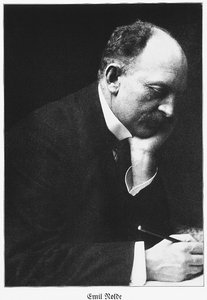
ემილ ნოლდე
1867 - 1956 , გერმანია
მოკლე ფაქტები
- Artistic Movement Or Style: ექსპრესიონიზმი
- Artists Or Movements Influenced By This Artist: ['Die Brücke']
- Artists Who Influenced This Artist:
- Vincent van Gogh
- Paul Gauguin
- Date Of Birth: 7 აგვისტო 1867
- Date Of Death: 1956
- Full Name: Emil Nolde
- Nationality: გერმან-დანური
- Notable Artworks (List Of Titles):
- The Mocking of Christ
- Autumn Sea
- Place Of Birth (City And Country): ნორდელი, გერმანია
მსგავსი სტატიები

Watercolor Wonders: 10 Masterpieces That Redefined Art History | OriginalUniqueArt
Journey through 10 legendary watercolor masterpieces by Sargent, Turner & Homer! Explore iconic landscapes, portraits & floral art that redefined history. Find museum-quality reproductions and curated decor ideas at OriginalUniqueArt.com.

წყლის საღებავის ხელოვნება: ისტორიული მიმოხილვა, ტექნიკური ასპექტები და თანამედროვე მიდგომები
გაიგეთ წყლის საღებავის ხელოვნების ისტორია, ტექნიკური ასპექტები და თანამედროვე მიდგომები. პროფესიონალური რჩევები, მასტერ-კლასები და კოლექციონერებისთვის სასარგებლო ინფორმაცია OriginalUniqueArt-ზე!

Ephemeral Visions: Exploring the Artistic Legacy & Nuances of Watercolor Painting
Explore the captivating world of watercolor painting! Discover its rich history, essential techniques, influential artists & collecting tips from art experts. A comprehensive guide for enthusiasts.

Ephemeral Visions: Exploring the Artistic Legacy & Contemporary Practice of Watercolor Painting
Explore the captivating world of watercolor painting! Discover its rich history, essential techniques, influential artists & collecting tips. A comprehensive guide for art enthusiasts from OriginalUniqueArt.

Ephemeral Visions: Exploring the History & Emotional Resonance of Watercolor Painting
Explore the captivating history of watercolor painting, from ancient techniques to modern masters like Kandinsky & Blake. Discover essential artists, collecting tips & the emotional power of this luminous medium. Expert insights for art enthusiasts.

