
 ნახვა ინტერьерში
 გაგზავნა
 გაზიარება
 დეტალები
 გზამკვლევი

 ჩამოტვირთვა
 მსგავსები
 რენტგენოგრაფიული კვლევა
 სლაიდშოუ
 სტატისტიკა
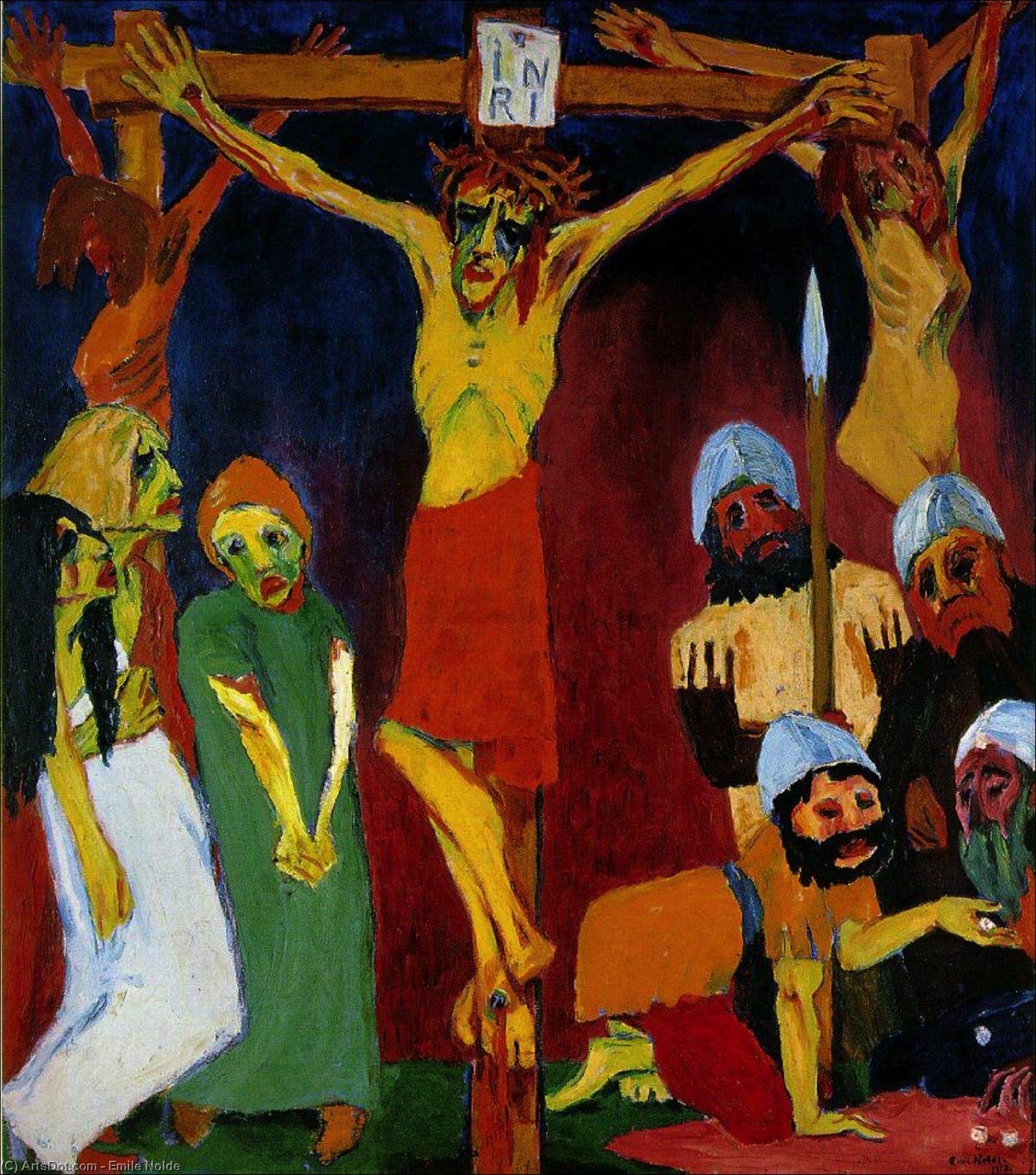
Crucifixion,
 Acrylic On Canvas
- WallArt
- Expressionist Symbolism
 1912
1912- 19th Century
 221.0 x 194.0 cm
 სრული ტექსტის ნახვა
ხელით შესრულებული ზეთის საღებავით რეპროდუქცია
ტილოზე შესრულებული ფერწერიანი ზეთប្រდათი, თქვენთვის სასურველი ზომისა და ჩარჩოსთვის, ჩვენი ხელოვანების მიერ შეკვეთის საფუძველზე დამზადებული. ( გადართვა ბეჭდვის რეჟიმზე გადასვლა ციფრულ გამოსახულებაზე)




P118B ₾10

P118H ₾10

P118W ₾10

P438Z ₾10

P508JH ₾12

P508YH ₾12

P805H ₾10

P805Z ₾10

P919BZ ₾10

P919G ₾10

P919XJ ₾10

P959ZH ₾10

P968JZ ₾12

W106C ₾8

W218G ₾10

W218JH ₾8

W218Y ₾10

W307PJ ₾10

W316G ₾10

W316PJ ₾8

W316Y ₾10

W398PJ ₾8

W4111J ₾10

W500HY ₾15

W500JH ₾15

W692G ₾12

W849H ₾8

W940BG ₾15

W953PJ ₾8




აირჩიეთ ჩვენს მიერ წინასწარ განსაზღვრული ზომებიდან, რომლებიც ნაწარმოების ორიგინალურ პროპორციებს შეესაბამება.

Type the width and the height you need, to fit your frame or your wall. This is hand-painted, so for a size with a different shape the artist can paint a bit more around the picture, or cut a bit — you choose. We send you a digital mockup to approve before the painting starts. The picture shown on this page does not show the real result — only the mockup does.
შეკვეთის შემდეგ, OriginalUniqueArt.com გუნდი დაგიკავშირდებათ ელექტრონული ფოსტით ინსტრუქციებისთვის და გამოგიგზავნით წინასწარ ნახაზს (mockup).
მიწოდება მსოფლიო მასშტაბით -ში 3/4 კვირაში, სტანდარტული 5 კვირის ნაცვლად. (14 ოქტომბერი). ხარისხზე კომპრომისის გაკეთება არ მოხდება.

უფასო ექსპრეს მიწოდება მთელ მსოფლიოში

მაღალი ხარისხის ტილო

ტრანსპორტირების სრული დაზღვევა

საბაჟო გადასახადების დაბრუნების გარანტია

ფერების სრული შესაბამისობის გარანტია

დაბრუნების 100-დღიანი პერიოდი (მხოლოდ წარმოების დეფექტის შემთხვევაში)

100% თანხის სრული დაბრუნების გარანტია

ფასდაკლება დიდი რაოდენობით შეკვეთისას
 მინის ჩარჩოს არჩევანი ხელმისაწვდომია მხოლოდ 110 სმ-მდე ზომისთვის

Crucifixion,
რეპროდუქციის ტექნიკა
რეპროდუქციის ზომა
-


ჯამური ღირებულება
₾ 782
A Profound Meditation on Suffering: Emil Nolde's Crucifixion (1912)
Emil Nolde’s Crucifixion, painted in 1912, is not merely a depiction of a biblical event; it’s a visceral exploration of human suffering and faith rendered with an arresting intensity. Measuring 221 x 194 cm, this canvas immediately commands attention with its dramatic composition and the artist's signature use of bold, expressive color. Nolde, deeply influenced by the works of Van Gogh and Gauguin, alongside a fascination with primitive art forms – particularly the raw emotion conveyed through masks and carvings – sought to bypass representational accuracy in favor of conveying profound spiritual truths. The painting’s power resides not just in its subject matter but in the artist's ability to translate complex emotions onto the canvas with remarkable directness.
Subject Matter and Composition
The scene is unequivocally the crucifixion of Christ, a cornerstone event in Christian theology. Nolde meticulously portrays Jesus on the cross, his body contorted in agony, arms outstretched in a gesture both vulnerable and defiant. The surrounding figures – a solitary figure to the left and another to the right, along with a throng gathered around the base of the cross – are not simply observers; they are participants in this monumental drama. Their postures, expressions, and spatial arrangement contribute to the painting’s dynamic tension, reflecting the emotional weight of the moment. Notably, the inclusion of a knife adds an element of unsettling ambiguity, perhaps symbolizing betrayal or the inherent violence within human nature.
Technique and Color – A Language of Emotion
- Impasto Technique: Nolde employs a thick impasto technique, layering paint with considerable texture. This creates a palpable sense of physicality, emphasizing the roughness of the wood, the vulnerability of Christ’s body, and the raw emotion conveyed through the figures' expressions.
- Bold Color Palette: The artist utilizes a vibrant, almost jarring color palette – deep reds, blues, and yellows – to heighten the emotional impact. These colors are not used realistically but rather expressively, amplifying the sense of suffering and spiritual intensity.
- Simplified Forms: Nolde simplifies forms, reducing figures to their essential shapes, further intensifying the painting’s symbolic power. This stylistic choice aligns with his broader interest in exploring primal emotions and spiritual truths through a non-naturalistic lens.
Symbolism and Historical Context
Painted during a period of significant artistic experimentation and religious questioning, Crucifixion reflects the anxieties and spiritual searches of early 20th-century Europe. The painting’s raw emotionality speaks to a desire for authentic experience beyond traditional religious dogma. The scene itself is laden with symbolism – Christ's sacrifice representing redemption, faith, and hope amidst despair. Nolde’s deliberate rejection of academic conventions aligns him with the Expressionist movement, which sought to convey subjective emotions rather than objective reality. The painting was created in 1912, a year marked by social unrest and political upheaval, suggesting a deeper engagement with themes of human suffering and injustice.
Emotional Impact and Artistic Legacy
Crucifixion remains a profoundly moving work of art. Its power lies in its ability to evoke empathy and contemplation, prompting viewers to confront the fundamental questions of faith, suffering, and redemption. Nolde’s masterful use of color, texture, and composition creates an unforgettable image that continues to resonate with audiences today. This hand-painted reproduction offers a unique opportunity to experience the full force of Nolde's artistic vision – a testament to his enduring legacy as one of Germany’s most important Expressionist painters.
კითხვები და პასუხები
რა არის ემილ ნოლდე-ის „Crucifixion,“-ის დომინანტური ფერი?
ემილ ნოლდე-ის „Crucifixion,“-ში დომინირებს Golden Yellow Range ტონალობა.
როგორი განლაგება შეესაბამება ემილ ნოლდე-ის „Crucifixion,“-ის ფორმატს?
ფორმატი (Portrait) და რეკომენდებული სივრცე (Living Room) არის ორი განლაგების ფაქტი, რომელიც მითითებულია ნამუშევრისთვის ემილ ნოლდე-ის „Crucifixion,“.
ემილ ნოლდე-ის „Crucifixion,“-ის ფერები მკვეთრია თუ მკრთალი?
ემილ ნოლდე-ის „Crucifixion,“-ში ფიქსირდება Clear Color Presence გაჯერებულობა და Balanced ინტენსივობა.
მხატვრის ბიოგრაფია
ემილ ნოლდეს ცხოვრება და მემკვიდრეობა
ემილ ნოლდე, სახელოვანი გერმან-დანელი მხატვარი, დაიბადა ჰანს ემილ ჰანსენად 7 აგვისტოს, 1867 წელს ნოლდესთან, შლეზვიგ-ჰოლშტაინში, გერმანიაში. იგი გაიზარდა ოჯახში, რომელიც მჭიდროდ იყო დაკავშირებული სოფლის ცხოვრებასა და რელიგიურ შეხედულებებთან, ფაქტორები, რომლებმაც მნიშვნელოვნად იმოქმედეს მის მხატვრულ ხედვაზე. მიუხედავად მშობლების თავდაპირველი წინააღმდეგობისა, რომლებმაც უპირატესობას კონვენციონალური კარიერა ანიჭებდნენ, ნოლდე შეუწყალებლად ეწრმო ხელოვნებას. მან თავდაპირველად მუშაობდა ხის చెვევაზე და ავეჯის შემკულობაში, სანამ ოცდაათი წლის ასაკში მთლიანად შექმნას ხატვა.
ხელოვნური განვითარება და გავლენები
ნოლდეს მხატვრული მოგზაურობა თვითგანათებითა და შესწავლის ნიშნით იყო აღსანიშნავი. მან ფართოდ იმოგზაურა, ათავისუფლებდა სხვადასხვა კულტურის და ხელოვნების ფორმებს. ადრეულ გავლენებში შედიოდა ვინცენტ ვან გოგი, პოლ გაუგენი და ტრადიციული ხალხური ხელოვნება - განსაკუთრებით პირველყოფილი ნიღბებისა და ქანდაკებების გამომსახველობითი ძალა. ამ შეხვედრებმა გააძლიერა ინტერესი თამამ ფერებზე, მარტივ ფორმებზე და ემოციურად დამუხტულ სუბიექტებზე. თავდაპირველად მან რეალიზმი და იმპრესიონიზმი გამოიცადა, მაგრამ სწრაფად გადავიდა უფრო სუბიექტურ და გამომსახველ სტილზე.
Die Brücke და ექსპრესიონისტული გარღვევა
1905 წელს ნოლდე თანადამფუძნებელი გახდა Die Brücke (ხიდი), გერმანელი ექსპრესიონისტების მნიშვნელოვანი ჯგუფი. ამ კოლექტივმა ისწრაფვა გათავისუფლება აკადემიური ტრადიციებიდან და შინაგანი ემოციების გამოხატვა რადიკალური მხატვრული ექსპერიმენტებით. ნოლდეს წვლილი Die Brücke-ში მნიშვნელოვანი იყო; ფერის ინტენსიურმა გამოყენებამ და ფორმების დამახინჯებამ წარმომადგენლობის საზღვრები გადააადგილა. თუმცა, მან ჯგუფის ფარგლებში გარკვეული დამოუკიდებლობა შეინარჩუნა, ხშირად განსხვავდებოდა სუბიექტისა და სტილისტური მიდგომების მხრივ.
ძირითადი თემები და მხატვრული სტილი
ნოლდეს ნაწარმოებში რამდენიმე განმეორებადი თემა ხასიათდება: რელიგიური სცენები, ლანდშაფტები, ზღვის პეიზაჟები და პორტრეტები. იგი განსაკუთრებით გატაცებული იყო ნიღბების ძლიერებით - როგორც ფიზიკურ ობიექტებთან, ასევე პირველყოფილი ემოციების სიმბოლური წარმომადგენლობით. მისი მხატვრული სტილი შემდეგით არის განისაზღვრება:
- თამამი, ცოცხალი ფერები ემოციური ინტენსივობის გამოსახატავად
- დამახინჯებული ფორმები, რომლებიც რეალისტური წარმომადგენლობის ნაცვლად გამოხატულებას უპირატესობას ანიჭებენ
- იმპასტო ტექნიკა - ფერის სქელი წნული, რომელიც ტექსტურას ქმნის
- შიდა ფსიქოლოგიური მდგომარეობის დაფიქსირება
შემნიშვნელო ნამუშევრები და მიღწევები
კარიერის განმავლობაში ნოლდემ უზარმაზარი რაოდენობით ნამუშევარი შექმნა. მის ყველაზე ცნობილ ნახატებს შორის შედის:
- ნიღბები (1906-1907) - მისი გატაცება პირველყოფილი ხელოვნებით
- ქრისტეს დასაყვავება (1909) – ძლიერი და ემოციურად დამუხტული რელიგიური სცენა
- შემდგომ ზღვა (1908) - მისი გამომსახველობითი ლანდშაფტის ხატვის დემონსტრაცია.
- ყვავილოვანი ბაღი (გოგონა და სარეცხი) (1907)
- ცეკვა ოქროს ტელეზე (1909)
კრიტიკისა და ცენზურის მიუხედავად ნაცისტური რეჟიმის დროს - მის ნამუშევრებს "დეგenerate" უწოდებდნენ - ნოლდე განაგრძობდა ხატვას საიდუმლოდ. მან ამ პერიოდში მნიშვნელოვანი რაოდენობით აკვარელის ნახატი შექმნა, რაც მისი ხელოვნული გამოხატულებისადმი მტკიცე ერთგულებასdemonstrates.
ისტორიული მნიშვნელობა და მემკვიდრეობა
ემილ ნოლდეს ფერის ინოვაციურმა გამოყენებამ და გამომსახველობითი ხაზებით მომავალ თაობებს უზარმაზარი გავლენა მოახდინა. მისმა ნამუშევრებმა ხიდი ააგეს ტრადიციული წარმომადგენლობით ხელოვნებასა და შემდგომი აბსტრაქტული მიძინებების შორის. ის რჩება გერმანელი ექსპრესიონიზმის ცენტრალურ ფიგურად, რომელიც აღიარებულია მისი ემოციური ინტენსივობისთვის, თამამი ექსპერიმენტებისთვის და მარადიული მხატვრული ხედვისთვის. მისი მემკვიდრეობა აგრძნობინებს ხელოვანებსა და ხელოვნების მოყვარულებს მთელ მსოფლიოში.
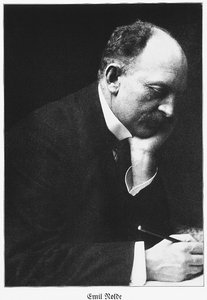
ემილ ნოლდე
1867 - 1956 , გერმანია
მოკლე ფაქტები
- Artistic Movement Or Style: ექსპრესიონიზმი
- Artists Or Movements Influenced By This Artist: ['Die Brücke']
- Artists Who Influenced This Artist:
- Vincent van Gogh
- Paul Gauguin
- Date Of Birth: 7 აგვისტო 1867
- Date Of Death: 1956
- Full Name: Emil Nolde
- Nationality: გერმან-დანური
- Notable Artworks (List Of Titles):
- The Mocking of Christ
- Autumn Sea
- Place Of Birth (City And Country): ნორდელი, გერმანია
მსგავსი სტატიები

German Expressionism's 10 Defining Masterpieces | Art for Your Home
Explore 10 defining German Expressionism masterpieces – from Munch's 'The Scream' to Kandinsky’s abstracts. Discover the artists, stories & bold colors behind this powerful art movement. Find museum-quality reproductions at OriginalUniqueArt.com.

Giclée Prints: Archival Quality & Aesthetic Nuances for the Discerning Collector
Explore the world of giclée prints with OriginalUniqueArt. Learn about archival quality, aesthetic nuances & investment potential. Expert guidance for discerning art collectors seeking museum-quality reproductions and lasting value.

The Enduring Legacy of Fine Art Prints: Technique, History & Aesthetic Impact
Explore the rich history & techniques of fine art prints. Discover investment potential, assess authenticity, and learn how to preserve your collection with expert guidance. Trusted insights for discerning collectors.

Echoes of Time: Exploring the Enduring Appeal & Historical Context of Vintage Art Prints
Explore the captivating world of vintage art prints! Discover their history, collecting tips & enduring appeal. Expert insights on chromolithography and building a legacy collection with OriginalUniqueArt.

Bold Strokes & Powerful Visions: 10 Artworks That Command Attention | OriginalUniqueArt
Experience art's raw power! Explore 10 iconic paintings – Van Gogh, Kahlo & more – that define 'bold'. Discover the stories behind these expressive masterpieces and find museum-quality reproductions for your home at OriginalUniqueArt.com.

