
 ნახვა ინტერьерში
 გაგზავნა
 გაზიარება
 დეტალები
 გზამკვლევი

 ჩამოტვირთვა
 მსგავსები
 რენტგენოგრაფიული კვლევა
 სლაიდშოუ
 სტატისტიკა
Untitled
 Acrylic On Canvas
- WallArt
- Suprematism
 1920
1920 79.0 x 49.0 cm
 სრული ტექსტის ნახვა
ხელით შესრულებული ზეთის საღებავით რეპროდუქცია
ტილოზე შესრულებული ფერწერიანი ზეთប្រდათი, თქვენთვის სასურველი ზომისა და ჩარჩოსთვის, ჩვენი ხელოვანების მიერ შეკვეთის საფუძველზე დამზადებული. ( გადართვა ბეჭდვის რეჟიმზე გადასვლა ციფრულ გამოსახულებაზე)




P118B ₾10

P118H ₾10

P118W ₾10

P438Z ₾10

P508JH ₾12

P508YH ₾12

P805H ₾10

P805Z ₾10

P919BZ ₾10

P919G ₾10

P919XJ ₾10

P959ZH ₾10

P968JZ ₾12

W106C ₾8

W218G ₾10

W218JH ₾8

W218Y ₾10

W307PJ ₾10

W316G ₾10

W316PJ ₾8

W316Y ₾10

W398PJ ₾8

W4111J ₾10

W500HY ₾15

W500JH ₾15

W692G ₾12

W849H ₾8

W940BG ₾15

W953PJ ₾8




აირჩიეთ ჩვენს მიერ წინასწარ განსაზღვრული ზომებიდან, რომლებიც ნაწარმოების ორიგინალურ პროპორციებს შეესაბამება.

შეიყვანეთ თქვენთვის საჭირო სიგანე და სიმაღლე, რათა ნახატი მოერგოს თქვენს ჩარჩოს ან კედელს. ვინაიდან ეს ნამუშევარი ხელით არის შესრულებული, სხვა ფორმის ზომის შემთხვევაში, მხატვარმა შესაძლოა სურათის გარშემო ოდნავ მეტი დატოვოს ან შეამციროს — არჩევანი თქვენზეა. დაწყებამდე, დასამტკიცებლად, ჩვენ გამოგიგზავნით ციფრულ მაკეტს. ამ გვერდზე ნაჩვენები სურათი არ ასახავს რეალურ შედეგს — რეალური სახე მხოლოდ მაკეტზე ჩანს.
შეკვეთის შემდეგ, OriginalUniqueArt.com გუნდი დაგიკავშირდებათ ელექტრონული ფოსტით ინსტრუქციებისთვის და გამოგიგზავნით წინასწარ ნახაზს (mockup).
მიწოდება მსოფლიო მასშტაბით -ში 3/4 კვირაში, სტანდარტული 5 კვირის ნაცვლად. (22 ოქტომბერი). ხარისხზე კომპრომისის გაკეთება არ მოხდება.

უფასო ექსპრეს მიწოდება მთელ მსოფლიოში

მაღალი ხარისხის ტილო

ტრანსპორტირების სრული დაზღვევა

საბაჟო გადასახადების დაბრუნების გარანტია

ფერების სრული შესაბამისობის გარანტია

დაბრუნების 100-დღიანი პერიოდი (მხოლოდ წარმოების დეფექტის შემთხვევაში)

100% თანხის სრული დაბრუნების გარანტია

ფასდაკლება დიდი რაოდენობით შეკვეთისას
 მინის ჩარჩოს არჩევანი ხელმისაწვდომია მხოლოდ 110 სმ-მდე ზომისთვის

Untitled
რეპროდუქციის ტექნიკა
რეპროდუქციის ზომა
-


ჯამური ღირებულება
₾ 784
A Pioneer of Geometric Abstraction: Exploring El Lissitzky’s “Untitled”
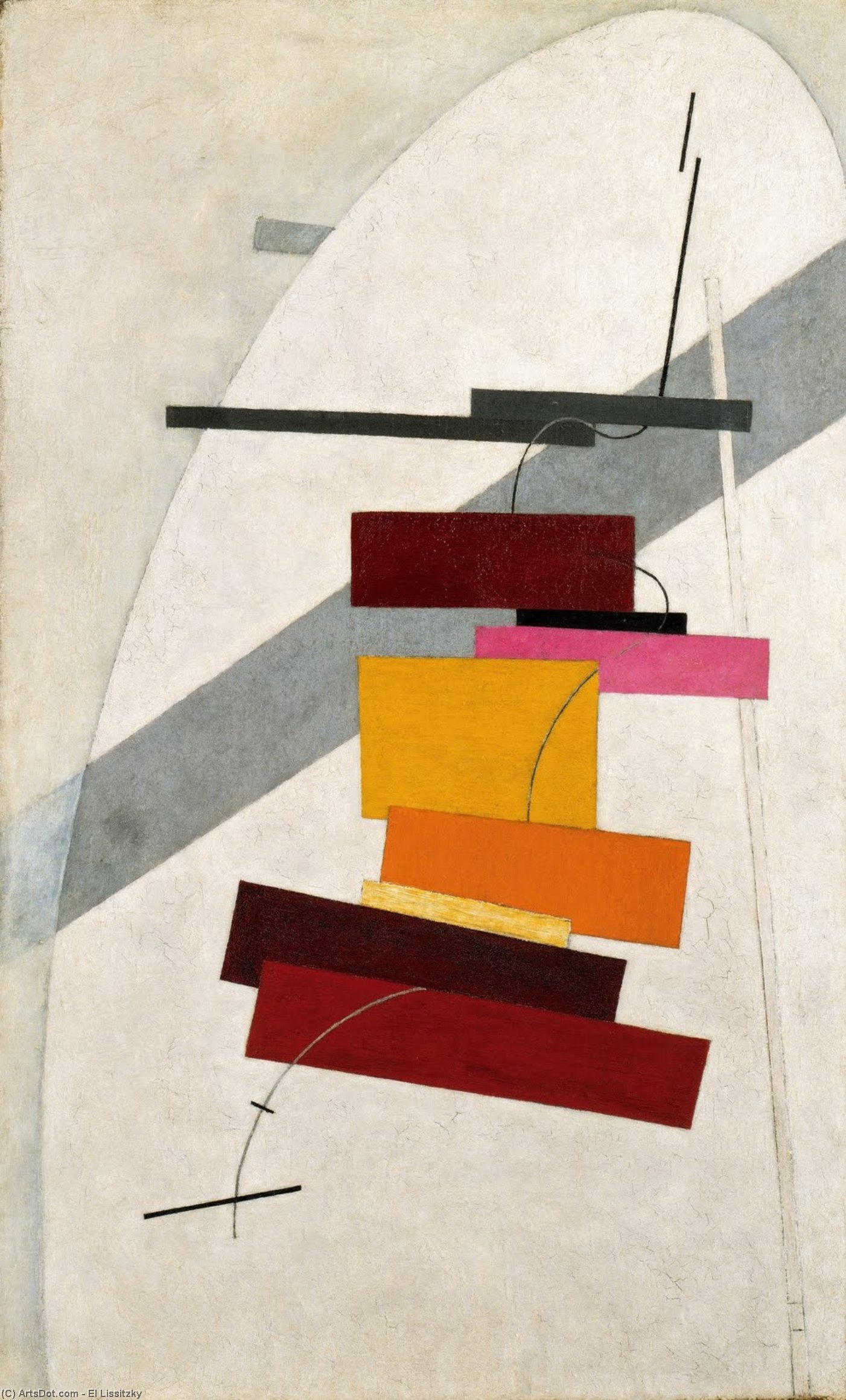
El Lissitzky's "Untitled," painted in 1920, stands as a cornerstone of Russian avant-garde art and a testament to the revolutionary spirit of its time. This striking abstract composition—a canvas bathed in hues of red, yellow, and orange—immediately captivates the viewer with its bold geometric forms and dynamic lines, reflecting Lissitzky’s unwavering commitment to distilling visual language into its purest essence. More than just aesthetically pleasing, “Untitled” embodies a profound conceptual ambition rooted in Suprematism, a movement Lissitzky spearheaded alongside Kazimir Malevich, aiming to liberate art from representational constraints and prioritize pure color and geometric abstraction as vehicles for conveying spiritual truth.- Subject Matter: The painting eschews recognizable imagery altogether, opting instead for an exploration of fundamental visual elements—primarily intersecting lines and colored squares—that transcend specific narratives. Lissitzky sought to capture not what *is* seen but what *feels* seen, prioritizing the emotional resonance of form over depiction.
- Style: Suprematism’s influence is palpable in “Untitled.” Malevich championed the idea that art should be reduced to its most basic components—squares and circles—representing the cosmos and spiritual unity. Lissitzky's work aligns perfectly with this philosophy, rejecting illusionistic techniques in favor of a deliberately reductive aesthetic.
- Technique: Executed in oil on canvas, “Untitled” demonstrates Lissitzky’s mastery of color blending and textural layering. The artist skillfully utilizes variations in hue and saturation to create depth and vibrancy within the geometric shapes, emphasizing their visual impact. Careful consideration was given to brushstrokes—likely applied with a smooth, deliberate hand—contributing to the painting's overall sense of stability and precision.
Historical Context: The Rise of Constructivism and Artistic Expression Under Lenin
“Untitled” emerged during a period of dramatic social upheaval in Russia following the Bolshevik Revolution of 1917. The avant-garde movement—including Suprematism, Cubism, Futurism, and Constructivism—became synonymous with artistic innovation and ideological fervor. Artists like Lissitzky actively engaged in disseminating socialist ideals through their art, designing propaganda posters and exhibition displays that aimed to inspire revolutionary fervor and promote the vision of a utopian society built upon rational principles. The painting’s geometric abstraction served as a deliberate rejection of bourgeois aesthetics, signaling a commitment to forging a new artistic language aligned with the transformative forces reshaping Russian culture.Symbolism Beyond Representation: Exploring Color and Form
While devoid of recognizable imagery, “Untitled” is laden with symbolic significance. The dominant colors—red, yellow, and orange—are deliberately chosen to evoke associations with warmth, energy, and vitality – mirroring the optimism inherent in the revolutionary era. Lissitzky’s geometric shapes—particularly the intersecting lines—represent dynamism and interconnectedness, symbolizing the striving for unity and harmony within a fractured world. These elements coalesce into a visual metaphor for spiritual transcendence, reflecting Lissitzky's belief that art could serve as a conduit for accessing higher consciousness.Emotional Impact: A Moment of Pure Visual Perception
Ultimately, “Untitled” transcends mere decoration; it invites contemplation and stimulates emotional response. The painting’s simplicity—its deliberate reduction to fundamental geometric forms—forces the viewer to confront pure visual perception, bypassing cognitive filters and accessing a realm of feeling untouched by narrative or symbolism. Lissitzky's masterful use of color and line creates an experience akin to encountering the cosmos itself – a powerful reminder that art can communicate truths beyond words, resonating with viewers long after they’ve gazed upon its captivating surface.კითხვები და პასუხები
როგორ უკავშირდება ერთმანეთს „Untitled“-ის ფერები?
„Untitled“-ის ფერების ჰარმონია აღწერილია როგორც Balanced Harmony.
რა ტიპის ნამუშევარია ელი სისითკჲ-ის „Untitled“?
კატალოგში, ელი სისითკჲ-ის „Untitled“ დახარისხებულია, როგორც WallArt. ეს კატეგორია გეხმარებათ მსგავსი ნამუშევრების პოვნაში.
შემიძლება თუ არა ელი სისითკჲ-ის „Untitled“-ის წინასწარ ნახვა შეკვეთამდე?
გვერდი წინასწარი ნახვა ნამუშევრის "Untitled" საშუალებას გაძლევთ წინასწარ ნახოთ ხელოვნების ნიმუში შეკვეთამდე.
მხატვრის ბიოგრაფია
El Lissitzky (1890–1941): Русский авангардный художник и дизайнер
Эль Лисицкий был русским и советским художником, активным как живописец, иллюстратор, дизайнер, график и архитектор. Его путь был отмечен постоянной переоценкой ценностей и глубоким убеждением в том, что искусство способно изменить мир и отражать его динамику. От первых занятий архитектурой и инженерией – направлений, которые были ограничены для еврейских студентов – Лисицкий выбрал творческое самовыражение, начав с иллюстраций юдейской фольклорной традиции. Эти ранние работы, такие как обложка книги Моисея Бродазона «Сихес хулин» (1917; «Пропащий ребенок») и «Хад гадэ» (1919; «Один ребенок»), демонстрируют зарождение таланта уже стремящегося к повествованию и визуальному рассказыванию, намекая на глубокие культурные корни, которые продолжали формировать его эстетику. Переезд в Берлин и Дармштадт расширил его горизонты, но именно возвращение в Россию определило истинный голос Лисицкого как художника, связав его имя с революционным энтузиазмом эпохи.Радикальное Открытие: Супрематизм и Прун
Переломным моментом стало знакомство с Казимиром Малевичем и принятие супрематизма – радикального направления искусства, посвященного чистому геометрическому абстрактному выражению. Он стал ключевым членом группы UNovis, основанной Витебском, активно распространяя принципы этого движения через преподавание и художественное творчество. Однако Лисицкий не просто копировал стиль Малевича; он создал свой собственный уникальный путь с разработкой серии Прун – оригинальной работы, объединившей элементы супрематизма и конструктивизма. Прун был не только живописью; это было исследование структуры пространства самой по себе, предвидение будущего архитектурных решений. Эти работы, с их плавающими плоскостями и пересекающимися линиями, воплощали убеждение Лисицкого в том, что искусство способно строить новые реальности. Его инженерный опыт прослеживается здесь, придавая пространственным формам структурную логику. Этот подход оказал влияние на развитие архитектуры и дизайна в последующие десятилетия.Искусство как Пропаганда и Социальный Комментарий
Визуальное искусство Лисицкого не ограничивалось эстетическими идеалами; он был убежденным сторонником использования искусства для решения социальных задач, активно участвуя в политических идеологиях и стремясь интегрировать дизайн в повседневную жизнь. Эта убежденность привела его к глубокому сотрудничею с советской пропагандой, создавая мощные плакаты и графические проекты, предназначенные для мобилизации общественной поддержки Революционного Совета власти. Его плакат «Строители!» (1924) является ярким примером этого стремления – мощное изображение, отражающее срочность военного времени и демонстрирующее способность искусства воздействовать на сознание людей. Помимо пропаганды Лисицкий совершил революцию в типографике, архитектурном дизайне и фотомонтаже. Он понимал, что эффективная коммуникация требует инновационных визуальных стратегий и без страха экспериментировал с новыми техниками для передачи своего сообщения. Его фотомонтажи, такие как «Конструктор», были особенно впечатляющими – автопортретами, сочетающими фотографию и геометрическую абстракцию и предлагающими сложный комментарий идентичности и роли художника в обществе. Эти работы стали символом новой эпохи и вдохновили художников по всему миру.Влияние и Наследие
Лисицкий оказал огромное влияние на развитие искусства и дизайна XX века, особенно в Германии и России. Его идеи о функциональности и эстетике были приняты многими архитекторами и дизайнерами и продолжают вдохновлять современных специалистов. Он был одним из самых ярких представителей русского авангарда и его работы являются важной частью культурного наследия нашей страны. Лисицкий работал над созданием новых форм искусства и дизайна, которые отражали дух времени и выражали стремление к социальной трансформации. Его творчество остается актуальным и сегодня благодаря своей оригинальности и глубине мысли. Он был одним из самых выдающихся художников своего поколения и его имя навсегда вошло в историю искусства как символ смелости и новаторства. Его работы были представлены на международных выставках и собраны в музеях по всему миру, подтверждая его признание как одного из величайших мастеров визуального искусства. Он был вдохновлен идеями немецкого философа Георгия Гегель и оказал влияние на развитие философии искусства и эстетики. Лисицкий умер в Москве в 1941 году во время Второй мировой войны и был похоронен в Новодевичьем монастыре, где его могила является местом паломничества художников и искусствоведов со всего мира.
ელი სისითკჲ
1890 - 1941 , რუსეთი
მოკლე ფაქტები
- Artistic Movement Or Style: Супрематизм
- Artists Or Movements Influenced By This Artist: ['Баухаус']
- Artists Who Influenced This Artist: ['Казимир Малевич']
- Date Of Birth: Nov 23, 1890
- Date Of Death: Dec 30, 1941
- Full Name: El Lissitzky
- Nationality: Русский
- Notable Artworks:
- Строитель
- Одна детская книга
- Place Of Birth: Pochinok, Russia
მსგავსი სტატიები

Beyond Form & Color: Geometric Abstraction's Enduring Legacy in Art History
Explore the captivating world of geometric abstraction! Discover its origins, key artists like Malevich & Mondrian, and why this movement remains highly valued by art collectors today. Expert insights at OriginalUniqueArt.

გეომეტრიული აბსტრაქცია: 10 შედევრი, რომელმაც ხელოვნება განსაზღვრა | OriginalUniqueArt.com
გეომეტრიული აბსტრაქციის 10 შედევრი მონდრიანის, მალევიჩისა და კანდინსკის ჩართულობით. გაიგეთ მათი ისტორია, ტექნიკა და გავლენა ხელოვნებაზე. შეიძინეთ უმაღლესი ხარისხის რეკონსტრუქციები OriginalUniqueArt.com-ზე!

ელ გრეკოს 25 შედევრი: ხელოვნების ისტორია თქვენს სახლში | OriginalUniqueArt.com
აღმოაჩინეთ ელ გრეკოს 25 უნიკალური შედევრი! ესპანური ხელოვნების ბაროკო სტილი, რელიგიური ხატები და მანერიზმის სიმდიდრე თქვენს სახლში. შეიძინეთ ხატის რეპროდუქცია OriginalUniqueArt.com-ზე და შექმნით ელიტური ინტერიერი. Explore the full collection online!

Beyond Form & Color: Geometric Abstraction's Evolution in 20th/21st Century Art
Explore the evolution of geometric abstraction from Cubism to contemporary art. Discover key artists like Malevich & Mondrian, investment insights, and expert collecting advice at OriginalUniqueArt.
კაზიმირ მალევიჩის 25 შედევრი: ხელოვნების ისტორიაში რევოლუცია | OriginalUniqueArt.com
გაიცანით კაზიმირ მალევიჩის 25 შედევრი! სუპრემატიზმის ისტორია, შავი კვადრატი და სხვა გამორჩეული ნახატები. შეიძინეთ ხელოვნების რეპლიკები OriginalUniqueArt.com-ზე და შექმნით თქვენი სახლის უნიკალური ინტერიერი. Explore the full collection online!


