
 ნახვა ინტერьерში
 გაგზავნა
 გაზიარება
 დეტალები
 გზამკვლევი

 ჩამოტვირთვა
 მსგავსები
 რენტგენოგრაფიული კვლევა
 სლაიდშოუ
 სტატისტიკა
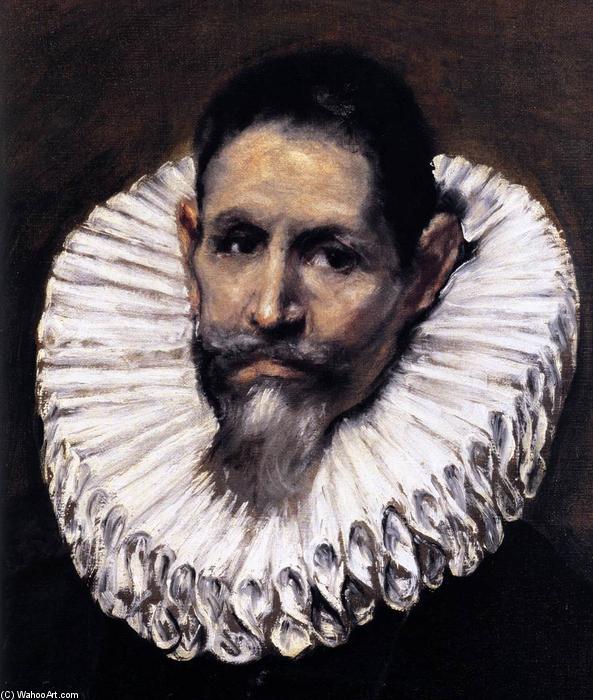
Jerónimo de Cevallos (detail)


 სრული ტექსტის ნახვა
ხელით შესრულებული ზეთის საღებავით რეპროდუქცია
ტილოზე შესრულებული ფერწერიანი ზეთប្រდათი, თქვენთვის სასურველი ზომისა და ჩარჩოსთვის, ჩვენი ხელოვანების მიერ შეკვეთის საფუძველზე დამზადებული. ( გადართვა ბეჭდვის რეჟიმზე გადასვლა ციფრულ გამოსახულებაზე)




P118B ₾10

P118H ₾10

P118W ₾10

P438Z ₾10

P508JH ₾12

P508YH ₾12

P805H ₾10

P805Z ₾10

P919BZ ₾10

P919G ₾10

P919XJ ₾10

P959ZH ₾10

P968JZ ₾12

W106C ₾8

W218G ₾10

W218JH ₾8

W218Y ₾10

W307PJ ₾10

W316G ₾10

W316PJ ₾8

W316Y ₾10

W398PJ ₾8

W4111J ₾10

W500HY ₾15

W500JH ₾15

W692G ₾12

W849H ₾8

W940BG ₾15

W953PJ ₾8




აირჩიეთ ჩვენს მიერ წინასწარ განსაზღვრული ზომებიდან, რომლებიც ნაწარმოების ორიგინალურ პროპორციებს შეესაბამება.

შეიყვანეთ თქვენთვის საჭირო სიგანე და სიმაღლე, რათა ნახატი მოერგოს თქვენს ჩარჩოს ან კედელს. ვინაიდან ეს ნამუშევარი ხელით არის შესრულებული, სხვა ფორმის ზომის შემთხვევაში, მხატვარმა შესაძლოა სურათის გარშემო ოდნავ მეტი დატოვოს ან შეამციროს — არჩევანი თქვენზეა. დაწყებამდე, დასამტკიცებლად, ჩვენ გამოგიგზავნით ციფრულ მაკეტს. ამ გვერდზე ნაჩვენები სურათი არ ასახავს რეალურ შედეგს — რეალური სახე მხოლოდ მაკეტზე ჩანს.
შეკვეთის შემდეგ, OriginalUniqueArt.com გუნდი დაგიკავშირდებათ ელექტრონული ფოსტით ინსტრუქციებისთვის და გამოგიგზავნით წინასწარ ნახაზს (mockup).
მიწოდება მსოფლიო მასშტაბით -ში 3/4 კვირაში, სტანდარტული 5 კვირის ნაცვლად. (25 ოქტომბერი). ხარისხზე კომპრომისის გაკეთება არ მოხდება.

უფასო ექსპრეს მიწოდება მთელ მსოფლიოში

მაღალი ხარისხის ტილო

ტრანსპორტირების სრული დაზღვევა

საბაჟო გადასახადების დაბრუნების გარანტია

ფერების სრული შესაბამისობის გარანტია

დაბრუნების 100-დღიანი პერიოდი (მხოლოდ წარმოების დეფექტის შემთხვევაში)

100% თანხის სრული დაბრუნების გარანტია

ფასდაკლება დიდი რაოდენობით შეკვეთისას
 მინის ჩარჩოს არჩევანი ხელმისაწვდომია მხოლოდ 110 სმ-მდე ზომისთვის

Jerónimo de Cevallos (detail)
რეპროდუქციის ტექნიკა
რეპროდუქციის ზომა
-


ჯამური ღირებულება
₾ 782
A Vision of Regal Dignity: Exploring El Greco’s “Jerónimo de Cevallos”
Doménikos Theotokópoulos, universally known as El Greco – “the Greek” – stands apart from his contemporaries not merely as a painter but as an artist who wrestled with the very essence of faith and artistic innovation. Born in Crete in 1541, amidst the waning influence of Byzantium and burgeoning Venetian patronage, El Greco embarked on a journey that would propel him through Venice and Rome before anchoring him firmly in the spiritual crucible of Toledo, Spain. This unlikely confluence of cultural currents fueled his singular style—a style that anticipated the expressive fervor of Expressionism and foreshadowed the fragmented forms of Cubism centuries ahead of their time—establishing him as one of the most distinctive voices of Mannerism. His formative years in Crete instilled within him a meticulous dedication to detail, mirroring the Byzantine tradition’s reverence for precise iconography. Yet, El Greco refused to be confined by convention; he embraced experimentation and boldly asserted his Cretan identity through his signature – “Krḗs” – a defiant proclamation of heritage as he traversed new artistic horizons. The genesis of his distinctive aesthetic wasn't accidental but born from an internal struggle—a desire to transcend mere representation and convey profound spiritual emotion. This ambition is vividly realized in "Jerónimo de Cevallos," painted in 1610, currently residing within the hallowed halls of Museo del Prado in Madrid.Style and Technique: Mannerist Mastery
El Greco’s approach to painting defies easy categorization. He eschewed the smooth surfaces and idealized proportions favored by Renaissance artists, opting instead for elongated figures rendered with dramatic foreshortening—a technique borrowed from Byzantine art but pushed to its furthest limits. The resulting compositions are characterized by a palpable tension between solidity and etherealness, reflecting El Greco’s preoccupation with conveying spiritual transcendence. Observe how he manipulates color—primarily muted reds and yellows—to create an atmosphere of solemn grandeur, emphasizing the subject's nobility and inner contemplation. Brushstrokes are thick and impastoed, lending texture to the surface and intensifying the emotional impact of the image. This deliberate disregard for naturalism underscores El Greco’s commitment to conveying psychological depth rather than literal accuracy.Historical Context: Toledo and Religious Patronage
The painting emerged during a period of significant religious fervor in Spain—the Counter-Reformation—following decades of upheaval and papal schism. Philip II, the reigning monarch, commissioned numerous artworks intended to bolster Catholic faith and reaffirm royal authority. El Greco’s patronage by the Habsburg court exemplifies this trend, aligning him with the artistic ambitions of his time. “Jerónimo de Cevallos” depicts Jerónimo de Cevallos, a prominent Spanish diplomat and humanist scholar, reflecting the intellectual curiosity prevalent in Toledo during El Greco's era—a city renowned for its vibrant Jewish and Muslim communities alongside its Catholic institutions. The portrait embodies the ideals of Renaissance humanism – intellect, virtue, and civic responsibility – values championed by thinkers like Erasmus and Pico della Mirandola.Symbolism: Regal Presence and Spiritual Reflection
The elaborate ruffled collar adorning Cevallos’ shirt serves as a visual symbol of aristocratic status—a deliberate reference to the opulent attire favored by Iberian nobility. Simultaneously, it contributes to the overall impression of grandeur and formality, mirroring the solemn dignity demanded by religious iconography. The wig and mustache further emphasize the subject's age and wisdom, conveying an aura of erudition and moral authority. Most notably, El Greco’s gaze—direct and unwavering—commands attention, inviting contemplation and suggesting a profound connection between the sitter and the viewer. This gaze embodies the spiritual quest for enlightenment—a central theme in El Greco’s oeuvre—reflecting his belief that art could elevate the soul beyond earthly concerns.Emotional Impact: A Portrait of Inner Conviction
“Jerónimo de Cevallos” transcends mere visual representation; it communicates a palpable sense of inner conviction and contemplative serenity. The artist skillfully captures not only Cevallos’ physical appearance but also his psychological state—a quiet confidence rooted in intellectual pursuits and moral integrity. El Greco's masterful use of color, texture, and composition creates an immersive experience for the viewer, transporting them into the realm of spiritual contemplation. As a reproduction, this artwork offers an opportunity to appreciate El Greco’s enduring legacy – a testament to his ability to fuse artistic innovation with profound religious symbolism, resulting in a portrait that resonates with timeless beauty and intellectual depth.კითხვები და პასუხები
რა განწყობასა და ემოციას გამოხატავს ელ გრეკო-ის „Jerónimo de Cevallos (detail)“?
წარმოწერილში "Jerónimo de Cevallos (detail)", Elegant განწყობას Calm ემოცია ახლავს.
ელ გრეკო-ის „Jerónimo de Cevallos (detail)“-ის ფერები გაჯერებული თუ მკრთალია?
„Jerónimo de Cevallos (detail)“-ის პალიტრის ფერების გაჯერებულობა არის Muted.
არის თუ არა "Jerónimo de Cevallos (detail)" ელ გრეკო-ის ერთ-ერთი ყველაზე პოპულარული ნამუშევარი?
ელ გრეკო-ის „Jerónimo de Cevallos (detail)“-ის პოპულარობის დონე არის Recognized. ეს კლასიფიკაცია ასახავს, თუ რამდენად ფართოდ არის აღიარებული ეს ნამუშევარი.
მხატვრის ბიოგრაფია
დომენიკოს თეოტოკოპულოსი, ცნობილი როგორც ელ გრეკო: ფერწერა რელიგიისა და ექსპრესიის ნაპირზე
დომენიკოს თეოტოკოპულოსი, რომელსაც სამყარო ელ გრეკოდ იცნობს – „ბერძენი“ – მხატვარი იყო, რომლის ცხოვრებაცა და შემოქმედებაც ადვილად არ კategorizირებოდა. 1541 წელს კ्रीटზე დაბადებული, რომელიც მაშინ ვენეციელთა მფლობელობაში იყო, მისი ხელოვნების მოგზაურობა ვენეციის გავლით გაგრძელდა, შემდეგ კი რომში, სანამ საბოლოო გამოხატვას ესპანეთის სულიერ გულშემადგენლობაში, ტოლედოში არ գտնებდა. ელ გრეკო 단순ად ამ ადგილების პროდუქტი როდიყო; მან თავისი ზემოქმედებები გააერთიანა რაღაც უნიკალურში, ერთგვაროვან სტილში, რომელმაც საუკუნეებს წინასწარ ఊహեց დაემორჩილებოდა ექსპრესიონიზმის გრძნობრივი ინტენსივობასა და კუბიზმის ფრაგმენტულ ფორმებს. მისი ადრეული სწავლება ბიზანტიური ტრადიციაში ჩანერგა დეტალებზე მკრთიობი ყურადღება და რელიგიური იკონოგრაფიის βαθύς فهم. ეს საფუძველი, თუმცა, არ ਸੀ შეასრულებდა მას. მან ხელმომწერე საკუთარი ნაშრომები ბერძნულად, ხშირად ამატებდა "Krḗs" – კრეტელს, როგორც მისი წარმოშობის гордо اعلامი, მაშინაც კი, როცა ახალი მხატვრული ტერიტორიებზე გადადიოდა. მისი გამორჩეული სტილის თესლი არ მხოლოდ ტექნიკაში იყო ჩანერგილი, არამედ მის სამშობლოში არსებულ მღვივარე რელიგიურ კლიმატსა და ვენეციური ხელოვნების 풍부한 ქსოვილშიც.ვენეტიადან ტოლედომდე: გარდაქმნა
ვენეციაში გადასახლება 1567 წლისთვის გადამწყვეტი მომენტი აღმოჩნდა. ამჟღავნებულიყო ζωηρό მხატვრული სცენის ფონად, ელ გრეკომ შეისწავლა ტიციანი, ტინტორეტო და ვერონეზი – შეი吸收եց მათი ფერის, კომპოზიციის და დრამატიულ განათების ਮੁთაგირება. მან ისწავლა თავისი ბੁਰცების გაფართოება, ზეთის ფერხვის სენსუალურობის მიღება და ფიგურების აღწერა ახალი დინამიკით. ეს ვენეციური გავლენა მისი ადრეული ნაშრომებშიც იშლება, როგორიცაა *წირვის წმინდა ਸੇਬਾਸਟੀਅਨ* (1600), სადაც ანატომიური დეტალი беспрепятственно ერევა თეატრალურ განათებასა და ნაწილებს. მომდევნო რომის მოგზაურობამ მას მანერიზმს გააცნობს, სტილს, რომელიც ხასიათდება удлиненными ფორმებით, искаженными პერსპექტივებითა და გამოცდილი კომპოზიციებით. მიუხედავად იმისა, რომ მან მნიშვნელოვანი ტალანტი გამოჩენა, ელ გრეკოს ძნელად მოსვლიდა ფართო აღიარება კონკურენტულ რომის ხელოვნების სამყაროში. სწორედ 1577 წელს ტოლედოში გადასახლებისას მისი უნიკალური ხედვა საბოლოოდ აყვავილდა. ქალაქმა, რომელიც მაშინ კონტრ-რებასწავლების დროს რელიგიური აღთქმის ცენტრი იყო, როგორც პატრონაჟი, ასევე გარემო შექმნა მის ინტენსიურ სულიერ ნახატებში.უникальный სტილი
ელ გრეკოს მხატვრული სტილი მაშინვე ამოიცნობა – და აბსოლუტურად მომხიალე. მისი ფიგურები ხშირად დრამატულად удлинены, მათი ორგანოები გაჭიმულია და იკეცება პოზებში, რომლებიც სულიერი экстазის ან βαθύς ტკივილის გრძნობას გადასცემენ. ეს არ არის 단순ად стилистический эффект; ეს არის უხილავის აღწევა, ემოციური და სულიერი რეალობები, რომლებიც ზედაპირულად მდებარეობს. მან ਮੁთაგირებით გამოიყენა ფერი – არა απαραιთებლად реалистичный ფერი, არამედ ζωηρό, ხშირად ненормальный тоны – მის ნაშრომს эмоциональная გავლენა გაზარდა. დრამატიულ განათებას, მკაცრი კონტრასტებით სინათლე და σκιά შორის, δημιουργεί თეატრალური ეფექტი, მიიზიდავს მაყურებელს сценის ცენტრში. *გრაფის დაკრძალვა* (1586-1588), რომელიც მისი шедевр считается, შესრულებულია ამ లక్షణების 완벽한 მაგალითად. ნახატი აღწერს სასწაულო 사건ს – წმინდა들의 спуск burying a pious nobleman – with remarkable realism in the portrayal of contemporary figures juxtaposed against ethereal, elongated forms representing divine intervention. მან ბიზანტიური ტრადიციები გააერთიანა იტალიური რენესანსის ტექნიკებთან, შექმნა სტილი, რომელიც τόσο инновационный იყო, όσο και βαθύ προσωπικός. მისი უფრო ուշნათი ნაშრომები უფრო μυστηριώδες გახდა, რაც отражает მის საკუთარ βαθύ რელიგიურ убеждения და συμβατικών მხატვრული нормებისგან растущий detachment.Ժառանգություն და აღმოჩენა
მიუხედავად იმისა, რომ მან თავისი ცხოვრების განმავლობაში მნიშვნელოვანი წარმატება მიაღწია – دریافت مهم commissions ტოლედოს ეკლესიებიდან და მონასტრებიდან – ელ გრეკოს ნაშრომებმა მისი გარდაცვალების შემდეგ შედარებით obscurity-ში ჩავარდა. საუკუნეების განმავლობაში, იგი ძირითადად უგვემოუცნობი იყო ხელოვნებაშਾਸტრათა მიერ, dismissed როგორც eccentric ან პროვინციული მხატვარი. მხოლოდ 20 საუკუნეში დაიწყო მისი გენიუსის სრული შეფასება. Picasso და Braque-სავით მხატვრებმა მას თანამედროვე ხელოვნების წინმორბედად აღიარეს, восхищаясь მისი искаженными ფორმებითა და нетрадиционными პერსპექტივებით. მისი გამოხატვითი სტილი резонировал ექსპრესიონისტებთან, რომელთაც стремились გრძნობების ინტენსივობას გადასცემდნენ смелыми ფერებითა და დრამატიულ კომპოზიციებით. დღეს ელ გრეკოს დასახელებულია Западной ხელოვნების ისტორიაში ყველაზე მნიშვნელოვანი ფიგურებიდან ერთ-ერთად – მხატვარი, რომლის ნაშრომებმაც продолжает captivate აუდიტორიას მათი სულიერი სიღრმისეული, эмоциональная ძალა და უნიკალური მხატვრული ხედვით. მისი ნახატები არ არის 단순ად რელიგიური сценების წარმოდგენა; ისინი являются windows into the soul, 증인 enduring ძალის რელიგიისა და ადამიანის духа సామర్థობის transcendence-ისთვის.Значимые работы
- გრაფის დაკრძალვა (1586-1588): მისი უდავო шедевр, монументальный работа blending реализм და სულიერი ინტენსივობა.
- Толодеოს ხედვა (1596-1600): დრამატიულ пейзаж, რომელიც ქალაქს демонстрирует swirling, атмосферный стиль, capturing მისი არსი почти visionary качества.
- Пятого печати открытие (1608-1614): სერიის ნ

ელ გრეკო
1541 - 1614 , საბერძნო
მოკლე ფაქტები
- Artistic Movement Or Style: მანერიზმი, ბაროკო
- Artists Or Movements Influenced By This Artist:
- ექსპრესიონიზმი
- კუბიზმი
- Artists Who Influenced This Artist:
- ტიციანი
- ტინორეტო
- Date Of Birth: 1541 წლის 1 ოქტომბერი
- Date Of Death: 1614 წლის 7 აპრილი
- Full Name: დომენიკოს თეოთოკოპულოსი
- Nationality: ბერძენი-ესპანელი
- Notable Artworks:
- ორგაზის გრაფიშის დაკრძალვა
- ტოledo-ს ხედი
- ელ ესპოლიო
- წამებული მაცხოვრებელი
- მადონა და ბავშვი
- Place Of Birth: კანდია, კრეტე, საბერძნო
მსგავსი სტატიები
El Greco: Spirituality, Style & Innovation – A Renaissance Master's Legacy
Explore the captivating world of El Greco! Discover his unique style, spiritual intensity, and lasting impact on art history. Learn about this Renaissance master's life, iconic paintings & legacy.

ელ გრეკოს 25 შედევრი: ხელოვნების ისტორია თქვენს სახლში | OriginalUniqueArt.com
აღმოაჩინეთ ელ გრეკოს 25 უნიკალური შედევრი! ესპანური ხელოვნების ბაროკო სტილი, რელიგიური ხატები და მანერიზმის სიმდიდრე თქვენს სახლში. შეიძინეთ ხატის რეპროდუქცია OriginalUniqueArt.com-ზე და შექმნით ელიტური ინტერიერი. Explore the full collection online!
პრადოს საუკეთესო 25 შედევრი: ხელოვნების ისტორია თქვენს სახლში | OriginalUniqueArt
აღმოაჩინეთ პრადოს მუზეუმის 25 საუკეთესო შედევრი – ველასკესი, გოია, ელ გრეკო და სხვა. ისტორიული ნახატები, ბაროკო სტილი, ფერადი რეპროდუქციები თქვენი სახლისთვის. OriginalUniqueArt.com - ხელოვნების კოლექცია ონლაინ.
José Gutiérrez Solana: A Chronicle of Spanish Society Through Expressionist Vision
Explore the captivating world of José Gutiérrez Solana, a pivotal Spanish Expressionist painter. Discover his haunting depictions of early 20th-century Spain, influenced by Goya & El Greco. Learn about his key works and lasting legacy.
Mannerism Unveiled: The Dramatic Evolution of Renaissance Art and the Visionary Legacy of El Greco
Explore the dramatic transition from High Renaissance harmony to Mannerist tension. Discover how masters like El Greco redefined art through distortion and spiritual intensity. An expert guide for art enthusiasts seeking deep historical context and museum-quality inspiration.


