ნახვა ინტერьерში
 გაგზავნა
 გაზიარება
 დეტალები
 გზამკვლევი

 ჩამოტვირთვა
 მსგავსები
 რენტგენოგრაფიული კვლევა
 სლაიდშოუ
 სტატისტიკა
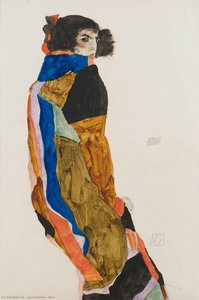
Sitting Woman
 Acrylic On Canvas
- WallArt
- Expressionist Style
 1918
1918- Early Medieval
 44.0 x 29.0 cm
 სრული ტექსტის ნახვა
გიკლე / ხელოვნების პრინტი
მუზეუმის დონის ჟიკლე ან ტილოზე ბეჭდვა სწრაფი წარმოებისა და დასრულების მოქნილი ვარიანტებით. ( შეიძინეთ ხელით შესრულებული ნახატი გადასვლა ციფრულ გამოსახულებაზე)




P118B ₾10

P118H ₾10

P118W ₾10

P438Z ₾10

P508JH ₾12

P508YH ₾12

P805H ₾10

P805Z ₾10

P919BZ ₾10

P919G ₾10

P919XJ ₾10

P959ZH ₾10

P968JZ ₾12

W106C ₾8

W218G ₾10

W218JH ₾8

W218Y ₾10

W307PJ ₾10

W316G ₾10

W316PJ ₾8

W316Y ₾10

W398PJ ₾8

W4111J ₾10

W500HY ₾15

W500JH ₾15

W692G ₾12

W849H ₾8

W940BG ₾15

W953PJ ₾8




აირჩიეთ ჩვენს მიერ წინასწარ განსაზღვრული ზომებიდან, რომლებიც ნაწარმოების ორიგინალურ პროპორციებს შეესაბამება.

შეიყვანეთ თქვენთვის საჭირო სიგანე და სიმაღლე, რათა იგი მოერგოს თქვენს ჩარჩოს ან კედელს. ბეჭდვისას შესაძლებელია მხოლოდ მისი შემცირება და არა გაზრდა, ამიტომ სხვა ფორმის ზომის შემთხვევაში გამოსახულება ნაწილობრივ იკარგება. სანამ რაიმეს დაბეჭდავთ, ჩვენ გამოგიგზავნით ციფრულ მაკეტს დასდასტურებლად. ამ გვერდზე ნაჩვენები სურათი არ ასახავს რეალურ ჭრას — ამას მხოლოდ მაკეტი გვიჩვენებს.
მიწოდება მთელ მსოფლიოში () 2 კვირაში, სტანდარტული 4/5 კვირის ნაცვლად. (23 ოქტომბერი)

უფასო ექსპრეს მიწოდება მთელ მსოფლიოში

მაღალი ხარისხის ტილო

ტრანსპორტირების სრული დაზღვევა

საბაჟო გადასახადების დაბრუნების გარანტია

ფერების სრული შესაბამისობის გარანტია

დაბრუნების 100-დღიანი პერიოდი (მხოლოდ წარმოების დეფექტის შემთხვევაში)

100% თანხის სრული დაბრუნების გარანტია

ფასდაკლება დიდი რაოდენობით შეკვეთისას
 მინის ჩარჩოს არჩევანი ხელმისაწვდომია მხოლოდ 110 სმ-მდე ზომისთვის

Sitting Woman
გიკლე / ხელოვნების პრინტი
რეპროდუქციის ზომა
-


ჯამური ღირებულება
₾ 209
A Portrait of Vulnerability: Egon Schiele’s “Sitting Woman”
Egon Schiele's "Sitting Woman," created in 1918, isn’t merely a depiction of a seated figure; it’s a raw and intensely personal exploration of the human condition. Rendered in delicate pencil on paper, this intimate drawing captures a moment suspended between quiet contemplation and unspoken sorrow – a hallmark of Schiele's signature Expressionist style. The year 1918 was a pivotal one for the artist, a time of immense personal loss and creative upheaval, mirroring the painting’s palpable sense of melancholy. Schiele’s life, tragically cut short at just nineteen, was marked by illness, familial tragedy, and a profound awareness of mortality; these themes consistently permeate his work, offering viewers an unsettling yet compelling glimpse into the artist's psyche.
The Anatomy of Emotion: Style and Technique
Schiele’s technique in “Sitting Woman” is deceptively simple, yet profoundly effective. He eschews bold colors for the muted tones of graphite, allowing the texture of the paper to contribute significantly to the image's mood. The elongated figure, characteristic of Schiele’s style, possesses a haunting fragility. Notice how he renders the limbs – subtly distorted and almost skeletal – conveying a sense of vulnerability and perhaps even impending collapse. The use of cross-hatching creates an incredible depth and shadow play, drawing the viewer into the woman's space, inviting us to share in her quiet solitude. The artist’s signature, placed discreetly at the bottom, feels like a final, intimate gesture – a testament to his presence within this intensely personal work.
Symbolism of the Heart: A Layered Narrative
The most arresting element of “Sitting Woman” is undoubtedly the heart-shaped tattoo adorning her chest. This isn’t simply a decorative detail; it's a potent symbol, laden with layers of meaning. In Schiele’s oeuvre, hearts frequently represent both love and loss – a poignant reminder of his own father’s death from syphilis. The placement on the body suggests an intimate connection to the self, perhaps hinting at suppressed emotions or a yearning for connection. It could also be interpreted as a symbol of vulnerability, exposing the heart—both literally and figuratively—to the world. The woman's posture itself – legs crossed, head slightly bowed – further reinforces this sense of introspection and quiet suffering.
Echoes of Vienna: Context and Influence
“Sitting Woman” is firmly rooted in the artistic landscape of early 20th-century Vienna. Schiele was deeply influenced by artists like Gustav Klimt, but he forged his own distinct path, rejecting decorative excess in favor of raw emotion and psychological depth. The painting reflects the anxieties and uncertainties of a period marked by social upheaval and burgeoning modernist thought. It’s important to consider this historical context when viewing the work; Schiele was grappling with questions of identity, mortality, and the changing role of the individual within society. His exploration of these themes resonates powerfully even today. For those interested in exploring more works by Schiele, The National Gallery Prague holds a significant collection, offering a comprehensive overview of his artistic journey.
OriginalUniqueArt offers meticulously crafted hand-painted reproductions of “Sitting Woman,” allowing you to bring this extraordinary piece into your home or office. Each reproduction is created with the same care and attention to detail as the original, capturing the painting’s haunting beauty and emotional intensity. Explore our collection today and experience the power of Schiele's vision firsthand.
კითხვები და პასუხები
როგორ უკავშირდება „Sitting Woman“-ის თემატიკა एकोன் შიელი-ისთვის დამახასიათებელ ტრადიციულ თემებს?
एकोன் შიელი-ის განმეორებადი თემები მოიცავს expressionist angst, mortality obsession, vienna’s psychological undercurrents”, “personal loss, vulnerability themes”, “autobiographical exploration, self-portraiture”, “fragmented form-ს; „Sitting Woman“ ფოკუსირებულია woman, tattoo, pencil, vulnerability, intimacy, mortality, expressionism-ზე.
რა ემოციური ტონალობა აქვს एकोன் შიელი-ის „Sitting Woman“-ს?
एकोன் შიელი-ის „Sitting Woman“ გადმოგვცემს Melancholic ემოციურ ტონს.
რა გაჯერებულობასა და ინტენსივობას ავლენს एकोன் შიელი-ის „Sitting Woman“?
एकोன் შიელი-ის „Sitting Woman“-ში ფიქსირდება Balanced Soft გაჯერებულობა და Vivid ინტენსივობა.
მხატვრის ბიოგრაფია
A Life Forged in Expression
Born in 1890 in the Austrian town of Tulln an der Donau, Egon Schiele’s life was a tempestuous journey marked by both extraordinary artistic vision and profound personal hardship. His early years were shadowed by illness and loss; his father succumbed to syphilis when Egon was just fourteen, a tragedy that would deeply resonate within his work, fueling an obsession with mortality and the fragility of existence. Raised initially by his mother and then under the somewhat controlling guardianship of his uncle Leopold Czihaczek, Schiele’s childhood lacked conventional stability but fostered a fiercely independent spirit. Even as a boy, he displayed an intense fascination with trains—a motif that subtly reappeared in later paintings—and a burgeoning talent for drawing, though this was initially met with disapproval from his father who saw it as a distraction from more practical pursuits. The early death of his sister Elvira also cast a long shadow over the young artist’s psyche. These formative experiences instilled within him a sensitivity and an emotional rawness that would become hallmarks of his artistic expression, a constant grappling with themes of life, death, and the human condition.
The Crucible of Vienna: Artistic Development
Schiele's formal artistic training began at the Kunstgewerbeschule (School of Arts and Crafts) in Vienna, but he quickly found himself stifled by its conservative approach. He transferred to the Akademie der bildenden Künste (Academy of Fine Arts), only to become further disillusioned with its rigid academic traditions. This dissatisfaction led him to abandon formal training altogether, choosing instead to forge his own path, a testament to his unwavering artistic conviction. The influence of Gustav Klimt was pivotal during these early years; Schiele admired Klimt’s decorative style and exploration of symbolism, even receiving mentorship from the established artist. However, Schiele soon diverged from Klimt's aesthetic, developing a distinctly individual voice characterized by its stark honesty and psychological intensity. He co-founded the Neues Wiener Kunstgruppe (New Viennese Art Group) in 1909, aligning himself with other progressive artists who challenged the prevailing artistic norms. His early works, often unsettling portraits and self-portraits, began to emerge as powerful statements of emotional turmoil, featuring distorted figures and a palpable sense of vulnerability. These paintings were not merely representations of physical form but explorations of the inner landscape—the anxieties, desires, and fears that haunted the human psyche.
Raw Emotion and Unflinching Truth
Egon Schiele’s art is immediately recognizable for its raw honesty and psychological depth. He fearlessly confronted themes often considered taboo – sexuality, death, anxiety, isolation – with an unflinching gaze. His distinctive style features elongated figures, contorted poses, and expressive lines that convey a sense of unease and emotional intensity. The human form, particularly the nude, became his primary subject, not as an object of idealized beauty but as a vessel for exploring the complexities of human experience. Self-portraits constitute a significant portion of his oeuvre, offering intimate glimpses into his inner world—a world often marked by loneliness and self-doubt. He didn’t shy away from depicting himself in unflattering or vulnerable poses, revealing a profound level of self-awareness and introspection. Beyond self-portraiture, Schiele created numerous portraits of others, capturing their likenesses with an unsettling realism that seemed to penetrate beneath the surface. His landscapes, while less central to his work than his figurative paintings, demonstrate his mastery of form and color, often reflecting the same emotional intensity as his portraits. The use of line is particularly striking in Schiele’s work; it's not merely a tool for defining shape but an expressive force that conveys emotion and psychological tension. Recurring motifs like the *Physalis plant* – symbolizing death and transience with its delicate, papery husk – further underscore this preoccupation with mortality.
A Legacy Cut Short: Achievements & Significance
Despite facing censorship and legal challenges – including a brief imprisonment for allegedly corrupting minors with his art – Schiele gained recognition within Vienna’s avant-garde circles. His work challenged the conventions of the time, provoking both admiration and outrage. By the time of his untimely death during the Spanish flu pandemic in 1918 at the age of twenty-eight, he had established himself as a leading figure in Austrian Expressionism. Significant works such as Self-Portrait with Physalis, Couple Embracing, and Field Landscape (Kreuzberg near Krumau) stand as testaments to his artistic genius. His influence on subsequent generations of artists is undeniable, particularly those interested in exploring psychological themes and challenging conventional artistic norms. Schiele’s bold approach to form and subject matter continues to resonate with audiences today, making him one of the most important and influential figures in early 20th-century art. His paintings are now held in major museum collections worldwide, including the Leopold Museum in Vienna and the Egon Schiele Art Centrum in Český Krumlov, ensuring his artistic legacy endures. He left behind a body of work that is not merely aesthetically compelling but profoundly human—a testament to the power of art to confront the complexities of existence with honesty, courage, and unwavering vision.
- Key Themes: Mortality, sexuality, isolation, psychological turmoil.
- Influences: Gustav Klimt, Viennese Secession, personal trauma.
- Style Characteristics: Elongated figures, contorted poses, expressive lines, raw emotion.

एकोன் შიელი
1890 - 1918 , ავსტრალია და ჰუნგარი
მოკლე ფაქტები
- Artistic Movement Or Style: Экспрессионизм
- Artists Who Influenced This Artist: ['Густав Климт']
- Date Of Birth: 12 июня 1890 г.
- Date Of Death: 31 октября 1918 г.
- Full Name: Egon Leo Adolf Ludwig Schiele
- Nationality: Австриец
- Notable Artworks:
- Автопортрет с Физалисом
- Пара обнимается
- Полевая панорама (Крюмау)
- Place Of Birth: Тюльн, Австрия
მსგავსი სტატიები
Egon Schiele: Expressionism, Anxiety & the Modern Condition – A Comprehensive Exploration
Explore the emotionally charged world of Egon Schiele (1890-1918). Discover his Expressionist masterpieces, psychological themes, and lasting impact on modern art. A comprehensive guide for collectors & enthusiasts.
ეგონ შილეს 25 საუკეთესო შედევრი: ხელოვნების ისტორია თქვენს სახლში | OriginalUniqueArt.com
აღმოაჩინეთ ეგონ შილეს 25 საუკეთესო შედევრი! ექსპრესიონიზმის სიმბოლიზმი, ფსიქოლოგიური პორტრეტები და ავტოპორტრეტები. შეიძინეთ ხელოვნების რეკონსტრუქციები OriginalUniqueArt.com-ზე და შექმნით თქვენი სახლის უნიკალური ინტერიერი. Explore the full collection online!
The Nuances of Graphite: Exploring Emotional Depth & Technical Mastery in Pencil Drawing
Explore the captivating world of graphite drawing! Discover its rich history, master essential techniques like chiaroscuro, and learn how artists evoke emotion through this timeless medium. Expert insights for art enthusiasts.
The Power of Graphite: Mastering Depth, Texture, and Detail in the Art of Pencil Drawing
Explore the profound artistry of graphite drawing. Discover professional techniques for mastering depth, texture, and detail through a lens of art history, from classical sketches to modern masterpieces. Elevate your understanding of the pencil medium with our expert guide.
ექსპრესიონიზმის 10 შედევრი: ხელოვნება, რომელიც განაჩაღებს გრძნობებს
აღმოფრთოვანდით ექსპრესიონიზმის შედევრებით! ვან გოგი, მუნკი და სხვა ოსტატების 10 ყველაზე მნიშვნელოვანი ტილო. შეიგრძენემოციები, ფერები და ისტორია. იხილეთ ხელოვნების შესანიშნავი კოლექცია OriginalUniqueArt.com-ზე!