წინასწარი ნახვა
 გაგზავნა
 გაზიარება
 დეტალები

 ჩამოტვირთვა
 მსგავსები
 რენტგენოგრაფიული კვლევა
 სლაიდშოუ
 სტატისტიკა
შელი გერტი შელი


 გადასართად დაწვრილებით ნახეთ
ხელით ნაკვეთი ზეთის ტილოს რეპროდუქცია
ტილოზე შესრულებული ფერწერიანი ზეთប្រდათი, თქვენთვის სასურველი ზომისა და ჩარჩოსთვის, ჩვენი ხელოვანების მიერ შეკვეთის საფუძველზე დამზადებული. ( გადართვა ბეჭდზე გადასვლა ციფრულ გამოსახულებაზე)




P118B $10

P118H $10

P118W $10

P438Z $10

P508JH $12

P508YH $12

P805H $10

P805Z $10

P919BZ $10

P919G $10

P919XJ $10

P959ZH $10

P968JZ $12

W106C $8

W218G $10

W218JH $8

W218Y $10

W307PJ $10

W316G $10

W316PJ $8

W316Y $10

W398PJ $8

W4111J $10

W500HY $15

W500JH $15

W692G $12

W849H $8

W940BG $15

W953PJ $8




აირჩიეთ ჩვენს მიერ წინასწარ განსაზღვრული ზომებიდან, რომლებიც ნაწარმოების ორიგინალურ პროპორციებს შეესაბამება.

თქვენ შეგიძლიათ მიუთითოთ თქვენთვის სასურველი ზომები კონკრეტული ჩარჩოს ან სივრცის შესაბამისად. თუ თქვენ მიერ არჩეული ზომა არ შეესაბამება ორიგინალი გამოსახულების პროპორციებს, ჩვენ ან შევაჭრებთ ნაწარმოებს, ან ტილოზე დავამატებთ ხელით მოხატულ ელემენტებს. წარმოების დაწყებამდე, დამტკიცებისთვის გამოგეგზავნებათ ციფრული მაკეტი.
გთხოვთ, გაითვალისწინოთ, რომ ეკრანზე ნაჩვენები წინასწარი შეხედულება არ ასახავს რეალურ შეჭრას ან გაფართოებას. საბოლოო კომპოზიციას ზუსტად მხოლოდ მაკეტი წარმოაჩენს.
მიუხედავად იმისა, რომ შესაძლებელია ინდივიდუალური ზომების შერჩევა, ორიგინალური პროპორციების შენარჩუნებისათვის გირჩევთ, გამოიყენოთ წინასწარ განსაზღვრული სიის ზომები.
შეკვეთის შემდეგ, OriginalUniqueArt.com გუნდი დაგიკავშირდებათ ელექტრონული ფოსტით ინსტრუქციებისთვის და გამოგიგზავნით წინასწარ ნახაზს (mockup).
მიწოდება მსოფლიო მასშტაბით -ში 3/4 კვირაში, სტანდარტული 5 კვირის ნაცვლად. (13 სექტემბერი). ხარისხზე კომპრომისის გაკეთება არ მოხდება.

უფასო ექსპრეს მიწოდება მთელ მსოფლიოში

საბამად მაღალი ხარისხის ტილო

სრული ტრანსპორტირების დაზღვევა

საბაჟო გადასახადების დაბრუნების გარანტია

ფერების სრული შესაბამისობის გარანტია

დაბრუნების 100-დღიანი პოლიტიკა (მხოლოდ დეფექტის შემთხვევაში)

100% თანხის დაბრუნების გარანტია

ფასდაკლება დიდი რაოდენობით შეკვეთისას
 მინის ჩარჩოს არჩევანი ხელმისაწვდომია მხოლოდ 110 სმ-ზე ნაკლები ზომისთვის

შელი გერტი შელი
რეკლამაციის ტექნიკა
რეკლამაციის ზომა
-


საბოლოო ფასი
$ 300
A Glimpse into the Soul: Egon Schiele’s Portrait of Gerti Schiele
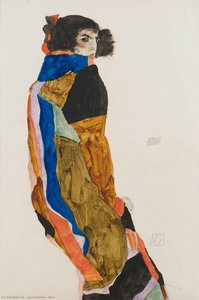
Egon Schiele's portrayal of his sister, Gerti Schiele, is more than just a likeness; it’s a hauntingly beautiful exploration of youth, vulnerability, and the burgeoning anxieties of a rapidly changing era. Painted around 1909, during a pivotal moment in both Schiele’s artistic development and the broader cultural landscape of Vienna, this work embodies the transition from Art Nouveau's decorative elegance to the raw emotional intensity that would define Expressionism. The painting captures Gerti with her back partially turned, an elegant black dress clinging to her form, hinting at a nascent maturity while simultaneously preserving a sense of youthful mystery. The subtle suggestion of a corset beneath the fabric speaks to societal constraints and expectations placed upon women during this period, adding layers of symbolic weight to the composition.
Vienna’s Artistic Climate and Schiele's Early Style
To understand “Gerti Schiele” is to understand the artistic ferment of early 20th-century Vienna. The city was a crucible of ideas, grappling with the decline of the Austro-Hungarian Empire and the rise of modern psychology. Gustav Klimt, a dominant figure in the Viennese art scene, served as an early mentor to Schiele, influencing his use of decorative elements and flowing lines. However, Schiele quickly diverged from Klimt’s opulent style, stripping away ornamentation to reveal the underlying emotional core of his subjects. This painting demonstrates that transitional phase beautifully – the elegant curves and refined color palette echo Art Nouveau sensibilities, but a nascent psychological depth begins to emerge in Gerti's posture and the overall mood of introspection. Schiele wasn’t merely interested in *how* something looked; he was obsessed with conveying *what it felt like* to exist within its form.
Technique and Emotional Resonance
Schiele’s technique in this portrait is masterful, even at this early stage in his career. The delicate rendering of Gerti's hair, styled in an updo and adorned with a pearl necklace, contrasts sharply with the more angular lines defining her back and shoulders. This interplay between softness and sharpness creates a visual tension that mirrors the emotional complexity of the subject. The limited color palette—dominated by blacks, grays, and subtle flesh tones—further enhances the painting’s somber mood. Schiele's use of line is particularly striking; it isn’t simply used to define form but to convey emotion, with each stroke imbued with a sense of nervous energy and psychological insight. The way Gerti glances over her shoulder adds an element of unease, as if she is both inviting and withdrawing from the viewer’s gaze. This ambiguity invites us to project our own emotions onto the figure, forging a deeply personal connection with the artwork.
Gerti Schiele: Muse and Sister
Gerti Schiele was not just a subject for her brother's art; she was a constant presence in his life, a source of both inspiration and complex emotional entanglement. Recent discoveries have revealed previously unknown details about Gerti’s own life, including the tragic circumstances surrounding her institutionalization and death. Knowing this adds another layer of poignancy to works like this portrait. It's impossible not to see a premonition of sadness in her pose, a subtle foreshadowing of the hardships she would endure. Schiele’s portraits of Gerti are particularly compelling because they reveal an intimacy that transcends mere artistic representation; they offer a glimpse into the complex dynamics of siblinghood and the enduring power of familial bonds.
მხატვრის ბიოგრაფია
A Life Forged in Expression
Born in 1890 in the Austrian town of Tulln an der Donau, Egon Schiele’s life was a tempestuous journey marked by both extraordinary artistic vision and profound personal hardship. His early years were shadowed by illness and loss; his father succumbed to syphilis when Egon was just fourteen, a tragedy that would deeply resonate within his work, fueling an obsession with mortality and the fragility of existence. Raised initially by his mother and then under the somewhat controlling guardianship of his uncle Leopold Czihaczek, Schiele’s childhood lacked conventional stability but fostered a fiercely independent spirit. Even as a boy, he displayed an intense fascination with trains—a motif that subtly reappeared in later paintings—and a burgeoning talent for drawing, though this was initially met with disapproval from his father who saw it as a distraction from more practical pursuits. The early death of his sister Elvira also cast a long shadow over the young artist’s psyche. These formative experiences instilled within him a sensitivity and an emotional rawness that would become hallmarks of his artistic expression, a constant grappling with themes of life, death, and the human condition.
The Crucible of Vienna: Artistic Development
Schiele's formal artistic training began at the Kunstgewerbeschule (School of Arts and Crafts) in Vienna, but he quickly found himself stifled by its conservative approach. He transferred to the Akademie der bildenden Künste (Academy of Fine Arts), only to become further disillusioned with its rigid academic traditions. This dissatisfaction led him to abandon formal training altogether, choosing instead to forge his own path, a testament to his unwavering artistic conviction. The influence of Gustav Klimt was pivotal during these early years; Schiele admired Klimt’s decorative style and exploration of symbolism, even receiving mentorship from the established artist. However, Schiele soon diverged from Klimt's aesthetic, developing a distinctly individual voice characterized by its stark honesty and psychological intensity. He co-founded the Neues Wiener Kunstgruppe (New Viennese Art Group) in 1909, aligning himself with other progressive artists who challenged the prevailing artistic norms. His early works, often unsettling portraits and self-portraits, began to emerge as powerful statements of emotional turmoil, featuring distorted figures and a palpable sense of vulnerability. These paintings were not merely representations of physical form but explorations of the inner landscape—the anxieties, desires, and fears that haunted the human psyche.
Raw Emotion and Unflinching Truth
Egon Schiele’s art is immediately recognizable for its raw honesty and psychological depth. He fearlessly confronted themes often considered taboo – sexuality, death, anxiety, isolation – with an unflinching gaze. His distinctive style features elongated figures, contorted poses, and expressive lines that convey a sense of unease and emotional intensity. The human form, particularly the nude, became his primary subject, not as an object of idealized beauty but as a vessel for exploring the complexities of human experience. Self-portraits constitute a significant portion of his oeuvre, offering intimate glimpses into his inner world—a world often marked by loneliness and self-doubt. He didn’t shy away from depicting himself in unflattering or vulnerable poses, revealing a profound level of self-awareness and introspection. Beyond self-portraiture, Schiele created numerous portraits of others, capturing their likenesses with an unsettling realism that seemed to penetrate beneath the surface. His landscapes, while less central to his work than his figurative paintings, demonstrate his mastery of form and color, often reflecting the same emotional intensity as his portraits. The use of line is particularly striking in Schiele’s work; it's not merely a tool for defining shape but an expressive force that conveys emotion and psychological tension. Recurring motifs like the *Physalis plant* – symbolizing death and transience with its delicate, papery husk – further underscore this preoccupation with mortality.
A Legacy Cut Short: Achievements & Significance
Despite facing censorship and legal challenges – including a brief imprisonment for allegedly corrupting minors with his art – Schiele gained recognition within Vienna’s avant-garde circles. His work challenged the conventions of the time, provoking both admiration and outrage. By the time of his untimely death during the Spanish flu pandemic in 1918 at the age of twenty-eight, he had established himself as a leading figure in Austrian Expressionism. Significant works such as Self-Portrait with Physalis, Couple Embracing, and Field Landscape (Kreuzberg near Krumau) stand as testaments to his artistic genius. His influence on subsequent generations of artists is undeniable, particularly those interested in exploring psychological themes and challenging conventional artistic norms. Schiele’s bold approach to form and subject matter continues to resonate with audiences today, making him one of the most important and influential figures in early 20th-century art. His paintings are now held in major museum collections worldwide, including the Leopold Museum in Vienna and the Egon Schiele Art Centrum in Český Krumlov, ensuring his artistic legacy endures. He left behind a body of work that is not merely aesthetically compelling but profoundly human—a testament to the power of art to confront the complexities of existence with honesty, courage, and unwavering vision.
- Key Themes: Mortality, sexuality, isolation, psychological turmoil.
- Influences: Gustav Klimt, Viennese Secession, personal trauma.
- Style Characteristics: Elongated figures, contorted poses, expressive lines, raw emotion.

एकोன் შიელი
1890 - 1918 , ავსტრალია და ჰუნგარი
მოკლე ინფორმაცია
- Artistic Movement Or Style: Экспрессионизм
- Artists Who Influenced This Artist: ['Густав Климт']
- Date Of Birth: 12 июня 1890 г.
- Date Of Death: 31 октября 1918 г.
- Full Name: Egon Leo Adolf Ludwig Schiele
- Nationality: Австриец
- Notable Artworks:
- Автопортрет с Физалисом
- Пара обнимается
- Полевая панорама (Крюмау)
- Place Of Birth: Тюльн, Австрия
დაკავშირებული სტატიები

Unlocking Emotion: A Beginner's Guide to the Raw Power of Symbolic Expressionism Art
Discover the raw emotion of Symbolic Expressionism. Our expert guide explores how masters like Munch use color and form to convey inner feelings, offering inspiration for collectors looking to bring powerful, soulful art into their modern homes.
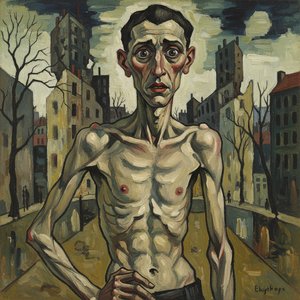
Egon Schiele: Expressionism, Anxiety & the Modern Condition – A Comprehensive Exploration
Explore the emotionally charged world of Egon Schiele (1890-1918). Discover his Expressionist masterpieces, psychological themes, and lasting impact on modern art. A comprehensive guide for collectors & enthusiasts.
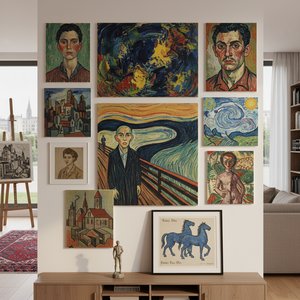
ექსპრესიონიზმის 10 შედევრი: ხელოვნება, რომელიც განაჩაღებს გრძნობებს
აღმოფრთოვანდით ექსპრესიონიზმის შედევრებით! ვან გოგი, მუნკი და სხვა ოსტატების 10 ყველაზე მნიშვნელოვანი ტილო. შეიგრძენემოციები, ფერები და ისტორია. იხილეთ ხელოვნების შესანიშნავი კოლექცია OriginalUniqueArt.com-ზე!
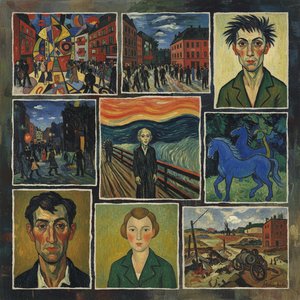
Expressionist Painting: 10 Masterpieces That Defined a Movement | OriginalUniqueArt
Explore 10 Expressionist paintings that revolutionized art! Discover Munch, Kirchner & Kandinsky's iconic works. Find museum-quality reproductions and vibrant canvas prints to elevate your home decor on OriginalUniqueArt.com.
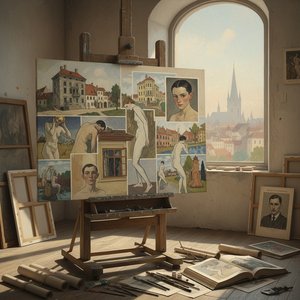
ეგონ შილეს 25 საუკეთესო შედევრი: ხელოვნების ისტორია თქვენს სახლში | OriginalUniqueArt.com
აღმოაჩინეთ ეგონ შილეს 25 საუკეთესო შედევრი! ექსპრესიონიზმის სიმბოლიზმი, ფსიქოლოგიური პორტრეტები და ავტოპორტრეტები. შეიძინეთ ხელოვნების რეკონსტრუქციები OriginalUniqueArt.com-ზე და შექმნით თქვენი სახლის უნიკალური ინტერიერი. Explore the full collection online!