

 წინასწარი ნახვა
 გაგზავნა
 გაზიარება
 დეტალები

 ჩამოტვირთვა
 მსგავსები
 რენტგენოგრაფიული კვლევა
 სლაიდშოუ
The Mountains of Thermopylae
 Acrylic On Canvas
- WallArt
- Romantic Landscape Painting
 1852
1852 68.0 x 135.0 cm
 ბრისტოლის მუზეუმი - ხელოვნების გალერეა
 გადასართად დაწვრილებით ნახეთ
გიკლე / ხელოვნების პრინტი
მუზეუმის დონის ჟიკლე ან ტილოზე ბეჭდვა სწრაფი წარმოებისა და დასრულების მოქნილი ვარიანტებით. ( შეიძინეთ ხელით შესრულებული ნახატი შეიძინეთ გამოსახულება)




P118B $10

P118H $10

P118W $10

P438Z $10

P508JH $12

P508YH $12

P805H $10

P805Z $10

P919BZ $10

P919G $10

P919XJ $10

P959ZH $10

P968JZ $12

W106C $8

W218G $10

W218JH $8

W218Y $10

W307PJ $10

W316G $10

W316PJ $8

W316Y $10

W398PJ $8

W4111J $10

W500HY $15

W500JH $15

W692G $12

W849H $8

W940BG $15

W953PJ $8




აირჩიეთ ჩვენს მიერ წინასწარ განსაზღვრული ზომებიდან, რომლებიც ნაწარმოების ორიგინალურ პროპორციებს შეესაბამება.

თქვენ შეგიძლიათ მიუთითოთ საკუთარი ზომები კონკრეტული ჩარჩოსთვის ან სივრცისთვის მოსარგებლებლად. თუ თქვენ მიერ არჩეული ზომა არ შეესაბამება ორიგინალი გამოსახულების პროპორციებს, ჩვენ ან დავჭრით ნამუშევარს, ან გავაფართოვებთ გამოსახულებას სარკული ან ერთფეროვანი კიდეებით. წარმოების დაწყებამდე თქვენს დასამტკიცებლად გამოგეგზავნებათ ციფრული მაკეტი.
გთხოვთ, გაითვალისწინოთ, რომ ეკრანზე ნაჩვენები წინასწარი ნახვა არ ასახავს რეალურ ჭრას ან გაფართოებას. მხოლოდ მაკეტზე იქნება ზუსტად წარმოდგენილი საბოლოო კომპოზიცია.
მიუხედავად იმისა, რომ ინდივიდუალური ზომები ხელმისაწვდომია, ორიგინალური პროპორციების შესანარჩუნებლად გირჩევთ, აირჩიოთ ზომა წინასწარ განსაზღვრული სიისგან.
მიწოდება მთელ მსოფლიოში () 2 კვირაში, სტანდარტული 4/5 კვირის ნაცვლად. (18 აგვისტო)

უფასო ექსპრეს მიწოდება მთელ მსოფლიოში

საბამად მაღალი ხარისხის ტილო

სრული ტრანსპორტირების დაზღვევა

საბაჟო გადასახადების დაბრუნების გარანტია

ფერების სრული შესაბამისობის გარანტია

60-დღიანი დაბრუნების პოლიტიკა (მხოლოდ დეფექტის შემთხვევაში)

100% თანხის დაბრუნების გარანტია

ფასდაკლება დიდი რაოდენობით შეკვეთისას
 მინის ჩარჩოს არჩევანი ხელმისაწვდომია მხოლოდ 110 სმ-ზე ნაკლები ზომისთვის

The Mountains of Thermopylae
გიკლე / ხელოვნების პრინტი
რეკლამაციის ზომა
-


საბოლოო ფასი
$ 80
საკლექციო აღწერა
Edward Lear’s Thermopylae: A Landscape of Quiet Resolve
Edward Lear (1812–1888), a figure largely remembered for his delightfully absurd verse and whimsical illustrations—particularly “The Owl and the Pussy Cat”—possessed an artistic sensibility far exceeding popular perception. Born into a sprawling family in Holloway, North London, Lear’s formative years were shaped by both considerable familial hardship and an undeniable predisposition towards visual artistry. His father, Jeremiah Lear, wrestled with financial difficulties following the Napoleonic Wars, forcing young Edward to begin earning a living through his drawings at just fifteen, fostering a lifelong dedication that would propel him across continents and imbue his work with a singular blend of observation and imaginative reimagining. This early exposure to adversity instilled within him a contemplative spirit—a quiet solitude—that profoundly influenced his artistic vision, as evidenced by his breathtaking landscape paintings like “The Mountains of Thermopylae.”A Vision Steeped in Observation and Impressionism
Painted in 1852 during Lear’s extensive travels through Greece and Italy, "The Mountains of Thermopylae" exemplifies Lear's mastery of Impressionistic technique. Executed on canvas with oil paints, the artwork eschews meticulous detail in favor of capturing fleeting atmospheric conditions—a deliberate choice reflecting Lear’s fascination with light and color as expressive tools. Unlike academic painters preoccupied with precise representation, Lear prioritized conveying mood and emotion through subtle tonal variations and blended brushstrokes. The artist skillfully employed layering techniques to build up depth and texture, mirroring the rugged grandeur of the Thermopylae mountains themselves. This approach aligns perfectly with the burgeoning Impressionist movement, which championed capturing immediate sensory experience rather than idealized depictions.The Landscape as Emblematic Symbolism
Beyond its technical prowess, “The Mountains of Thermopylae” resonates deeply with symbolic significance rooted in historical context. The painting commemorates the heroic defense of Thermopylae by a small Spartan force against the overwhelming Persian army in 480 BC—a pivotal moment in Greek history symbolizing courage, resilience, and unwavering commitment to principle. Lear’s depiction of towering mountains serves as an allegory for steadfastness and fortitude, mirroring the Spartans' determination to hold their ground despite insurmountable odds. The azure sea beneath represents tranquility juxtaposed with danger, reflecting the precarious nature of freedom and the constant vigilance required to safeguard it. Furthermore, the sparse figures on the cliff face underscore the importance of unity and collective resolve—themes central to the Spartan ethos.Emotional Resonance: Tranquility Amidst Struggle
Despite its connection to a dramatic historical event, “The Mountains of Thermopylae” exudes an unexpected serenity. Lear’s masterful use of color—primarily shades of purple and blue—creates a calming visual atmosphere that invites contemplation. The harmonious composition draws the eye upwards towards the peaks of the mountains, fostering a sense of aspiration and grandeur. However, beneath this surface tranquility lies an unspoken acknowledgement of hardship—a subtle reminder that true strength resides not merely in physical prowess but also in inner resilience. Lear’s painting transcends mere landscape depiction; it communicates a profound emotional truth about confronting adversity with grace and unwavering conviction. It's a piece designed to inspire awe and contemplation, reminding viewers of the enduring power of beauty amidst struggle—a testament to Lear’s remarkable ability to distill complex ideas into evocative visual form.A Reproduction Worthy of Distinction
OriginalUniqueArt.com offers exceptional reproductions of “The Mountains of Thermopylae,” meticulously crafted by skilled artisans using archival-quality materials. These reproductions faithfully capture the original artwork’s luminosity and textural nuances, allowing collectors and interior designers alike to experience Lear's vision firsthand. Invest in a stunning print that brings this iconic landscape into your home—a beautiful reminder of courage, contemplation, and the enduring legacy of Edward Lear.მხატვრის ბიოგრაფია
Edward Lear (1812-1888): The Poet of Nonsense and Light
Edward Lear, a name inextricably linked to the whimsical verse and delightfully peculiar illustrations that often define his legacy, was far more than merely the purveyor of limericks and fantastical creatures; he possessed a singular artistic spirit—a restless explorer of imagination who reshaped Victorian literature and captivated audiences across generations. Born in Holloway, North London, on May 12, 1812, into a sprawling family numbering twenty-one children – a circumstance that profoundly shaped his formative years – Lear’s early life unfolded amidst considerable financial hardship and an undeniable predisposition for artistic expression. His father, Jeremiah Lear, wrestled tirelessly with the economic repercussions of the Napoleonic Wars, forcing young Edward to commence earning a livelihood through his drawings at the tender age of fifteen—a necessity that ignited within him a lifelong passion for visual storytelling. This early exposure to artistic endeavor wouldn’t merely hone his draughtsmanship but would cultivate an enduring fascination with capturing the world in vibrant hues and playful lines—qualities that would subsequently permeate his oeuvre.Early Influences: Precision and Observation
Lear's formative artistic training centered on scientific illustration, demanding unwavering precision and meticulous observation—skills honed diligently during his employment at the Zoological Society. This initial focus instilled within him a profound appreciation for anatomical accuracy and textural detail, shaping his stylistic approach even as he ventured into more expressive territories later in life. The Society tasked him with documenting the diverse fauna inhabiting exotic menageries across Europe, fostering an intimate connection with the natural world—a bond that would become palpable in his subsequent landscape paintings. This early immersion in scientific inquiry served as a bedrock for his artistic development, nurturing a capacity for capturing subtle nuances of form and color with remarkable fidelity.Travels & Landscape Painting: Absorbing Diverse Atmospheres
Lear’s artistic trajectory took an exhilarating turn during his extended travels throughout Europe—a period that irrevocably imprinted upon his creative vision. Particularly captivated by Italy, where he sought respite from debilitating respiratory ailments and found inspiration in the region's breathtaking vistas, Lear absorbed the luminous qualities of Mediterranean light and the rich tapestry of Italian landscapes. He meticulously studied topographical contours and atmospheric perspective, developing a distinctive style characterized by delicate brushwork and an evocative rendering of mood—a stylistic hallmark that would endure throughout his artistic career. His canvases bear witness to his profound engagement with the visual environment, reflecting not only technical mastery but also an emotional resonance born from firsthand experience.The Poet of Nonsense: A Revolution in Verse
However, Lear’s enduring fame rests principally upon his literary achievements—specifically his groundbreaking “nonsense” poetry, which irrevocably transformed children's literature and charmed readers of all ages. His magnum opus, *A Book of Nonsense*, published in 1846 under the pseudonym "Derry down Derry," inaugurated a realm populated by owls and pussycats embarking on improbable voyages aboard pea-green boats—a fantastical conceit that defied conventional logic and captivated imaginations worldwide. Lear’s limericks weren't merely frivolous amusements; they possessed a subtle melancholy interwoven with playful subversion of established norms—a stylistic paradox that underscored his artistic genius. He didn’t simply invent nonsensical words; he crafted entire worlds governed by their own internal consistency, inviting readers to embrace the liberating joy of imaginative surrender. *The Owl and the Pussy-Cat*, arguably his most celebrated poem, remains a timeless classic—its lyrical rhythm and evocative imagery resonating across generations.Legacy & Enduring Charm: An Artist Ahead of His Time
Lear’s influence extends far beyond the confines of Victorian verse; he pioneered a novel poetic idiom—liberating language from rigid constraints and championing experimental innovation. He challenged prevailing artistic conventions, blurring distinctions between art, literature, and music—a multifaceted talent that cemented his position as a true visionary. His paintings—found in esteemed collections like The Ashmolean Museum, Oxford—stand as testament to his exceptional draughtsmanship and unwavering dedication to capturing the beauty of the natural world. Edward Lear’s life—marked by both personal tribulations and artistic triumphs—serves as a poignant reminder that creativity flourishes even amidst adversity—that imagination transcends boundaries and illuminates the human spirit with enduring brilliance. His work continues to inspire artists, writers, and dreamers alike, reaffirming the transformative power of embracing absurdity and celebrating the boundless potential for wonder within our everyday existence.
ედვარდ ჰოპერი
1812 - 1888 , ინგლისი
მოკლე ინფორმაცია
- Artistic Movement Or Style: ნ ო ს Ř ც Ř ე ლ Ř இ ს მ და რ
- Date Of Birth: მ ა ი ს კ ო ლ ო ნ დ ო ს კ მ და რ ბ ე დ ო ს კ მ და რ
- Date Of Death: ი ა ნ ვ ა რ დ ო ს კ ო ს მ და რ
- Full Name: ედვარდ ჰოპერი
- Nationality: ბ Ř ი თ Ř இ ს კ მ და რ
- Notable Artworks:
- გ ა სი
- თ Ř ო ს დ ო ს კ ო ს მ და რ მ და რ მ და რ მ და რ
- პ Ř ო Ř რ Ř ო ს Ř ტ Ř ს Ř ო ს Ř დ Ř ო ს Ř ს Ř ო ს Ř დ Ř ო ს Ř ს
- Place Of Birth: ლ ო ნ დ ო ს კ მ და რ მ და რ
დაკავშირებული სტატიები

როμανტიზმის ეპოქის ტენდერება: საუკეთესო 10 შედევრი, რომელმაც განსაზღვრა ლანშაფტური მხატვრობა
აღმოფრთოვანდით რომანტიზმის ეპოქის 10 საუკეთესო ლანშაფტური შედევრით! ტერნერი, კორტო და სხვა მხატვრების ნაწარმოებები. იხილეთ მათი ისტორია და აღმოგეყვინებათ ხელოვნების márgali. შეიძინეთ მაღალი ხარისბის რესტავრაციული ასლები OriginalUniqueArt.com-ზე!
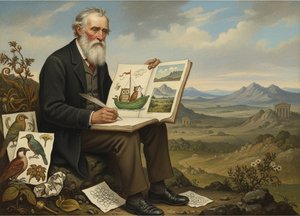
Edward Lear: A Life Beyond Nonsense – Landscape, Illustration & the Poetics of Isolation
Explore the life of Edward Lear beyond his nonsense poems. Discover his stunning landscape paintings, travel illustrations & the poignant themes of isolation in this expert art history analysis.
Beyond the Horizon: 10 Landscape Masterpieces for Your Home Decor
Journey through 10 breathtaking landscape paintings by Monet, Van Gogh & more! Explore iconic artworks, artistic techniques & find inspiration for your home decor. Museum-quality reproductions at OriginalUniqueArt.com. Discover all masterpieces on OriginalUniqueArt.com

Evocations of Place: A Historical Journey Through Landscape Art
Explore the rich history of landscape art with OriginalUniqueArt. Discover renowned artists, movements like Impressionism & Romanticism, and expert guidance for collecting timeless pieces. Find your perfect serene escape today!

The Sublime and the Picturesque: Exploring Emotion & Nature in Romantic Landscape Painting
Explore the emotional power of Romantic landscape painting! Discover the sublime & picturesque traditions, key artists like Friedrich & Cole, and find your perfect artwork at OriginalUniqueArt.

