

 ნახვა ინტერьерში
 გაგზავნა
 გაზიარება
 დეტალები
 გზამკვლევი

 ჩამოტვირთვა
 მსგავსები
 რენტგენოგრაფიული კვლევა
 სლაიდშოუ
 Q&A
Q&A სტატისტიკა
Quarries of Syracuse
 Acrylic On Canvas
- WallArt
- Romanticism
 1847
1847 35.0 x 50.0 cm
 National Museums Liverpool
 სრული ტექსტის ნახვა
გიკლე / ხელოვნების პრინტი
მუზეუმის დონის ჟიკლე ან ტილოზე ბეჭდვა სწრაფი წარმოებისა და დასრულების მოქნილი ვარიანტებით. ( შეიძინეთ ხელით შესრულებული ნახატი გადასვლა ციფრულ გამოსახულებაზე)




P118B ₾10

P118H ₾10

P118W ₾10

P438Z ₾10

P508JH ₾12

P508YH ₾12

P805H ₾10

P805Z ₾10

P919BZ ₾10

P919G ₾10

P919XJ ₾10

P959ZH ₾10

P968JZ ₾12

W106C ₾8

W218G ₾10

W218JH ₾8

W218Y ₾10

W307PJ ₾10

W316G ₾10

W316PJ ₾8

W316Y ₾10

W398PJ ₾8

W4111J ₾10

W500HY ₾15

W500JH ₾15

W692G ₾12

W849H ₾8

W940BG ₾15

W953PJ ₾8




აირჩიეთ ჩვენს მიერ წინასწარ განსაზღვრული ზომებიდან, რომლებიც ნაწარმოების ორიგინალურ პროპორციებს შეესაბამება.

შეიყვანეთ თქვენთვის საჭირო სიგანე და სიმაღლე, რათა იგი მოერგოს თქვენს ჩარჩოს ან კედელს. ბეჭდვისას შესაძლებელია მხოლოდ მისი შემცირება და არა გაზრდა, ამიტომ სხვა ფორმის ზომის შემთხვევაში გამოსახულება ნაწილობრივ იკარგება. სანამ რაიმეს დაბეჭდავთ, ჩვენ გამოგიგზავნით ციფრულ მაკეტს დასდასტურებლად. ამ გვერდზე ნაჩვენები სურათი არ ასახავს რეალურ ჭრას — ამას მხოლოდ მაკეტი გვიჩვენებს.
მიწოდება მთელ მსოფლიოში () 2 კვირაში, სტანდარტული 4/5 კვირის ნაცვლად. (31 ოქტომბერი)

უფასო ექსპრეს მიწოდება მთელ მსოფლიოში

მაღალი ხარისხის ტილო

ტრანსპორტირების სრული დაზღვევა

საბაჟო გადასახადების დაბრუნების გარანტია

ფერების სრული შესაბამისობის გარანტია

დაბრუნების 100-დღიანი პერიოდი (მხოლოდ წარმოების დეფექტის შემთხვევაში)

100% თანხის სრული დაბრუნების გარანტია

ფასდაკლება დიდი რაოდენობით შეკვეთისას
 მინის ჩარჩოს არჩევანი ხელმისაწვდომია მხოლოდ 110 სმ-მდე ზომისთვის

Quarries of Syracuse
გიკლე / ხელოვნების პრინტი
რეპროდუქციის ზომა
-


ჯამური ღირებულება
₾ 208
The Quarries of Syracuse – A Romantic Vision of Sicilian Majesty
Edward Lear’s “Quarries of Syracuse” (1847) stands as a testament to the Romantic movement's fascination with untamed landscapes and sublime beauty—a captivating watercolor capturing the rugged grandeur of Sicily’s coastline. Executed during his travels from Rome to Europe, this sketch reveals Lear’s keen observation skills and artistic ambition, foreshadowing his later mastery of fantastical illustration alongside more grounded landscape painting. The artwork embodies a spirit of contemplative wonder, reflecting Lear's personal inclination towards solitude and introspection—qualities powerfully conveyed through its visual language.- Subject Matter: The scene depicts a dramatic vista dominated by towering cliffs plunging into the turquoise Mediterranean Sea. A distant horizon line adds to the expansive scale of the composition, emphasizing the immensity of nature’s power.
- Style & Technique: Lear employed watercolor wash—a technique prioritizing diffused color and atmospheric perspective—to achieve an ethereal quality. Loose brushstrokes contribute texture and movement, particularly noticeable in the turbulent sea foam and weathered rock surfaces.
- Composition: A prominent diagonal line created by the cliff face draws the viewer’s eye into the depth of the landscape, reinforcing the sense of grandeur and conveying a dynamic energy.
- Color Palette: Predominantly blues—ranging from deep indigo to pale azure—dominate the sky and sea, harmoniously juxtaposed with earthy browns and grays representing the cliffs and rock formations.
Historical Context & Romantic Ideals
Lear’s journey through Sicily coincided with a burgeoning interest in geological exploration and scientific observation during the Romantic era. Artists like Lear sought to depict nature not merely as decorative splendor but as an embodiment of divine power and sublime terror—themes central to Romantic philosophy. “Quarries of Syracuse” reflects this intellectual fervor, presenting a landscape imbued with symbolic significance: The cliffs symbolize resilience and permanence against the forces of time and erosion, mirroring the Romantic preoccupation with confronting mortality and embracing the beauty of decay.Symbolism & Emotional Resonance
Beyond its formal elements, “Quarries of Syracuse” resonates with profound emotional depth. The solitary figure implied by Lear’s sketch—a subtle suggestion of human presence amidst overwhelming natural grandeur—evokes feelings of contemplation and awe. The muted palette contributes to a melancholic mood, hinting at the fleeting nature of beauty and prompting reflection on our relationship with the environment. It's a piece that invites viewers to pause and appreciate the sublime power of untouched wilderness.Detailed Analysis: Watercolor Wash & Atmospheric Perspective
Lear’s masterful use of watercolor wash is particularly noteworthy. Applying thin layers of pigment over wet paper creates a luminous effect, capturing the subtle nuances of light and shadow—a technique favored by Romantic painters to convey atmospheric depth. The careful blending of colors achieves remarkable textural variation, simulating the weathered appearance of the cliffs and the shimmering surface of the sea. This meticulous attention to detail underscores Lear’s commitment to faithfully representing the natural world with artistic precision.კითხვები და პასუხები
რა ტექნიკა გამოიყენეს "Quarries of Syracuse"-ის შესაქმნელად და როდის შეიქმნა იგი?
"Quarries of Syracuse" შეიქმნა 1847 წელს, Acrylic On Canvas-ით.
როგორ ერგება „Quarries of Syracuse“ ედვარდ ჰოპერი-ის თემებსა და სტილს?
"Quarries of Syracuse"-ს ედვარდ ჰოპერი-ის სხვა ნამუშევრებთან საერთო აქვს Romanticism სტილი და განმეორებადი თემები: romantic sublime nature, sicilian inspiration lear, european travel sketch, grand landscape views, victorian artistic taste, nature's power & scale, early travel studies", sketchbook exploration.
რომელი მუზეუმი ინახავს ორიგინალ "Quarries of Syracuse"-ს?
ედვარდ ჰოპერი-ის „Quarries of Syracuse“ წარმოდგენილია National Museums Liverpool, Liverpool, United Kingdom-ში. მუზეუმის აღწერილობა ეხება ორიგინალ ნამუშევარს და არა რეპროდუქციებს.
მხატვრის ბიოგრაფია
Edward Lear (1812-1888): The Poet of Nonsense and Light
Edward Lear, a name inextricably linked to the whimsical verse and delightfully peculiar illustrations that often define his legacy, was far more than merely the purveyor of limericks and fantastical creatures; he possessed a singular artistic spirit—a restless explorer of imagination who reshaped Victorian literature and captivated audiences across generations. Born in Holloway, North London, on May 12, 1812, into a sprawling family numbering twenty-one children – a circumstance that profoundly shaped his formative years – Lear’s early life unfolded amidst considerable financial hardship and an undeniable predisposition for artistic expression. His father, Jeremiah Lear, wrestled tirelessly with the economic repercussions of the Napoleonic Wars, forcing young Edward to commence earning a livelihood through his drawings at the tender age of fifteen—a necessity that ignited within him a lifelong passion for visual storytelling. This early exposure to artistic endeavor wouldn’t merely hone his draughtsmanship but would cultivate an enduring fascination with capturing the world in vibrant hues and playful lines—qualities that would subsequently permeate his oeuvre.Early Influences: Precision and Observation
Lear's formative artistic training centered on scientific illustration, demanding unwavering precision and meticulous observation—skills honed diligently during his employment at the Zoological Society. This initial focus instilled within him a profound appreciation for anatomical accuracy and textural detail, shaping his stylistic approach even as he ventured into more expressive territories later in life. The Society tasked him with documenting the diverse fauna inhabiting exotic menageries across Europe, fostering an intimate connection with the natural world—a bond that would become palpable in his subsequent landscape paintings. This early immersion in scientific inquiry served as a bedrock for his artistic development, nurturing a capacity for capturing subtle nuances of form and color with remarkable fidelity.Travels & Landscape Painting: Absorbing Diverse Atmospheres
Lear’s artistic trajectory took an exhilarating turn during his extended travels throughout Europe—a period that irrevocably imprinted upon his creative vision. Particularly captivated by Italy, where he sought respite from debilitating respiratory ailments and found inspiration in the region's breathtaking vistas, Lear absorbed the luminous qualities of Mediterranean light and the rich tapestry of Italian landscapes. He meticulously studied topographical contours and atmospheric perspective, developing a distinctive style characterized by delicate brushwork and an evocative rendering of mood—a stylistic hallmark that would endure throughout his artistic career. His canvases bear witness to his profound engagement with the visual environment, reflecting not only technical mastery but also an emotional resonance born from firsthand experience.The Poet of Nonsense: A Revolution in Verse
However, Lear’s enduring fame rests principally upon his literary achievements—specifically his groundbreaking “nonsense” poetry, which irrevocably transformed children's literature and charmed readers of all ages. His magnum opus, *A Book of Nonsense*, published in 1846 under the pseudonym "Derry down Derry," inaugurated a realm populated by owls and pussycats embarking on improbable voyages aboard pea-green boats—a fantastical conceit that defied conventional logic and captivated imaginations worldwide. Lear’s limericks weren't merely frivolous amusements; they possessed a subtle melancholy interwoven with playful subversion of established norms—a stylistic paradox that underscored his artistic genius. He didn’t simply invent nonsensical words; he crafted entire worlds governed by their own internal consistency, inviting readers to embrace the liberating joy of imaginative surrender. *The Owl and the Pussy-Cat*, arguably his most celebrated poem, remains a timeless classic—its lyrical rhythm and evocative imagery resonating across generations.Legacy & Enduring Charm: An Artist Ahead of His Time
Lear’s influence extends far beyond the confines of Victorian verse; he pioneered a novel poetic idiom—liberating language from rigid constraints and championing experimental innovation. He challenged prevailing artistic conventions, blurring distinctions between art, literature, and music—a multifaceted talent that cemented his position as a true visionary. His paintings—found in esteemed collections like The Ashmolean Museum, Oxford—stand as testament to his exceptional draughtsmanship and unwavering dedication to capturing the beauty of the natural world. Edward Lear’s life—marked by both personal tribulations and artistic triumphs—serves as a poignant reminder that creativity flourishes even amidst adversity—that imagination transcends boundaries and illuminates the human spirit with enduring brilliance. His work continues to inspire artists, writers, and dreamers alike, reaffirming the transformative power of embracing absurdity and celebrating the boundless potential for wonder within our everyday existence.
ედვარდ ჰოპერი
1812 - 1888 , ინგლისი
მოკლე ფაქტები
- Artistic Movement Or Style: ნ ო ს Ř ც Ř ე ლ Ř இ ს მ და რ
- Date Of Birth: მ ა ი ს კ ო ლ ო ნ დ ო ს კ მ და რ ბ ე დ ო ს კ მ და რ
- Date Of Death: ი ა ნ ვ ა რ დ ო ს კ ო ს მ და რ
- Full Name: ედვარდ ჰოპერი
- Nationality: ბ Ř ი თ Ř இ ს კ მ და რ
- Notable Artworks:
- გ ა სი
- თ Ř ო ს დ ო ს კ ო ს მ და რ მ და რ მ და რ მ და რ
- პ Ř ო Ř რ Ř ო ს Ř ტ Ř ს Ř ო ს Ř დ Ř ო ს Ř ს Ř ო ს Ř დ Ř ო ს Ř ს
- Place Of Birth: ლ ო ნ დ ო ს კ მ და რ მ და რ
მსგავსი სტატიები

Ephemeral Visions: Exploring the Artistic Legacy & Contemporary Practice of Watercolor Painting
Explore the captivating world of watercolor painting! Discover its rich history, essential techniques, influential artists & collecting tips. A comprehensive guide for art enthusiasts from OriginalUniqueArt.
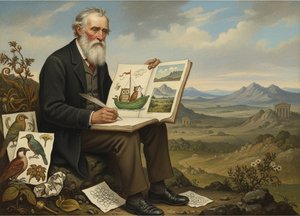
Edward Lear: A Life Beyond Nonsense – Landscape, Illustration & the Poetics of Isolation
Explore the life of Edward Lear beyond his nonsense poems. Discover his stunning landscape paintings, travel illustrations & the poignant themes of isolation in this expert art history analysis.

როμανტიზმის ეპოქის ტენდერება: საუკეთესო 10 შედევრი, რომელმაც განსაზღვრა ლანშაფტური მხატვრობა
აღმოფრთოვანდით რომანტიზმის ეპოქის 10 საუკეთესო ლანშაფტური შედევრით! ტერნერი, კორტო და სხვა მხატვრების ნაწარმოებები. იხილეთ მათი ისტორია და აღმოგეყვინებათ ხელოვნების márgali. შეიძინეთ მაღალი ხარისბის რესტავრაციული ასლები OriginalUniqueArt.com-ზე!

Watercolor Wonders: 10 Masterpieces That Redefined Art History | OriginalUniqueArt
Journey through 10 legendary watercolor masterpieces by Sargent, Turner & Homer! Explore iconic landscapes, portraits & floral art that redefined history. Find museum-quality reproductions and curated decor ideas at OriginalUniqueArt.com.

ედვარდ ჰოპერის 25 გამორჩეული შედევრი: ხელოვნების ისტორია თქვენს სახლში
გაიცანით ედვარდ ჰოპერის 25 გამორჩეული შედევრი! ამერიკული რეალიზმის უნიკალური სტილი, მელანქოლიური ფერები და სახლების დეკორისთვის იდეალური ნახატები. შეიძინეთ ხელოვნების რესპროდუქციები OriginalUniqueArt.com-ზე.