

 ნახვა ინტერьерში
 გაგზავნა
 გაზიარება
 დეტალები
 გზამკვლევი

 ჩამოტვირთვა
 მსგავსები
 რენტგენოგრაფიული კვლევა
 სლაიდშოუ
 სტატისტიკა
The End -1
 Acrylic On Canvas
- WallArt
- Pop Art
 1993
1993 510.0 x 662.0 cm
 Тეატრი ბრიტანია
 სრული ტექსტის ნახვა
ამ გვერდზე წარმოდგენილი ნამუშევარი დაცულია საავტორო უფლების შესახებ კანონმდებლობით, რაც იმას ნიშნავს, რომ ჩვენ არ გვაქვს მისი იდენტური რეპროდუქციის შექმნის ან გაყიდვის სამართლებრივი უფლება. აღნიშნული დაცვა უზრუნველყოფილია ისეთი საერთაშორისო შეთანხმებებით, როგორიცაა ბერნის კონვენცია და ეროვნული კანონმდებლობით, მათ შორის იმ კანონებით, რომლებიც დეტალურად არის გაწერილი აშშ-ის საავტორო უფლების შესახებ კანონი - თავი 17.
ეს მეთოდი სრულად შეესაბამება საავტორო უფლებების რეგულაციებს, რადგან ის არ გულისხმობს დაცული ნამუშევრის კოპირებას ან დუბლირებას. ამგვარად, ეს წარმოადგენს შემოქმედებით რეინტერპრეტაციას — ახალ ნახატს, რომელიც შთაგონებითაა განპირობებული ორიგინალით, თუმცა არ არის მის იდენტურ ასლს.
გიკლე / ხელოვნების პრინტი
მუზეუმის დონის ჟიკლე ან ტილოზე ბეჭდვა სწრაფი წარმოებისა და დასრულების მოქნილი ვარიანტებით. ( შეიძინეთ ხელით შესრულებული ნახატი გადასვლა ციფრულ გამოსახულებაზე)




P118B ₾10

P118H ₾10

P118W ₾10

P438Z ₾10

P508JH ₾12

P508YH ₾12

P805H ₾10

P805Z ₾10

P919BZ ₾10

P919G ₾10

P919XJ ₾10

P959ZH ₾10

P968JZ ₾12

W106C ₾8

W218G ₾10

W218JH ₾8

W218Y ₾10

W307PJ ₾10

W316G ₾10

W316PJ ₾8

W316Y ₾10

W398PJ ₾8

W4111J ₾10

W500HY ₾15

W500JH ₾15

W692G ₾12

W849H ₾8

W940BG ₾15

W953PJ ₾8




აირჩიეთ ჩვენს მიერ წინასწარ განსაზღვრული ზომებიდან, რომლებიც ნაწარმოების ორიგინალურ პროპორციებს შეესაბამება.

შეიყვანეთ თქვენთვის საჭირო სიგანე და სიმაღლე, რათა იგი მოერგოს თქვენს ჩარჩოს ან კედელს. ბეჭდვისას შესაძლებელია მხოლოდ მისი შემცირება და არა გაზრდა, ამიტომ სხვა ფორმის ზომის შემთხვევაში გამოსახულება ნაწილობრივ იკარგება. სანამ რაიმეს დაბეჭდავთ, ჩვენ გამოგიგზავნით ციფრულ მაკეტს დასდასტურებლად. ამ გვერდზე ნაჩვენები სურათი არ ასახავს რეალურ ჭრას — ამას მხოლოდ მაკეტი გვიჩვენებს.
მიწოდება მთელ მსოფლიოში () 2 კვირაში, სტანდარტული 4/5 კვირის ნაცვლად. (24 ოქტომბერი)

უფასო ექსპრეს მიწოდება მთელ მსოფლიოში

მაღალი ხარისხის ტილო

ტრანსპორტირების სრული დაზღვევა

საბაჟო გადასახადების დაბრუნების გარანტია

ფერების სრული შესაბამისობის გარანტია

დაბრუნების 100-დღიანი პერიოდი (მხოლოდ წარმოების დეფექტის შემთხვევაში)

100% თანხის სრული დაბრუნების გარანტია

ფასდაკლება დიდი რაოდენობით შეკვეთისას
 მინის ჩარჩოს არჩევანი ხელმისაწვდომია მხოლოდ 110 სმ-მდე ზომისთვის

The End -1
გიკლე / ხელოვნების პრინტი
რეპროდუქციის ზომა
-


ჯამური ღირებულება
₾ 209
The Fractured Echoes of “The End” – A Meditation on Decay and Finality
Edward Ruscha’s “The End,” created in 1993, isn't merely a painting; it’s an unsettling meditation on the transient nature of existence, rendered with a stark minimalism that belies its profound emotional weight. The work immediately confronts the viewer with a fragmented visual vocabulary – two rectangular panels dominated by the repeated phrase “The End,” each section partially obscured by vertical lines resembling scratches or deliberate markings. These aren't clean, precise cuts; they’re rough, uneven interventions that suggest a process of erosion, as if the text itself is slowly being consumed by time and decay. The grayscale palette—ranging from near-white to deep charcoal—further amplifies this sense of disintegration, evoking the faded tones of old photographs or weathered documents. It's a deliberate rejection of vibrant color, prioritizing texture and suggestion over overt representation.A Rooted History: Ruscha’s Pop Art Legacy and Los Angeles Vernacular
Ruscha’s work is deeply intertwined with the trajectory of American art in the late 20th century. Emerging from the Ferus Gallery scene in Los Angeles during the height of the Pop Art movement, he absorbed the influence of figures like Warhol and Lichtenstein while simultaneously forging his own distinct path. However, unlike the celebratory embrace of consumer culture often associated with Pop Art, Ruscha’s work frequently operates on a more melancholic register. He wasn't interested in replicating mass-produced imagery; instead, he sought to capture the essence of Los Angeles – its sprawling infrastructure, its anonymous landscapes, and its underlying sense of alienation. “The End” can be seen as a culmination of this exploration, reflecting a growing disillusionment with the promises of the American Dream. The reference to the Hollywood Boulevard photograph series, created in 1973, highlights this connection—a systematic documentation of urban decay and the relentless march of time.The Language of Absence: Technique and Symbolic Weight
Ruscha’s technique is deceptively simple yet remarkably effective. The work appears to be a print – likely executed on photographic paper – with the deliberate addition of the vertical lines. These markings aren't merely aesthetic flourishes; they actively disrupt the legibility of the text, creating a sense of instability and uncertainty. They suggest a process of erasure, as if the words are struggling to maintain their form against an overwhelming force. The repetition of “The End” itself is crucial. It’s not just a statement of conclusion but also a cyclical affirmation—a constant reminder of the inevitable return to nothingness. The fragmented nature of the phrase – each panel only partially revealing the whole – mirrors the human experience of loss and memory, where fragments remain long after the original event has faded.Beyond the Surface: Emotion and Interpretation
“The End” isn’t a painting that offers easy answers or comforting resolutions. Instead, it invites contemplation—a confrontation with our own mortality and the impermanence of all things. The work evokes feelings of melancholy, anxiety, and perhaps even a strange sense of beauty in its stark honesty. It's a reminder that endings are not necessarily negative; they can be opportunities for renewal and transformation. The deliberate ambiguity of the piece allows each viewer to project their own experiences and interpretations onto it, making “The End” a profoundly personal work of art. Its enduring power lies in its ability to resonate with our deepest fears and desires, prompting us to consider what truly matters at the end of our own journeys.Size: 510 x 662 cm
Date: 1993
Artist Information: Edward Joseph Ruscha IV (born December 16, 1937) is an American artist associated with the pop art movement. He has worked in the media of painting, printmaking, drawing, photography, and film.
კითხვები და პასუხები
სათანადო ფერების გათვალისწინებით, რომელ ოთახშია რეკომენდებული ედვარდ რუსხა-ის „The End -1“-ის განთავსება?
Neutrals ფერების გათვალისწინებით, „The End -1“ რეკომენდებულია Living Room-ისთვის.
რა არის „The End -1“-ის რეპროდუცირების უფლებები Тეატრი ბრიტანია-ში?
ედვარდ რუსხა-ის „The End -1“-ის საავტორო უფლებების სტატუსი ნათელია: ნამუშევარი არის კვლავ დაცულია საავტორო უფლებით. მისი ყოფნა Тეატრი ბრიტანია-ში ამ სტატუსს არ ცვლის.
რა არის ედვარდ რუსხა-ის „The End -1“-ის შექმნის თარიღი და სტილი?
"The End -1" შეიქმნა 1993 წელს, Pop Art მიმდევრობის ფარგლებში.
მხატვრის ბიოგრაფია
ედუარდ ჯოზეფ რუსჩა IV: პოპ-არტის პიონერი
- 1937 წლის 16 დეკემბერს, ნებრასკის შტატის ომაჰაში დაბადებული ედუარდ ჯოზეფ რუსჩა IV გაიზარდა კათოლიკურ ოჯახში.
- რუსჩამ ადრეული ინტერესი გამოიჩინა ხელოვნებაში, განსაკუთრებით კარტუნებზე ხატვაში, რომელიც დედამისმა წაახალისა.
- 1956 წელს რუსჩა გადავიდა ლოს-ანჯელესში და სწავლობდა Chouinard Art Institute-ში (ამჟამად CalArts) 1956-1960 წლებში რობერტ ირვინისა და ემერსონ ვულფერის ხელმძღვანელობით.
- Chouinard-ში სწავლის დროს, მან თანარედაქტორობას გაუწია ჟურნალ *Orb*, რომელიც ალტერნატიული გაზეთების წინამორბედი იყო.
ხელოვნური განვითარება და გავლენები
- რუსჩას მხატვრული მოგზაურობა 1960-იან წლების დასაწყისში დაიწყო, რაც მას ლოს-ანჯელესის Ferus Gallery ჯგუფთან აახლოვა.
- მისი შემოქმედებაზე გავლენა იქონია მრავალფეროვანმა მხატვრებმა, მათ შორის Jasper Johns, John McLaughlin, H.C. Westermann, Arthur Dove, Alvin Lustig და Marcel Duchamp.
- Edward Hopper-ის ნამუშევრებმა, განსაკუთრებით კი მისმა ტილო *Gas* (1940), ასევე მნიშვნელოვანი როლი ითამაშა რუსჩას ჩამოყალიბებაში.
- მისი ადრეული ნამუშევრები გამოიკვეთნენ კომერციული ვიზუალური ენისა და ყოველდღიური ამერიკული ცხოვრების შესწავლის მიმართულებით.
ძირითადი თემები და სტილი
- რუსჩა ცნობილია ტექსტებისა და ფრაზების ჩართვით ტილოებზე, რომლებიც ხშირად წარმოადგენენ ბრუტალურ, მშრალ ესთეტიკას.
- მან ხშირად გამოხატა ყოველდღიური სუბიექტები, როგორიცაა ბენზინგამართი სადგურები, მოტელები და სამხრეთ კალიფორნიის ლანდშაფტები.
- მისი ფოტოგრაფიული წიგნები, როგორიცაა Every Building on the Sunset Strip (1966), არის მისი კონცეპტუალური მიდგომის ხატი.
- რუსჩას ნამუშევრების მთავარი თემა არის ადგილობრივი ენის შესწავლა და ლოს-ანჯელესის ვიზუალური კულტურა.
მნიშვნელოვანი მიღწევები და გამორჩეული ნამუშევრები
- მისი ყველაზე ცნობილი ნამუშევრების შორისაა:
- Standard Station (1966): ამერიკული გზისპირა არქიტექტურის ხატი.
- Large Trademark (1962): მისი სიტყვიანი ტილოების ადრეული მაგალითი.
- Hollywood (1982): ლოს-ანჯელესის გამორჩეული იმიჯის ასახვა.
- Every Building on the Sunset Strip (1966): მიწისქვეშა ფოტოგრაფიული წიგნი, რომელიც Sunset Boulevard-ის მონაკვეთს აგვირებს.
- რუსჩას ნამუშევრებმა შეარყია ხატვის ტრადიციული წარმოდგენები და ფოტოგრაფია, ხელოვნების ფორმებს შორის საზღვრების გაუწევლად.
ისტორიული მნიშვნელობა და მემკვიდრეობა
- რუსჩა ითვლება პოპ-არტის მოძრაობის ერთ-ერთ მთავარ ფიგურად, თუმცა მისი სტილი ხშირად აღემატება მარტივ კატეგორიზაციას.
- მისი გავლენა ვრცელდება თანამედროვე მხატვრებზე, რომლებიც ენასთან, ფოტოგრაფიასთან და კონცეპტუალურ ხელოვნებასთან მუშაობენ.
- მან ხელი შეუწყო ლოს-ანჯელესის ჩამოყალიბებას მნიშვნელოვან სამხატვრო ინოვაციების ცენტრად 1960-იან წლებში.
- რუსჩა დღემდე ცხოვრობს და მუშაობს Culver City, კალიფორნიაში, ხელოვნების სამყაროში აქტიური და გავლენიანი ძალის სახით.

ედვარდ რუსხა
1937 - , საქართველო
მოკლე ფაქტები
- Artistic Movement Or Style: პოპ-არტი
- Artists Who Influenced This Artist:
- Jasper Johns
- Edward Hopper
- Marcel Duchamp
- Date Of Birth: 16 დეკემბერი 1937
- Date Of Death: ჯერ კიდევ ცოცხალი
- Full Name: ედვარდ ჯოზეფ რუსჩა IV
- Nationality: ამერიკელი
- Notable Artworks (List Of Titles):
- Standard Station (1966)
- Every Building on the Sunset Strip (1966)
- Hollywood (1982)
- Large Trademark (1962)
- Place Of Birth (City And Country): ომახა, აშშ
მსგავსი სტატიები

როμανტიზმის ეპოქის ტენდერება: საუკეთესო 10 შედევრი, რომელმაც განსაზღვრა ლანშაფტური მხატვრობა
აღმოფრთოვანდით რომანტიზმის ეპოქის 10 საუკეთესო ლანშაფტური შედევრით! ტერნერი, კორტო და სხვა მხატვრების ნაწარმოებები. იხილეთ მათი ისტორია და აღმოგეყვინებათ ხელოვნების márgali. შეიძინეთ მაღალი ხარისბის რესტავრაციული ასლები OriginalUniqueArt.com-ზე!

ჯონ კონსტებლის 25 საუკეთესო შედევრი | ხელოვნების რეკრეაციები OriginalUniqueArt-ზე
გაიცანით ჯონ კონსტებლის 25 საუკეთესო შედევრი! ინგლისური პეიზაჟების ისტორია, XIX საუკუნის ხელოვნება და OriginalUniqueArt-ზე ხელოვნების უნიკალური კოლექცია. შეიძინეთ ხარისხიანი რეკრეაციები სახლის დეკორაციისთვის. აღმოაჩინეთ სრულყოფილი შეფერილი ტილოები OriginalUniqueArt.com-ზე!
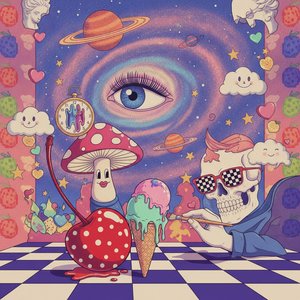
Pop Surrealism Unveiled: The Sophisticated Intersection of Vibrant Pop Art and Dreamlike Subconscious Landscapes
Explore the captivating world of Pop Surrealism. Discover how vibrant Pop Art meets dreamlike subconscious imagery through the works of masters like Jeff Soto and Ryan Heshka. An expert guide for discerning collectors seeking to understand this profound contemporary art movement.

Evocations of Place: A Historical Journey Through Landscape Art
Explore the rich history of landscape art with OriginalUniqueArt. Discover renowned artists, movements like Impressionism & Romanticism, and expert guidance for collecting timeless pieces. Find your perfect serene escape today!

Golden Hour Magic: Capturing the Ethereal Beauty of Sunset Landscapes in Fine Art
Embark on a visual journey through the golden hour. Discover how master painters capture the ethereal glow of sunsets, from Monet's Impressionism to the Hudson River School. Explore timeless techniques and bring the magic of twilight into your home with exquisite fine art reproductions.
