

 წინასწარი ნახვა
 გაგზავნა
 გაზიარება
 დეტალები

 ჩამოტვირთვა
 მსგავსები
 რენტგენოგრაფიული კვლევა
 სლაიდშოუ
 სტატისტიკა
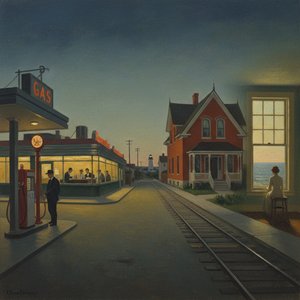
Ryder's House
 Acrylic On Canvas
- WallArt
- Contemporary Realism
 1933
1933 92.0 x 127.0 cm
 გადასართად დაწვრილებით ნახეთ
გიკლე / ხელოვნების პრინტი
მუზეუმის დონის ჟიკლე ან ტილოზე ბეჭდვა სწრაფი წარმოებისა და დასრულების მოქნილი ვარიანტებით. ( შეიძინეთ ხელით შესრულებული ნახატი გადასვლა ციფრულ გამოსახულებაზე)




P118B $10

P118H $10

P118W $10

P438Z $10

P508JH $12

P508YH $12

P805H $10

P805Z $10

P919BZ $10

P919G $10

P919XJ $10

P959ZH $10

P968JZ $12

W106C $8

W218G $10

W218JH $8

W218Y $10

W307PJ $10

W316G $10

W316PJ $8

W316Y $10

W398PJ $8

W4111J $10

W500HY $15

W500JH $15

W692G $12

W849H $8

W940BG $15

W953PJ $8




აირჩიეთ ჩვენს მიერ წინასწარ განსაზღვრული ზომებიდან, რომლებიც ნაწარმოების ორიგინალურ პროპორციებს შეესაბამება.

თქვენ შეგიძლიათ მიუთითოთ საკუთარი ზომები კონკრეტული ჩარჩოსთვის ან სივრცისთვის მოსარგებლებლად. თუ თქვენ მიერ არჩეული ზომა არ შეესაბამება ორიგინალი გამოსახულების პროპორციებს, ჩვენ ან დავჭრით ნამუშევარს, ან გავაფართოვებთ გამოსახულებას სარკული ან ერთფეროვანი კიდეებით. წარმოების დაწყებამდე თქვენს დასამტკიცებლად გამოგეგზავნებათ ციფრული მაკეტი.
გთხოვთ, გაითვალისწინოთ, რომ ეკრანზე ნაჩვენები წინასწარი ნახვა არ ასახავს რეალურ ჭრას ან გაფართოებას. მხოლოდ მაკეტზე იქნება ზუსტად წარმოდგენილი საბოლოო კომპოზიცია.
მიუხედავად იმისა, რომ ინდივიდუალური ზომები ხელმისაწვდომია, ორიგინალური პროპორციების შესანარჩუნებლად გირჩევთ, აირჩიოთ ზომა წინასწარ განსაზღვრული სიისგან.
მიწოდება მთელ მსოფლიოში () 2 კვირაში, სტანდარტული 4/5 კვირის ნაცვლად. (13 სექტემბერი)

უფასო ექსპრეს მიწოდება მთელ მსოფლიოში

საბამად მაღალი ხარისხის ტილო

სრული ტრანსპორტირების დაზღვევა

საბაჟო გადასახადების დაბრუნების გარანტია

ფერების სრული შესაბამისობის გარანტია

დაბრუნების 100-დღიანი პოლიტიკა (მხოლოდ დეფექტის შემთხვევაში)

100% თანხის დაბრუნების გარანტია

ფასდაკლება დიდი რაოდენობით შეკვეთისას
 მინის ჩარჩოს არჩევანი ხელმისაწვდომია მხოლოდ 110 სმ-ზე ნაკლები ზომისთვის

Ryder's House
გიკლე / ხელოვნების პრინტი
რეკლამაციის ზომა
-


საბოლოო ფასი
$ 80
A Portrait of Rural Isolation – Edward Hopper’s Ryder’s House
Edward Hopper’s “Ryder’s House,” completed in 1933, stands as a quintessential emblem of American Realism during the Depression era. More than just a depiction of a simple farmhouse nestled within a tranquil field, it's a masterful exploration of solitude and unspoken emotion—themes that would become hallmarks of Hopper’s oeuvre and continue to resonate with audiences today.
- Subject Matter: The painting centers around a modest white house adorned with a vibrant red door, positioned prominently in the middle of an expansive expanse of grass. Two chimneys punctuate the roofline on either side, anchoring the composition while simultaneously emphasizing the building’s isolation against the vastness of nature.
- Style: Hopper's signature style—characterized by stark lighting and geometric precision—is evident throughout “Ryder’s House.” The artist eschews dramatic narratives or exuberant color palettes, opting instead for a restrained aesthetic that prioritizes observation and psychological depth. This deliberate simplicity serves to heighten the painting’s emotional impact.
- Technique: Executed in oil on canvas, Hopper employs meticulous brushwork—often subtle and blended—to capture the textures of the house’s surfaces and the muted tones of the surrounding landscape. The artist skillfully utilizes chiaroscuro – the interplay between light and shadow – to sculpt form and convey a sense of stillness and melancholy.
Historical Context: Depression-Era America
Painted during the Great Depression, “Ryder’s House” reflects the pervasive anxieties and uncertainties of the time. Hopper's depiction of rural life—characterized by quiet desperation and unspoken longing—captures a mood that mirrored the experiences of many Americans grappling with economic hardship and social displacement. The painting speaks to a broader cultural preoccupation with themes of alienation and detachment.
Symbolism: Light, Shadow, and Absence
The dominant use of light in “Ryder’s House” is particularly significant. Hopper illuminates the interior space with a cool, diffused glow that casts long shadows across the walls—creating an atmosphere of profound stillness and hinting at hidden narratives. The absence of human figures contributes to the painting's sense of isolation, prompting viewers to contemplate the unspoken emotions conveyed by the scene.
Emotional Impact: A Meditation on Loneliness
"Ryder’s House" transcends mere visual representation; it invites contemplation and introspection. Hopper’s masterful composition—coupled with his subtle manipulation of light and shadow—elicits a feeling of melancholy and yearning, capturing the essence of human experience in its most vulnerable form. It remains a powerful reminder that beauty can reside in quietude and that art possesses the capacity to illuminate the complexities of the human condition.
მხატვრის ბიოგრაფია
დაკვირვებული მარტოობა: ედვარდ ჰოპერის ცხოვრება და ხელოვნება
ედვარდ ჰოპერი, სახელი, რომელიც განუყოფლად არის დაკავშირებული იმ სიმშვიდესთან და ნატიფ მელანქოლიასთან, რაც მე-20 საუკუნის ამერიკულ ცხოვრებას ახასიათებდა, არ იყო მხოლოდ სცენების მხატვარი; იგი იყო სინათლისა და ჩრდილის პოეტი, თანამედროვე იზოლაციის ქრონიკოსი. 1882 წელს ნიაკში, ნიუ-იორკში, ჰოლანდიური წარმოშობის საშუალო ფენის წარმომადგენელი მშობლების შვილა დაიბადა. ჰოპერის ადრეულ წლებში შექმნილი სტაბილური აღზრდამ განავითარა მისი მხატვრული მიდრეკილებები. ბავშვობის სკიჩებიდან, რომლებიც საგულდაგულოდ იყო დათარიღებული და ხელმოწერილი, აშკარა ხდებოდა, რომ მჭრელი დაკვირვება და ხატვის თანდაყოლილი ნიჭი მისი არსების საფუძველი იყო. მიუხედავად იმისა, რომ თავდაპირველად მშობლების პრაგმატული რჩევისამებრ კომერციული ილუსტრაციისკენ მიმართეს მისი ინტერესები, ჰოპერის ამბიციები უფრო მაღალი ხელოვნებისკენ მიილტოდა. ამან იგი ნიუ-იორკის სახელოვნებო სკოლაში მიიყვანა, სადაც უილიამ მერიტ ჩეისისა და რობერტ ჰენრის მეთვალყურეობის ქვეშ სწავლობდა. ამ ფორმირების წლებმა მას არა მხოლოდ ტექნიკური უნარი, არამედ რეალიზმისადმი სიყვარული და სამყადროს ისეთად აღწერილი მისწრაფება დაუმკვიდრა, როგორსაც თავად ხედავდა — უბрыწე და გულწრფელად. რალფ ვალდოემერსონის შემოქმედებამ ჰოპერზე ღრმა შთაბეჭდილება მოახდინა, რამაც გააძლიერა მისი ინდივიდუალიზმის შეგრძნება და მჭრელი დაკვირვების უნარი — თვისებები, რომლებიც მისი მხატვრული ხედვის ვიზიტირებად ნიშნად იქცა. პარიზში ადრეულმა მოგზაურობებმა მას იმპრესიონიზმს გააცნო, თუმცა ჰოპერმა სწრაფად განარიცხა მისი წარმავალი შტრიხები და შექმნა საკუთარი, უნიკალური გზა.საკუთარი ხმის ძიება: რეალიზმი და ამერიკული სცენა ჰოპერის შემოქმედებითი გზა არ იყო მყისიერი ან მარტივი. იგი იბრძოდა საკუთარი გამორჩეული ხმის აღმოსჩენად, სხვადასხვა სტილს ექსპერიმენტებდა მანამ, სანამ რეალიზმს არ მიჰყვებოდა, რაც მოგვიანებით მისი კარიერის განმსაზღვრელი გახდა. ეს არ იყო მხოლოდ რეალობის ასლის შექმნა; ეს იყო მისი არსის დესტილაცია, ზედმეტი დეტალების მოცილება ფარული ემოციური ჭეშმარიტებების გამოსავლენად. მისი ნახატები დაიწყო ყოველდღიური სცენების ფოკუსირებით — სახლები, რესტორნები, ოფისები, სასტუმროს ნომრები — რომლებიც გაჟღენთილი იყო სიმშვიდითა და ხშირად, მარტოობით. მას ჰქონდა საოცარი უნარი, ეჭ captures ობათი თავისი სუბიექტების ფსიქოლოგიური მდგომარეობა და მიანიშნებდა სიუჟეტებზე ისე, რომ მათ პირდაპირ არ ახდენდა აღწერას. სინათლისა და ჩრდილის ზუსტი გადმოცემა გადამწყვეტი გახდა, არა მხოლოდ აღწერილობითი ელემენტების, არამედ ემოციური მინიშნებების სახით, რაც ქმნიდა ატმოსფეროს, რომელიც ერთდროულად მომხიდავებელი და შემაშფოთებელი იყო. სახლი რელსგზის პირას (1925), მისი ადრეული შედევრებიდან, სწორედ ამ მიდგომას ასახავს — ერთი შეხედვით მარტივი კომპოზიცია, რომელიც გამოსავალს იძლეოდა იზოლაციისა და საიდუმლოების ღრმა შეგრცნებას. ჰოპერის გრავიურული ხელოვნება, რომელიც ხშირად ყურადღების მიღმა რჩება, პარალელურად მიჰყვებოდა მის ფერწერას, იზიარებდა მსგავს თემებსა და სტილისტურ თვისებებს, რაც დასმოწმებდა მის ოსტატობას სხვადასხვა მედიუმში. მას არ აინტერესებდა გრანდიოზული ისტორიული ნარატივები ან ალეგორიული სიმბოლიზმი; იგი ფოკუსირებული იყო ყოველდღიურობაზე, რაც სიფრთხილით დაკვირვებითა და ემოციური რეზონანსით ამაღლებული იყო.
იკონიკური ხედვები: „ღამის ადამიანები“ და სხვა
მიუხედავად იმისა, რომ ჰოპერის კარიერა თანდათანობით განვითარდა, გარკვეულმა ნამუშევრებმა იგი ფართო აღიარებისკენ მიიყვანა. ღამის ადამიანები (1942), სავარაუდოდ, მისი ყველაზე ცნობილი ნახატი, ამერიკული კულტურის მყისიერ იკონად იქცა. ღამის რესტორნის სცენა, რომელიც მკვეთრი ფლუორესცენტული შუქითაა განათებული, სრულყოფილად ასახავს თანამედროვე ურბანული ცხოვრების გაუცხოებასა და ანონიმურობას. მასში მოქცეული ფიგურები საკუთარ ფიქრებში არიან დაკარგულნი, ერთმანეთისგან მოწყვეტილნი მიუხედავად სიახლოვისა — რაც ადამიანური მდგომარეობის მწარე კომენტარია. ბენზსადგური (1940), გზისპირა ბენზსადგურის შთამბეჭდავი გამოსახულებით, წარმოაჩენს ჰოპერის ინტერესს ამერიკული ლანდშაფტებისა და მზარდი ავტომობილური კულტურის მიმართ. სხვა მნიშვნელოვანი ნამუშევრები, როგორიცაა *ავტომატი*, *ოფისი პატარა ქალაქში* და *ზაფხული*, თითოეული გვთავაზობს უნიკალურ ხედვას მე-20 საუკუნის ამერიკული საზოგადოების სირთულეებზე. ეს ნახატები არ იყო მხოლოდ ადგილების აღწერა; ისინი იყო განწყობის, ფსიქოლოგიისა და ჩვეულებრივ გარემოში მიმდინარე ნატიფი დრამების კვლევა. მის მეუღლეს, ჯოზეფინ ნივისონ ჰოპერს, გადამწყვეტი როლი შეჰქონდა არა მხოლოდ როგორც მის ცხოვრებისეულ კომპანიონს, არამედ როგორც ხშირ მოდელს, რამაც მნიშვნელოვანი წვლილი შეიტანა მისი ქალი ფიგურების ხასიათის შექმნაში.თემები და მემკვიდრეობა: მარადიული გავლენა
ჰოპერის შემოქმედებაში რამდენიმე განმეორებადი თემა იკვეთება. ურბანული იზოლაცია, შესაძლოა, ყველაზე თვალსაჩინოა — მარტოობის შეგრძნება, რომელსაც ინდივიდები ბრბოს შუაგულშიც კი განიცდიან. იგი იკვლევდა ამერიკულ ლანდშაფტს, როგორც სოფლის, ისე ქალაქის, ხშირად ხაზს უსვამდა მის სიმკაცრესა და სიცარიელეს. მისი ნამუშევრები შედის ფსიქოლოგიურ რეალიზმში, რაც სიღრმისეულად იკვლევს თავისი სუბიტიების შინაგან სამყაროს იმ სენსიტიურობით, რომელიც სცილდება მხოლოდ ვიზუალურ წარდგენას. აქ არის ნოსტალგიის ელემენტი მარტივი წარსულის მიმართ, რაც შეჯამებულია თანამედროვე ცხოვრების სირთულეებთან და შფოთვასთან. ჰოპერის გავლენა შემდგომ ხელოვანებზე უდავოა. მისმა უნიკალურმა სტილმა შთაგონება მისცა უამრავ მხატვარს, მათ შორის პიერ სენფორდ როსს, და კვლავაც ეხმიანება თანამედროვე ხელოვანებს, რომლებიც ცდილობენ ადამიანური გამოცდილების არსის დაჭერას. მისი ნახატები დღემდე დიდ მოთხოვნილებაშია შემკრებელთა შორის და ექსპოনিრდება მსოფლიოს წამყვან მუზეუმებში, რაც განამტკიცებს მის ადგილს ამერიკული ხელოვნების ისტორიაში, როგორც საკვანძო ფიგურისა. უფრო მეტი, ვიდრე უბრალოდ მხატვარი, ედვარდ ჰოპერი იყო ვიზუალური ფილოსოფოსი, რომელიც სინათლის, ჩრდილისა და კომპოზიციის ოსტატური გამოყენებით ადამიანური მდგომარეობის ღრმა ჭრილს გვიჩვენებს.- მისი მემკვიდრეობა არა მხოლოდ მისი ნახატების სილამაზეში, არამედ მათში არსებულ უნარში მდგომარეობს — აღძრონ აზრი, გამოიწვიონ ემოცია და შეგვახსენონ ის მშვიდი მარტოობა, რომელიც ხშირად განსაზღვრავს ჩვენს ცხოვრებას.
- ჰოპერის შემოქმედება კვლავაც აღფრთოვანებას იწვევს მაყურებელში, რადგან იგი საუბრობს მარტოობის, იზოლაციისა და სწრაფად ცვალებად სამყაროში აზრის ძიების უნივერსალურ თემებზე.
- მისი ნახატები ამერიკული კულტურის საკულტო სიმბოლოებად იქცნენ, რომლებიც ხშირად გამოიყენება მე-20 საუკუნისა და მის შემდგომი ეპოქების შფოთვისა და მისწრაფებების სიმბოლურად.
- ჰოპერის ესთეტიკამ ღრმა გავლენა მოახდინა კინემატოგრაფოსებზე (როგორიცაა ალფრედ ჰიჩკოკი) და მწერლებზე, რამაც შთაგონება მისცა უამრავ ნამუშევარს, რომლებიც ალიენაციისა და ფსიქოლოგიური დაძაბულობის მსგავს თემებს იკვლევენ.

ედვარ்ட் ჰოპᅥ
1931 - 1967 , საქართველო
მოკლე ინფორმაცია
- Artistic Movement Or Style: ᲑᲘᲐᲜᲓᲘᲐᲡᲔᲠᲘᲐԼᲘᲡᲢᲔᲠᲘ”
- Artists Who Influenced This Artist: ['ՈՒիԼﯾԱՄ ՄᲔᲠᲠԻԹ ЧᲐՀᲔՍᲔ”, “ᲠᅩᲑᲔᲠՏ ՀᲔᲜᲠᲔ”']
- Date Of Birth: 1882 წლის ივლისი 22
- Date Of Death: 1967 წლის მაისი 15
- Full Name: Edward Hopper
- Nationality: ᲐՄԷՐիկԱՆელი”
- Notable Artworks: ['ᲜᲐՅᲙᲐՀᲙᲠᏦՍ”, “ᲑᲐᲣᲐᲡᲔᲠᲘᲐ ՍᲐՂᲐᲐՐᲐ፫”, “ᲒᲐՍ”, “ᲐႮᲛᲐᲢᲔ丅']
- Place Of Birth: Ნიॲକ୍
დაკავშირებული სტატიები
ედვარდ ჰოპერის 25 გამორჩეული შედევრი: ხელოვნების ისტორია თქვენს სახლში
გაიცანით ედვარდ ჰოპერის 25 გამორჩეული შედევრი! ამერიკული რეალიზმის უნიკალური სტილი, მელანქოლიური ფერები და სახლების დეკორისთვის იდეალური ნახატები. შეიძინეთ ხელოვნების რესპროდუქციები OriginalUniqueArt.com-ზე.

Grant Wood & American Regionalism: Identity, Myth & the Rural Landscape
Explore the world of Grant Wood & American Regionalism with OriginalUniqueArt. Discover the symbolism behind 'American Gothic', recurring themes, and the movement's lasting impact on art history. High-quality reproductions available.

უახლესი რეალიზმის ტriumფი: 10 შედევრი სახლის დეკორისთვის
აღმოფრთოვანდით თანამედროვე რეალიზმის 10 შედევრით! ცნობილი მხატვრების ტილოები, რომლებიც განსაზღვრეს ეს მოძრაობა. იხილეთ მათი ისტორია და მნიშვნელობა. შეიძინეთ მაღალი ხარისბის ხელოვნების რესტავრაციები OriginalUniqueArt.com-ზე!

American Realism's Defining Works: 10 Masterpieces for Your Home
Explore 10 defining American Realism masterpieces – Hopper, Homer & more. Discover the stories behind these iconic paintings and bring timeless art to your home with OriginalUniqueArt's museum-quality reproductions. Explore the full collection online.

ჯონ კონსტებლის 25 საუკეთესო შედევრი | ხელოვნების რეკრეაციები OriginalUniqueArt-ზე
გაიცანით ჯონ კონსტებლის 25 საუკეთესო შედევრი! ინგლისური პეიზაჟების ისტორია, XIX საუკუნის ხელოვნება და OriginalUniqueArt-ზე ხელოვნების უნიკალური კოლექცია. შეიძინეთ ხარისხიანი რეკრეაციები სახლის დეკორაციისთვის. აღმოაჩინეთ სრულყოფილი შეფერილი ტილოები OriginalUniqueArt.com-ზე!


