
 წინასწარი ნახვა
 გაგზავნა
 გაზიარება
 დეტალები
 გზამკვლევი

 ჩამოტვირთვა
 მსგავსები
 რენტგენოგრაფიული კვლევა
 სლაიდშოუ
 კითხვა-პასუხი
 სტატისტიკა
Notre Dame de Paris


 გააგრძელეთ კითხვა
ამ გვერდზე წარმოდგენილი ნამუშევარი დაცულია საავტორო უფლების შესახებ კანონმდებლობით, რაც იმას ნიშნავს, რომ ჩვენ არ გვაქვს მისი იდენტური რეპროდუქციის შექმნის ან გაყიდვის სამართლებრივი უფლება. აღნიშნული დაცვა უზრუნველყოფილია ისეთი საერთაშორისო შეთანხმებებით, როგორიცაა ბერნის კონვენცია და ეროვნული კანონმდებლობით, მათ შორის იმ კანონებით, რომლებიც დეტალურად არის გაწერილი აშშ-ის საავტორო უფლების შესახებ კანონი - თავი 17.
ეს მეთოდი სრულად შეესაბამება საავტორო უფლებების რეგულაციებს, რადგან ის არ გულისხმობს დაცული ნამუშევრის კოპირებას ან დუბლირებას. ამგვარად, ეს წარმოადგენს შემოქმედებით რეინტერპრეტაციას — ახალ ნახატს, რომელიც შთაგონებითაა განპირობებული ორიგინალით, თუმცა არ არის მის იდენტურ ასლს.
გიკლე / ხელოვნების პრინტი
მუზეუმის დონის ჟიკლე ან ტილოზე ბეჭდვა სწრაფი წარმოებისა და დასრულების მოქნილი ვარიანტებით. ( შეიძინეთ ხელით შესრულებული ნახატი გადართვა ციფრულ გამოსახულებაზე)




P118B ₾10

P118H ₾10

P118W ₾10

P438Z ₾10

P508JH ₾12

P508YH ₾12

P805H ₾10

P805Z ₾10

P919BZ ₾10

P919G ₾10

P919XJ ₾10

P959ZH ₾10

P968JZ ₾12

W106C ₾8

W218G ₾10

W218JH ₾8

W218Y ₾10

W307PJ ₾10

W316G ₾10

W316PJ ₾8

W316Y ₾10

W398PJ ₾8

W4111J ₾10

W500HY ₾15

W500JH ₾15

W692G ₾12

W849H ₾8

W940BG ₾15

W953PJ ₾8




აირჩიეთ ჩვენს მიერ წინასწარ განსაზღვრული ზომებიდან, რომლებიც ნაწარმოების ორიგინალურ პროპორციებს შეესაბამება.

შეიყვანეთ თქვენთვის საჭირო სიგანე და სიმაღლე, რათა გამოსახულებამ თქვენს ჩარჩოს ან კედელს ზუსტად მოერგოს. ბეჭდვისას შესაძლებელია მხოლოდ მისი შემცირება და არა გაზრდა, ამიტომ სხვა ფორმის ზომის შემთხვევაში სურათი ნაწილობრივ იკარგება. სანამ რაიმეს დაბეჭდავთ, ჩვენ გამოგიგზავნით ციფრულ მაკეტს დასდასტურებლად. ამ გვერდზე ნაჩვენები სურათი არ ასახავს რეალურ ჭრას — ამას მხოლოდ მაკეტი გვიჩვენებს.
მიწოდება მთელ მსოფლიოში () 2 კვირაში, სტანდარტული 4/5 კვირის ნაცვლად. (9 ნოემბერი)

უფასო ექსპრეს მიწოდება მთელ მსოფლიოში

მაღალი ხარისხის ტილოს ქსოვილი

ტრანსპორტირების სრული დაზღვევა

საბაჟო გადასახადების დაბრუნების გარანტია

ფერების სრული შესაბამისობის გარანტია

დაბრუნების 100-დღიანი პოლიტიკა (მხოლოდ დეფექტის შემთხვევაში)

100% თანხის სრული დაბრუნების გარანტია

ფასდაკლება დიდი რაოდენობით შეკვეთისას
 მინის ჩარჩოს არჩევანი შესაძლებელია მხოლოდ 110 სმ-მდე ზომისთვის

Notre Dame de Paris
გიკლე / ხელოვნების პრინტი
რეპროდუქციის ზომა
-


საბოლოო ღირებულება
₾ 210
Captivating Subject and Architectural Grandeur
This evocative artwork masterfully captures the majestic presence of a Gothic cathedral, likely inspired by the iconic Notre Dame de Paris. The composition centers on the towering structure, emphasizing its verticality and intricate architectural details that symbolize spiritual aspiration and historical resilience. Surrounding greenery frames the scene naturally, creating a harmonious balance between nature and human achievement. The depiction invites viewers to contemplate the grandeur and enduring legacy of Gothic architecture, evoking feelings of awe and reverence.Impressionistic Style and Expressive Technique
Rendered in an impressionistic style, this painting employs loose, gestural brushstrokes that convey movement and immediacy. The artist's approach emphasizes mood and atmosphere over precise detail, allowing viewers to experience the scene through a lens of emotion and memory. The subdued, earthy color palette—featuring soft pinks, oranges, purples, and golds—enhances the contemplative tone, creating a sense of nostalgia and timelessness. The diffused lighting suggests an overcast sky or gentle natural light, further deepening the scene’s introspective quality.Historical Context and Artistic Significance
While the exact date of creation remains unknown, the work’s style aligns with the late 19th to early 20th-century impressionist movement, which sought to capture fleeting moments and the emotional essence of a scene. The focus on atmospheric effects and simplified forms reflects a shift from detailed realism to expressive interpretation, resonating with the broader artistic currents of the period. This piece celebrates the enduring cultural and architectural significance of Gothic cathedrals, symbolizing faith, history, and human ingenuity.Symbolism and Emotional Resonance
The contrasting dark spire against lighter walls draws the eye upward, symbolizing spiritual aspiration and the pursuit of higher ideals. The textured foliage and dynamic rooflines evoke a sense of vitality and life surrounding the sacred space. The overall mood—calm yet contemplative—invites viewers to reflect on themes of memory, spirituality, and the passage of time. This artwork’s emotional depth makes it a powerful statement piece, capable of inspiring introspection and admiration.Perfect for Collection and Interior Inspiration
Ideal for art lovers, collectors, and interior designers, this high-quality reproduction offers a timeless addition to any space. Its rich atmosphere and artistic finesse make it suitable for enhancing both modern and traditional interiors, creating a focal point that sparks conversation and admiration. Whether displayed in a living room, office, or gallery, this piece promises to evoke emotion and elevate the aesthetic appeal of any environment.კითხვები და პასუხები
მისი პალიტრის გათვალისწინებით, რომელი ოთახისთვისაა რეკომენდებული "Notre Dame de Paris"-ის განთავსება?
Neutrals პალიტრის წყალობით, ედვარ்ட் ჰოპᅥ-ის „Notre Dame de Paris“ რეკომენდებულია Living Room-ისთვის; სწორედ ფერები განაპირობებს ამ რეკომენდაციას.
რამდენად მკვეთრია „Notre Dame de Paris“-ის ფერები?
ნამუშევრის "Notre Dame de Paris" ფერების სირთულე შეადგენს Subtle Color-ს, ხოლო ინტენსივობა — Balanced-ს.
რა მასალისგან არის შექმნილი "Notre Dame de Paris" და რა სტილშია შესრულებული?
"Notre Dame de Paris" შესრულებულია Oil On Canvas-ით, Impressionism სტილში.
მხატვრის ბიოგრაფია
დაკვირვებული მარტოობა: ედვარდ ჰოპერის ცხოვრება და ხელოვნება
ედვარდ ჰოპერი, სახელი, რომელიც განუყოფლად არის დაკავშირებული იმ სიმშვიდესთან და ნატიფ მელანქოლიასთან, რაც მე-20 საუკუნის ამერიკულ ცხოვრებას ახასიათებდა, არ იყო მხოლოდ სცენების მხატვარი; იგი იყო სინათლისა და ჩრდილის პოეტი, თანამედროვე იზოლაციის ქრონიკოსი. 1882 წელს ნიაკში, ნიუ-იორკში, ჰოლანდიური წარმოშობის საშუალო ფენის წარმომადგენელი მშობლების შვილა დაიბადა. ჰოპერის ადრეულ წლებში შექმნილი სტაბილური აღზრდამ განავითარა მისი მხატვრული მიდრეკილებები. ბავშვობის სკიჩებიდან, რომლებიც საგულდაგულოდ იყო დათარიღებული და ხელმოწერილი, აშკარა ხდებოდა, რომ მჭრელი დაკვირვება და ხატვის თანდაყოლილი ნიჭი მისი არსების საფუძველი იყო. მიუხედავად იმისა, რომ თავდაპირველად მშობლების პრაგმატული რჩევისამებრ კომერციული ილუსტრაციისკენ მიმართეს მისი ინტერესები, ჰოპერის ამბიციები უფრო მაღალი ხელოვნებისკენ მიილტოდა. ამან იგი ნიუ-იორკის სახელოვნებო სკოლაში მიიყვანა, სადაც უილიამ მერიტ ჩეისისა და რობერტ ჰენრის მეთვალყურეობის ქვეშ სწავლობდა. ამ ფორმირების წლებმა მას არა მხოლოდ ტექნიკური უნარი, არამედ რეალიზმისადმი სიყვარული და სამყადროს ისეთად აღწერილი მისწრაფება დაუმკვიდრა, როგორსაც თავად ხედავდა — უბрыწე და გულწრფელად. რალფ ვალდოემერსონის შემოქმედებამ ჰოპერზე ღრმა შთაბეჭდილება მოახდინა, რამაც გააძლიერა მისი ინდივიდუალიზმის შეგრძნება და მჭრელი დაკვირვების უნარი — თვისებები, რომლებიც მისი მხატვრული ხედვის ვიზიტირებად ნიშნად იქცა. პარიზში ადრეულმა მოგზაურობებმა მას იმპრესიონიზმს გააცნო, თუმცა ჰოპერმა სწრაფად განარიცხა მისი წარმავალი შტრიხები და შექმნა საკუთარი, უნიკალური გზა.საკუთარი ხმის ძიება: რეალიზმი და ამერიკული სცენა ჰოპერის შემოქმედებითი გზა არ იყო მყისიერი ან მარტივი. იგი იბრძოდა საკუთარი გამორჩეული ხმის აღმოსჩენად, სხვადასხვა სტილს ექსპერიმენტებდა მანამ, სანამ რეალიზმს არ მიჰყვებოდა, რაც მოგვიანებით მისი კარიერის განმსაზღვრელი გახდა. ეს არ იყო მხოლოდ რეალობის ასლის შექმნა; ეს იყო მისი არსის დესტილაცია, ზედმეტი დეტალების მოცილება ფარული ემოციური ჭეშმარიტებების გამოსავლენად. მისი ნახატები დაიწყო ყოველდღიური სცენების ფოკუსირებით — სახლები, რესტორნები, ოფისები, სასტუმროს ნომრები — რომლებიც გაჟღენთილი იყო სიმშვიდითა და ხშირად, მარტოობით. მას ჰქონდა საოცარი უნარი, ეჭ captures ობათი თავისი სუბიექტების ფსიქოლოგიური მდგომარეობა და მიანიშნებდა სიუჟეტებზე ისე, რომ მათ პირდაპირ არ ახდენდა აღწერას. სინათლისა და ჩრდილის ზუსტი გადმოცემა გადამწყვეტი გახდა, არა მხოლოდ აღწერილობითი ელემენტების, არამედ ემოციური მინიშნებების სახით, რაც ქმნიდა ატმოსფეროს, რომელიც ერთდროულად მომხიდავებელი და შემაშფოთებელი იყო. სახლი რელსგზის პირას (1925), მისი ადრეული შედევრებიდან, სწორედ ამ მიდგომას ასახავს — ერთი შეხედვით მარტივი კომპოზიცია, რომელიც გამოსავალს იძლეოდა იზოლაციისა და საიდუმლოების ღრმა შეგრცნებას. ჰოპერის გრავიურული ხელოვნება, რომელიც ხშირად ყურადღების მიღმა რჩება, პარალელურად მიჰყვებოდა მის ფერწერას, იზიარებდა მსგავს თემებსა და სტილისტურ თვისებებს, რაც დასმოწმებდა მის ოსტატობას სხვადასხვა მედიუმში. მას არ აინტერესებდა გრანდიოზული ისტორიული ნარატივები ან ალეგორიული სიმბოლიზმი; იგი ფოკუსირებული იყო ყოველდღიურობაზე, რაც სიფრთხილით დაკვირვებითა და ემოციური რეზონანსით ამაღლებული იყო.
იკონიკური ხედვები: „ღამის ადამიანები“ და სხვა
მიუხედავად იმისა, რომ ჰოპერის კარიერა თანდათანობით განვითარდა, გარკვეულმა ნამუშევრებმა იგი ფართო აღიარებისკენ მიიყვანა. ღამის ადამიანები (1942), სავარაუდოდ, მისი ყველაზე ცნობილი ნახატი, ამერიკული კულტურის მყისიერ იკონად იქცა. ღამის რესტორნის სცენა, რომელიც მკვეთრი ფლუორესცენტული შუქითაა განათებული, სრულყოფილად ასახავს თანამედროვე ურბანული ცხოვრების გაუცხოებასა და ანონიმურობას. მასში მოქცეული ფიგურები საკუთარ ფიქრებში არიან დაკარგულნი, ერთმანეთისგან მოწყვეტილნი მიუხედავად სიახლოვისა — რაც ადამიანური მდგომარეობის მწარე კომენტარია. ბენზსადგური (1940), გზისპირა ბენზსადგურის შთამბეჭდავი გამოსახულებით, წარმოაჩენს ჰოპერის ინტერესს ამერიკული ლანდშაფტებისა და მზარდი ავტომობილური კულტურის მიმართ. სხვა მნიშვნელოვანი ნამუშევრები, როგორიცაა *ავტომატი*, *ოფისი პატარა ქალაქში* და *ზაფხული*, თითოეული გვთავაზობს უნიკალურ ხედვას მე-20 საუკუნის ამერიკული საზოგადოების სირთულეებზე. ეს ნახატები არ იყო მხოლოდ ადგილების აღწერა; ისინი იყო განწყობის, ფსიქოლოგიისა და ჩვეულებრივ გარემოში მიმდინარე ნატიფი დრამების კვლევა. მის მეუღლეს, ჯოზეფინ ნივისონ ჰოპერს, გადამწყვეტი როლი შეჰქონდა არა მხოლოდ როგორც მის ცხოვრებისეულ კომპანიონს, არამედ როგორც ხშირ მოდელს, რამაც მნიშვნელოვანი წვლილი შეიტანა მისი ქალი ფიგურების ხასიათის შექმნაში.თემები და მემკვიდრეობა: მარადიული გავლენა
ჰოპერის შემოქმედებაში რამდენიმე განმეორებადი თემა იკვეთება. ურბანული იზოლაცია, შესაძლოა, ყველაზე თვალსაჩინოა — მარტოობის შეგრძნება, რომელსაც ინდივიდები ბრბოს შუაგულშიც კი განიცდიან. იგი იკვლევდა ამერიკულ ლანდშაფტს, როგორც სოფლის, ისე ქალაქის, ხშირად ხაზს უსვამდა მის სიმკაცრესა და სიცარიელეს. მისი ნამუშევრები შედის ფსიქოლოგიურ რეალიზმში, რაც სიღრმისეულად იკვლევს თავისი სუბიტიების შინაგან სამყაროს იმ სენსიტიურობით, რომელიც სცილდება მხოლოდ ვიზუალურ წარდგენას. აქ არის ნოსტალგიის ელემენტი მარტივი წარსულის მიმართ, რაც შეჯამებულია თანამედროვე ცხოვრების სირთულეებთან და შფოთვასთან. ჰოპერის გავლენა შემდგომ ხელოვანებზე უდავოა. მისმა უნიკალურმა სტილმა შთაგონება მისცა უამრავ მხატვარს, მათ შორის პიერ სენფორდ როსს, და კვლავაც ეხმიანება თანამედროვე ხელოვანებს, რომლებიც ცდილობენ ადამიანური გამოცდილების არსის დაჭერას. მისი ნახატები დღემდე დიდ მოთხოვნილებაშია შემკრებელთა შორის და ექსპოনিრდება მსოფლიოს წამყვან მუზეუმებში, რაც განამტკიცებს მის ადგილს ამერიკული ხელოვნების ისტორიაში, როგორც საკვანძო ფიგურისა. უფრო მეტი, ვიდრე უბრალოდ მხატვარი, ედვარდ ჰოპერი იყო ვიზუალური ფილოსოფოსი, რომელიც სინათლის, ჩრდილისა და კომპოზიციის ოსტატური გამოყენებით ადამიანური მდგომარეობის ღრმა ჭრილს გვიჩვენებს.- მისი მემკვიდრეობა არა მხოლოდ მისი ნახატების სილამაზეში, არამედ მათში არსებულ უნარში მდგომარეობს — აღძრონ აზრი, გამოიწვიონ ემოცია და შეგვახსენონ ის მშვიდი მარტოობა, რომელიც ხშირად განსაზღვრავს ჩვენს ცხოვრებას.
- ჰოპერის შემოქმედება კვლავაც აღფრთოვანებას იწვევს მაყურებელში, რადგან იგი საუბრობს მარტოობის, იზოლაციისა და სწრაფად ცვალებად სამყაროში აზრის ძიების უნივერსალურ თემებზე.
- მისი ნახატები ამერიკული კულტურის საკულტო სიმბოლოებად იქცნენ, რომლებიც ხშირად გამოიყენება მე-20 საუკუნისა და მის შემდგომი ეპოქების შფოთვისა და მისწრაფებების სიმბოლურად.
- ჰოპერის ესთეტიკამ ღრმა გავლენა მოახდინა კინემატოგრაფოსებზე (როგორიცაა ალფრედ ჰიჩკოკი) და მწერლებზე, რამაც შთაგონება მისცა უამრავ ნამუშევარს, რომლებიც ალიენაციისა და ფსიქოლოგიური დაძაბულობის მსგავს თემებს იკვლევენ.
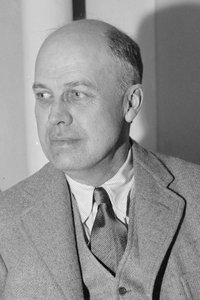
ედვარ்ட் ჰოპᅥ
1931 - 1967 , საქართველო
მოკლე ინფორმაცია
- Artistic Movement Or Style: ᲑᲘᲐᲜᲓᲘᲐᲡᲔᲠᲘᲐԼᲘᲡᲢᲔᲠᲘ”
- Artists Who Influenced This Artist: ['ՈՒիԼﯾԱՄ ՄᲔᲠᲠԻԹ ЧᲐՀᲔՍᲔ”, “ᲠᅩᲑᲔᲠՏ ՀᲔᲜᲠᲔ”']
- Date Of Birth: 1882 წლის ივლისი 22
- Date Of Death: 1967 წლის მაისი 15
- Full Name: Edward Hopper
- Nationality: ᲐՄԷՐիկԱՆელი”
- Notable Artworks: ['ᲜᲐՅᲙᲐՀᲙᲠᏦՍ”, “ᲑᲐᲣᲐᲡᲔᲠᲘᲐ ՍᲐՂᲐᲐՐᲐ፫”, “ᲒᲐՍ”, “ᲐႮᲛᲐᲢᲔ丅']
- Place Of Birth: Ნიॲକ୍
დაკავშირებული სტატიები

About Us
Discover our story! We bring world-class art into your life through expert curation, personalized creations, and free previews. Trusted by individuals and businesses since 2000.

ფრანცისკო გოიას 25 შედევრი: ხელოვნების ისტორიაში გამორჩეული ნაწარმოებები | OriginalUniqueArt.com
გაიცანით ფრანცისკო გოიას 25 გამორჩეული შედევრი! რომანტიზმის ბრწყინვალე წარმომადგენლის ტილოები, ისტორიული სიღრმე და განსაცვიფრებელი სილამაზე. შეიძინეთ ხელოვნების რეკონსტრუქციები OriginalUniqueArt.com-ზე და შექმენით თქვენი ოცნების ინტერიერი.

პიერ-ოგუსტ რენუარის 25 შედევრი: ხელოვნების ისტორია თქვენს სახლში | OriginalUniqueArt
გაიცანით პიერ რენუარის 25 საუკეთესო შედევრი! იმპრესიონიზმის სინათლე, ფერი და სილამარე. Le Moulin de la Galette-დან Luncheon of the Boating Party-მდე – ხელოვნების ისტორია OriginalUniqueArt-ზე. ნახატების რეპროდუქციები თქვენი სახლისთვის. Explore the full collection online!

Impressionistic Realism's Finest: 10 Masterpieces for Your Home | OriginalUniqueArt
Journey through Impressionistic Realism with 10 iconic masterpieces by Monet, Renoir & Van Gogh. Explore art history, techniques & find museum-quality reproductions for your home at OriginalUniqueArt.com. Discover all masterpieces online!
Capturing the Soul: The Most Emotionally Moving Impressionist and Post-Impressionist Masterpieces
Discover the profound emotional depth of Impressionist and Post-Impressionist masterpieces. Explore how legends like Monet, Van Gogh, and Gauguin captured light and soul through evocative landscapes and vibrant brushwork for a timeless connection to art history.


