

 წინასწარი ნახვა
 გაგზავნა
 გაზიარება
 დეტალები

 ჩამოტვირთვა
 მსგავსები
 რენტგენოგრაფიული კვლევა
 სლაიდშოუ
 სტატისტიკა
Lady in Black (Olga Buhre)
 Acrylic On Canvas
- WallArt
- Symbolist Expressionism
 1891
1891 73.0 x 59.0 cm
 გადასართად დაწვრილებით ნახეთ
ხელით ნაკვეთი ზეთის ტილოს რეპროდუქცია
ტილოზე შესრულებული ფერწერიანი ზეთប្រდათი, თქვენთვის სასურველი ზომისა და ჩარჩოსთვის, ჩვენი ხელოვანების მიერ შეკვეთის საფუძველზე დამზადებული. ( გადართვა ბეჭდზე გადასვლა ციფრულ გამოსახულებაზე)




P118B $10

P118H $10

P118W $10

P438Z $10

P508JH $12

P508YH $12

P805H $10

P805Z $10

P919BZ $10

P919G $10

P919XJ $10

P959ZH $10

P968JZ $12

W106C $8

W218G $10

W218JH $8

W218Y $10

W307PJ $10

W316G $10

W316PJ $8

W316Y $10

W398PJ $8

W4111J $10

W500HY $15

W500JH $15

W692G $12

W849H $8

W940BG $15

W953PJ $8




აირჩიეთ ჩვენს მიერ წინასწარ განსაზღვრული ზომებიდან, რომლებიც ნაწარმოების ორიგინალურ პროპორციებს შეესაბამება.

თქვენ შეგიძლიათ მიუთითოთ თქვენთვის სასურველი ზომები კონკრეტული ჩარჩოს ან სივრცის შესაბამისად. თუ თქვენ მიერ არჩეული ზომა არ შეესაბამება ორიგინალი გამოსახულების პროპორციებს, ჩვენ ან შევაჭრებთ ნაწარმოებს, ან ტილოზე დავამატებთ ხელით მოხატულ ელემენტებს. წარმოების დაწყებამდე, დამტკიცებისთვის გამოგეგზავნებათ ციფრული მაკეტი.
გთხოვთ, გაითვალისწინოთ, რომ ეკრანზე ნაჩვენები წინასწარი შეხედულება არ ასახავს რეალურ შეჭრას ან გაფართოებას. საბოლოო კომპოზიციას ზუსტად მხოლოდ მაკეტი წარმოაჩენს.
მიუხედავად იმისა, რომ შესაძლებელია ინდივიდუალური ზომების შერჩევა, ორიგინალური პროპორციების შენარჩუნებისათვის გირჩევთ, გამოიყენოთ წინასწარ განსაზღვრული სიის ზომები.
შეკვეთის შემდეგ, OriginalUniqueArt.com გუნდი დაგიკავშირდებათ ელექტრონული ფოსტით ინსტრუქციებისთვის და გამოგიგზავნით წინასწარ ნახაზს (mockup).
მიწოდება მსოფლიო მასშტაბით -ში 3/4 კვირაში, სტანდარტული 5 კვირის ნაცვლად. (11 სექტემბერი). ხარისხზე კომპრომისის გაკეთება არ მოხდება.

უფასო ექსპრეს მიწოდება მთელ მსოფლიოში

საბამად მაღალი ხარისხის ტილო

სრული ტრანსპორტირების დაზღვევა

საბაჟო გადასახადების დაბრუნების გარანტია

ფერების სრული შესაბამისობის გარანტია

დაბრუნების 100-დღიანი პოლიტიკა (მხოლოდ დეფექტის შემთხვევაში)

100% თანხის დაბრუნების გარანტია

ფასდაკლება დიდი რაოდენობით შეკვეთისას
 მინის ჩარჩოს არჩევანი ხელმისაწვდომია მხოლოდ 110 სმ-ზე ნაკლები ზომისთვის

Lady in Black (Olga Buhre)
რეკლამაციის ტექნიკა
რეკლამაციის ზომა
-


საბოლოო ფასი
$ 300
Lady in Black: A Portrait of Existential Disquiet
- Edvard Munch’s “Lady in Black,” painted in 1891, is more than just a portrait; it's a distilled essence of the anxieties that defined the fin de siècle. Executed during a period of profound social and intellectual upheaval, this work embodies the burgeoning Symbolist movement’s fascination with psychological states and subjective experience. Measuring 73 x 59 cm, the intimate scale of the painting draws the viewer into a remarkably personal space, mirroring the internal turmoil suggested by the subject's gaze.
- The sitter, identified as Olga Buhre, presents a striking image of controlled defiance. Dressed entirely in black – a color historically associated with mourning, power, and mystery – she adopts a posture of assertive independence, her hands firmly planted on her hips. This deliberate positioning immediately establishes a sense of contained energy, hinting at an underlying tension or perhaps even disdain. The artist’s masterful use of dark tones amplifies this effect, creating a dramatic chiaroscuro that emphasizes the contours of her face and clothing.
Technique and Style: Echoes of Expressionism
- Munch's technique in “Lady in Black” anticipates the tenets of Expressionism, a movement he would significantly influence. He employs loose brushstrokes and a flattened perspective to convey emotion rather than strict realism. The paint is applied with a deliberate roughness, adding to the painting’s raw intensity. Note the almost sculptural quality of the figure, achieved through careful manipulation of light and shadow.
- The background, featuring a simple chair seemingly integrated into a dining table setting, serves not as a mere decorative element but as a subtle stage for the drama unfolding within the portrait. This deliberate ambiguity contributes to the painting’s overall sense of mystery and invites speculation about the sitter's thoughts and feelings.
Symbolism and Context: A Reflection of Munch’s World
- Painted in 1891, “Lady in Black” reflects the anxieties prevalent during a time of rapid industrialization, social change, and burgeoning psychological theories. The color black itself carries significant symbolic weight – representing mourning, death, but also power and sophistication. It’s a deliberate choice that elevates the portrait beyond a simple likeness.
- Munch's personal life profoundly shaped his artistic vision. His early experiences with loss—the deaths of his mother and sister from tuberculosis—fueled a lifelong preoccupation with themes of mortality, illness, and psychological distress. This biographical context is crucial to understanding the painting’s emotional depth; it’s not merely an observation of a woman but a projection of Munch's own anxieties onto her form.
Emotional Impact and Collectible Value
- "Lady in Black" possesses a haunting beauty that continues to resonate with viewers today. The painting’s ability to evoke feelings of unease, contemplation, and perhaps even melancholy is a testament to Munch's artistic genius. It represents a pivotal moment in the development of modern art, bridging the gap between Symbolism and Expressionism.
- As a work by one of the most influential artists of the late 19th and early 20th centuries, “Lady in Black” holds significant historical and artistic value. A hand-painted reproduction offers an exceptional opportunity to experience this iconic image firsthand, bringing Munch’s profound vision into your home or studio.
მხატვრის ბიოგრაფია
შADOWNİՑ გარს შემოფარული ജീവിതით: ედვარდ მუნკის სამყარო
ედვარდ მუნკი, 1863 წელს ნორვეგიის მკაცრ ლანდშაფტებში დაბადებული მხატვარი, რომლის ნაწარმოებებიც თანสมัยობის ეპოქის შიშებისა და გრძნობრივი ტრაგიზმთან ასოცირდება. მისი ജീവിതს, რომელიც სიკვდილისა და მუდმივად არსებულ მელანქოლიასთან იყო განუყოფლად დაკავშირებული, უაღრესად გამოხატვითი ხელოვნების სათავეს წარმოადგენდა. ბავშვობიდანვე, დედისა და დას გარდაცვალების ტკივილით ნაჭრილი, მუნკმა სიკვდილის, ავადმყოფებისა და ადამიანური არსებობის ხაფითვის თემატიკას უაღრესი ძალით შეინახა. ეს გამოცდილებები 단순ი ბიოგრაფიული დეტალები არ იყო; ისინი მისი მხატვრული აღქმის საფუძველს წარმოადგენდნენ, შეუწყობდაუდებლად აძლიერებდნენ შიშების, მწუხარებისა და სურვილების შინაგანი სამყაროს შესწავლას. მამის მკაცრი რელიგიური შეხედულებები და მისივე 정신ის ავადმყოფობა კიდევ უფრო ღრმავებდა მუნკის სამყაროში არსებულ შიშს, რომელიც არა მხოლოდ მის προσωπულ ცხოვრებას, არამედ მისი ნახატების სიმბოლურ ენასაც ფორმირებდა. ის უბრალოდ სცენებს არ აღწერდა; ის შინაგანი მდგომარეობის გარეგნულ화를 ახდენდა, ფსიქოლოგიური ტკივილს ვიზუალურ სახედ თარგმნიდა.
გამოხატვის జన్ეზი: გავლენები და მხატვრული განვითარება
მუნკის მხატვრული მოგზაურობა დაიწყო კრისტიანის სამეფო ხელოვნების სკოლაში სწავლით, მაგრამ ჰანს იეგერის ბოჰემური წრეებთან და ნი힐ისტურ ფილოსოფიასთან შეხება მის 창의력을 ნამდვილად გაზარდა. იეგერმა მუნკის უწოდებია ტრადიციული აკადემიური სტილის εγκαταუყრება და საკუთარი სუბიექტური გამოცდილების სიღრმეებში ჩაღმავლება, კონცეფცია, რომელსაც მან "სულის მხატვრობა" უწოდა. ეს გადამწყვეტი მომენტი მუნკის გამორჩეული სტილის დასაწყისად marcó – ხასიათი сырой გრძნობებით, დისტორცირებული ფორმებით და ბუნებრივი წარმოების უარყოფითი მიდგომით. პარიზში მისი მოგზაურობები 1890-იან წლებში მასთან познакомил буржуазіული Пост-импрессионистური მოძრაობის გაღრმავებასთან, სადაც ის პოლ გოგენის, ვინცენტ ვან გოგისა და ანრი დე ტულუზ-ლოთრეკისგან 영향을 받았습니다. ფერის смелый გამოყენება, გამოხატვითი ხაზები და ემოციური ინტენსივობა მუნკის საკუთარი მხატვრული მიდგომების შესაბამისობაში იყო, რაც მას უნიკალური ვიზუალური ენა შექმნის საშუალებას აძლევდა, რომელიც უღრმეს ადამიანურ ემოციებს გადმოსცემდა. ბერლინში მისი დრო ასევე გადამწყვეტი აღმოჩნდა, რამაც მას პიესტა ავგუსტ სტრინდბერგთან познакомил, რომლის ფსიქოლოგიური თემების შესწავლამ კიდევ უფრო გაზარდა მუნკის მხატვრული კვლევები.
მნიშვნელოვანი ხედვები: ძირითადი ნაშრომები და მათი სიმბოლური მნიშვნელობა
მუნკის ოქროს საგანძირობა populated by images that have become deeply ingrained in the collective consciousness. The Scream, perhaps his most iconic work, transcends its status as a painting to become a universal symbol of existential angst. The swirling, fiery landscape and the figure’s contorted face embody a primal scream against the indifference of the universe. Madonna, a controversial and deeply personal piece, explores themes of sexuality, motherhood, and mortality with unsettling frankness. Recurring motifs like The Sick Child – inspired by the loss of his sister Sophie – serve as poignant reminders of Munch’s childhood trauma and the ever-present specter of death. Melancholy I & II, powerful depictions of profound sadness and isolation, reveal a vulnerability that is both deeply personal and universally relatable. These works aren't simply representations of external reality; they are windows into the artist’s soul, offering viewers an unflinching glimpse into the darkest corners of the human psyche. Munch didn’t aim to create beautiful images; he sought to convey truth – even if that truth was painful and unsettling.
მემკვიდრეობა: ისტორიული მნიშვნელობა და მდგრადი გავლენა
ედვარდ მუნკის წვლილი თანამედროვე ხელოვნებაში შეუდარებელია. ის გამოხატვითობის განვითარებაში გადამწყვეტი ფიგურაა, რომელიც გზას უთოფრობს იმ მხატვრებს, რომლებიც სუბიექტური ემოციების მნიშვნელობას წარმოადგენდნენ ობიექტური წარმოსადგენლად. მისი შიშველი შესწავლა უნივერსალური ადამიანური გამოცდილებებისა – სიყვარული, დაკარგვა, შფოთვა და სიკვდილი – დღესაც აინტერესებს მაყურებლებს, რაც მის ადგილს ხელოვნებაში ერთ-ერთ ყველაზე влиятельным და მდგრად ფიგურად ամրlaştırდა. მისი ნაშრომები მნიშვნელოვნად повлиял последующим поколениям художников, влияя на движения, такие как немецкий экспрессионизм и за его пределами. მან გაბედა სიკეთის მუქი მხარის αντιμετώებას, გამოწვევას უწოდებდა ხელოვნების ტრადიციულ აღქმებს. მაშინაც კი, როდესაც ის დიდება და აღიარება მიაღწია – რაც ოსლოს მუნკის Музеумის შექმნით დასრულდა – მისი προσωπული ცხოვრება არასტაბილური იყო, რომელიც 정신ის ავადმყოფების პერიოდებით იყო χαρακτηρισμένη. თუმცა, ყველაფრის მიუხედავად, ის 계속해서 δημιουργούσε, оставляя за собой работу, которая продолжает провоцировать, бросать вызов и вдохновлять. Munch’s legacy isn't just about the paintings themselves; it’s about the courage to confront the complexities of human existence and to translate those experiences into art that speaks to the deepest parts of our being.
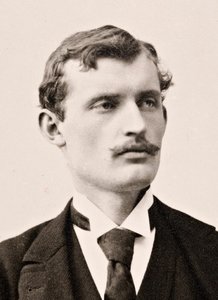
ედვარდ मुंხ
1863 - 1944 , შვედეთი
მოკლე ინფორმაცია
- Artistic Movement Or Style: ექსპრესიონიზმი
- Artists Or Movements Influenced By This Artist: ['გერმანული ექსპრესიონიზმი']
- Artists Who Influenced This Artist:
- პოლ გაგანი
- ვინსენტ ვან გოგი
- ენრი დე ტულუზ-ლოთრეკი
- Date Of Birth: 1863 წლის 12 დეკემბერი
- Date Of Death: 1944 წლის 23 იანვარი
- Full Name: ედვარდ მუნხი
- Nationality: ნორვეგიელი
- Notable Artworks:
- The Scream
- Madonna
- The Sick Child
- Place Of Birth: ადელსბრუკი, შვედეთი
დაკავშირებული სტატიები
ედვარდ მუნკის 25 შედევრი: ხელოვნების ისტორია თქვენს სახლში | OriginalUniqueArt
გაიცანით ედვარდ მუნკის 25 შედევრი! ექსპრესიონიზმის გენიის ნახატები, შფოთვისა და მელანქოლიის ისტორია. შეიძინეთ ხარისხიანი რეკრეაციები OriginalUniqueArt-ზე და შექმნით თქვენი სახლის უნიკალური ინტერიერი. აღმოაჩინეთ მთელი კოლექცია ონლაინ!

Dark Masterpieces: 10 Iconic Paintings Dominated by Black Tones |
Explore 10 iconic paintings dominated by black tones, from Rembrandt’s chiaroscuro to Goya's dark expressions. Discover the stories behind these masterpieces & find museum-quality art reproductions for your home at .

Edvard Munch: Anxiety, Modernity & the Dawn of Expressionism
Explore the profound world of Edvard Munch, pioneer of Expressionism. Discover the origins of 'The Scream' & his haunting depictions of anxiety, mortality, and love. Expert analysis & high-quality reproductions at OriginalUniqueArt.

The Enduring Legacy of Fine Art Prints: Technique, History & Aesthetic Impact
Explore the rich history & techniques of fine art prints. Discover investment potential, assess authenticity, and learn how to preserve your collection with expert guidance. Trusted insights for discerning collectors.

Giclée Prints: Archival Quality & Aesthetic Nuances for the Discerning Collector
Explore the world of giclée prints with OriginalUniqueArt. Learn about archival quality, aesthetic nuances & investment potential. Expert guidance for discerning art collectors seeking museum-quality reproductions and lasting value.


