ნახვა ინტერьерში
 გაგზავნა
 გაზიარება
 დეტალები
 გზამკვლევი

 ჩამოტვირთვა
 მსგავსები
 რენტგენოგრაფიული კვლევა
 სლაიდშოუ
 Q&A
Q&A სტატისტიკა
ცეკვავერი
 პასტელი
- თანამედროვე რეალიზმი
 1895
1895- მე-19 საუკუნე
 47.0 x 37.0 cm
 კუნსტჰალე ბრემენი
 სრული ტექსტის ნახვა
გიკლე / ხელოვნების პრინტი
მუზეუმის დონის ჟიკლე ან ტილოზე ბეჭდვა სწრაფი წარმოებისა და დასრულების მოქნილი ვარიანტებით. ( შეიძინეთ ხელით შესრულებული ნახატი გადასვლა ციფრულ გამოსახულებაზე)




P118B ₾10

P118H ₾10

P118W ₾10

P438Z ₾10

P508JH ₾12

P508YH ₾12

P805H ₾10

P805Z ₾10

P919BZ ₾10

P919G ₾10

P919XJ ₾10

P959ZH ₾10

P968JZ ₾12

W106C ₾8

W218G ₾10

W218JH ₾8

W218Y ₾10

W307PJ ₾10

W316G ₾10

W316PJ ₾8

W316Y ₾10

W398PJ ₾8

W4111J ₾10

W500HY ₾15

W500JH ₾15

W692G ₾12

W849H ₾8

W940BG ₾15

W953PJ ₾8




აირჩიეთ ჩვენს მიერ წინასწარ განსაზღვრული ზომებიდან, რომლებიც ნაწარმოების ორიგინალურ პროპორციებს შეესაბამება.

შეიყვანეთ თქვენთვის საჭირო სიგანე და სიმაღლე, რათა იგი მოერგოს თქვენს ჩარჩოს ან კედელს. ბეჭდვისას შესაძლებელია მხოლოდ მისი შემცირება და არა გაზრდა, ამიტომ სხვა ფორმის ზომის შემთხვევაში გამოსახულება ნაწილობრივ იკარგება. სანამ რაიმეს დაბეჭდავთ, ჩვენ გამოგიგზავნით ციფრულ მაკეტს დასდასტურებლად. ამ გვერდზე ნაჩვენები სურათი არ ასახავს რეალურ ჭრას — ამას მხოლოდ მაკეტი გვიჩვენებს.
მიწოდება მთელ მსოფლიოში () 2 კვირაში, სტანდარტული 4/5 კვირის ნაცვლად. (30 ოქტომბერი)

უფასო ექსპრეს მიწოდება მთელ მსოფლიოში

მაღალი ხარისხის ტილო

ტრანსპორტირების სრული დაზღვევა

საბაჟო გადასახადების დაბრუნების გარანტია

ფერების სრული შესაბამისობის გარანტია

დაბრუნების 100-დღიანი პერიოდი (მხოლოდ წარმოების დეფექტის შემთხვევაში)

100% თანხის სრული დაბრუნების გარანტია

ფასდაკლება დიდი რაოდენობით შეკვეთისას
 მინის ჩარჩოს არჩევანი ხელმისაწვდომია მხოლოდ 110 სმ-მდე ზომისთვის

ცეკვავერი
გიკლე / ხელოვნების პრინტი
რეპროდუქციის ზომა
-


ჯამური ღირებულება
₾ 208
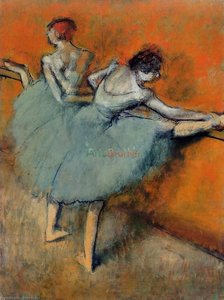
დროში გაყინული მომენტი: ედგარ დეგასის „მოცეკვავე“
ედგარ დეგასის „მოცეკვავე“, რომელიც 1895 წელს დასრულდა, არ არის მხოლოდ ბალეტის გამოსახულება; ეს არის იმპრესიონიზმის ფიქსაცია წარმავლ მომენტებსა და ატმოსფეროს გადმოცემის მიმართ გატაცების კულმინაცია. ნახატი შესრულებული იყო მისი პროდუქტიული პერიოდის განმავლობაში, როდესაც ის პარიზის ოპერისა და თეატრების ბэкстейჯ სამყაროს იკვლევდა — განსაკუთრებით გარნიეს. დეგასმა ცდილობდა გადაეტოვებინა ტრადიციული პორტრეტის ხელოვნება ყოველდღიური ცხოვრების რიტმებში ჩაძირვით.
თავად ნამუშევარი წარმოადგენს თვალთმა신기რად მარტივ კომპოზიციას: ოთხი მოცეკვავე, რომლებიც დაძაბულები არიან ფარდის წინ, განათებული არის ფოიეს დაბინდული ყვითელი შუქით. თუმცა, დეგასის გენიოსობა მის მდიდარ დაკვირვებასა და უნარშემწყნარო ტექნიკაშია. მან მოერიდა დიდ ჟესტებს ან დრამატულ პოზებს და ყურადღება გაამახვილა პოზისა და მოძრაობის ნიუანსების დაფიქსირებაზე — წარმადგეს წინა მშვიდ მოსალოდნელობაზე.
დეგასმა გამოიყენა პასტელი ტრანსპარენტურ ქაღალდზე, მედია, რომელიც ცნობილია თავისი ლუმინესცენციით და ფერების უნარით ერთმანეთში შერწყმისა. მხატვარემ გამოიყენა სტამპინგისა და ბერნიშინგის ტექნიკები — წნევის გამოყენება სტილუსით пиგმენტის სიმჭიდროვის შესაქმნელად — შექმნა ტექსტური ზედაპირი, რომელიც ნაზად ასახავს შუქს. ეს განზრახული არჩევანი ხაზს უსვამს დეგასის რეალიზმისკენ მიმართულობას; ის არ ცდილობდა იდეალიზებული სი Schönheit-ის მიღწევას, არამედ წარმოადგენდა მოცეკვავეთა ფიზიკური არსების გულწრფელ გამოსახულებას.
ბრემენიშ „მოცეკვავე“, როგორც ხშირად მოიხსენიება, განასკენერებს დეგასის ყურადღებას მოძრაობის დაფიქსირების მიმართ — ეს არის იმპრესიონისტური ხელოვნების ქვაკუთხედი. შეამჩნიეთ, როგორ გაშლის ერთი მოცეკვავე თავის კუჭს გარეთ, საკუთარ თავს წინა პლანზე ამყარებს და ამავდროულად გადმოსცემს დინამიკის განცდას. ეს ჟესტი არ არის მხოლოდ ანატომიური სიზუსტე; ის განასახიერებს მხატვრის სურვილს, დრო გააჩეროს და წარმადგეს შოუების არსი.
უფრო მეტიც, დეგასის გადაწყვეტილება ქაღალდის დიდი ნაწილები გამოეყრდნოს — ქვემოთ მოცულ უშუალო მასალა გამოაჩინოს — მნიშვნელოვანია. ეს ასახავს მის რწმენას, რომ მხატვარს უნდა დაუჯეროს გამოცდილების სიუჟესოზე და არა დახვეწილი სრულყოფილების მიღწევაზე. ეს ტექნიკა იდეალურად ეთანხმება იმპრესიონიზმის აკადემიური კონვენციების უარყოფას და სპონტანურობის მიღებას.
ნახატის ემოციური ზეგავლენა შეგრძნებულია. „მოცეკვავე“ არ არის ზეიმი; ის მედიტაციულია — მშვიდი დაფიქრება სი Schönheit-ზე, დაუცველობაზე და ხელოვნების მიზნებისთვის საჭირო ერთგულებაზე. დეგასის უნარშემწყნარო გამოსახულება იჭერს არა მხოლოდ ფიზიკურ პოზას, არამედ შინაგანი მზადყოფნის მდგომარეობასაც, რაც მაყურებელს მოუწოდებს დაფიქრდეს დაკვირვების გარდაქმნელი ძალაზე.
დეგასის უძლურ მემკვიდრეობაზე მეციის მოწმობით, ეს ნამუშევარი აგრძელებს შთაგონებას მხატვრებისა და კოლექციონერებისთვის — მწუხარგ心გაღები შეხ Reminder, რომ ჭეშმარიტი ხელოვნება ყოველდღიური ცხოვრების წარმავალი სი Schönheit-ის დაფიქსირებაშია განთავსებული.
კითხვები და პასუხები
რომელ ხელოვანს მიეწერება "ცეკვავერი"?
"ცეკვავერი" შექმნილია ჰაილერ გერმெய்ნ ეդგარ დეგასი-ის მიერ. ამ გვერდზე მოცემული ინფორმაცია აღწერს ჰაილერ გერმெய்ნ ეդგარ დეგასი-ის ორიგინალურ ნამუშევარს.
მდებარეობს თუ არა "ცეკვავერი" მისი ავტორის ქვეყანაში?
არა - ნამუშევარი საზღვარგარეთ ინახება. ჰაილერ გერმெய்ნ ეդგარ დეგასი-ის სამშობლო საფრანგეთი არის, ხოლო ნამუშევრის „ცეკვავერი“ ორიგინალის მფლობელი მუზეუმი გერმანია-ში მდებარეობს.
რამდენი წლის იყო ჰაილერ გერმெய்ნ ეդგარ დეგასი, როდესაც 1895 წელს შექმნა „ცეკვავერი“?
როდესაც 1895 წელს შექმნა „ცეკვავერი“, ჰაილერ გერმெய்ნ ეդგარ დეგასი, რომელიც 1834-ში დაიბადა, 61 წლის იყო.
მხატვრის ბიოგრაფია
A Life Immersed in Movement
Edgar Degas, born Hilaire-Germain-Edgar De Gas on July 19, 1834, in Paris, France, stands as a figure of remarkable contradictions within the annals of art history. While often categorized alongside Impressionists—Monet, Renoir, and others who irrevocably transformed painting at the cusp of the late nineteenth century—Degas vehemently resisted this designation, asserting instead that he identified as a realist. This unwavering commitment stemmed from his meticulous observation of the world around him and an uncompromising dedication to portraying it with unflinching honesty. His formative years were comfortably bourgeois; his father served as a banker, and his mother descended from Creole lineage in New Orleans—a heritage that afforded him access to education and artistic training, though he frequently chafed against academic constraints. He commenced his formal schooling at the Lycée Louis-le-Grand but discovered his true vocation when he began copying works within the Louvre, honing his skills and igniting a lifelong passion for classical art. However, Degas’s artistic trajectory wasn't one of rigid adherence to tradition; it was characterized by constant questioning and reassessment of artistic norms—a trait that would define his entire career. He possessed an independent spirit that distinguished him from many of his contemporaries and cemented his place as a pioneer of modern art.Early Life and Artistic Foundations
Degas’s upbringing instilled in him a profound appreciation for intellectual pursuits alongside familial stability. His father's profession provided financial security, allowing him to pursue artistic endeavors without undue worry—a circumstance that contrasted sharply with the aspirations of many aspiring artists at the time. He received an exceptional education, focusing on drawing and sculpture, disciplines that would prove instrumental in shaping his distinctive style. Notably, he diligently studied the works of Jean-Auguste-Dominique Ingres, whose meticulous draftsmanship and emphasis on idealized form profoundly influenced Degas’s artistic sensibilities. This early exposure to classical art served as a bedrock upon which he built his own innovative approach—a synthesis of tradition and experimentation that would become his hallmark. The Louvre became his classroom, where he absorbed the techniques and aesthetics of masters past, preparing himself for the challenges of forging his own path in the burgeoning artistic landscape.Beyond Impressionism: A Singular Artistic Vision
Despite aligning with Impressionists like Monet and Renoir—artists who championed capturing fleeting moments of light and color outdoors—Degas stubbornly resisted categorization within this movement. He prioritized working independently in his studio, constructing scenes from observation and memory rather than relying on plein air techniques. This deliberate choice reflected a fundamental divergence from prevailing artistic trends and underscored his unwavering belief in the primacy of personal vision. His subject matter deliberately eschewed historical or mythological narratives favored by academic painters; instead, he found inspiration in the everyday realities of Parisian life—the bustling marketplaces, the lively cafes, and most notably, the world of ballet. He wasn’t merely interested in depicting beautiful dancers; he sought to capture the grueling physicality and psychological complexities inherent in their profession—a task that demanded painstaking attention to detail and a willingness to confront uncomfortable truths about human experience.The Ballet Class: A Masterpiece of Observation
Perhaps Degas's most iconic achievement resides in his series of paintings depicting ballet classes—works that exemplify his unparalleled mastery of draftsmanship and his ability to convey movement with breathtaking precision. Unlike Impressionists who attempted to capture the ephemeral effects of light, Degas meticulously documented the physical exertion and emotional intensity of dancers preparing for performances. His compositions are unconventional, cropping figures in unexpected ways and utilizing asymmetrical arrangements that create a palpable sense of dynamism—a technique that distinguishes him from his peers and elevates his art beyond mere visual representation. He captured not just what was seen but also what was felt—the strain on muscles, the concentration on faces, and the subtle gestures of movement that communicated both discipline and passion. The resulting images are imbued with a remarkable immediacy and authenticity, reflecting Degas’s unwavering commitment to portraying reality without embellishment or sentimentality.Legacy and Influence
Edgar Degas died September 27, 1917, in Paris—leaving behind an oeuvre that continues to resonate powerfully within the artistic canon. His pioneering approach to composition, his exceptional draftsmanship, and his unflinching portrayal of modern life profoundly impacted subsequent generations of artists—most notably Pablo Picasso and Henri Matisse. He challenged academic conventions and championed a new aesthetic sensibility characterized by spontaneity and psychological depth—a legacy that persists today as museums worldwide showcase his paintings, sculptures, prints, and drawings. Degas’s influence extends far beyond the immediate stylistic innovations he engendered; he fundamentally altered perceptions of artistic expression and solidified his position as one of the most influential figures in twentieth-century art. He remains a testament to the transformative power of observation and the enduring beauty of uncompromising artistic integrity.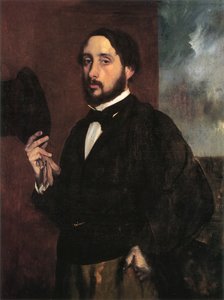
ჰაილერ გერმெய்ნ ეդგარ დეგასი
1834 - 1917 , საფრანგეთი
მოკლე ფაქტები
- Artistic Movement Or Style: იმპრესიონიზმი და რეალიზმი
- Artists Or Movements Influenced By This Artist: ['პიკასო და ჰენრი მატის პს']
- Artists Who Influenced This Artist:
- ჟან-შუสตე დონ ჟო დი ინგრეს
- გუსტავ კურბეტი
- Date Of Birth: 1834 წელი
- Date Of Death: 1917 წელი
- Full Name: Hilaire-Germain-Edgar De Gas
- Nationality: ფრანგილია
- Notable Artworks:
- მსხვილობრინდა მუსხვი და ტამბურინა
- ბალეტი სცენის დებაჲ
- დეგასი მწვანე კორკეტითი
- მფ რაჩქსე სხეპები და სძრაჩქე მძრაველები
- Place Of Birth: პარისი საფრანგეთი
მსგავსი სტატიები
The Subdued Radiance of Pastel Palettes: Exploring Emotional Resonance in Art History
Explore the emotional power of pastel palettes in art history! Discover Impressionism, Post-Impressionism & color psychology insights. Find museum-quality reproductions at OriginalUniqueArt.

The Subtleties of Pastel: A Comprehensive Exploration of Technique, History & Emotional Resonance
Explore the captivating world of pastel art! Discover its rich history, Impressionistic masters like Degas, emotional power & unique techniques. Find museum-quality reproductions at OriginalUniqueArt.

Soft Light & Velvet Touch: The Ethereal Magic of Pastel Artistry in Impressionist Masterpieces
Discover the ethereal beauty of pastel art through an Impressionist lens. Explore how masters like Monet and Renoir captured light and velvet textures, and learn to curate a collection of luminous, museum-quality masterpieces for your home.

Edgar Degas: Capturing Modern Life – A Study of Movement, Observation, and the Parisian Belle Époque
Explore the captivating world of Edgar Degas! Discover his innovative techniques, iconic ballet paintings, and unique portrayal of Parisian life in this insightful art history study.

The Soft Power of Pastel: A Connoisseur's Guide to History, Technique, and the Art of Texture
Explore the ethereal beauty of pastel art. From Renaissance origins to Impressionist mastery, discover the history, technique, and velvety textures that define this luminous medium in our expert guide for art connoisseurs.