

 წინასწარი ნახვა
 გაგზავნა
 გაზიარება
 დეტალები

 ჩამოტვირთვა
 მსგავსები
 რენტგენოგრაფიული კვლევა
 სლაიდშოუ
Prophet Jeremiah (detail)


 გადასართად დაწვრილებით ნახეთ
ხელით ნაკვეთი ზეთის ტილოს რეპროდუქცია
ტილოზე შესრულებული ფერწერიანი ზეთប្រდათი, თქვენთვის სასურველი ზომისა და ჩარჩოსთვის, ჩვენი ხელოვანების მიერ შეკვეთის საფუძველზე დამზადებული. ( შეიძინეთ პრინტი შეიძინეთ გამოსახულება)




P118B $10

P118H $10

P118W $10

P438Z $10

P508JH $12

P508YH $12

P805H $10

P805Z $10

P919BZ $10

P919G $10

P919XJ $10

P959ZH $10

P968JZ $12

W106C $8

W218G $10

W218JH $8

W218Y $10

W307PJ $10

W316G $10

W316PJ $8

W316Y $10

W398PJ $8

W4111J $10

W500HY $15

W500JH $15

W692G $12

W849H $8

W940BG $15

W953PJ $8




აირჩიეთ ჩვენს მიერ წინასწარ განსაზღვრული ზომებიდან, რომლებიც ნაწარმოების ორიგინალურ პროპორციებს შეესაბამება.

თქვენ შეგიძლიათ მიუთითოთ თქვენთვის სასურველი ზომები კონკრეტული ჩარჩოს ან სივრცის შესაბამისად. თუ თქვენ მიერ არჩეული ზომა არ შეესაბამება ორიგინალი გამოსახულების პროპორციებს, ჩვენ ან შევაჭრებთ ნაწარმოებს, ან ტილოზე დავამატებთ ხელით მოხატულ ელემენტებს. წარმოების დაწყებამდე, დამტკიცებისთვის გამოგეგზავნებათ ციფრული მაკეტი.
გთხოვთ, გაითვალისწინოთ, რომ ეკრანზე ნაჩვენები წინასწარი შეხედულება არ ასახავს რეალურ შეჭრას ან გაფართოებას. საბოლოო კომპოზიციას ზუსტად მხოლოდ მაკეტი წარმოაჩენს.
მიუხედავად იმისა, რომ შესაძლებელია ინდივიდუალური ზომების შერჩევა, ორიგინალური პროპორციების შენარჩუნებისათვის გირჩევთ, გამოიყენოთ წინასწარ განსაზღვრული სიის ზომები.
შეკვეთის შემდეგ, OriginalUniqueArt.com გუნდი დაგიკავშირდებათ ელექტრონული ფოსტით ინსტრუქციებისთვის და გამოგიგზავნით წინასწარ ნახაზს (mockup).
მიწოდება მსოფლიო მასშტაბით -ში 3/4 კვირაში, სტანდარტული 5 კვირის ნაცვლად. (22 აგვისტო). ხარისხზე კომპრომისის გაკეთება არ მოხდება.

უფასო ექსპრეს მიწოდება მთელ მსოფლიოში

საბამად მაღალი ხარისხის ტილო

სრული ტრანსპორტირების დაზღვევა

საბაჟო გადასახადების დაბრუნების გარანტია

ფერების სრული შესაბამისობის გარანტია

60-დღიანი დაბრუნების პოლიტიკა (მხოლოდ დეფექტის შემთხვევაში)

100% თანხის დაბრუნების გარანტია

ფასდაკლება დიდი რაოდენობით შეკვეთისას
 მინის ჩარჩოს არჩევანი ხელმისაწვდომია მხოლოდ 110 სმ-ზე ნაკლები ზომისთვის

Prophet Jeremiah (detail)
რეკლამაციის ტექნიკა
რეკლამაციის ზომა
-


საბოლოო ფასი
$ 300
ნაწარმოების აღწერა
A Soul in Stone: Donatello’s Prophet Jeremiah
Donatello's “Prophet Jeremiah (detail),” a poignant study carved from pristine white marble around 1423-1427, transcends mere portraiture to become a profound meditation on faith, suffering, and the weight of divine prophecy. This intimate fragment, originally conceived for the north side of Giotto’s bell tower in Florence, captures a pivotal moment within the biblical narrative – Jeremiah's lamentation over the impending destruction of Jerusalem, a vision he relentlessly conveyed despite facing scorn and rejection from his people. The sculpture isn’t simply depicting a man; it embodies an entire emotional landscape, radiating a palpable sense of sorrow and quiet dignity.
The work is firmly rooted in the burgeoning Early Renaissance style that Donatello pioneered. Rejecting the overly ornate conventions of the International Gothic tradition, he embraced classical ideals of humanism and naturalism, yet infused them with an intensely personal expression. Notice how the figure’s posture – a subtle lean back, a downward gaze – immediately conveys vulnerability and introspection. This isn't a heroic depiction of a prophet; it is Jeremiah as a man grappling with his burden, a testament to Donatello’s ability to imbue stone with profound psychological depth. The musculature, subtly rendered beneath the flowing drapery, speaks to an underlying strength, a resilience forged in the face of overwhelming adversity.
The Language of Marble: Technique and Material
Donatello's mastery of marble is immediately evident. The surface possesses a remarkable smoothness, achieved through meticulous polishing – a technique that reflects both his skill and the quality of the stone itself. The folds of the garment are sculpted with astonishing precision, creating an illusion of movement and texture. Observe how light plays across the figure’s face, highlighting the wrinkles around his eyes and mouth, not as signs of age but as emblems of experience and sorrow. The use of *contrapposto*, a classical technique where the weight is shifted to one leg, creates a dynamic balance within the sculpture, lending it a sense of life and vitality despite its stillness.
Crucially, Donatello’s choice of white marble was deliberate. The purity of the material serves as a visual metaphor for Jeremiah's message – a stark contrast against the corruption and impending doom he foretold. The reflective surface also invites contemplation, encouraging viewers to engage with the sculpture on an emotional level. It is a material that speaks of both fragility and enduring strength, mirroring the themes explored within the artwork.
Symbolism and Context: A Prophet’s Lament
Jeremiah's prophecy was notoriously difficult to deliver; he warned of divine judgment against a people who refused to heed his warnings. The sculpture captures this tension perfectly. The prophet’s hand, clasped tightly over his thigh, suggests both despair and determination – a refusal to relinquish hope despite the bleakness of his situation. His downcast eyes are not simply indicative of sadness but also of a profound understanding of God's will. The cartouche held by his left hand, bearing his name, is a subtle reminder of his identity and role as a messenger of divine truth.
The sculpture’s original placement on Giotto’s bell tower underscored its significance. As one of the first freestanding nude male sculptures since antiquity, it represented a bold departure from medieval artistic conventions. It was a statement about humanity's capacity for both suffering and resilience – qualities that resonated deeply with the humanist ideals of the Renaissance. The subsequent relocation to the Cathedral’s façade further cemented its place as a powerful symbol of faith and judgment.
A Timeless Echo: Emotional Resonance
“Prophet Jeremiah (detail)” continues to resonate with viewers centuries after its creation. Its raw emotional honesty, coupled with Donatello's masterful technical skill, creates an experience that is both deeply moving and intellectually stimulating. The sculpture invites us to contemplate the nature of faith, the burden of responsibility, and the enduring power of human compassion. It’s a work that transcends its historical context, offering a timeless reflection on the complexities of the human condition – a testament to Donatello's genius and his profound understanding of the human spirit.
მხატვრის ბიოგრაფია
ადრეული ცხოვრება და კარიერა
დონატო დი ნიკოლო დი ბეტო ბარდი, რომელიც მსოფლიოს დონატელად არის ცნობილი, დაახლოებით 1386 წელს იტალიის ქალაქ ფლორენციაში დაიბადა. მან სიღრმისეულად შეისწავლა კლასიკური სკულპტურა, რამაც უდიდესი გავლენა მოახდინა ადრეული რენესანსის სტილის ჩამოყალიბებაზე. ხელოვნებისა და კულტურისადმი ეს ახლებური მიდგომა საბოლოოდ ფლორენტიული რენესანსის მთავარ ნიშნად იქცა.მთავარი ნამუშევრები და ინოვაციები
დონატელის ყველაზე ცნობილ შემოქმედებას, „დავითს“, ანტიკური ხანის შემდეგ პირველი თავისუფლად მდგარი მამაკაცის შიშველი სკულპტურა წარმოადგენდა. მედიჩების ოჯახის მიერ შეკვეთილმა ამ ნამუშევრმა დონატელის ინოვაციური სტილი და ტექნიკური ოსტატობა ყველას თვალს სადარდოოდ აჩვენა. მის სხვა გამორჩეულ ნამუშევრებს შორის აღსანიშნავია:- წმინდა ლუი ტულუზელი (ამჟამად სანტა კროჩეს ბაზილიკას მუზეუმში), რომელიც დონატელის მიერ შექმნილ კლასიკურ ჩარჩოს შეიცავს.
- ისაკის მსხვერპლშეწირვა, რომელიც ფლორენციის სანტა მარია დელ ფიორეს კამპანილისთვის შეიქმნა და გამოირჩევა პორტრეტული დეტალების სიმძაფრით.
- ჯვარცმა (1425) სანტა კროჩასთვის, სადაც ქრისტე ტანჯვის მომენტში არის გამოსახული.
მხატვრული სტილი და მემკვიდრეობა
დონატელის შემოქმედება შეიძლება რამდენიმე ფაზად დაიყოს, რომელიც დაიწყო ექსპრესიულობისა და კლასიკური მონუმენტურობის განვითარებით. მისი ნამუშევრები საზოგადოების მიერ მაშინვე არ იქნა აღიარებული, თუმცა მოგვიანებით უდიდეს პოპულარობას მოიპოვა და გავლენა მოახდინა სხვა იტალიურ სამარხოებსა და ევროპელ ხელოვანებზე. მთავარი სახელოვნებო მიმდინარეობები:პირადი ცხოვრება და სამუშაო სტილი
დონატელი ცნობილი იყო თავისი კეთილგანწყობითა და სიმხიბლურით, თუმცა მისი კარიერის ბიზნეს მხარე საკმაოდ სუსტი იყო. მას ხშირად უფრო მეტ შეკვეთას იღებდა, ვიდრე შეძლებდა შესრულებას, რის გამოც ნამუშევრებს ხშირად დაგვიანებით ასრულებდა ან სხვა სკუმშტორებს გადასცემდა. აღსანიშნავი ხელოვანები და ნამუშევრები:- ლეონარდო და ვინჩი: მადისმღობელობა (დეტალი)
- ამიკო ასპერტინი: პანის სტატუა / ლომი, რომელიც ცხენს კბილებს უჭერს
- მიკელანჯელო ბუონაროტი: ტონდო პიტტი
მუზეუმები და ხელოვნების კოლექციები:
- კოლეჯატას მუზეუმი (ემპოლი, იტალია): რენესანსის ნкрыლი 보ხატი, რომელიც ფრანჩესკო ბოტнициნისა და რაფაელო ბოტнициნის ნამუშევრებს აერთიანებს.
- ადრეული იტალიური რენესანსის ხელოვნების მიმდინარეობა

დონატელო
1386 - 1466
მოკლე ინფორმაცია
- Artistic Movement Or Style: ად Frühe Renaissance (ადრეული რენესანსი)
- Artists Or Movements Influenced By This Artist:
- იტალიური რენესანსი
- ადრეული რენესანსი
- ფლორენციული რენესანსი
- Artists Who Influenced This Artist: ['კლასიკური სკულპტურა']
- Date Of Birth: დაახლ. 1386
- Date Of Death: 1466
- Full Name: დონატელო დი ნიკოლო
- Nationality: იტალიელი
- Notable Artworks:
- დავითი
- ტულუზელი წმინდა ლუი
- ისაკის მსხვერპლშეღება
- ჯვარცმა
- Place Of Birth: ფლორენცია, იტალია
დაკავშირებული სტატიები

The Enduring Allure of Marble in Art History: From Classical Sculpture to Modern Abstraction
Explore the captivating history of marble sculpture from ancient Greece to modern art. Discover renowned artists like Canova & Michelangelo, carving techniques, and investment insights at OriginalUniqueArt.

Bronze Sculptures That Defined Art History | OriginalUniqueArt
Journey through art history with our Top 10 bronze sculptures! Explore masterpieces by Rodin, Michelangelo & more. Discover stories behind iconic statues and find museum-quality reproductions for your home decor at OriginalUniqueArt.com.

The Enduring Form: Exploring Themes & Techniques in Sculpture Across Historical Periods
Explore the rich history of sculpture from ancient masterpieces to contemporary innovations. Discover key techniques, influential artists & investment potential for discerning art collectors.

Bronze Age to Modern Masters: 10 Sculptures That Redefined Art | OriginalUniqueArt
Journey through art history with 10 legendary bronze sculptures – from Michelangelo's David to Rodin’s Thinker. Explore the stories, techniques & timeless beauty of these masterpieces. Find museum-quality reproductions & elevate your home decor on OriginalUniqueArt.com.
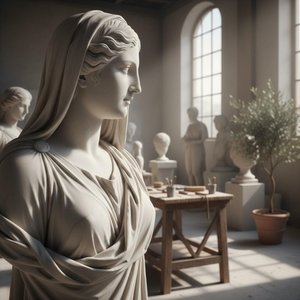
Timeless Elegance: A Complete Guide to the Sublime Beauty and Artistry of Marble Sculpture
Discover the sublime beauty of marble art through an expert exploration of Renaissance and Neoclassical masterpieces. From the delicate textures of Carpeaux to the grandeur of Sansovino, immerse yourself in a guide to timeless elegance and sculptural perfection.

