

 გაგზავნა
 გაზიარება
 დეტალები
 გზამკვლევი

 ჩამოტვირთვა
 მსგავსები
 სლაიდშოუ
 სტატისტიკა
Cantoria
 Marble
- Sculpture
- Early Renaissance
 1439
1439 348.0 x 570.0 cm
 მუზეუ პრადო
 სრული ტექსტის ნახვა
გიკლე / ხელოვნების პრინტი
მუზეუმის დონის ჟიკლე ან ტილოზე ბეჭდვა სწრაფი წარმოებისა და დასრულების მოქნილი ვარიანტებით. ( შეიძინეთ ხელით შესრულებული ნახატი გადასვლა ციფრულ გამოსახულებაზე)




































აირჩიეთ ჩვენს მიერ წინასწარ განსაზღვრული ზომებიდან, რომლებიც ნაწარმოების ორიგინალურ პროპორციებს შეესაბამება.

შეიყვანეთ თქვენთვის საჭირო სიგანე და სიმაღლე, რათა იგი მოერგოს თქვენს ჩარჩოს ან კედელს. ბეჭდვისას შესაძლებელია მხოლოდ მისი შემცირება და არა გაზრდა, ამიტომ სხვა ფორმის ზომის შემთხვევაში გამოსახულება ნაწილობრივ იკარგება. სანამ რაიმეს დაბეჭდავთ, ჩვენ გამოგიგზავნით ციფრულ მაკეტს დასდასტურებლად. ამ გვერდზე ნაჩვენები სურათი არ ასახავს რეალურ ჭრას — ამას მხოლოდ მაკეტი გვიჩვენებს.
მიწოდება მთელ მსოფლიოში () 2 კვირაში, სტანდარტული 4/5 კვირის ნაცვლად. (27 ოქტომბერი)

უფასო ექსპრეს მიწოდება მთელ მსოფლიოში

მაღალი ხარისხის ტილო

ტრანსპორტირების სრული დაზღვევა

საბაჟო გადასახადების დაბრუნების გარანტია

ფერების სრული შესაბამისობის გარანტია

დაბრუნების 100-დღიანი პერიოდი (მხოლოდ წარმოების დეფექტის შემთხვევაში)

100% თანხის სრული დაბრუნების გარანტია

ფასდაკლება დიდი რაოდენობით შეკვეთისას
 მინის ჩარჩოს არჩევანი ხელმისაწვდომია მხოლოდ 110 სმ-მდე ზომისთვის

Cantoria
გიკლე / ხელოვნების პრინტი
რეპროდუქციის ზომა
-


ჯამური ღირებულება
₾ 208
The Echoes of Florence: Donatello’s Cantoria
Within the hallowed halls of the Museo dell'Opera del Duomo in Florence resides a sculpture that transcends mere stone and marble – it is an embodiment of Renaissance spirit, a vibrant testament to human aspiration. Donatello’s Cantoria, completed in 1439, isn’t simply a decorative element above a choir; it’s a dynamic narrative carved into the very fabric of space, inviting contemplation on faith, music, and the boundless energy of life itself. Commissioned for the south sacristy of Florence Cathedral, this monumental marble relief stands as a pivotal work, showcasing Donatello's mastery and signaling a dramatic shift in artistic expression.
The sculpture’s genesis lies within the Early Renaissance, a period of profound transformation where classical ideals intertwined with burgeoning humanism. Donatello, deeply influenced by his study of ancient Greek and Roman sculpture, sought to capture not just likeness but also emotion and movement – a departure from the more static representations prevalent in preceding centuries. The Cantoria reflects this ambition; it’s a celebration of earthly joy expressed through the depiction of a bustling scene of singing, dancing, and musical performance. The sheer scale of the work—measuring an impressive 348 x 570 cm—immediately commands attention, drawing the viewer into its intricate world.
A Symphony in Marble: Technique and Design
Donatello’s genius is immediately apparent in his masterful manipulation of marble. The sculpture isn't a smooth, polished surface; instead, it’s characterized by deeply incised lines, dramatic contrasts between light and shadow, and an astonishing level of detail. The figures are not rendered with idealized beauty but rather with a palpable sense of humanity – their faces etched with expressions of delight, exertion, and communal spirit. The use of architectural elements—columns, arches, and a pediment adorned with acanthus leaves—adds to the sculpture’s grandeur, creating a harmonious blend of classical form and Renaissance dynamism.
Notably, Donatello employed a technique known as “spolvero,” using a tool to dust away excess marble, leaving behind delicate lines that define the forms. This method, combined with his meticulous carving, results in an astonishingly lifelike quality, particularly evident in the faces of the figures. The incorporation of glass paste and gilded elements further enhances the visual impact, creating a shimmering effect that seems to imbue the scene with divine light. The frieze depicting dancing putti—winged cherubs—is a particular highlight, their swirling movements conveying an infectious sense of joy and celebration.
Symbolism and Spiritual Resonance
Beyond its technical brilliance, the Cantoria is rich in symbolic meaning. The act of singing and music itself represents praise and devotion to God – a core tenet of Renaissance spirituality. The depiction of diverse human activities—dancing, playing instruments, and engaging in communal rituals—underscores the importance of community and shared experience within the Christian faith. The use of the term “putti” (little spirits) suggests an elevation of these earthly pleasures to a realm of divine grace.
The architectural setting – the choir loft above the sacristy – further amplifies the sculpture’s symbolic significance. It was intended as a space for liturgical music and communal worship, transforming the Cantoria into more than just a decorative element; it became an integral part of the sacred ritual. The overall impression is one of exuberant joy and spiritual elevation, reflecting the Renaissance belief in the potential for human flourishing within a divinely ordained world.
A Legacy Enduring: Reproduction and Inspiration
Today, Donatello’s Cantoria remains a source of inspiration for artists and designers alike. Its dynamic composition, masterful technique, and profound symbolism continue to resonate with audiences across centuries. High-quality reproductions capture the essence of this remarkable sculpture, allowing viewers to appreciate its beauty and complexity in their own homes or studios. Whether admired as a historical artifact or simply enjoyed as a work of art, the Cantoria stands as a timeless testament to the creative genius of Donatello and the enduring power of Renaissance artistry.
კითხვები და პასუხები
რა ზომაშია რეკომენდებული "Cantoria"-ის ბეჭდვა?
დონატელო-ის „Cantoria“-ის ბეჭდვის რეკომენდებული ზომა არის Large.
რა ტექნიკითა და რა ზომის არის ორიგინალი დონატელო-ის „Cantoria“?
ორიგინალი დონატელო-ის „Cantoria“ არის Marble ნამუშევარი, რომლის ზომებია 348 x 570 cm. ტექნიკა და ზომა აღწერს ორიგინალ ობიექტს.
ვინ შექმნა "Cantoria" და რომელ წელს?
მხატვრის ბიოგრაფია
ადრეული ცხოვრება და კარიერა
დონატო დი ნიკოლო დი ბეტო ბარდი, რომელიც მსოფლიოს დონატელად არის ცნობილი, დაახლოებით 1386 წელს იტალიის ქალაქ ფლორენციაში დაიბადა. მან სიღრმისეულად შეისწავლა კლასიკური სკულპტურა, რამაც უდიდესი გავლენა მოახდინა ადრეული რენესანსის სტილის ჩამოყალიბებაზე. ხელოვნებისა და კულტურისადმი ეს ახლებური მიდგომა საბოლოოდ ფლორენტიული რენესანსის მთავარ ნიშნად იქცა.მთავარი ნამუშევრები და ინოვაციები
დონატელის ყველაზე ცნობილ შემოქმედებას, „დავითს“, ანტიკური ხანის შემდეგ პირველი თავისუფლად მდგარი მამაკაცის შიშველი სკულპტურა წარმოადგენდა. მედიჩების ოჯახის მიერ შეკვეთილმა ამ ნამუშევრმა დონატელის ინოვაციური სტილი და ტექნიკური ოსტატობა ყველას თვალს სადარდოოდ აჩვენა. მის სხვა გამორჩეულ ნამუშევრებს შორის აღსანიშნავია:- წმინდა ლუი ტულუზელი (ამჟამად სანტა კროჩეს ბაზილიკას მუზეუმში), რომელიც დონატელის მიერ შექმნილ კლასიკურ ჩარჩოს შეიცავს.
- ისაკის მსხვერპლშეწირვა, რომელიც ფლორენციის სანტა მარია დელ ფიორეს კამპანილისთვის შეიქმნა და გამოირჩევა პორტრეტული დეტალების სიმძაფრით.
- ჯვარცმა (1425) სანტა კროჩასთვის, სადაც ქრისტე ტანჯვის მომენტში არის გამოსახული.
მხატვრული სტილი და მემკვიდრეობა
დონატელის შემოქმედება შეიძლება რამდენიმე ფაზად დაიყოს, რომელიც დაიწყო ექსპრესიულობისა და კლასიკური მონუმენტურობის განვითარებით. მისი ნამუშევრები საზოგადოების მიერ მაშინვე არ იქნა აღიარებული, თუმცა მოგვიანებით უდიდეს პოპულარობას მოიპოვა და გავლენა მოახდინა სხვა იტალიურ სამარხოებსა და ევროპელ ხელოვანებზე. მთავარი სახელოვნებო მიმდინარეობები:პირადი ცხოვრება და სამუშაო სტილი
დონატელი ცნობილი იყო თავისი კეთილგანწყობითა და სიმხიბლურით, თუმცა მისი კარიერის ბიზნეს მხარე საკმაოდ სუსტი იყო. მას ხშირად უფრო მეტ შეკვეთას იღებდა, ვიდრე შეძლებდა შესრულებას, რის გამოც ნამუშევრებს ხშირად დაგვიანებით ასრულებდა ან სხვა სკუმშტორებს გადასცემდა. აღსანიშნავი ხელოვანები და ნამუშევრები:- ლეონარდო და ვინჩი: მადისმღობელობა (დეტალი)
- ამიკო ასპერტინი: პანის სტატუა / ლომი, რომელიც ცხენს კბილებს უჭერს
- მიკელანჯელო ბუონაროტი: ტონდო პიტტი
მუზეუმები და ხელოვნების კოლექციები:
- კოლეჯატას მუზეუმი (ემპოლი, იტალია): რენესანსის ნкрыლი 보ხატი, რომელიც ფრანჩესკო ბოტнициნისა და რაფაელო ბოტнициნის ნამუშევრებს აერთიანებს.
- ადრეული იტალიური რენესანსის ხელოვნების მიმდინარეობა

დონატელო
1386 - 1466 , იტალია
მოკლე ფაქტები
- Artistic Movement Or Style: ად Frühe Renaissance (ადრეული რენესანსი)
- Artists Or Movements Influenced By This Artist:
- იტალიური რენესანსი
- ადრეული რენესანსი
- ფლორენციული რენესანსი
- Artists Who Influenced This Artist: ['კლასიკური სკულპტურა']
- Date Of Birth: დაახლ. 1386
- Date Of Death: 1466
- Full Name: დონატელო დი ნიკოლო
- Nationality: იტალიელი
- Notable Artworks:
- დავითი
- ტულუზელი წმინდა ლუი
- ისაკის მსხვერპლშეღება
- ჯვარცმა
- Place Of Birth: ფლორენცია, იტალია
მსგავსი სტატიები

The Enduring Allure of Marble in Art History: From Classical Sculpture to Modern Abstraction
Explore the captivating history of marble sculpture from ancient Greece to modern art. Discover renowned artists like Canova & Michelangelo, carving techniques, and investment insights at OriginalUniqueArt.

The Enduring Form: Exploring Themes & Techniques in Sculpture Across Historical Periods
Explore the rich history of sculpture from ancient masterpieces to contemporary innovations. Discover key techniques, influential artists & investment potential for discerning art collectors.
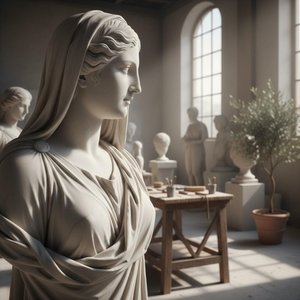
Timeless Elegance: A Complete Guide to the Sublime Beauty and Artistry of Marble Sculpture
Discover the sublime beauty of marble art through an expert exploration of Renaissance and Neoclassical masterpieces. From the delicate textures of Carpeaux to the grandeur of Sansovino, immerse yourself in a guide to timeless elegance and sculptural perfection.

Bronze Age to Modern Masters: 10 Sculptures That Redefined Art | OriginalUniqueArt
Journey through art history with 10 legendary bronze sculptures – from Michelangelo's David to Rodin’s Thinker. Explore the stories, techniques & timeless beauty of these masterpieces. Find museum-quality reproductions & elevate your home decor on OriginalUniqueArt.com.

Bronze Sculptures That Defined Art History | OriginalUniqueArt
Journey through art history with our Top 10 bronze sculptures! Explore masterpieces by Rodin, Michelangelo & more. Discover stories behind iconic statues and find museum-quality reproductions for your home decor at OriginalUniqueArt.com.