

 წინასწარი ნახვა
 გაგზავნა
 გაზიარება
 დეტალები

 ჩამოტვირთვა
 მსგავსები
 რენტგენოგრაფიული კვლევა
 სლაიდშოუ
 სტატისტიკა
Bombing Up
 Contemporary Realism
 41.0 x 51.0 cm
 Usher Gallery
 გადასართად დაწვრილებით ნახეთ
ხელით ნაკვეთი ზეთის ტილოს რეპროდუქცია
ტილოზე შესრულებული ფერწერიანი ზეთប្រდათი, თქვენთვის სასურველი ზომისა და ჩარჩოსთვის, ჩვენი ხელოვანების მიერ შეკვეთის საფუძველზე დამზადებული. ( გადართვა ბეჭდზე გადასვლა ციფრულ გამოსახულებაზე)




































აირჩიეთ ჩვენს მიერ წინასწარ განსაზღვრული ზომებიდან, რომლებიც ნაწარმოების ორიგინალურ პროპორციებს შეესაბამება.

თქვენ შეგიძლიათ მიუთითოთ თქვენთვის სასურველი ზომები კონკრეტული ჩარჩოს ან სივრცის შესაბამისად. თუ თქვენ მიერ არჩეული ზომა არ შეესაბამება ორიგინალი გამოსახულების პროპორციებს, ჩვენ ან შევაჭრებთ ნაწარმოებს, ან ტილოზე დავამატებთ ხელით მოხატულ ელემენტებს. წარმოების დაწყებამდე, დამტკიცებისთვის გამოგეგზავნებათ ციფრული მაკეტი.
გთხოვთ, გაითვალისწინოთ, რომ ეკრანზე ნაჩვენები წინასწარი შეხედულება არ ასახავს რეალურ შეჭრას ან გაფართოებას. საბოლოო კომპოზიციას ზუსტად მხოლოდ მაკეტი წარმოაჩენს.
მიუხედავად იმისა, რომ შესაძლებელია ინდივიდუალური ზომების შერჩევა, ორიგინალური პროპორციების შენარჩუნებისათვის გირჩევთ, გამოიყენოთ წინასწარ განსაზღვრული სიის ზომები.
შეკვეთის შემდეგ, OriginalUniqueArt.com გუნდი დაგიკავშირდებათ ელექტრონული ფოსტით ინსტრუქციებისთვის და გამოგიგზავნით წინასწარ ნახაზს (mockup).
მიწოდება მსოფლიო მასშტაბით -ში 3/4 კვირაში, სტანდარტული 5 კვირის ნაცვლად. (10 სექტემბერი). ხარისხზე კომპრომისის გაკეთება არ მოხდება.

უფასო ექსპრეს მიწოდება მთელ მსოფლიოში

საბამად მაღალი ხარისხის ტილო

სრული ტრანსპორტირების დაზღვევა

საბაჟო გადასახადების დაბრუნების გარანტია

ფერების სრული შესაბამისობის გარანტია

დაბრუნების 100-დღიანი პოლიტიკა (მხოლოდ დეფექტის შემთხვევაში)

100% თანხის დაბრუნების გარანტია

ფასდაკლება დიდი რაოდენობით შეკვეთისას
 მინის ჩარჩოს არჩევანი ხელმისაწვდომია მხოლოდ 110 სმ-ზე ნაკლები ზომისთვის

Bombing Up
რეკლამაციის ტექნიკა
რეკლამაციის ზომა
-


საბოლოო ფასი
$ 300
მხატვრის ბიოგრაფია
David Smith: Pioneer of Geometric Abstraction
David Smith (1956 – present) stands as a towering figure in contemporary sculpture, recognized for his unwavering commitment to geometric abstraction and his profound impact on the artistic landscape of the latter half of the 20th century. Born in Sacramento, California, Smith’s early fascination with mathematics and engineering would profoundly shape his sculptural practice, propelling him toward groundbreaking explorations of form and materiality. His journey began with a formal education at Yale University School of Art, where he honed his skills under influential mentors like Josef Albers and Robert Rauschenberg, absorbing the spirit of Color Field painting and Chance Operations – movements that challenged traditional representational conventions.- Early Influences: Smith’s formative years were marked by exposure to Bauhaus principles and the burgeoning Abstract Expressionist movement, particularly the work of Mark Rothko and Clyfford Still. These artists championed large-scale canvases saturated with color as a vehicle for conveying emotion and spiritual experience, influencing Smith's initial conceptual approach to sculpture.
- The Steel Sculpture Period (1950s – 1960s): Smith’s breakthrough arrived in the mid-1950s when he began experimenting with steel fabrication techniques—a deliberate departure from traditional sculptural materials like bronze and marble. This pivotal decision resulted in a series of monumental sculptures characterized by interlocking geometric forms, often referred to as “stackings.” These works exemplify Constructivism's emphasis on industrial processes and the exploration of spatial relationships through precise calculations.
Key Sculptural Achievements & Notable Works
Smith’s oeuvre boasts an impressive array of celebrated pieces that solidified his reputation as a visionary artist. Among his most iconic creations are “Suspended Cube” (1956), “Ancient Household, (2)” (1945), and “5 ½ (Use Half Sign)” (1956). These sculptures demonstrate Smith’s masterful manipulation of steel—bending, welding, and assembling it into complex structures that defy conventional notions of balance and stability. The deliberate use of color – particularly vibrant hues like crimson and cadmium yellow – adds another layer of visual richness to his compositions. Furthermore, “Brick” (1953), a monumental assemblage incorporating bricks and steel plates, embodies Smith’s exploration of materiality and the dialogue between organic and inorganic elements.- “Suspended Cube”: This sculpture is considered one of Smith's most influential works, demonstrating his ability to transform industrial materials into evocative expressions of form and space.
- “Ancient Household, (2)”: Its textured surface and asymmetrical arrangement contribute to its contemplative mood and invite viewers to consider the interplay between solidity and emptiness.
Conceptual Framework & Artistic Legacy
Smith’s artistic philosophy revolved around a belief that sculpture could transcend mere imitation of nature, instead serving as a conduit for conveying fundamental truths about existence. He embraced Minimalism's austere aesthetic—reducing form to its essential elements—while simultaneously retaining an interest in exploring the psychological dimensions of art. Smith’s work aligns with broader trends within American art history, reflecting the anxieties and aspirations of the Cold War era and challenging viewers to confront questions of perception and representation. His influence extends far beyond his own generation, inspiring subsequent sculptors to push boundaries and reimagine sculptural possibilities. David Smith continues to create compelling artworks that solidify his place as one of the most important artists of our time.Further Exploration
To delve deeper into David Smith’s artistic journey, consider visiting resources such as:- Yale University School of Art Website: https://artgallery.yale.edu/artists/david-smith/

მოკლე ინფორმაცია
- Artistic Movement Or Style: Geometric Abstraction
- Artists Or Movements Influenced By This Artist: ['Minimalism']
- Artists Who Influenced This Artist:
- Sir Anthony Caro
- Cubism
- Date Of Birth: 1956
- Full Name: David Smith
- Nationality: American
- Notable Artworks:
- Suspended cube
- Ancient household, (2)
- Place Of Birth: New York City, USA
დაკავშირებული სტატიები

The Soul of Color: A Journey into the Emotional Resonance of Lyrical Abstraction
Embark on a cultural journey through Lyrical Abstraction. Explore how masters like Kandinsky used color and motion to translate emotion into visual poetry. Discover the profound beauty of abstract expressionism and learn to curate emotional resonance in your own art collection.

გეომეტრიული აბსტრაქცია: 10 შედევრი, რომელმაც ხელოვნება განსაზღვრა | OriginalUniqueArt.com
გეომეტრიული აბსტრაქციის 10 შედევრი მონდრიანის, მალევიჩისა და კანდინსკის ჩართულობით. გაიგეთ მათი ისტორია, ტექნიკა და გავლენა ხელოვნებაზე. შეიძინეთ უმაღლესი ხარისხის რეკონსტრუქციები OriginalUniqueArt.com-ზე!

შექსտროფული გამოხატვის აბსტრაქციზმის 10 შედევრი: ხელოვნება თქვენი სახლისთვის
აღმოფრთოვანდით აბსტრაქტული გამოხატვისმანიერიზმის 10 უმშვენიერეს შედევრთან! ვასელის, პოლ locks-ის და სხვა ცნობილი მხატვრების ისტორიები. შეიძინეთ მაღალი ხარისბის ხელოვნების რეპროდუქციები OriginalUniqueArt.com-ზე და შეცვალეთ თქვენი სახლი!

Kandinsky's Masterpieces: 25 Paintings That Define Abstract Art | OriginalUniqueArt
Journey through Wassily Kandinsky's 25 most iconic abstract paintings. Explore his revolutionary use of color, form & spiritual expressionism. Find museum-quality Kandinsky reproductions and elevate your home decor with OriginalUniqueArt.com. Discover all masterpieces on OriginalUniqueArt.com!
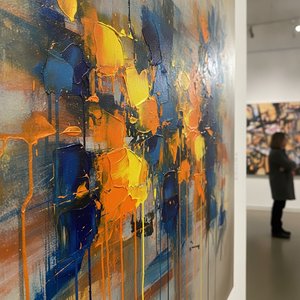
Beyond the Lines: Mastering the High-Impact World of Contemporary Abstraction
Master the high-impact world of contemporary abstraction. Discover how bold colors, textures, and modern movements like Abstract Expressionism can transform your space with premium, high-energy art curated for the design-conscious professional.