

 ნახვა ინტერьерში
 გაგზავნა
 გაზიარება
 დეტალები
 გზამკვლევი

 ჩამოტვირთვა
 მსგავსები
 რენტგენოგრაფიული კვლევა
 სლაიდშოუ
 სტატისტიკა
Rainy night on bridlingtom promenade

 სრული ტექსტის ნახვა
გიკლე / ხელოვნების პრინტი
მუზეუმის დონის ჟიკლე ან ტილოზე ბეჭდვა სწრაფი წარმოებისა და დასრულების მოქნილი ვარიანტებით. ( შეიძინეთ ხელით შესრულებული ნახატი გადასვლა ციფრულ გამოსახულებაზე)




P118B $10

P118H $10

P118W $10

P438Z $10

P508JH $12

P508YH $12

P805H $10

P805Z $10

P919BZ $10

P919G $10

P919XJ $10

P959ZH $10

P968JZ $12

W106C $8

W218G $10

W218JH $8

W218Y $10

W307PJ $10

W316G $10

W316PJ $8

W316Y $10

W398PJ $8

W4111J $10

W500HY $15

W500JH $15

W692G $12

W849H $8

W940BG $15

W953PJ $8




აირჩიეთ ჩვენს მიერ წინასწარ განსაზღვრული ზომებიდან, რომლებიც ნაწარმოების ორიგინალურ პროპორციებს შეესაბამება.

თქვენ შეგიძლიათ მიუთითოთ საკუთარი ზომები კონკრეტული ჩარჩოსთვის ან სივრცისთვის მოსარგებლებლად. თუ თქვენ მიერ არჩეული ზომა არ შეესაბამება ორიგინალი გამოსახულების პროპორციებს, ჩვენ ან დავჭრით ნამუშევარს, ან გავაფართოვებთ გამოსახულებას სარკული ან ერთფეროვანი კიდეებით. წარმოების დაწყებამდე თქვენს დასამტკიცებლად გამოგეგზავნებათ ციფრული მაკეტი.
გთხოვთ, გაითვალისწინოთ, რომ ეკრანზე ნაჩვენები წინასწარი ნახვა არ ასახავს რეალურ ჭრას ან გაფართოებას. მხოლოდ მაკეტზე იქნება ზუსტად წარმოდგენილი საბოლოო კომპოზიცია.
მიუხედავად იმისა, რომ ინდივიდუალური ზომები ხელმისაწვდომია, ორიგინალური პროპორციების შესანარჩუნებლად გირჩევთ, აირჩიოთ ზომა წინასწარ განსაზღვრული სიისგან.
მიწოდება მთელ მსოფლიოში () 2 კვირაში, სტანდარტული 4/5 კვირის ნაცვლად. (27 სექტემბერი)

უფასო ექსპრეს მიწოდება მთელ მსოფლიოში

მაღალი ხარისხის ტილო

ტრანსპორტირების სრული დაზღვევა

საბაჟო გადასახადების დაბრუნების გარანტია

ფერების სრული შესაბამისობის გარანტია

დაბრუნების 100-დღიანი პერიოდი (მხოლოდ წარმოების დეფექტის შემთხვევაში)

100% თანხის სრული დაბრუნების გარანტია

ფასდაკლება დიდი რაოდენობით შეკვეთისას
 მინის ჩარჩოს არჩევანი ხელმისაწვდომია მხოლოდ 110 სმ-მდე ზომისთვის

Rainy night on bridlingtom promenade
გიკლე / ხელოვნების პრინტი
რეპროდუქციის ზომა
-


ჯამური ღირებულება
$ 80
David Hockney: Bridlingtom Promenade Revisited
David Hockney’s “Rainy Night on Bridlingtom Promenade” isn't merely a depiction of London; it’s an embodiment of memory, perception, and the artist’s relentless pursuit of capturing fleeting moments in time. Painted in 1967 during Hockney’s formative years in Los Angeles – a period profoundly influenced by Californian light and color – this canvas transcends geographical boundaries to resonate with universal themes of solitude, contemplation, and the melancholic beauty inherent in urban decay. The painting itself is deceptively simple at first glance. A narrow promenade stretches across the composition, bathed in the muted hues of a rainy evening. The dominant palette leans heavily into blues and greens – shades that evoke not just meteorological conditions but also a deeper emotional resonance. These colors aren’t blended smoothly; instead, Hockney employs a technique he termed “joinery,” meticulously layering thin washes of pigment to create an illusion of depth and texture. This method, pioneered by Hockney alongside Frank Auerbach and Lucian Freud, prioritizes visual impact over photorealistic accuracy—a deliberate rejection of prevailing artistic conventions of the era. The promenade’s emptiness is punctuated by three strategically placed lamps – a luminous beacon against the gloom. These aren't rendered with meticulous detail; rather, they are treated as geometric shapes, radiating light and color that illuminate the surrounding area. Hockney’s use of acrylic paint—a relatively new medium at the time—allowed for unprecedented vibrancy and luminosity, pushing the boundaries of what was considered acceptable artistic expression. The lamps serve as a visual anchor, drawing the eye inward and inviting contemplation about the passage of time and the elusive nature of experience. Beyond its formal qualities, “Rainy Night on Bridlingtom Promenade” speaks to Hockney’s broader philosophical concerns. He famously stated that he wanted to paint "the world as it is seen," rejecting idealized representations in favor of capturing the raw immediacy of observation. The painting embodies this ethos—a testament to Hockney's belief that art should strive for truthfulness, even if that truthfulness resides in acknowledging imperfection and decay. It’s a poignant reminder that beauty can be found not only in grand vistas but also in the quiet corners of everyday life. The piece’s enduring appeal lies partly in its ability to evoke nostalgia—a longing for moments past that are forever lost to time. Hockney's masterful manipulation of color and texture transports viewers back to a specific place and moment, prompting reflection on memory and perception. It is a painting that invites us to slow down, observe carefully, and appreciate the subtle nuances of experience—a timeless contribution to British art history and a continuing source of inspiration for artists and collectors alike.Exploring Hockney's Technique: Joinery
David Hockney’s distinctive “joinery” technique represents a radical departure from traditional painting methods. Unlike blending colors seamlessly across surfaces, Hockney applies thin washes of pigment in successive layers—often up to 30—creating an illusion of depth and texture without resorting to glazing or scumbling. This painstaking process involves applying paint with a brush, allowing it to dry partially before adding another layer on top. The resulting surface resembles a jigsaw puzzle, where each fragment contributes to the overall visual effect. This method gained prominence during Hockney’s collaboration with fellow artists Auerbach and Freud in the mid-1960s—a period marked by experimentation and a desire to challenge artistic conventions. Joinery prioritizes visual impact over photographic realism, focusing on capturing the essence of form and color rather than striving for an accurate representation of reality. It's a technique that demands considerable patience and precision but yields extraordinary results—creating surfaces that shimmer with luminosity and conveying a palpable sense of atmosphere. Hockney himself described it as “painting with glue,” emphasizing the importance of layering and building up texture to achieve his artistic vision.Symbolism in Light and Darkness
The interplay between light and darkness within "Rainy Night on Bridlingtom Promenade" is laden with symbolic significance—reflecting Hockney’s broader engagement with philosophical ideas about perception and consciousness. The three lamps illuminate the promenade, representing not merely illumination but also a beacon of hope amidst the gloom—a visual metaphor for resilience and perseverance in the face of adversity. However, the darkness surrounding the lamps underscores the pervasive influence of melancholy and solitude—themes that recur throughout Hockney’s oeuvre. The muted blues and greens of the rainy night evoke feelings of introspection and contemplation, inviting viewers to consider the complexities of human experience. Hockney's deliberate use of color is carefully calibrated to convey emotional resonance—a testament to his belief that art should engage both intellect and emotion simultaneously. The emptiness of the promenade itself symbolizes isolation—a poignant reminder that even in bustling urban environments, individuals can experience profound feelings of loneliness. Yet, this solitude isn’t presented as bleak or despairing; rather, it serves as a catalyst for observation and reflection—encouraging viewers to appreciate the beauty inherent in stillness and simplicity. Hockney's masterful depiction captures the essence of these ideas—transforming a seemingly unremarkable scene into a powerful meditation on human existence.A Legacy of Innovation
“Rainy Night on Bridlingtom Promenade” stands as a cornerstone of David Hockney’s artistic legacy—a testament to his unwavering commitment to innovation and experimentation. By rejecting photographic realism and embracing a technique that prioritizes visual impact over meticulous detail, Hockney redefined British art in the 1960s—establishing himself as one of the most influential figures of his generation. His pioneering use of acrylic paint and his groundbreaking “joinery” method continue to inspire artists today—demonstrating the enduring power of artistic vision and the importance of challenging conventions. Hockney’s work remains a celebration of beauty, observation, and the transformative potential of art—a timeless contribution to British cultural heritage.მხატვრის ბიოგრაფია
სხივებით შეღებილი ცხოვრება: დეივიდ ჰოკნის სამყარო
დეივიდ ჰოკნი, რომელიც 1937 წლის 9 ივლისს, ინგლისის, იორკშირის ინდუსტრიულ გულში დაიბადა, უფრო მეტია, ვიდრე უბრალოდ მხატარი; იგი ვიზუალური პოლიმატური ტალანტის მფლობელია, რომლის კარიერა მოიცავს ფერწერას, ფრთხილს, გრავიურას, სცენოგრაფიასა და ფოტოგრაფიას. მისი ისტორია ბრედფორდის სიმტკიციდან და შეუპოვრობიდან იწყება — გარემომ, რომელმაც მას მჭრელი დაკვირვების უნარი ჩაუყარა საფუძველი, მაშინაც კი, როდესაც მისმა მამამ, კენეთ ჰოკნიმ, მეორე მსოფლიო ომის დროს დამოუკიდებელი აზრის სული განავითარა სამპატიო უარი სამხედრო სამსახურზე. სწორედ ამ ადრეულმა გარემომ ჩამოაყალიბა ახალგაზრდა ხელოვანი, რომელიც მუდმივად გამოწვევებს ছুდა ტრადიციებს და საკუთარ გზას ქმნიდა. ველინგტონის პირველადმა სკოლამ და ბრედფორდის გრამატიკულმა სკოლამ საფუძველი ჩაუყარა კარიერას, რომელმაც მე-20 და მე-21 საუკუნეებში ბრიტანული ხელოვნება ხელახლა განსაზღვრა, რაც მოგვიანებით ბრედფორდის სახელოსნოებსა და ლონდონის პრესტიჟულ სამეფო კოლეჯში სწავლას დაგვიძলდა. სწორედ ამ ფორმირების წლებში დაიწყო ჰოკნიმ უნიკალური, პოპ-არტის სენსიტიურობისა და მკაფიოდ ბრიტანული პერსპექტივის ნაზავის გამოხატვა.პოპ-არტის სიმბოლოს აღზევება და მის მიღმა
1960-იან წლებში ჰოკნი სწრაფად იქცა მზარდი პოპ-არტის მოძრაობის საკვანდალო ფიგურად. თუმცა, განსხვავებით ზოგიერთი თანამედროვესგან, ვინც მთლიანად მიიღო ამერიკული კომერციული კულტურა, ჰოკნი ამ ჟანრს უნიკალურ ბრიტანულ სენსიტიურობას შემოიტანა. მისი ნამუშევრები ფერადი ტონებითა და მკვეთრი ხაზებით აფეთქდა, რაც ასახავდა სცენებს, რომლებიც ერთდროულად ნაცნობიც იყო და ფ subtly სუბვერსიულიც. A Bigger Splash (1966), შესაძლოა, მისი ყველაზე საკულტო ადრეული ნამუშევარი, ამას სრულყოფილად ასახავს — აუზის ერთი შეხედვით მარტივი აღწერა ხდება კალიფორნიული დასვენების, ხელოვნური რეალობისა და თავად ხედვის აქტის მედიტაციად. ეს არ იყო მხოლოდ რეპრეზენტაცია; ეს იყო იმის კვლევა, თუ როგორ აღვიქვამთ რეალობას. მისი ორმაგი პორტრეტები, როგორიცაა American Collectors (Fred and Marcia Weisman), წარმოაჩენს მის საოცარ უნარს, დააფიქსიროს არა მხოლოდ გარეგნობა, არამედ პიროვნებისა და ურთიერთობის არსი. ჰოკნი არიდებდა თავს პირადულ თემებსაც; იგი ღიად და მოწყვლელად იკვლევდა same-sex სიყვანილს ისეთ ნამუშევრებში, როგორიცაა We Two Boys Together Clinging (1961), რაც იმ პერიოდში, როდესაც ჰომოსექსუალიზმი ტაბუირებული იყო, საზოგადოებრივ ნორმებს ეჭვქვეშ აყენებდა. ამ რთული თემების პირისპირ დაპირისპირების მზაობამ იგი გარდამტეხი ხელოვანის სტატუსამდე მიიყვანა.ექსპერიმენტულობა, ინოვაცია და ფერწერის გადარჩენა
ჰოკნის მხატვრული ცნობისმოყვარეობა არასოდეს შემოიფარგლა მხოლოდ ერთი მედიუმით. მთელი მისი კარიერის განმავლობაში იგი დაუღალავად ექსპერიმენტებდა ახალი ტექნოლოგიებითა და მიდგომებით. ლითოგრაფიიდან და ეჩიტისგან დაწყებული, ფოტოგრაფიის შემდგომი კვლევებით — განსაკუთრებით 1980-იან წლებში პოლაროიდის კომპოზიტების გამოყენებით — ჰოკნი მუდმივად აფართოებდა ხელოვნების საზღვრებს. მან ცნობილად გამოაცხადა, რომ ფერწერა არ არის მკვდარი, მას უბრალოდ საკუთარი ტრადიციებიდან „გადარჩენა“ სჭირდება, რამაც იგი უახლესი ტექნიკების შემუშავამდე მიაკარგინა, როგორიცაა პერსპექტივის დისტორცია და ფრაგმენტული ხედვები. ფერწერის რევიტალიზაციის ამ სურვილმა წარმოშვა ისეთი ამბიციური პროექტები, როგორიცაა Pearblossom Hwy., 11–18th April 1986, რთული ფოტომონტაჟი, რომელმაც შეცვალა სივრცისა და რეპრეტიკის ტრადიციული წარმოდგენები. მისი სცენოგრაფია ოპერისთვის, მათ შორის მოცარტის The Magic Flute-სთვის და შტრავსკის The Rake’s Progress-ისთვის, კიდევ უფრო მეტად წარმოაჩენს მის მრავალმხრივობას. ბოლო წლებში მან ციფრული მედიუმიც აითვისა; iPad-ზე შექმნილი გასაოცარი ლანდშაფტები კიდევ ერთხელ ადასტურებს მის გაუჩერებელ ინტერესს სინათლის, ფერისა და პერსპექტივისადმი.აღიარება, მემკვიდრეობა და მარადიული გავლენა
ჰოკნის წვლილი ხელოვნების სამყ𒋓ში მთელი მისი ბრწყინვალე კარიერის განმავლობაში ფართოდ იყო აღიარებული. 2018 წელს იგი დაინიშნა ღირსების ორდენის წევრად (CH), რაც ბრიტანულ კულტურაზე მისი ღრმა გავლენის დასტურია. მანამდე, 2003 წელს იგი არჩეულ იქნა სამეფო საზოგადოების წევრად (FRS), ხოლო 2000 წელს მიიღო პრემიუმ იმპერიალეს ლაურეატი ფერწერაში. მისი ნამუშევრები მსოფლიოს წამყვან მუზეუმებში ინახება და ხელმისაწვდომია ონლაინ პლატფორმებზეც, რაც უზრუნველყოფს ახალი თაობების შთაგონებას. ჰოკნის გავლენა სცილდება ვიზუალური ხელოვნების ფარგლებს; იგი კულტურული სიმბოლო გახდა, რომელიც ცნობილია თავისი იუმორით, ინტელექტით და ხელოვნური ექსპლორაციისადმი ურყევი ერთგულებით. მისი შემოქმედება მხოლოდ იმის შესახებ კი არ არის, რასაც ის გამოსახავს, არამედ იმის შესახებ, *როგორ* გამოსახავს — ეს არის აღქმისა და რეპრეზენტაციის მუდმივი კითხვა, რომელიც დღესაც ეხმიანება მაყურებელს.დამატებითი კვლევები
- Place Furstenberg, Paris: ჰოკნის ინტერიერის სცენების მომხიბვლელი მაგალითი, რომელიც ფერისა და კომპოზიციის ოსტატობას წარმოაჩენს.
- Oona Zlamany: ამაღლებული პორტრეტი, რომელიც რეალიზმს პოპ-არტის გავლენებთან აერთიანებს და პერსონაჟის მჭვრეტელ ბუნებას ამჟღავნებს.
- Lawn Sprinkled: სუბურტანული ცხოვრების დინამიკური აღწერა, რომელიც ხასიათდება გეომეტრიული ფორმებითა და ფერების თამაშიანი გამოყენებით.
- აღმოაჩინეთ მეტი ბრიტანელი პოპ-არტისტი Pauline Boty-ს შესახებ.
- გაეცანით Frank Lisle-ის ნამუშევრებს, მხატარს, რომელმაც ჰოკნის ადრეულ განვითარებაზე მოახდინა გავლენა.
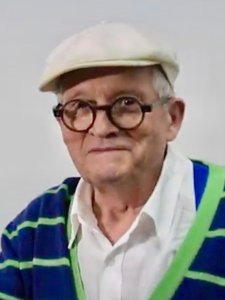
დეივიდ ჰოკნი
1937 - , გაერთიანებული სამეფო
მოკლე ფაქტები
- Artistic Movement Or Style: პოპ-არტი
- Artists Or Movements Influenced By This Artist: ['პოლინ ბოტი']
- Artists Who Influenced This Artist: ['ფრენსის ბეკონი']
- Date Of Birth: 9 ივლისი 1937
- Full Name: დეივიდ ჰოკნი
- Nationality: ბრიტანელი
- Notable Artworks (List Of Titles):
- A Bigger Splash
- Portrait of an Artist
- Place Of Birth (City And Country): ბრედფორდი, გაერთიანებული სამეფო
მსგავსი სტატიები
David Hockney: A Retrospective on Pop Art's Chronicler of Light, Space, and the Everyday
Explore the life & work of David Hockney, Pop Art's master chronicler. Discover his iconic paintings, Californian landscapes, and lasting influence on modern art. Expert analysis for collectors.
Acrylic Paint Guide: Mastering the Versatile Medium of Modern Art through Chemistry and Technique
Master the versatile world of acrylic painting with our expert guide for art students. Explore the chemistry, historical evolution, and advanced techniques—from watercolor-like washes to bold impasto—to elevate your modern artistry and technical skill.
Acrylic on Paper: A Modern Canvas for Contemporary Expression
Explore the versatility of acrylic painting on paper! Discover expert techniques, artist insights & archival practices for creating stunning contemporary art. Learn more at OriginalUniqueArt.
The Art Student’s Definitive Guide to Acrylic Painting: Mastering the World’s Most Versatile Medium
Unlock your creative potential with this expert guide for art students. Master acrylic painting techniques, from fluid washes to textured impasto. Learn about essential brushes, surfaces, and advanced color theory to elevate your fine arts practice with professional precision.
David Bomberg: Reassessing the Pioneering Spirit of Early British Abstraction
Explore the groundbreaking work of David Bomberg, a pivotal figure in British abstraction. Discover his artistic evolution, influences, and lasting legacy through insightful analysis & expert commentary.

