
 ნახვა ინტერьерში
 გაგზავნა
 გაზიარება
 დეტალები
 გზამკვლევი

 ჩამოტვირთვა
 მსგავსები
 რენტგენოგრაფიული კვლევა
 სლაიდშოუ
 Q&A
Q&A სტატისტიკა
Going to the Hayfield


 სრული ტექსტის ნახვა
გიკლე / ხელოვნების პრინტი
მუზეუმის დონის ჟიკლე ან ტილოზე ბეჭდვა სწრაფი წარმოებისა და დასრულების მოქნილი ვარიანტებით. ( შეიძინეთ ხელით შესრულებული ნახატი გადასვლა ციფრულ გამოსახულებაზე)




P118B ₾10

P118H ₾10

P118W ₾10

P438Z ₾10

P508JH ₾12

P508YH ₾12

P805H ₾10

P805Z ₾10

P919BZ ₾10

P919G ₾10

P919XJ ₾10

P959ZH ₾10

P968JZ ₾12

W106C ₾8

W218G ₾10

W218JH ₾8

W218Y ₾10

W307PJ ₾10

W316G ₾10

W316PJ ₾8

W316Y ₾10

W398PJ ₾8

W4111J ₾10

W500HY ₾15

W500JH ₾15

W692G ₾12

W849H ₾8

W940BG ₾15

W953PJ ₾8




აირჩიეთ ჩვენს მიერ წინასწარ განსაზღვრული ზომებიდან, რომლებიც ნაწარმოების ორიგინალურ პროპორციებს შეესაბამება.

შეიყვანეთ თქვენთვის საჭირო სიგანე და სიმაღლე, რათა იგი მოერგოს თქვენს ჩარჩოს ან კედელს. ბეჭდვისას შესაძლებელია მხოლოდ მისი შემცირება და არა გაზრდა, ამიტომ სხვა ფორმის ზომის შემთხვევაში გამოსახულება ნაწილობრივ იკარგება. სანამ რაიმეს დაბეჭდავთ, ჩვენ გამოგიგზავნით ციფრულ მაკეტს დასდასტურებლად. ამ გვერდზე ნაჩვენები სურათი არ ასახავს რეალურ ჭრას — ამას მხოლოდ მაკეტი გვიჩვენებს.
მიწოდება მთელ მსოფლიოში () 2 კვირაში, სტანდარტული 4/5 კვირის ნაცვლად. (31 ოქტომბერი)

უფასო ექსპრეს მიწოდება მთელ მსოფლიოში

მაღალი ხარისხის ტილო

ტრანსპორტირების სრული დაზღვევა

საბაჟო გადასახადების დაბრუნების გარანტია

ფერების სრული შესაბამისობის გარანტია

დაბრუნების 100-დღიანი პერიოდი (მხოლოდ წარმოების დეფექტის შემთხვევაში)

100% თანხის სრული დაბრუნების გარანტია

ფასდაკლება დიდი რაოდენობით შეკვეთისას
 მინის ჩარჩოს არჩევანი ხელმისაწვდომია მხოლოდ 110 სმ-მდე ზომისთვის

Going to the Hayfield
გიკლე / ხელოვნების პრინტი
რეპროდუქციის ზომა
-


ჯამური ღირებულება
₾ 208
A Moment of Rural Tranquility: Exploring David Cox’s “Going to the Hayfield”
David Cox's "Going to the Hayfield," painted in 1849, isn’t merely a landscape; it’s a carefully constructed distillation of Romantic sensibility and a profound connection to the English countryside. This evocative piece, now beautifully reproduced, transports us to a specific moment – a quiet afternoon as figures journey towards a hayfield bathed in the diffused light of an overcast sky. Cox, a pivotal figure bridging the gap between earlier landscape traditions and the burgeoning Impressionism of his time, masterfully captures not just the visual elements but also the atmosphere and emotional resonance of rural life.
Cox’s style is distinctly Romantic, prioritizing mood and feeling over precise detail. He eschews sharp outlines and meticulous rendering in favor of loose, expressive brushstrokes that create a sense of movement and texture throughout the canvas. The painting feels less like a photographic representation and more like an emotional response to the scene – a memory imbued with tranquility and a subtle melancholy. The muted color palette—dominated by earthy greens, browns, and grays punctuated by hints of red in the figures’ clothing—further enhances this atmospheric effect, suggesting a timelessness that transcends any specific date or season.
Composition and Perspective: Framing a Pastoral Scene
The composition is deliberately horizontal, emphasizing the vast expanse of the sky which dominates nearly two-thirds of the canvas. This expansive view immediately establishes a sense of scale and invites the viewer to lose themselves in the landscape. A subtle foreground—a simple fence and patches of foliage—serves as a gentle guide, drawing our eye towards the middle ground where the figures are positioned. The low horizon line reinforces this feeling of openness and amplifies the drama of the sky. Cox skillfully employs atmospheric perspective; distant elements recede into a hazy blue distance, creating an illusion of depth and suggesting the immense scale of the countryside.
The placement of the figures – a small group riding horseback and walking alongside a fence – is crucial to the painting’s narrative. They are not imposing subjects but rather integrated seamlessly within the landscape, representing humanity's quiet interaction with nature. Their presence anchors the scene while simultaneously highlighting its inherent beauty and solitude.
Symbolism and Emotional Resonance: A Reflection of Romantic Ideals
“Going to the Hayfield” is rich in symbolic meaning, reflecting the core tenets of the Romantic movement. The overcast sky, often interpreted as a symbol of introspection or contemplation, lends a subtle melancholy to the scene. It’s not a bright, celebratory landscape; rather, it evokes a sense of quiet reflection and connection to something larger than oneself. The hayfield itself represents abundance and sustenance – a vital element of rural life and a reminder of nature's generosity. Cox’s choice of subject matter—a simple, everyday activity—elevates it to an artistic statement about the beauty and value of the natural world.
Technique and Materials: The Art of Layered Impressionism
Cox’s technique is characterized by a layering of colors applied with loose brushstrokes. He builds up the image gradually, creating a sense of depth and texture through subtle variations in tone and hue. The use of oil paint on canvas allows for rich color saturation and blending—essential to achieving the painting's atmospheric effect. The artist’s deliberate avoidance of sharp lines contributes to the overall feeling of softness and fluidity. It is a testament to Cox’s skill that this seemingly simple landscape feels so profoundly alive, capturing not just what he saw but also how he *felt* about it.
კითხვები და პასუხები
რა გრძნობას გადმოსცემს დეივიდ კოქსი-ის „Going to the Hayfield“?
დეივიდ კოქსი-ის „Going to the Hayfield“-ის დაფიქსირებული განწყობა არის Calm, ხოლო მისი ემოციური ტონი — Tranquil.
როგორ უკავშირდება „Going to the Hayfield“-ის სტილი მისი ავტორის ეპოქას?
"Going to the Hayfield" მიეკუთვნება Romantic Landscape Painting სტილს, მისი ავტორი კი მე-19 საუკუნე ეპოქაში მოღვაწეობდა.
როგორ შემიძლია დეივიდ კოქსი-ის „Going to the Hayfield“-ის ნახვა სლაიდშოუს სახით?
სურათების სლაიდშოუ „Going to the Hayfield“-ის სანახავად ეწვიეთ ნამუშევრის სლაიდშოუ გვერდს.
მხატვრის ბიოგრაფია
დავით კოქსი: ლანდშაფტის ცხოვრება
დავით კოქსი, ინგლისური пейзаჟისტი, რომელმაც XIX საუკუნეში მნიშვნელოვანი კვალი დატოვა ხელოვნების ისტორიაში. მისი შემოქმედება, რომელიც აერთიანებს ემოციურ акварельს და ბრიტანული პროვინციის ნავთობზეთის ფერწერას, დღესაც აღფრთოვანებას вызывает. კოქსი არა მხოლოდ გამოჩენილი მხატვარი იყო, არამედ იმ ეპოქის ერთ-ერთი უმნიშვნელოვანესი წარმომადგენელი, რომელმაც ინგლისური пейзаჟული ხატვის განვითარებაში გადამdetermining როლი ითამაშა.
ადრეული წლები და განათლება
- დავით კოქსი დაიბადა 1783 წლის 29 აპრილს, დერიტენდში (ბირმინგემი), გაერთიანებულ სამეფოში. მისი მამა, მეჭედი და თეთრმუშტი იყო, რომელიც იარაღის წარმოებისთვის ამარაგებდა კომპონენტებს. დედა, ფერმერის ოჯახიდან, განათლებულობით გამოირჩეოდა და ძლიერი ხასიათით სარგებლობდა.
- თავდაპირველად, კოქსი ჩაირიცხა ჯოზეფ ბარბერის აკადემიაში, გრეტ-ჩარლსის ქუჩაში, სადაც გაიცნო მისი თანაკურსელები - ჩარლზ ბარბერი და უილიამ რედკლიფი.
- 15 წლის ასაკში კოქსი შეგირდულობდა ალბერტ ფილდერს, ბირმინგემის მხატვარს, რომელიც პორტრეტ მინიატურებსა და დეკორატიულ ნახატებს სპეციალიზირებული იყო. ამ ადრეულმა მომზადებამ მას საფუძველა უნარები გაუმართლა.
კარიერული განვითარება და მხატვრული მოგზაურობა
- 1904 წელს კოქსი გადავიდა ლონდონში და იქორწნა თავისი მეპატრონის ქალიშვილზე, მერი რაგზე.
- მნიშვნელოვანი მოგზაურობა უელსში 1905 წელს ჩარლზ ბარბერთან ერთად მისი ცხოვრების წყალგამყოფ ხაზი გახდა. ეს მოგზაურობები მის მხატვრულ სტილზე მნიშვნელოვნად паўმოქმედა.
- მისი ადრეული ნამუშევრები დეტალური акварель пейзаჟებს წარმოადგენდნენ, რომლებიც ხშირად სოფლის სცენებს და არქიტექტურულ ობიექტებს ასახავდნენ. იგი რეგულარულად გამოფენდა სამეფო აკადემიაში 1905 წლიდან, თავდაპირველად კი ნახატების მასწავლებლად მუშაობდა.
მხატვრული სტილი და გავლენა
- კოქსის სტილი დროთა განმავლობაში ევოლუცია განვითარდა. მან ზუსტი ტოპოგრაფიული გამოსახულებები უფრო გამოხატვისმოყვარე და ატმოსფერულ მიდგომაზე შეცვალა.
- გავლენა: კონკრეტული გავლენები საკამათოა, თუმცა მის ნამუშევრებში XVII საუკუნის ჰოლანდიელი пейзаჟისტებისადმი სიახლოვე და კონსტაბლის მსგავსი ბუნების დაკვირვება ჩანს.
- მისი ცნობილი გახდა თავისუფალი ფუნჯით ხატვის, მკვეთრი ფერებითა და სინათლისა და ამინდის ეფექტების აღსადგენად. მისი მოგვიანდელი ნავთობზეთის ნახატები განსაკუთრებულად ინოვაციური იყო.
მთავარი მიღწევები და მემკვიდრეობა
- კოქსიმ თავისი კარიერის ბოლოს 300-ზე მეტი ნამუშევი შექმნა, რომელიც დღეს აღიარებულია, როგორც ერთ-ერთი უდიდესი, მაგრამ ნაკლებად ცნობილი მიღწევა ინგლისელი მხატვრისა.
- ის ითვლება ერთ-ერთ უდიდეს ინგლისელ пейзаჟისტად და ინგლისური акваრელის ოქროს ხანის მნიშვნელოვან ფიგურად.
- მისი ნამუშევრებმა მნიშვნელოვნად გავლენა მოახდინა შემდგომ თაობებზე пейзаჟისტი მხატვრებზე.
- შემნიშვნელოვანი ნამუშევრები: ქარი ჭალაში, კოტეჯი ჰერეფორდშირში, სევერნისა და უაის შეერთება ჩეპსტოუს დისტანციაზე და მთვარის пейзаჟი.
ისტორიული მნიშვნელობა
- დავით კოქსი აღიარებულია იმპრესიონიზმის ერთ-ერთ პირველ წინამორბედად. მისმა ამინდის ეფექტების დაფიქსირებისა და თავისუფალი ფუნჯით ხატვის აქცენტმა წინასწარ განსაზღვრა ბევრი ტექნიკა, რომელიც მოგვიანებით იმპრესიონიზმმა მიიღო.
- მისი მნიშვნელოვანი როლი ინგლისური пейзаჟული ხატვის დამოუკიდებელ ჟანრად ჩამოყალიბებაში შევა. მან ბუნების უფრო გამოხატვისმოყვარე და ემოციურ ინტერპრეტირაციებს მიანიჭა უპირატესობა.
- მისი ნამუშევრები დღესაც აღფრთოვანებას вызывает თავისი სილამაზით, მგრძნობელობითა და მარადიული მიმზიდველობით.
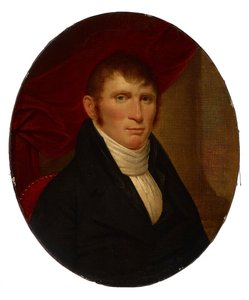
დეივიდ კოქსი
1783 - 1859 , გაერთიანებული სამეფო
მოკლე ფაქტები
- აღსანიშნავი ნამუშევრები:
- The Wind on the Heath
- Cottage in Herefordshire
- გავლენა ვრცელდება: ['იმპრესიონიზმი']
- გავლენის წყაროები: ['ჰოლანდიელი მხატვრები']
- გარდაცვალების თარიღი: 1859
- დაბადების ადგილი: ბირმინგემი, გაერთიანებული სამეფო
- დაბადების თარიღი: 29 აპრილი 1783
- ეროვნება: ბრიტანელი
- სრული სახელი: დეივიდ კოქსი
- ხელოვნების მიმდინარეობა: ინგლისური პეიზაჟი
მსგავსი სტატიები

როμανტიზმის ეპოქის ტენდერება: საუკეთესო 10 შედევრი, რომელმაც განსაზღვრა ლანშაფტური მხატვრობა
აღმოფრთოვანდით რომანტიზმის ეპოქის 10 საუკეთესო ლანშაფტური შედევრით! ტერნერი, კორტო და სხვა მხატვრების ნაწარმოებები. იხილეთ მათი ისტორია და აღმოგეყვინებათ ხელოვნების márgali. შეიძინეთ მაღალი ხარისბის რესტავრაციული ასლები OriginalUniqueArt.com-ზე!

ჯონ კონსტებლის 25 საუკეთესო შედევრი | ხელოვნების რეკრეაციები OriginalUniqueArt-ზე
გაიცანით ჯონ კონსტებლის 25 საუკეთესო შედევრი! ინგლისური პეიზაჟების ისტორია, XIX საუკუნის ხელოვნება და OriginalUniqueArt-ზე ხელოვნების უნიკალური კოლექცია. შეიძინეთ ხარისხიანი რეკრეაციები სახლის დეკორაციისთვის. აღმოაჩინეთ სრულყოფილი შეფერილი ტილოები OriginalUniqueArt.com-ზე!

Watercolor Wonders: 10 Masterpieces That Redefined Art History | OriginalUniqueArt
Journey through 10 legendary watercolor masterpieces by Sargent, Turner & Homer! Explore iconic landscapes, portraits & floral art that redefined history. Find museum-quality reproductions and curated decor ideas at OriginalUniqueArt.com.

David Cox the Elder: Landscape, Light & the Romantic Vision of Rural England
Explore the captivating landscapes of David Cox the Elder, a pivotal figure in British Romanticism. Discover his masterful watercolour techniques, enduring legacy & find timeless art for your home at OriginalUniqueArt.

Ephemeral Visions: Exploring the Artistic Legacy & Contemporary Practice of Watercolor Painting
Explore the captivating world of watercolor painting! Discover its rich history, essential techniques, influential artists & collecting tips. A comprehensive guide for art enthusiasts from OriginalUniqueArt.