

 ნახვა ინტერьерში
 გაგზავნა
 გაზიარება
 დეტალები
 გზამკვლევი

 ჩამოტვირთვა
 მსგავსები
 რენტგენოგრაფიული კვლევა
 სლაიდშოუ
 სტატისტიკა
Il Ramoscello


 სრული ტექსტის ნახვა
გიკლე / ხელოვნების პრინტი
მუზეუმის დონის ჟიკლე ან ტილოზე ბეჭდვა სწრაფი წარმოებისა და დასრულების მოქნილი ვარიანტებით. ( შეიძინეთ ხელით შესრულებული ნახატი გადასვლა ციფრულ გამოსახულებაზე)




P118B ₾10

P118H ₾10

P118W ₾10

P438Z ₾10

P508JH ₾12

P508YH ₾12

P805H ₾10

P805Z ₾10

P919BZ ₾10

P919G ₾10

P919XJ ₾10

P959ZH ₾10

P968JZ ₾12

W106C ₾8

W218G ₾10

W218JH ₾8

W218Y ₾10

W307PJ ₾10

W316G ₾10

W316PJ ₾8

W316Y ₾10

W398PJ ₾8

W4111J ₾10

W500HY ₾15

W500JH ₾15

W692G ₾12

W849H ₾8

W940BG ₾15

W953PJ ₾8




აირჩიეთ ჩვენს მიერ წინასწარ განსაზღვრული ზომებიდან, რომლებიც ნაწარმოების ორიგინალურ პროპორციებს შეესაბამება.

შეიყვანეთ თქვენთვის საჭირო სიგანე და სიმაღლე, რათა იგი მოერგოს თქვენს ჩარჩოს ან კედელს. ბეჭდვისას შესაძლებელია მხოლოდ მისი შემცირება და არა გაზრდა, ამიტომ სხვა ფორმის ზომის შემთხვევაში გამოსახულება ნაწილობრივ იკარგება. სანამ რაიმეს დაბეჭდავთ, ჩვენ გამოგიგზავნით ციფრულ მაკეტს დასდასტურებლად. ამ გვერდზე ნაჩვენები სურათი არ ასახავს რეალურ ჭრას — ამას მხოლოდ მაკეტი გვიჩვენებს.
მიწოდება მთელ მსოფლიოში () 2 კვირაში, სტანდარტული 4/5 კვირის ნაცვლად. (24 ოქტომბერი)

უფასო ექსპრეს მიწოდება მთელ მსოფლიოში

მაღალი ხარისხის ტილო

ტრანსპორტირების სრული დაზღვევა

საბაჟო გადასახადების დაბრუნების გარანტია

ფერების სრული შესაბამისობის გარანტია

დაბრუნების 100-დღიანი პერიოდი (მხოლოდ წარმოების დეფექტის შემთხვევაში)

100% თანხის სრული დაბრუნების გარანტია

ფასდაკლება დიდი რაოდენობით შეკვეთისას
 მინის ჩარჩოს არჩევანი ხელმისაწვდომია მხოლოდ 110 სმ-მდე ზომისთვის

Il Ramoscello
გიკლე / ხელოვნების პრინტი
რეპროდუქციის ზომა
-


ჯამური ღირებულება
₾ 209
A Portrait Steeped in Mystery: Exploring Rossetti’s “Il Ramoscello”
Dante Gabriel Rossetti's "Il Ramoscello," painted in 1865, is not merely a portrait; it’s an immersion into a world of shadowed beauty and potent symbolism. The painting immediately draws the eye to its central figure – a woman with a cascade of vibrant red hair, her gaze directed towards something unseen beyond the canvas's frame. This subtle shift in focus, this suggestion of an ongoing conversation or observation, creates an immediate sense of intrigue, inviting the viewer to become a silent participant in her private world.
Rossetti’s style during this period is distinctly Pre-Raphaelite, and “Il Ramoscello” exemplifies many of the movement's key characteristics. The meticulous detail evident in the rendering of the woman’s dress – a rich, dark green that seems to absorb the light – speaks to the Pre-Raphaelites’ fascination with color and texture. The fabric itself appears almost velvet-like, hinting at wealth and perhaps even a touch of melancholy. Similarly, the snake coiled around her neck is not simply an adornment; it's a deliberate symbol, deeply rooted in medieval and Renaissance iconography. Serpents frequently represented temptation, knowledge, and both life and death – potent themes that resonate powerfully within the painting’s atmosphere.
The Language of Symbolism: Decoding Rossetti’s Vision
The snake, specifically, carries a complex weight of meaning. In medieval bestiaries, snakes were often associated with wisdom and divine knowledge, but also with deceit and danger. Here, its presence around the woman's neck suggests a duality – perhaps representing both alluring beauty and hidden peril. The red hair itself is another significant element; in Rossetti’s work, red frequently symbolized passion, vitality, and even bloodshed. It contributes to the painting’s overall sense of heightened emotion and dramatic intensity.
The background, with its simple chair and undefined space, serves to further isolate the subject, intensifying her presence and drawing our attention entirely to her face and the enigmatic snake. The muted palette – dominated by greens, browns, and hints of crimson – creates a mood of quiet contemplation and restrained emotion. Rossetti masterfully employs light and shadow to sculpt the woman’s features, emphasizing her delicate beauty while simultaneously hinting at an underlying sadness or vulnerability.
A Window into Victorian Aesthetics
"Il Ramoscello" was created during a period of profound social and artistic change in England – the height of the Victorian era. The Pre-Raphaelite Brotherhood, of which Rossetti was a founding member, rejected the academic conventions of the Royal Academy, advocating for a return to the perceived purity and sincerity of art before Raphael. They sought inspiration from medieval literature, mythology, and folklore, often depicting scenes of romance, beauty, and spiritual longing.
Rossetti’s work reflects this broader artistic and intellectual climate. He was deeply influenced by his father's passion for Dante Alighieri, and the echoes of Italian Renaissance art are evident in the painting’s composition and subject matter. “Il Ramoscello” is a testament to Rossetti’s ability to synthesize these diverse influences into a uniquely personal and evocative style.
Bringing “Il Ramoscello” Home: A Reproduction for Collectors
OriginalUniqueArt offers meticulously crafted, hand-painted reproductions of "Il Ramoscello," allowing you to experience the full beauty and emotional depth of this iconic painting. Our artists replicate Rossetti’s intricate details, vibrant colors, and masterful use of light with unparalleled skill. Whether you're a seasoned art collector or simply seeking a stunning piece for your home or office, our reproduction captures the essence of this captivating work. The quality of materials used ensures that the reproduction will last for generations, preserving the beauty and mystery of “Il Ramoscello” for years to come.
Explore our selection of high-resolution reproductions today and bring a touch of Victorian romanticism into your space – a world where beauty, symbolism, and quiet contemplation converge in a single, unforgettable image.
კითხვები და პასუხები
როგორ ერთიანდება მოძრაობა და ეპოქა დანტე გაბრიელ როსსெТті-ის „Il Ramoscello“-ში?
"Il Ramoscello" მიეკუთვნება Pre-Raphaelite Revival სტილს, მისი ავტორი კი მე-19 საუკუნე ეპოქაში მოღვაწეობდა.
რა ფერი დომინირებს დანტე გაბრიელ როსსெТті-ის „Il Ramoscello“ კომპოზიციაში?
Putty (#eddea9) არის დანტე გაბრიელ როსსெТті-ის „Il Ramoscello“-ის დომინანტური ფერი.
შეიძლება თუ არა "Il Ramoscello" შეძენა როგორც მხატვრული პრინტი?
დანტე გაბრიელ როსსெТті-ის „Il Ramoscello“-ის პრინტი შეგიძლიათ პირდაპირ მისი ხელოვნების მაღალი ხარისხის ბეჭედი გვერდიდან შეუკვეთოთ: ხელოვნების მაღალი ხარისხის ბეჭდური ბამბის ტილოს ან საარქივო ტილოს ქაღალდის ბაზაზე.
მხატვრის ბიოგრაფია
A Life Immersed in Beauty: The World of Dante Gabriel Rossetti
Dante Gabriel Rossetti, born Gabriel Charles Dante Rossetti in 1828 London, was a figure profoundly shaped by the currents of his time—a Romantic spirit blossoming into the Victorian era. His lineage itself hinted at the artistic destiny that awaited him; his father, an Italian political refugee and scholar of Dante Alighieri, instilled within young Gabriel a deep reverence for literature and the arts. This early exposure, coupled with a mother who nurtured his intellectual curiosity, laid the foundation for a life dedicated to creative expression. Though initially considering a clerical career, Rossetti’s true calling lay in the realm of aesthetics—a path he would forge as a poet, illustrator, and, most notably, a painter whose works continue to captivate audiences today. His formative years were steeped in the literary giants of his age – Shakespeare, Dickens, Scott, Byron – all contributing to a rich imaginative landscape that would later define his artistic vision.The Pre-Raphaelite Rebellion and Artistic Awakening
Rossetti’s name is inextricably linked with the Pre-Raphaelite Brotherhood, a revolutionary movement he co-founded in 1848 alongside William Holman Hunt and John Everett Millais. This wasn't merely an artistic shift; it was a rebellion against the perceived artificiality of academic painting prevalent at the time. The Brotherhood sought to return to the detailed realism, vibrant colors, and spiritual intensity found in Italian and Flemish art *before* the High Renaissance – hence “Pre-Raphaelite.” This meant rejecting the idealized forms and conventional compositions favored by the Royal Academy, instead embracing a meticulous observation of nature and a commitment to truthful representation. Rossetti’s early works, such as *The Girlhood of Mary Virgin*, exemplify this dedication, showcasing an almost photographic level of detail alongside symbolic imagery drawn from religious texts. However, Rossetti's contribution extended beyond technical skill; he brought a distinctly literary sensibility to the group, often choosing subjects inspired by poetry and mythology. The Brotherhood’s manifesto wasn’t just about *how* to paint, but *what* to paint – focusing on themes of morality, spirituality, and beauty with an intensity that challenged Victorian sensibilities. He championed the idea that art should aspire to moral elevation, mirroring the humanist ideals of Renaissance thinkers like Petrarch and Erasmus. The Brotherhood's rejection of academic conventions was fueled by a conviction that true artistic expression demanded honesty and sincerity—values antithetical to the polished surfaces of Royal Academy canvases.Evolving Styles: Symbolism, Sensuality, and the Female Muse
As Rossetti’s career progressed, his artistic style underwent a fascinating evolution. While initially adhering to the strict tenets of Pre-Raphaelite realism, he gradually moved towards more symbolic and dreamlike imagery. His paintings became increasingly infused with sensuality, exploring themes of love, loss, and spiritual longing with an emotional depth that resonated deeply with audiences. This shift was partly influenced by his personal life, particularly his complex relationships with the women who served as his models and muses – Elizabeth Siddal, Fanny Cornforth, and Jane Morris. These women weren’t merely passive subjects; they embodied a particular aesthetic ideal for Rossetti—often depicted with flowing red hair, melancholic expressions, and an air of enigmatic beauty. Paintings like *Proserpine* are prime examples of this later style, showcasing his mastery of symbolism and his ability to evoke a sense of otherworldly allure. The rich colors, dramatic lighting, and evocative poses all contribute to the painting’s haunting atmosphere. He also began to seamlessly blend poetry and visual art, often writing sonnets to accompany his paintings, creating a unified artistic experience that engaged both the eye and the mind. *Behold the handmaid of the Lord! (The Annunciation)* is a testament to this integrated approach. Rossetti's exploration of psychological depth—a hallmark of Symbolist art—represented a significant departure from Victorian conventions. He sought to capture not just outward appearances but also inner emotions, delving into realms of subconscious desire and spiritual contemplation.Major Achievements and Artistic Legacy
Rossetti achieved considerable renown during his lifetime as both a poet and painter. His poems explored themes of mythology, religion, and eroticism with unparalleled sensitivity—capturing the complexities of human experience with lyrical prose and evocative imagery. He established himself as one of the foremost illustrators of his era, producing stunning depictions for works by Tennyson, Dante Gabriel Rossetti Blake and Chaucer. His paintings garnered critical acclaim and cemented his reputation as a visionary artist whose work continues to inspire admiration. Notable among his masterpieces are *The Tempest*, *Ecstasy*, *Sleeping Beauty*, and *Venus Disarmed*, each demonstrating his exceptional skill in capturing mood and emotion through color and composition. Rossetti’s influence extended far beyond the Pre-Raphaelite movement, shaping the aesthetic sensibilities of subsequent generations of artists—including William Morris and Edward Burne-Jones. He championed a radical vision of art as a vehicle for spiritual transformation—a conviction that resonated deeply with the intellectual currents of his time. His enduring legacy lies in his unwavering commitment to beauty, emotion, and imaginative exploration—values that continue to inspire artists and audiences alike.Historical Significance: Challenging Victorian Norms
Dante Gabriel Rossetti’s artistic endeavors were inextricably linked to a broader cultural transformation—the rise of Aestheticism and Symbolism in Victorian Britain. He challenged prevailing social conventions by advocating for artistic freedom and prioritizing emotional experience over material comfort. His refusal to conform to academic standards represented a courageous assertion of individuality—a stance that resonated with those seeking alternatives to the restrictive moral codes of the Victorian era. Rossetti’s work served as a catalyst for debate about the role of art in society—provoking discussions about beauty, morality, and spiritual truth. He remains an important figure in understanding not only the history of art but also the complex intellectual landscape that shaped 19th-century British culture—a period marked by anxieties about modernity and a yearning for transcendent experience. His unwavering belief in the power of imagination—a conviction that foreshadowed developments in Surrealism and Expressionism—solidified his place as one of the most influential artists of his time.
დანტე გაბრიელ როსსெТті
1828 - 1882 , ინგლისი
მოკლე ფაქტები
- Artistic Movement Or Style: Прерафаелітське мистецтво
- Artists Who Influenced This Artist:
- Джон Кідс
- Вілліям Блейк
- Date Of Birth: 12 травня 1828 р.
- Date Of Death: 9 квітня 1882 р.
- Full Name: Дантэ Габріэль Россетти
- Nationality: Британський
- Notable Artworks:
- Просерпіна
- Іоанна Архітекта
- Король Рена і його дружина
- Place Of Birth: Лондон, Велика Британія
მსგავსი სტატიები

დანტე გაბრიელ როსეტის 25 შედევრი: სახვითი ხელოვნების ისტორია თქვენს ინტერიერში | OriginalUniqueArt
აღმოაჩინეთ დანტე გაბრიელ როსეტის 25 შედევრი! პრერაფაელიტური სტილის, სიმბოლიზმისა და რომანტიკული ხატვის ისტორია. შეიძინეთ უმაღლესი ხარისხის ტილოების რეკონსტრუქციები OriginalUniqueArt-ზე და გაამდიდრეთ თქვენი ინტერიერი ხელოვნების ნივთებით. Explore the full collection online!

Crimson Threads of Narrative: Exploring Symbolism & Representation in Artworks Featuring the Red Dress
Explore the rich symbolism of the red dress in art history! From ancient power displays to iconic portraits like Cézanne’s 'Madame Cezanne', discover the cultural and artistic significance behind this captivating color. Expert analysis & insights.
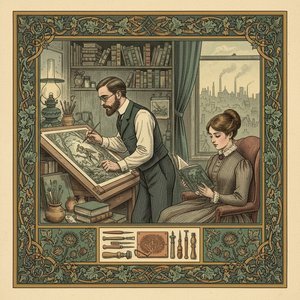
The Refined Aesthetic of Victorian Illustration: A Study in Narrative & Technique
Explore the captivating world of Victorian illustration! Discover Pre-Raphaelite influences, key artists like Rossetti & Stephens, and the era's rich narrative detail. A deep dive for art enthusiasts.

მარკ როთკოს 25 საუკეთესო შედევრი: ფერების სიმღერა თქვენს სახლში | OriginalUniqueArt.com
აღმოაჩინეთ მარკ როთკოს 25 საუკეთესო შედევრი! გაიგეთ აბსტრაქტული ექსპრესიონიზმის ისტორია, ფერების სიმღერა და მათი გავლენა თანამედროვე ხელოვნებაზე. ხარისხიანი რეპროდუქციები OriginalUniqueArt.com-ზე. Explore the full collection online!

The Verdant Gaze: Victorian Naturalism & the Aesthetic Revolution in Art
Explore the captivating world of Victorian Naturalism & the Pre-Raphaelite movement! Discover Rossetti, Burne-Jones & more iconic artists. Expert analysis & high-quality reproductions at OriginalUniqueArt.


