
 წინასწარი ნახვა
 გაგზავნა
 გაზიარება
 დეტალები

 ჩამოტვირთვა
 მსგავსები
 რენტგენოგრაფიული კვლევა
 სლაიდშოუ
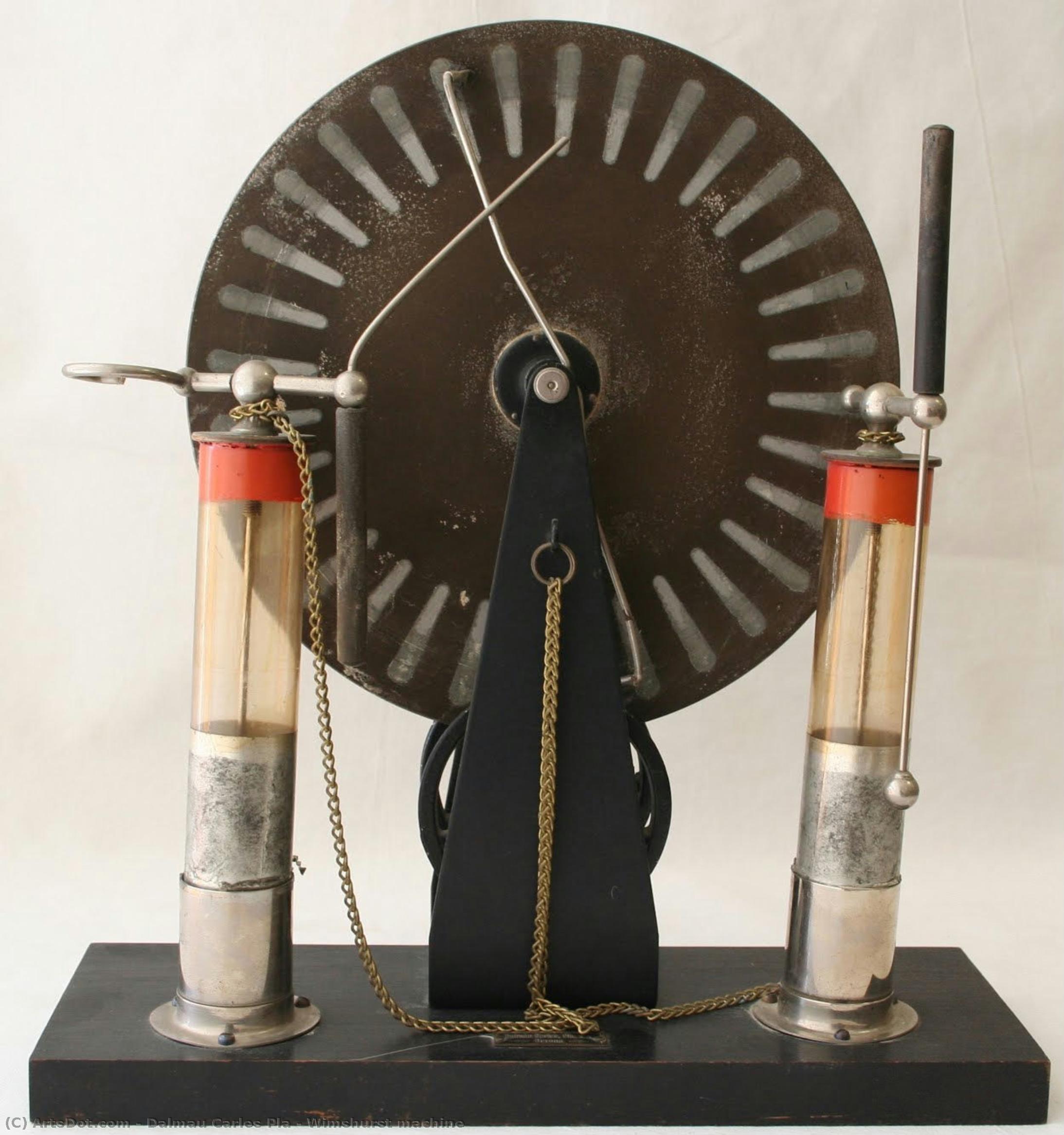
Wimshurst machine
 5.0 x 17.0 cm
 Museo Pedagógico de Aragón
 გადასართად დაწვრილებით ნახეთ
ხელით ნაკვეთი ზეთის ტილოს რეპროდუქცია
ტილოზე შესრულებული ფერწერიანი ზეთប្រდათი, თქვენთვის სასურველი ზომისა და ჩარჩოსთვის, ჩვენი ხელოვანების მიერ შეკვეთის საფუძველზე დამზადებული. ( გადართვა ბეჭდვაზე გადართვა სურათზე)




































აირჩიეთ ჩვენს მიერ წინასწარ განსაზღვრული ზომებიდან, რომლებიც ნაწარმოების ორიგინალურ პროპორციებს შეესაბამება.

თქვენ შეგიძლიათ მიუთითოთ თქვენთვის სასურველი ზომები კონკრეტული ჩარჩოს ან სივრცის შესაბამისად. თუ თქვენ მიერ არჩეული ზომა არ შეესაბამება ორიგინალი გამოსახულების პროპორციებს, ჩვენ ან შევაჭრებთ ნაწარმოებს, ან ტილოზე დავამატებთ ხელით მოხატულ ელემენტებს. წარმოების დაწყებამდე, დამტკიცებისთვის გამოგეგზავნებათ ციფრული მაკეტი.
გთხოვთ, გაითვალისწინოთ, რომ ეკრანზე ნაჩვენები წინასწარი შეხედულება არ ასახავს რეალურ შეჭრას ან გაფართოებას. საბოლოო კომპოზიციას ზუსტად მხოლოდ მაკეტი წარმოაჩენს.
მიუხედავად იმისა, რომ შესაძლებელია ინდივიდუალური ზომების შერჩევა, ორიგინალური პროპორციების შენარჩუნებისათვის გირჩევთ, გამოიყენოთ წინასწარ განსაზღვრული სიის ზომები.
შეკვეთის შემდეგ, OriginalUniqueArt.com გუნდი დაგიკავშირდებათ ელექტრონული ფოსტით ინსტრუქციებისთვის და გამოგიგზავნით წინასწარ ნახაზს (mockup).
მიწოდება მსოფლიო მასშტაბით -ში 3/4 კვირაში, სტანდარტული 5 კვირის ნაცვლად. (9 აგვისტო). ხარისხზე კომპრომისის გაკეთება არ მოხდება.

უფასო ექსპრეს მიწოდება მთელ მსოფლიოში

საბამად მაღალი ხარისხის ტილო

სრული ტრანსპორტირების დაზღვევა

საბაჟო გადასახადების დაბრუნების გარანტია

ფერების სრული შესაბამისობის გარანტია

60-დღიანი დაბრუნების პოლიტიკა (მხოლოდ დეფექტის შემთხვევაში)

100% თანხის დაბრუნების გარანტია

ფასდაკლება დიდი რაოდენობით შეკვეთისას
 მინის ჩარჩოს არჩევანი ხელმისაწვდომია მხოლოდ 110 სმ-ზე ნაკლები ზომისთვის

Wimshurst machine
რეკლამაციის ტექნიკა
რეკლამაციის ზომა
-


საბოლოო ფასი
$ 300
ნაწარმოების აღწერა
მხატვრის ბიოგრაფია
Salvador Dalí: A Surrealist Visionary
Born in Figueres, Catalonia, Spain, on May 11, 1904, Salvador Dalí was more than just a painter; he was a provocateur, an iconoclast, and arguably the most recognizable figure of the Surrealist movement. His life, marked by eccentricity, meticulous technique, and a profound fascination with the subconscious, continues to captivate audiences nearly a century after his death in 1989. From humble beginnings—the son of a notary and a devout Catholic—Dalí’s artistic journey was shaped by a complex interplay of influences, including the Renaissance masters, Cubism, and, crucially, Sigmund Freud's theories on psychoanalysis.
Early education at the Real Academia de Bellas Artes de San Fernando in Madrid provided Dalí with a formal grounding in classical art. However, it was his encounter with the avant-garde movements of the time, particularly Cubism’s fragmentation of form and Surrealism's exploration of dreams and irrationality, that truly ignited his creative spirit. He quickly embraced the latter, joining the group in 1929 and becoming a key figure in its dissemination. This shift wasn’t merely stylistic; it represented a deliberate rejection of rational thought and an embrace of the hidden depths of the human psyche.
The Development of a Unique Style
Dalí's artistic style is instantly recognizable, characterized by meticulous detail, hyperrealism, and a dreamlike quality. He wasn’t interested in simply depicting reality; he sought to translate the illogical world of dreams into tangible form. His paintings are populated with bizarre juxtapositions—melting clocks, elongated figures, ants crawling on melting cheese – all rendered with astonishing precision. This meticulousness was not born of a desire for photographic accuracy but rather a deliberate attempt to capture the fleeting and unstable nature of subconscious imagery.
Influenced by Freud’s work on dream interpretation, Dalí developed his own personal iconography—the double images, the melting forms, the ants representing decay, and the eggs symbolizing birth. These recurring motifs became integral to his artistic language, allowing him to explore themes of mortality, desire, anxiety, and the irrationality of human experience. His famous “persistence of memory,” for example, isn’t just a depiction of time; it's a visual representation of the subjective nature of time itself, as experienced within the realm of dreams.
Major Works and Surrealist Connections
Dalí’s most celebrated work, *The Persistence of Memory* (1931), cemented his place in art history. The drooping clocks, draped over a barren landscape, immediately became an iconic symbol of surrealism—a visual representation of the fluidity of time and the subjective nature of reality. Other significant works include *Swans Reflecting Elephants* (1937), a complex double image that exemplifies his technique of creating multiple meanings within a single composition; *Galatea of the Spheres* (1952), a celebration of beauty and mathematical precision; and *Christ of Saint John of the Cross* (1951), a powerful meditation on faith and suffering.
Dalí’s involvement with Surrealism extended beyond his paintings. He collaborated with Luis Buñuel on several films, most notably *Un Chien Andalou* (1929) and *L'Age d'Or* (1930), which pushed the boundaries of cinematic expression and challenged conventional narrative structures. These collaborations further solidified his reputation as a visionary artist who refused to be confined by traditional artistic conventions.
Legacy and Historical Significance
Salvador Dalí’s impact on 20th-century art is undeniable. He not only helped to popularize Surrealism but also influenced countless artists across various disciplines—film, fashion, advertising, and design. His distinctive style, characterized by its meticulous detail and dreamlike imagery, continues to resonate with audiences today. Dalí’s work serves as a potent reminder of the power of the subconscious mind and the importance of exploring the irrational aspects of human experience.
Beyond his artistic achievements, Dalí's flamboyant personality and provocative behavior ensured that he remained a constant source of fascination for the media and the public. He was a master of self-promotion, cultivating an image as both genius and eccentric—a duality that contributed significantly to his enduring legacy. Salvador Dalí remains one of the most recognizable and influential artists of the 20th century, a true pioneer in the realm of Surrealism.

dalmau carles pla
1904 - 1983 , Spain
მოკლე ინფორმაცია
- Artistic Movement Or Style: Surrealism
- Artists Or Movements Influenced By This Artist:
- Picasso
- Breguet
- Artists Who Influenced This Artist:
- Cubism
- Dada
- Impressionism
- Date Of Birth: May 11, 1904
- Date Of Death: January 23, 1989
- Full Name: Salvador Felipe Jacinto Dalí i Domènech
- Nationality: Spanish
- Notable Artworks:
- The Persistence of Memory
- Galatea of the Spheres
- Dream Caused by the Flight of a Bee
- Place Of Birth: Figueres, Catalonia, Spain

