

 ნახვა ინტერьерში
 გაგზავნა
 გაზიარება
 დეტალები
 გზამკვლევი

 ჩამოტვირთვა
 მსგავსები
 რენტგენოგრაფიული კვლევა
 სლაიდშოუ
 სტატისტიკა
Roman Ruins
 Oil
Oil- WallArt
- Dutch Golden Age
 1620
1620- Early Modern
 23.0 x 31.0 cm
 სრული ტექსტის ნახვა
ხელით შესრულებული ზეთის საღებავით რეპროდუქცია
ტილოზე შესრულებული ფერწერიანი ზეთប្រდათი, თქვენთვის სასურველი ზომისა და ჩარჩოსთვის, ჩვენი ხელოვანების მიერ შეკვეთის საფუძველზე დამზადებული. ( გადართვა ბეჭდვის რეჟიმზე გადასვლა ციფრულ გამოსახულებაზე)




P118B ₾10

P118H ₾10

P118W ₾10

P438Z ₾10

P508JH ₾12

P508YH ₾12

P805H ₾10

P805Z ₾10

P919BZ ₾10

P919G ₾10

P919XJ ₾10

P959ZH ₾10

P968JZ ₾12

W106C ₾8

W218G ₾10

W218JH ₾8

W218Y ₾10

W307PJ ₾10

W316G ₾10

W316PJ ₾8

W316Y ₾10

W398PJ ₾8

W4111J ₾10

W500HY ₾15

W500JH ₾15

W692G ₾12

W849H ₾8

W940BG ₾15

W953PJ ₾8




აირჩიეთ ჩვენს მიერ წინასწარ განსაზღვრული ზომებიდან, რომლებიც ნაწარმოების ორიგინალურ პროპორციებს შეესაბამება.

შეიყვანეთ თქვენთვის საჭირო სიგანე და სიმაღლე, რათა ნახატი მოერგოს თქვენს ჩარჩოს ან კედელს. ვინაიდან ეს ნამუშევარი ხელით არის შესრულებული, სხვა ფორმის ზომის შემთხვევაში, მხატვარმა შესაძლოა სურათის გარშემო ოდნავ მეტი დატოვოს ან შეამციროს — არჩევანი თქვენზეა. დაწყებამდე, დასამტკიცებლად, ჩვენ გამოგიგზავნით ციფრულ მაკეტს. ამ გვერდზე ნაჩვენები სურათი არ ასახავს რეალურ შედეგს — რეალური სახე მხოლოდ მაკეტზე ჩანს.
შეკვეთის შემდეგ, OriginalUniqueArt.com გუნდი დაგიკავშირდებათ ელექტრონული ფოსტით ინსტრუქციებისთვის და გამოგიგზავნით წინასწარ ნახაზს (mockup).
მიწოდება მსოფლიო მასშტაბით -ში 3/4 კვირაში, სტანდარტული 5 კვირის ნაცვლად. (24 ოქტომბერი). ხარისხზე კომპრომისის გაკეთება არ მოხდება.

უფასო ექსპრეს მიწოდება მთელ მსოფლიოში

მაღალი ხარისხის ტილო

ტრანსპორტირების სრული დაზღვევა

საბაჟო გადასახადების დაბრუნების გარანტია

ფერების სრული შესაბამისობის გარანტია

დაბრუნების 100-დღიანი პერიოდი (მხოლოდ წარმოების დეფექტის შემთხვევაში)

100% თანხის სრული დაბრუნების გარანტია

ფასდაკლება დიდი რაოდენობით შეკვეთისას
 მინის ჩარჩოს არჩევანი ხელმისაწვდომია მხოლოდ 110 სმ-მდე ზომისთვის

Roman Ruins
რეპროდუქციის ტექნიკა
რეპროდუქციის ზომა
-


ჯამური ღირებულება
₾ 782
A Window into Antiquity: The Timeless Allure of Roman Ruins
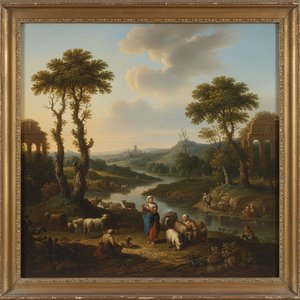
In the delicate, circular embrace of this exquisite tondo, Cornelis van Poelenburgh invites us to step through a portal into a bygone era. Painted around 1620, Roman Ruins is far more than a mere depiction of architectural decay; it is a profound meditation on the passage of time and the enduring relationship between humanity and the remnants of greatness. The composition, framed by its characteristic round format, focuses our gaze upon a landscape where the grandeur of the Roman Empire has softened into a pastoral sanctuary. Within this intimate space, the heavy stone arches and crumbling pillars serve as silent witnesses to history, now providing a backdrop for the quiet, rhythmic pulse of rural life.
The scene unfolds with a masterful use of light and shadow, reminiscent of the Dutch Golden Age's obsession with atmospheric truth. As we gaze upon the foreground, we encounter a world in gentle motion: a shepherd tending his flock, a laborer with his oxen, and figures caught in quiet contemplation. These small-scale inhabitants of the landscape bring a sense of warmth and vitality to the otherwise somber ruins. The artist employs a subtle, earthy palette—rich ochres, muted greens, and soft umbers—to weave a tapestry of textures that feels both tactile and ethereal. The hazy, overcast sky suggests the fleeting light of dawn or dusk, casting a melancholic yet peaceful glow over the entire vista, evoking a sense of nostalgia for a lost civilization.
The Mastery of the Italianate Style
Cornelis van Poelenburgh was a pivotal figure in the first generation of Dutch landscape painters who found profound inspiration in Italy. His travels to Rome allowed him to infuse his Northern training with the classical elegance of the Mediterranean. In Roman Ruins, we see this synthesis perfected. The technique is characterized by an incredible attention to detail; every crack in the ancient masonry and every distant bird in flight is rendered with a precision that draws the viewer deeper into the frame. This meticulousness does not feel clinical, however, but rather serves to enhance the three-dimensional depth of the scene, making the archway feel like a real threshold through which one might walk.
For the discerning collector or interior designer, this piece offers a unique emotional resonance. It possesses a "Caravaggesque" drama tempered by a serene, pastoral tranquility. The symbolism of the ruins—representing the inevitable cycle of rise and fall—is balanced by the resilience of the natural world and the simplicity of the human spirit. Such a work is an ideal centerpiece for a sophisticated interior, providing a conversational focal point that inspires reflection. Whether placed in a sunlit study or a grand gallery, this reproduction captures a moment of eternal stillness, offering any space it inhabits a touch of historical majesty and poetic grace.
კითხვები და პასუხები
ვინ შექმნა "Roman Ruins" და რომელ წელს?
"Roman Ruins" შექმნილია კორნელის ვან პულენბურგი-ის მიერ 1620 წელს.
რა არის გამოსახული კორნელის ვან პულენბურგი-ის „Roman Ruins“-ში?
კორნელის ვან პულენბურგი-ის „Roman Ruins“-ში წარმოდგენილი თემები მოიცავს figures, sheep, cow, archway, ruins, trees, birds, earth tones-ს. ისინი ერთობლიობაში შეჯამებენ ნამუშევრის შინაარსს.
რამდენად მკვეთრია „Roman Ruins“-ის ფერები?
კორნელის ვან პულენბურგი-ის „Roman Ruins“ ფერები გამოირჩევა Muted გაჯერებულობით და Balanced ინტენსივობით.
მხატვრის ბიოგრაფია
ადრეული ცხოვრება და სწავლება
კორნელიუს ვან პულენბურგი, ჰოლანდიის გამორჩეული პეიზაჟისტი, 1594 წელს ნიდერლანდებში, უტრეხტში დაიბადა. მისი შემოქმედებითი გზა იმ დროის სახელოვან ხელოვანს, აბრაამ ბლუმაერტს სწავლობდა, რამაც საფუძველი ჩაუყარა ვან პულენბურგის მომავალ დიდ წარმატებას.კარიერა და გავლენები
XVII საუკუნის დასაწყისში ვან პულენბურგის მოგზაურობამ რომში უდიდესი გავლენა მოახდინა მის შემოქმედებაზე, რითაც იგი იტალიაში მოღვაწრე ჰოლანდიელი პეიზაжистов პირველი თაობის ერთ-ერთ წამყვან წარმომადგენლად აქცია. მისი მცირე ფორმატის ტილოები, რომლებიც ხშირად ასახავს იტალიურ სტილში შესრულებულ ლამაზ პეიზაჟებს ბიბლიური თუ მითოლოგიური სცენებით, მის უნიკალურ სტილს წარმოაჩენდა. შესამჩნევი ნამუშევრები:- სატირები ნიმფებზე თვალთვალისას (1627 წლის შემდგომი პერიოდი), ვან პულენბურგის შემოქმედების დამახასიათებელი ნიმუში, რომელიც ასახავს არქაულ ლანდშაფტს მომღვაწე ფიგურებით. (ნახეთ OriginalUniqueArt-ზე)
- ღმერთთა საბჭო (დაახლ. 1630 წელი), ტილო, რომელიც გვიჩვენებს ვან პულენბურგის იდეალიზებულ მთიან ლანდშაფტს და რომაული სტილის ქალღმერთებს; ნამუშევარი დღეს მურიტჰაუსის (ჰააგა, ნიდერლანდები) მუზეუმში ინახება. (ნახეთ OriginalUniqueArt-ზე)
მემკვიდრეობა და გვიანი წლები
ვან პულენბურგის შემოქმედება დიდ აღფრთოვანებას იწვევდა მისი თანამედროვეების შორის, მათ შორის ტოსკანის დიდ გერმანელსა და ჰოლანდიის სტადჰაუტერში. მოგვიანებით იგი უტრეხტში დაბრუნდა, სადაც 1667 წელს გარდაიცვალა, თავისი ძველი მასწავლებლის, აბრაამ ბლუმაერტის გარდაცვალებიდან სულ რამდენიმე წელიწადში. ძირითადი ფაქტები:- დაიბადა უტრეხტში, ნიდერლანდებში, 1594 წელს
- სწავლობდა აბრაამ ბლუმაერტის ხელმძღვანელობით
- შემოქმედებაზე დიდი გავლენა მოახდინა რომში გატარებულმა წლებმა
- ცნობილია მცირე ფორმატის იტალიური სტილის პეიზაჟებით და ფიგურული სცენებით
- გარდაიცვალა უტრეხტში, 1667 წელს ნახეთ კორნელიუს ვან პულენბურგის ნამუშევრები OriginalUniqueArt-ზე გაიგეთ მეტი კორნელიუს ვან პულენბურგის შესახებ Wikipedia-ზე

კორნელის ვან პულენბურგი
1594 - 1667 , ნიდერლანდები
მოკლე ფაქტები
- Artistic Movement Or Style: დაბლندური პეიზაჟი, რომანული სტილი
- Artists Or Movements Influenced By This Artist: ['კლოდ ლორენი']
- Artists Who Influenced This Artist: ['აბრაამ ბლოემერტი']
- Date Of Birth: 1594, უტრექტი, ნიდერლანდები
- Date Of Death: 1667, უტრექტი, ნიდერლანდები
- Full Name: კორნელის ვან პულენბურგი
- Nationality: დაბლანდელი
- Notable Artworks:
- სატირები, რომლებიც ნიმფებს თვალს უსწორებენ
- ღმერთთა საბჭო
- Place Of Birth: უტრექტი, ნიდერლანდები
მსგავსი სტატიები

Golden Light & Dutch Skies: The Timeless Magic of Dutch Golden Age Landscapes
Discover the breathtaking beauty of Dutch Golden Age landscapes. Explore the mastery of light, chiaroscuro, and 17th-century realism through an expert art history lens, celebrating the enduring legacy of the Dutch Masters for discerning collectors and art lovers.

Golden Age Reflections: Dutch Baroque Painting & Cultural Innovation
Explore the Dutch Golden Age of painting! Discover key artists like Vermeer & ter Borch, their innovative techniques, and the rich cultural context behind these Baroque masterpieces. Learn about collecting & appreciating this iconic art period.

Mastering Light & Shadow: A Journey Through the Dutch Golden Age's Luminous Legacy
Embark on a cultural journey through the Dutch Golden Age. Explore the masterful interplay of light and shadow in 17th-century masterpieces, from Rembrandt to Vermeer, and discover how this era of profound realism continues to inspire fine art collectors today.

ჰოლანდიის ოქროს ხანა: 10 შედევრი, რომელმაც განსაზღვრა ხელოვნება
აღმოფრთოვანდით ჰოლანდიის ოქროს ხანას! 10 შედევრი რემბრანტის, ვერმეერის და სხვა დიდებულებისგან. ითვლით ხელოვნების ისტორიას, აღმოაჩინეთ მათი ტექნიკები და შეიძინეთ музейური ხარისხის რეპროდუქციები OriginalUniqueArt.com-ზე!
Nicolaes Berchem: Dutch Golden Age Pastoralism & the Evolution of Landscape Painting
Explore the captivating world of Nicolaes Berchem, a leading Dutch Golden Age painter. Discover his idyllic landscapes, masterful technique & lasting influence on art history. Learn more at OriginalUniqueArt.