
 წინასწარი ნახვა
 გაგზავნა
 გაზიარება
 დეტალები
 გზამკვლევი

 ჩამოტვირთვა
 მსგავსები
 რენტგენოგრაფიული კვლევა
 სლაიდშოუ
 კითხვა-პასუხი
 სტატისტიკა
Cows in the Field

- 93.0 x 75.0 cm


 გააგრძელეთ კითხვა
გიკლე / ხელოვნების პრინტი
მუზეუმის დონის ჟიკლე ან ტილოზე ბეჭდვა სწრაფი წარმოებისა და დასრულების მოქნილი ვარიანტებით. ( შეიძინეთ ხელით შესრულებული ნახატი გადართვა ციფრულ გამოსახულებაზე)




P118B ₾10

P118H ₾10

P118W ₾10

P438Z ₾10

P508JH ₾12

P508YH ₾12

P805H ₾10

P805Z ₾10

P919BZ ₾10

P919G ₾10

P919XJ ₾10

P959ZH ₾10

P968JZ ₾12

W106C ₾8

W218G ₾10

W218JH ₾8

W218Y ₾10

W307PJ ₾10

W316G ₾10

W316PJ ₾8

W316Y ₾10

W398PJ ₾8

W4111J ₾10

W500HY ₾15

W500JH ₾15

W692G ₾12

W849H ₾8

W940BG ₾15

W953PJ ₾8




აირჩიეთ ჩვენს მიერ წინასწარ განსაზღვრული ზომებიდან, რომლებიც ნაწარმოების ორიგინალურ პროპორციებს შეესაბამება.

შეიყვანეთ თქვენთვის საჭირო სიგანე და სიმაღლე, რათა გამოსახულებამ თქვენს ჩარჩოს ან კედელს ზუსტად მოერგოს. ბეჭდვისას შესაძლებელია მხოლოდ მისი შემცირება და არა გაზრდა, ამიტომ სხვა ფორმის ზომის შემთხვევაში სურათი ნაწილობრივ იკარგება. სანამ რაიმეს დაბეჭდავთ, ჩვენ გამოგიგზავნით ციფრულ მაკეტს დასდასტურებლად. ამ გვერდზე ნაჩვენები სურათი არ ასახავს რეალურ ჭრას — ამას მხოლოდ მაკეტი გვიჩვენებს.
მიწოდება მთელ მსოფლიოში () 2 კვირაში, სტანდარტული 4/5 კვირის ნაცვლად. (11 ნოემბერი)

უფასო ექსპრეს მიწოდება მთელ მსოფლიოში

მაღალი ხარისხის ტილოს ქსოვილი

ტრანსპორტირების სრული დაზღვევა

საბაჟო გადასახადების დაბრუნების გარანტია

ფერების სრული შესაბამისობის გარანტია

დაბრუნების 100-დღიანი პოლიტიკა (მხოლოდ დეფექტის შემთხვევაში)

100% თანხის სრული დაბრუნების გარანტია

ფასდაკლება დიდი რაოდენობით შეკვეთისას
 მინის ჩარჩოს არჩევანი შესაძლებელია მხოლოდ 110 სმ-მდე ზომისთვის

Cows in the Field
გიკლე / ხელოვნების პრინტი
რეპროდუქციის ზომა
-


საბოლოო ღირებულება
₾ 210
A Pastoral Vision: Constant Troyon’s “Cows in the Field”
Constant Troyon's "Cows in the Field," painted in 1852, isn’t merely a depiction of livestock grazing; it’s a carefully constructed tableau of rural tranquility imbued with the spirit of the Barbizon school. This oil on canvas transports us to a sun-drenched meadow, where three cows – one prominent on the left, another centrally positioned, and a third gracefully occupying the right side – engage in the simple act of being. The scene unfolds against a backdrop of gently rolling hills and a scattering of mature trees, their branches reaching skyward like benevolent guardians. The painting’s power lies not just in its subject matter but in Troyon's masterful handling of light and color, creating an atmosphere of profound peace and connection to the natural world.
Troyon, born in Seville, Spain, and trained initially as a decorator at the prestigious Sèvres porcelain manufactory, embarked on a journey that ultimately led him away from meticulous ornamentation towards the expansive landscapes he so brilliantly captured. His early years instilled within him an appreciation for detail and precision, yet it was his travels throughout France – particularly his exposure to the Dutch masters like Cuyp and Potter – that truly shaped his artistic vision. He sought to emulate their ability to render light and atmosphere with remarkable immediacy, moving away from academic formality towards a more direct and emotionally resonant approach.
The Barbizon School: A Return to Nature
“Cows in the Field” is a quintessential example of the Barbizon school’s philosophy. Rejecting the studio-bound techniques favored by earlier generations, Barbizon artists like Troyon sought inspiration directly from nature, often painting *en plein air* – outdoors. This commitment resulted in paintings characterized by loose brushwork, vibrant colors, and an emphasis on capturing the fleeting effects of light and weather. The Barbizon movement represented a deliberate rebellion against the rigid conventions of the Salon system, prioritizing authenticity and emotional expression over technical perfection.
Troyon’s technique is particularly evident in his use of color. He employs a palette of warm ochres, greens, and blues to evoke the golden light of late afternoon. The cows themselves are rendered with a remarkable sense of volume and texture, their coats appearing almost tactile as they blend seamlessly into the surrounding landscape. Notice how he uses subtle gradations of tone to create depth and perspective, drawing the viewer’s eye effortlessly across the scene.
Symbolism and Emotional Resonance
Beyond its technical merits, “Cows in the Field” resonates with a quiet sense of symbolism. The cows themselves represent abundance, fertility, and the cyclical rhythms of rural life. Their peaceful grazing suggests a harmony between humanity and nature – a theme that was particularly important to the Barbizon artists. The painting’s overall mood is one of serenity and contentment, inviting the viewer to pause and appreciate the simple beauty of the natural world.
Furthermore, Troyon's choice of subject matter—a commonplace scene of rural life—elevates it through his artistic skill. He transforms a familiar image into something profoundly moving, capturing not just what he sees but also the feeling of being immersed in this tranquil landscape. The painting speaks to a longing for connection with nature and a recognition of its enduring value.
A Timeless Reproduction
Today, “Cows in the Field” continues to captivate audiences with its timeless beauty and emotional resonance. Reproductions like those offered by Oceansbridge allow us to experience this masterpiece firsthand, bringing its serene atmosphere into our homes and offices. Whether you’re an art enthusiast, a collector seeking to enrich your collection, or simply someone looking for a piece of art that evokes feelings of peace and tranquility, Troyon's "Cows in the Field" is a truly exceptional choice.
კითხვები და პასუხები
ზოგადად, რამდენად ნათელია "Cows in the Field"?
აღქმული სიკაშკაშის თვალსაზრისით, კონსტანტ ტროიონი-ის „Cows in the Field“ არის balanced.
როგორ აბალანსებს "Cows in the Field" სინათლესა და სიმბნელეს?
„Cows in the Field“-ის საერთო სიკაშკაშე არის balanced, ხოლო მისი განათება — Gentle Luminance.
გამოიყენებს თუ არა კონსტანტ ტროიონი-ის „Cows in the Field“ მკვეთრ კონტრასტებს თუ რბილ ჰარმონიებს?
კონსტანტ ტროიონი-ის „Cows in the Field“-ის ფერული კომპოზიცია აერთიანებს Statement კონტრასტს და Unified Palette ჰარმონიას.
მხატვრის ბიოგრაფია
ადრეული ცხოვრება და განათლება
კონსტანტ ტროიონი დაიბადა 1810 წელს სევრში, საფრანგეთში. მისი ადრეული წლები მჭიდროდ იყო დაკავშირებული ოჯახის კავშირებთან სევრის ფაიფურის ქარხანასთან. როგორც მამამისი, ასევე დედამისი იქ მუშაობდნენ, რაც ხელოვნების ღირსებას უზრუნველყოფდა მის გარემოში. მან თავდაპირველად დაიწყო როგორც ქარხნის ორნამენტატორი და ფაიფურის მოხატულობაში სიზუსტე და დეტალებზე მჭიდრო ყურადღება მიაქცია, რაც შემდგომში გავლენა იქონია მის ხატვის სტილზე. 21 წლის ასაკში ტროიონი ქვეყნის მასშტაბით მოგზაურობას დაიწყო და ფინანსების საშუალებებისამებრ თავდაპირველად ლანდშაფტის ხატვას მიეძინა. ამ მოგზაურობებმა მას უნიკალური გამოცდილება და გარემოს მრავალფეროვნება შესთავაზა. როდესაც ფული არ ჰქონდა, ის ფაიფურის ორნამენტაციას უბრუნდებოდა, რაც მის მხატვრულ მისწრაფებებს ეხმარებოდა. მან კამილ როკეპლანის ხელმძღვანელობა მიიღო, რომელმაც მას წარჩინებული ბარბიზონის მხატვრები გააცნო, როგორიცაა რუსოსი და ჟიულ დიუპრე. თავდაპირველად მათ სტილზე გავლენის ქვეშ მოვიდა, მაგრამ ტროიონმა საბოლოოდ საკუთარი უნიკალური ხმა შექმნა.ხატვის განვითარება და ჰოლანდიური გავლენა
მნიშვნელოვანი მომენტი კონსტანტ ტროიონის მხატვრულ განვითარებაში 1846 წელს ნიდერლანდებში მოგზაურობის დროს დაფიქსირდა. პაულუს პოტერის "ახალგაზრდა ხარის" და კუიპისა და რემბრანდის შედევრით შთაგონებული, მან გადავიდა ცხოველების ხატვასა და თავისი ნამდვილი მოწოდების აღმოჩენაზე. ამ გამოცდილებამ მნიშვნელოვანი ცვლილება შეიტანა მის სტილში, რაც მთლიანად ლანდშაფტის ხატვისგან ცხოველების ბუნებრივ გარემოში გამოსახულებამდე გადაიზარდა. ჰოლანდიელი ოსტატების რეალიზმზე და ცხოველების არსის აღსადგენად მიდრეკილობამ ტროიონის მხატვრული ხედვა ჩამოაყალიბა.ხატვის სტილი და მემკვიდრეობა
ტროიონის ნამუშევები ავთენტურობით გამოირჩევა, ცხოველების ბუნებრივ, დინამიკურ მდგომარეობაში წარმოჩენილი იყო. მან შეეცადა აღეწერა არა მხოლოდ მათი ფიზიკური გარეგნობა, არამედ ხასიათი და ქცევაც. კრიტიკოსმა ალბერტ ვოლფმა ტროიონის გარდამავლითი სტილი აღნიშნა, ცხოველებში სიცოცხლის ჩასაბერად და მომხიბლავი ლანდშაფტის შექმნის უნარისათვის. მიუხედავად მნიშვნელოვანი წარმატებებისა, ტროიონი საკუთარი მიღწევების მიმართ გარკვეულ სკეპტიციზმს გამოავლენდა, რაც თავმდაბალი და ინტროსპექტიული ბუნების ასახვა იყო. მან მთელი კარიერის განმავლობაში მრავალი ჯილდო მიიღო, მათ შორის საპატიო ლეგიონი და პარიზის სალონის ხუთი მედალი, რაც მის ნიჭზე ფართოდ აღიარებას მოწმობს. ნაპოლეონ III იყო მისი კლიენტელა, რამაც მისი რეპუტაცია იმ დროის წამყვან მხატვრად გაამყარა. სამწუხაროდ, წარმატებამ ტროიონის ფსიქიკურ ჯანმრთელობაზე გავლენა მოახდინა და 1865 წელს გარდაიცვალა არასტაბილური პერიოდების შემდეგ.აღსანიშნავი ნამუშევრები და მუდმივი გავლენა
უმეტესად მისი ცნობილი ნამუშევრები 1850-დან 1864 წლამდეა, ხოლო ადრეული ნამუშევრები ნაკლებ მნიშვნელოვანია, რადგან ისინი ჰოლანდიური სტილის მიდრეკილობამდე არსებულ პერიოდს განეკუთხება. მისი მემკვიდრეობა მოიცავს ტროიონის პრიზს ცხოველების ხატვისთვის École des Beaux Arts-ში, რომელიც მისმა დედამ შექმნა მისი ხსოვნის საპატიებლად და მომავალი მხატვრების წახალისებისთვის. მნიშვნელოვანი ნამუშევრები შეგიძლიათ იხილოთ მსოფლიოს პრესტიჟულ გალერეებში, მათ შორის უოლას გალერეაში (გლაზგო), ლუვრში და მეტროპოლიტენის ხელოვნების მუზეუმში. "Vallée de la Toucque, Normandy" არის მისი გენიალობის მაგალითი, რაც ლანდშაფტის სილამაზისა და მის ცხოველთა მკვიდრი ენერგიის აღსადგენად უნარს წარმოაჩენს. მან შემდგომმა მხატვრებმაც იგრძნეს გავლენა, როგორიცაა ემილ ვან მარკე, რაც მისი მხატვრული ხედვის მუდმივი გავლენის დადასტურებაა.კავშირი ბარბიზონის სკოლასთან
ტროიონი იყო ბარბიზონის სკოლის მნიშვნელოვანი წევრი, საფრანგეთის ლანდშაფტის მხატვრების ჯგუფი, რომლებსაც უპირველესად გარე გარემოში ხატვა და ბუნებრივი სცენების რეალისტურად აღწერა უყვარდათ. ბარბიზონის სკოლამ პირდაპირი დაკვირვებაზე აქცენტი გააკეთა და ეცადა სოფლის ცხოვრების არსის აღსადგენად, რაც აკადემიურ ხელოვნობაში გავრცელებულ იდეალიზებულ გამოსახულებებს ეწინააღმდეგებოდა. მიუხედავად იმისა, რომ ტროიონი თავდაპირველად სხვა ბარბიზონის მხატვრების სტილს მიჰყვებოდა, მისმა უნიკალურმა ნიჭმა ცხოველების ხატვისთვის ჯგუფში გამოარჩია.
კონსტანტ ტროიონი
1810 - 1865 , საფრანგეთი
მოკლე ინფორმაცია
- Artistic Movement Or Style: ბარბიზონის სკოლა
- Artists Or Movements Influenced By This Artist: ['Émile van Marcke']
- Artists Who Influenced This Artist:
- Paulus Potter
- Aelbert Cuyp
- Rembrandt
- Date Of Birth: 28 აგვისტო 1810
- Date Of Death: 21 თებერვალი 1865
- Full Name: Constant Troyon
- Nationality: ფრანგი
- Notable Artworks:
- Vallée de la Toucque...
- Watering Cattle
- Cattle in Stormy...
- Place Of Birth: Sèvres, საფრანგეთი
დაკავშირებული სტატიები

Evocations of Place: A Historical Journey Through Landscape Art
Explore the rich history of landscape art with OriginalUniqueArt. Discover renowned artists, movements like Impressionism & Romanticism, and expert guidance for collecting timeless pieces. Find your perfect serene escape today!

ჯონ კონსტებლის 25 საუკეთესო შედევრი | ხელოვნების რეკრეაციები OriginalUniqueArt-ზე
გაიცანით ჯონ კონსტებლის 25 საუკეთესო შედევრი! ინგლისური პეიზაჟების ისტორია, XIX საუკუნის ხელოვნება და OriginalUniqueArt-ზე ხელოვნების უნიკალური კოლექცია. შეიძინეთ ხარისხიანი რეკრეაციები სახლის დეკორაციისთვის. აღმოაჩინეთ სრულყოფილი შეფერილი ტილოები OriginalUniqueArt.com-ზე!

Evocations of Place: A Historical Journey Through Landscape Art
Explore the rich history of landscape art with OriginalUniqueArt. Discover renowned artists, movements like Impressionism & tonalism, and expert guidance for collecting timeless pieces. Find your perfect serene escape today!
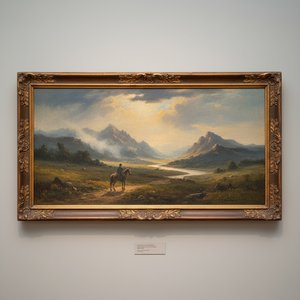
Anthony Vandyke Copley Fielding: Rediscovering a Master of Romantic Landscape
Discover the captivating landscapes of Anthony Vandyke Copley Fielding, a master of Romantic watercolour painting. Explore his life, technique, and legacy with OriginalUniqueArt – your source for museum-quality art reproductions & expert appraisal.

როμανტიზმის ეპოქის ტენდერება: საუკეთესო 10 შედევრი, რომელმაც განსაზღვრა ლანშაფტური მხატვრობა
აღმოფრთოვანდით რომანტიზმის ეპოქის 10 საუკეთესო ლანშაფტური შედევრით! ტერნერი, კორტო და სხვა მხატვრების ნაწარმოებები. იხილეთ მათი ისტორია და აღმოგეყვინებათ ხელოვნების márgali. შეიძინეთ მაღალი ხარისბის რესტავრაციული ასლები OriginalUniqueArt.com-ზე!