Baroque · 1611
Still Life with Nuts, Candy and Flowers (კლარა პიტერსი, 1611)
კლარა პიტერსი (1587–1657)-მა შექმნა Still Life with Nuts, Candy and Flowers. დათარიღებულია 1611 წლით. ის Baroque მიძღვნილ სტილს მიეკუთვნება. შესრულებულია Oil On Panel-ით. ნახატი დაცულია პრადოს მუზეუმი-ში, მადრიდი, ესპანეთი-ში. ზომა: 52 × 73 cm
- 1611
- Oil On Panel
- 52 × 73 cm
- პრადოს მუზეუმი, მადრიდი

 წინასწარი ნახვა

 ხელით ნაკletი ზეთწერილი
 გაგზავნა
 გაზიარება
 საინფორმაციო ფურცელი


 ჩამოტვირთვა
 მსგავსები
 რენტგენოგრაფიული კვლევა
 სლაიდშოუ
 კითხვა-პასუხი

 სტატისტიკა
Still Life with Nuts, Candy and Flowers, მოკლედ
- სათაური
- Still Life with Nuts, Candy and Flowers
- ხატველი
- კლარა პიტერსი (1587–1657)
- ხატვის წელი და ადგილი
- ანტვერპენი, ბელგია
- თარიღი
- 1611
- ტექნიკა
- Oil On Panel
- ზომები
- 52 × 73 cm
- სად ნახავთ
- პრადოს მუზეუმი, მადრიდი, ესპანეთი
- მიმდინარეობა
- Baroque
- ეპოქა
- Early Modern
- სუბიექტი
- food, flowers, fruit, bowl, candlelight, luxury
რა არის გამოსახული Still Life with Nuts, Candy and Flowers-ში?
A Sensory Feast: The Opulence of Clara Peeters
In the quiet intimacy of a seventeenth-century tabletop, Clara Peeters invites us into a world where the mundane is elevated to the magnificent. Still Life with Nuts, Candy and Flowers is not merely a depiction of food; it is a masterclass in sensory storytelling. As one gazes upon this 1611 masterpiece, the eye is immediately drawn to the lush, tactile abundance of the arrangement. Polished bowls overflow with an assortment of nuts, while delicate candies and vibrant fruits—apples and oranges—rest alongside elegant glassware. There is a profound sense of weight and texture here; one can almost feel the rough shell of a walnut against the smooth, cool surface of a silver platter or the delicate, ephemeral softness of a flower petal. Peeters captures a moment of suspended animation, where the sweetness of life is presented in all its colorful, decadent glory.
The painting serves as a breathtaking window into the Baroque era, a period defined by its dramatic flair and intense realism. Moving away from the rigid, geometric constraints of earlier Mannerist traditions, Peeters embraces an asymmetrical composition that feels organic and alive. This deliberate lack of strict symmetry creates a dynamic energy, guiding the viewer’s gaze in a wandering, exploratory path across the table. The interplay of light and shadow—the hallmark of the Baroque style—is utilized with surgical precision. Light dances across the sheen of polished metal and the translucent skin of fruit, while deep, velvety shadows provide a sense of depth and mystery, grounding the vibrant colors in a space that feels both tangible and atmospheric.
Technique and the Art of Observation
To behold this work is to witness the extraordinary technical prowess of a true pioneer. Executed with oil on panel, Peeters employed sophisticated glazing techniques to build layers of luminous color, allowing light to penetrate the paint and reflect from within, much like the natural glow of ripe fruit. Her ability to render different materials—the glint of a wine glass, the matte surface of a nut, the organic texture of a potted plant—demonstrates an obsessive devotion to verisimilitude. Every brushstroke is subservient to the goal of absolute realism, making this piece a triumph of observational skill. For the collector or interior designer, such a work offers more than just decoration; it provides a focal point of profound complexity that rewards prolonged contemplation.
Beyond its physical beauty, the painting whispers of deeper, more contemplative themes. In the tradition of the Dutch ontbijtjes (breakfast pieces), such arrangements often functioned as subtle meditations on the fleeting nature of pleasure and the passage of time. The abundance of the feast stands in a delicate balance with the inherent fragility of the flowers and the perishable nature of the food. This tension between abundance and decay creates an emotional resonance that transcends the centuries, offering a poignant reminder to cherish the sensory richness of the present moment. It is this marriage of exquisite craftsmanship and soulful depth that makes Peeters’ vision an enduring inspiration for those seeking to bring a sense of history, elegance, and narrative weight into a contemporary space.
რომელ მუზეუმში ინახება Still Life with Nuts, Candy and Flowers?
პრადოს მუზეუმი
მადრიდი, ესპანეთი
The History of Museo del Prado The origins of the Museo del Prado are tied to the Royal Collection of Spain, tracing back to the 18th century. What began as a vision for a Natural History Cabinet under Ferdinand VII eventually shifted toward a dedicated sanctuary for painting and sculpture. This transition transformed a scientific endeavor into a repository for the Spanish Crown's most significant treasures.


Still Life with Nuts, Candy and Flowers-ის მაღალი გარ Auflხ resolución-ის გამოსახულებები

საჯარო საკუთრება: მხატვარი გარდაიცვალა 1657 წელს.
სხვა ზომები, კადრისრები და ციტირება →კლარა პიტერსი, Still Life with Nuts, Candy and Flowers (1611).
კლარა პიტერსი (1587–1657), Still Life with Nuts, Candy and Flowers, 1611, oil on panel, პრადოს მუზეუმი, მადრიდი, ესპანეთი. საჯარო საკუთრება გამოსახულება: OriginalUniqueArt.com.
კითხვები Still Life with Nuts, Candy and Flowers-ზე, პასუხები
რომელი მუზეუმი ინახავს ორიგინალ "Still Life with Nuts, Candy and Flowers"-ს?
კლარა პიტერსი-ის „Still Life with Nuts, Candy and Flowers“ წარმოდგენილია პრადოს მუზეუმი, მადრიდი, ესპანეთი-ში. მუზეუმის აღწერილობა ეხება ორიგინალ ნამუშევარს და არა რეპროდუქციებს.
რა წელში შეიქმნა "Still Life with Nuts, Candy and Flowers"?
კლარა პიტერსი-ის „Still Life with Nuts, Candy and Flowers“ შეიქმნა 1611 წელს.
რა მასალისგან არის შესრულებული კლარა პიტერსი-ის „Still Life with Nuts, Candy and Flowers“?
კლარა პიტერსი-ის „Still Life with Nuts, Candy and Flowers“-ის მასალა არის Oil On Panel. რეპროდუქციების მიზანია ამ ტექნიკის ვიზუალური მხარის ზუსტი გადმოცემა.
რა ზომისაა კლარა პიტერსი-ის „Still Life with Nuts, Candy and Flowers“ რეალურ ცხოვრებაში?
ორიგინალის ზომა „Still Life with Nuts, Candy and Flowers“-ისთვის არის 52 x 73 cm. ორიგინალის ზომები სასარგებლო ინფორმაციაა რეპროდუქციის ზომის შერჩევისას.
რა არის გამოსახული კლარა პიტერსი-ის „Still Life with Nuts, Candy and Flowers“-ში?
კლარა პიტერსი-ის „Still Life with Nuts, Candy and Flowers“-ში წარმოდგენილი თემები მოიცავს food, flowers, fruit, bowl, candlelight, luxury, texture, composition-ს, რაც ერთობლიობაში ასახავს ნამუშევრის შინაარსს.
არის თუ არა "Still Life with Nuts, Candy and Flowers" საავტორო უფლებებისგან თავისუფალი?
ავტორული უფლებების სტატუსი ნამუშევრისთვის კლარა პიტერსი-ის „Still Life with Nuts, Candy and Flowers“: ნამუშევარი არის საჯარო საკუთრებაშია — საავტორო უფლებები ამოწდა. ეს განსაზღვრავს, შესაძლებელია თუ არა გამოსახულების რეპროდუქციის თავისუფლად წარმოება.
რომელ ხელოვანს მიეწერება "Still Life with Nuts, Candy and Flowers"?
ნამუშევრის „Still Life with Nuts, Candy and Flowers“ ავტორი არის კლარა პიტერსი. ნამუშევარი დატრიალებულია კლარა პიტერსი-ის სახელით.
რომელ სტილს მიეკუთვნება "Still Life with Nuts, Candy and Flowers"?
კლარა პიტერსი-ის „Still Life with Nuts, Candy and Flowers“-თან დაკავშირებული ხელოვნების მიმდინარეობა არის Baroque. ეს კლასიფიკაცია ნამუშევარს მსგავს ხელოვანთა და ქსნეულობათა წრეში ათავსებს.
კლარა პიტერსი-ის შემოქმედების რომელი პერიოდის ნაწილია "Still Life with Nuts, Candy and Flowers"?
"Still Life with Nuts, Candy and Flowers" წარმოადგენს კლარა პიტერსი-ის შემოქმედებით პერიოდს: Mature Period.
მხატვრის შესახებ, კლარა პიტერსი

1587–1657, ბელგია
კლარა პიტერსი
კლარა პეტრსი: დच ნატურმორტის პიონერი კლარა პეტრსი (1594-1657-ის შემდგომი) მეჩვიდმეტე საუკუნის ფლამენდური ხელოვნების გამორჩეულ ფიგურად აღფხვნილია — ის ერთ-ერთი პირველი აღიარებული ქალი მხატვარია, რომელმაც თავისი ნამუშევრებით დutch „ოქროს ხანაში“ დასაბუთებული ადგილი დაიმკვიდრა. მიუხედავად იმ სოციალური ბარიერებისა, რაც იმ პერიოდში ქალთა ხელოვნულ განათლებასა და გილდიებში გაწევას მკაცრად ზღუდავდა, პეტრსმა შეძლო არაჩვეულებრივი კარიერის შექმნა. მისი შემოქმედება გამოირჩევა მეტსახოვნე დეტალებით, ინოვაციური კომპოზიციური სტრატეგიებითა და ყოველდღიურობის — განსაკუთრებით კი საკვების — ტექსტურებისა და ნიუანსების დაჭერის არაჩვეულებრივი ნიჭით. მისი მემკვიდრე დღემდე შთაგონების წყაროდ რჩება მკვლევრებისა და ხელოვანებისთვის, რომლებიც ცდილობენ გაუმკლავდნენ კითხვებს მის იდენტობასთან, განათლებასთან და მისი შემოქმედებითი ნამუშევრების ბუნებრივ იდუმალებასთან დაკავშირებით.
კლარა პიტერსი-ის შესახებ კლარა პიტერსი-ის გამორჩეული ნამუშევრები
ასევე კლარა პიტერსი-ის მიერ შექმნილი სხვა ნამუშევრები
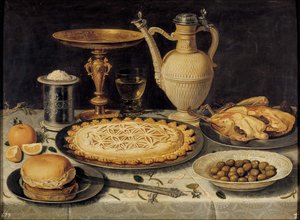 Table with Orange, Olives and Pie1611
 Still Life with Cheeses, Artichoke, and Cherries1625
 Madonna And Child Within A Floral Wreath1621
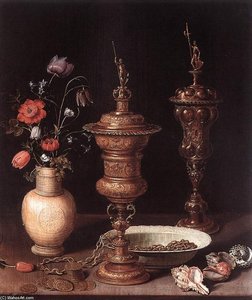 Still-Life with Flowers and Goblets1612

ესეები Still Life with Nuts, Candy and Flowers-ის შესახებ
 Luminous Vessels: The Transcendent Art of the Bottle in Impressionist Still LifeExplore how Impressionist masters captured light through glass and bottles. Discover the magic of light and texture today.
 18th century Dutch paintersJan van Huysum completed Flowers and Fruit in 1723. Compare his botanical precision with the maritime works of Willem van de Velde the Youn…
 Master of Abundance: The Top 25 Essential Artworks by Frans SnydersBorn in 1579, Snyders trained under Pieter Brueghel the Younger. Count the twenty-five works that define his Baroque mastery of texture and…