

 ნახვა ინტერьерში
 გაგზავნა
 გაზიარება
 დეტალები
 გზამკვლევი

 ჩამოტვირთვა
 მსგავსები
 რენტგენოგრაფიული კვლევა
 სლაიდშოუ
 სტატისტიკა
მიწის ნარგავების მოსავალი
 ზეთი ტილოზე
- კედლის დეკორი
- Barbizon School
 1851
1851- მე-19 საუკუნე
 196.0 x 135.0 cm
 Musée d'Orsay
 სრული ტექსტის ნახვა
გიკლე / ხელოვნების პრინტი
მუზეუმის დონის ჟიკლე ან ტილოზე ბეჭდვა სწრაფი წარმოებისა და დასრულების მოქნილი ვარიანტებით. ( შეიძინეთ ხელით შესრულებული ნახატი გადასვლა ციფრულ გამოსახულებაზე)




P118B ₾10

P118H ₾10

P118W ₾10

P438Z ₾10

P508JH ₾12

P508YH ₾12

P805H ₾10

P805Z ₾10

P919BZ ₾10

P919G ₾10

P919XJ ₾10

P959ZH ₾10

P968JZ ₾12

W106C ₾8

W218G ₾10

W218JH ₾8

W218Y ₾10

W307PJ ₾10

W316G ₾10

W316PJ ₾8

W316Y ₾10

W398PJ ₾8

W4111J ₾10

W500HY ₾15

W500JH ₾15

W692G ₾12

W849H ₾8

W940BG ₾15

W953PJ ₾8




აირჩიეთ ჩვენს მიერ წინასწარ განსაზღვრული ზომებიდან, რომლებიც ნაწარმოების ორიგინალურ პროპორციებს შეესაბამება.

შეიყვანეთ თქვენთვის საჭირო სიგანე და სიმაღლე, რათა იგი მოერგოს თქვენს ჩარჩოს ან კედელს. ბეჭდვისას შესაძლებელია მხოლოდ მისი შემცირება და არა გაზრდა, ამიტომ სხვა ფორმის ზომის შემთხვევაში გამოსახულება ნაწილობრივ იკარგება. სანამ რაიმეს დაბეჭდავთ, ჩვენ გამოგიგზავნით ციფრულ მაკეტს დასდასტურებლად. ამ გვერდზე ნაჩვენები სურათი არ ასახავს რეალურ ჭრას — ამას მხოლოდ მაკეტი გვიჩვენებს.
მიწოდება მთელ მსოფლიოში () 2 კვირაში, სტანდარტული 4/5 კვირის ნაცვლად. (26 ოქტომბერი)

უფასო ექსპრეს მიწოდება მთელ მსოფლიოში

მაღალი ხარისხის ტილო

ტრანსპორტირების სრული დაზღვევა

საბაჟო გადასახადების დაბრუნების გარანტია

ფერების სრული შესაბამისობის გარანტია

დაბრუნების 100-დღიანი პერიოდი (მხოლოდ წარმოების დეფექტის შემთხვევაში)

100% თანხის სრული დაბრუნების გარანტია

ფასდაკლება დიდი რაოდენობით შეკვეთისას
 მინის ჩარჩოს არჩევანი ხელმისაწვდომია მხოლოდ 110 სმ-მდე ზომისთვის

მიწის ნარგავების მოსავალი
გიკლე / ხელოვნების პრინტი
რეპროდუქციის ზომა
-


ჯამური ღირებულება
₾ 208
Charles-François Daubigny’s “Harvest”: A Symphony of Rural Tranquility
Charles-François Daubigny’s “Harvest” (1851) stands as an emblem of the Barbizon School, a movement that championed direct observation of nature and rejected academic conventions. More than just a depiction of a wheat field bathed in sunlight—though undeniably beautiful—it embodies a profound philosophical stance: to capture the essence of existence through unfiltered perception.
- The Artist’s Vision: Daubigny, deeply influenced by Eugène Delacroix and captivated by the Italian landscapes he explored during his formative years, sought to portray rural life with uncompromising honesty. He rejected idealized representations in favor of capturing the subtle nuances of light and atmosphere—a cornerstone of Impressionism’s burgeoning influence.
- A Landscape Painted Outdoors: Unlike artists confined to studio walls, Daubigny undertook his monumental task entirely en plein air, immersing himself in the Provençal countryside. This commitment to direct observation is palpable in every brushstroke, conveying a sense of immediacy and spontaneity that distinguishes Barbizon art from its predecessors.
- Composition & Technique: The horizontal orientation dominates the canvas, emphasizing the vastness of the wheat field stretching towards the horizon. Daubigny skillfully employs both horizontal and vertical lines to establish stability while simultaneously guiding the viewer’s gaze across the scene. Thick impasto—a technique characterized by applying paint in textured layers—creates a palpable physicality, mirroring the rugged beauty of the landscape itself.
Symbolism Within Tranquility: The Essence of Harvest
“Harvest” transcends mere visual representation; it speaks to deeper themes of abundance, labor, and humanity’s connection with the natural world. The golden wheat stalks symbolize fertility and prosperity—a celebration of the cycle of life and death inherent in agriculture.
- The Figure in Red: A solitary figure dressed in a vibrant red hat punctuates the composition, serving as a focal point that draws attention to the human element amidst the pastoral expanse. The color red traditionally signifies passion, vitality, and courage—suggesting resilience and optimism even within moments of quiet contemplation.
- Light & Atmosphere: Daubigny’s masterful manipulation of light is paramount to conveying the artwork's emotional impact. Soft, diffused sunlight illuminates the wheat field, casting gentle shadows that heighten depth and create a sense of serenity. This atmospheric perspective—a technique pioneered by Barbizon artists—captures the ephemeral beauty of nature, reminding us of its fleeting grandeur.
Daubigny’s Legacy: A Precursor to Impressionism
“Harvest” represents a pivotal moment in art history—a decisive break from academic formalism and an embrace of Impressionistic principles. Daubigny's pioneering approach paved the way for artists like Monet and Renoir, who would revolutionize painting with their focus on capturing fleeting impressions of light and color.
- Influence on Impressionism: The Barbizon School’s emphasis on plein air painting—working outdoors directly from nature—directly influenced the Impressionist movement. Artists such as Monet and Renoir adopted Daubigny's techniques, prioritizing observation over meticulous detail to convey the sensory experience of a particular moment in time.
- A Timeless Masterpiece: “Harvest” continues to resonate with audiences today because it embodies an enduring humanist ideal—a reverence for beauty found in simplicity and a recognition of the profound interconnectedness between humanity and the natural environment. Its enduring appeal testifies to Daubigny’s genius as a landscape painter and his contribution to the artistic canon.
Detailed Analysis: Color Palette & Texture
Daubigny's color palette is dominated by earthy tones—greens, browns, yellows—that evoke the textures of soil, grass, and wheat. However, he introduces splashes of vibrant reds and blues—primarily in the figure’s hat and sky—to create visual contrast and heighten emotional intensity.
- Impasto Technique: The thick impasto technique—applying paint in textured layers—is particularly evident in the depiction of the wheat stalks. This tactile quality imbues the artwork with a palpable physicality, mirroring the rugged beauty of the Provençal countryside.
- Glazing Layers: Daubigny employs glazing techniques—thin translucent layers of pigment applied over previous coats—to build up color depth and luminosity. These subtle gradations of tone contribute to the overall atmospheric perspective, enhancing the artwork’s sense of realism and tranquility.
Reproductions & Interior Design Inspiration
"Harvest" is an ideal addition to any art collection or interior space seeking a touch of serene beauty. High-quality reproductions capture Daubigny's masterful rendering of light and texture, bringing the essence of Barbizon landscape painting into your home.
კითხვები და პასუხები
როგორ შეიძლება შარლ-ფრანსუა დობინი-ის „მიწის ნარგავების მოსავალი“ გამოყენებული იქნას სახლის დეკორში?
შარლ-ფრანსუა დობინი-ის „მიწის ნარგავების მოსავალი“-ისთვის რეკომენდებულია (დასვენება) გამოყენება და (მისაღები ოთახი) სივრცე.
სად არის რეკომენდებული "მიწის ნარგავების მოსავალი"-ის განთავსება, მისი პალიტრის გათვალისწინებით?
ნეიტრალური ტონები ფერების გათვალისწინებით, „მიწის ნარგავების მოსავალი“ რეკომენდებულია მისაღები ოთახი-ისთვის.
არის თუ არა "მიწის ნარგავების მოსავალი" საავტორო უფლებებისგან თავისუფალი?
შარლ-ფრანსუა დობინი-ის „მიწის ნარგავების მოსავალი“ არის საჯარო საკუთრებაშია - მისი საავტორო უფლებები ამოწდა. ეს სტატუსი განსაზღვრავს, თუ როგორ შეიძლება ნამუშევრის გამოსახულების რეპროდუცირება.
მხატვრის ბიოგრაფია
ჩარლზ-ფრანსუა დობინის ცხოვრება და შემოქმედება: ატმოსფერული იმპრესიონიზმის პიონერი
ჩარლზ-ფრანსუა დობინი, რომელიც დაიბადა 1817 წელს პარიზში, მხატვრული ტრადიციების მდიდარი ოჯახიდან წარმოიშვა – მისი მამა, Edmé François Daubigny და ბიძა, Pierre Daubigny, ორივე მხატვარი, ადრეულ მომზადებაში საფუძველს აყალიბებდნენ. თუმცა, ახალგაზრდა ჩარლზი სწრაფად შეეცადა საკუთარი გზის forging, აკადემიური შეconstraints-დან გადახვევა და ბუნებასთან უფრო პირდაპირი კავშირის დამყარება. მისი პირველი შესწავლა Paul Delaroche-თან ტექნიკურ უნარებს აძლევდა, მაგრამ 1836 წელს იტალიაში მოგზაურობამ, რომელიც დამოუკიდებლად Henri Mignan-თან ერთად განხორციელდა, ნამდვილად გაანძრიალა მისი მხატვრული ხედვა. ამ გამოცდილებამ მასში ღრმა appreciation landscape-ის მიმართ ჩამოყალიბა და სურვილი გაუჩნდა მისი არსების აღcapture არა როგორც იდეალიზებული სცენა, არამედ როგორც ცოცხალი, სუნთქავი সত্তা. პარიზში დაბრუნებულმა დობინიმ კომერციულ სამუშაოს – წიგნების ილუსტრირება და დეკორატიული პანელები – თავისი მზარდი passion plein air ხატვისთვის გაა均衡ა, რაც მის კარიერას განსაზღვრავდა. ის იყო Rue des Amandiers-Popincourt-ის მხატვრული საზოგადოების წევრი, რომელიც თანამშრომლობას და ახალი მიდგომების საერთო შესწავლას ხელს უწყობდა.ბარბიზონის წრე და ბუნებასთან სიახლოვე
დობინის მხატვრული ტრაექტორიამ გადამწყვეტი turning point 1843 წელს აიღო, როდესაც ის Barbizon-ში დამკვიდრდა, პატარა სოფელში, რომელიც Fontainebleau-ის ტყესთან მდებარეობს. ეს იყო მისი formal association Barbizon School-თან, მხატვრების ჯგუფი, რომლებმაც აკადემიური ხატვის გაპრიალებული artificiality უარყო და პირდაპირი დაკვირვება და სოფლის ცხოვრებისა და landscape-ის honest representation ამჯობინეს. ადრეულ landscape-ის მხატვრებს, რომლებიც ხშირად გარეთ sketching-ს აკეთებდნენ და თავიანთ ნამუშევრებს სტუდიოში ასრულებდნენ, Barbizon School-ის მხატვრებმა – მათ შორის Théodore Rousseau, Jean-François Millet და Camille Corot – *en plein air* ხატვა fundamental principle-ად მიიღეს. დობინის მეგობრობა Corot-თან განსაკუთრებით influential აღმოჩნდა; ერთად ისინი Fontainebleau-ის ტყეებს explore-ობდნენ, capturing light-ისა და atmosphere-ის subtle nuances. სწორედ ამ პერიოდში ჩარლზმა გამოგონა მისი ინოვაციური “Botin”, ნავი, რომელიც სტუდიოდა გადაკეთდა და გამოიყენა საფრანგეთის მდინარეებზე – განსაკუთრებით Seine-ზე და Oise-ზე – ნავიგაციისთვის, რაც მას unprecedented access diverse landscape-ებს აძლევდა და ბუნებასთან intimate connection-ს ხელს უწყობდა. ეს mobile studio გახდა მისი მხატვრული practice-ის სინონიმად, სიმბოლიზირებდა მის commitment-ს ხატვისთვის პირდაპირ სიცოცხლისგან.რეალიზმსა და იმპრესიონიზმის შორის ხიდი
დობინის ნამუშევარი 19th საუკუნის ხელოვნების ისტორიაში უნიკალურ პოზიციას იკავებს, რაც Barbizon School-ის რეალიზმსა და emerging impressionistic movement-ს შორის crucial link-ია. მიუხედავად იმისა, რომ მყარად არის rooted Barbizon tradition-ში ბუნების fidelity-ითა და sincerity-თ depiction-ში, მისი ხატვები სულ უფრო atmospheric effects-ებს, fleeting moments of light-სა და subjective perception-ს emphasis-ობენ – qualities, რომლებიც Monet-ის, Renoir-ისა და მათი contemporaries-ის innovations-ს foreshadow-ობენ. მან გამოცადა techniques, როგორიცაა *cliché verre*, პროცესი, რომელიც photography-ს printmaking-თან აერთიანებს, რაც ახალი technologies-ების მიმართ openness-ს demonstriრებდა და artistic possibilities-ებს წარმოადგენდა. მისი landscape-ები ხასიათდება broad, loose brushstrokes-ებით, muted palette-ით და light-ისა და weather-ის ephemeral qualities-ის capturing-ზე focus-ით. ნამუშევრები, როგორიცაა “Harvest” (1857) და “The Ponds of Gylieu” (1864), exemplify მისი ability evoke mood-ისა და atmosphere-ის გრძნობა, გადაჰყავს მაყურებელი საფრანგეთის სოფლის გულში. ის მხოლოდ იმას არ recording-ობდა, რისი ნახვაც შეეძლო; ის convey-ობდა *how* felt-ს იმ მომენტში ყოფნა.მემკვიდრეობა და lasting influence
ჩარლზ-ფრანსუა დობინი გარდაიცვალა 1878 წელს პარიზში, დატოვა მდიდარი artistic legacy, რომელიც დღესაც resonance-ს ინარჩუნებს. მისი influence გაშლილა მის immediate circle-ის students-ზე – მათ შორის Karl, Achille Oudinot და Hippolyte Camille Delpy – inspire generations of landscape painters. ის იყო instrumental Barbizon School-სა და emerging Impressionist movement-ს შორის კავშირების fostering-ში, Claude Monet-ისა და Paul Cézanne-ს წარუდგინა ახალი ways of seeing and painting. მისი commitment *plein air* ხატვისთვის, atmospheric effects-ების შესწავლა და innovation-ის მიღებამ საფუძველი ჩაუყარა radical artistic transformations-ს, რომელიც late 19th century-ს განსაზღვრავდა. დობინის ხატვები ახლა major museums-ში ინახება მთელ მსოფლიოში, მათ შორის Musée d'Orsay პარიზში და Cincinnati Art Museum, რაც მისი enduring contribution-ის testament-ია ხელოვნების ისტორიაში. ის რჩება pivotal figure – atmospheric realism-ის master-ი, რომელმაც Impressionism-ის arrival-ს anticipate-ა და modern painting-ის მიმდინარეობას შეუწყო ხელი.Notable Works
- Harvest (1857): quintessential example დობინის ability capture rural life and atmosphere, ახლა housed in Musée d'Orsay.
- The Ponds of Gylieu (1864): demonstriრებს მის mastery landscape painting-ში და atmospheric perspective-ში, ამჟამად Cincinnati Art Museum-ში.
- Moonlight (1865): showcases დობინის skill rendering nocturnal scenes with subtle light effects.
- Auvers-sur-Oise (1868): captivating depiction საფრანგეთის სოფლის, reflecting მისი deep connection region-თან.
- Seascape (1876): impressionistic depiction waves-ისა და coastal beauty-ის.

შარლ-ფრანსუა დობინი
1817 - 1878 , საფრანგეთი
მოკლე ფაქტები
- Artistic Movement Or Style: ბარბიზონის სკოლა, იმპრესიონიზმი
- Artists Or Movements Influenced By This Artist:
- Claude Monet
- Paul Cézanne
- Artists Who Influenced This Artist: ['Camille Corot']
- Date Of Birth: 15 თებერვალი, 1817
- Date Of Death: 19 თებერვალი, 1878
- Full Name: Charles-François Daubigny
- Nationality: ფრანგი
- Notable Artworks (List Of Titles):
- Harvest (1857)
- Ponds of Gylieu
- Place Of Birth (City And Country): პარიზი, საფრანგეთი
მსგავსი სტატიები

Léon Augustin L'Hermitte: Capturing the Soul of French Rural Life
Discover the captivating realist paintings of Léon Augustin L'Hermitte, masterfully depicting French rural life. Explore his technique, influences & legacy – a cornerstone of 19th-century art.
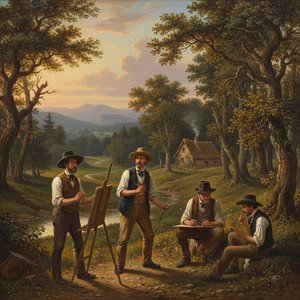
The Barbizon School: Pioneering Realism & the Pastoral Vision in 19th-Century French Painting
Explore the Barbizon School's pivotal role in 19th-century French painting. Discover how these artists revolutionized landscape art with their commitment to Realism and a profound connection to nature. Learn about key figures like Rousseau, Millet & Corot.

Echoes of Rural Life: Art's Enduring Representations of the Countryside
Explore the rich history of rural life in art! Discover masterpieces from Millet to Mauve & beyond. Learn about Realism, Barbizon School & find inspiration for your home with OriginalUniqueArt.

Jean-François Millet: Realism, Rural Life & the Poetic Depiction of Labor
Explore the life & work of Jean-François Millet, a founder of Realism. Discover his poignant depictions of rural France, iconic paintings like 'The Angelus,' and lasting influence on art history. Learn more at OriginalUniqueArt.
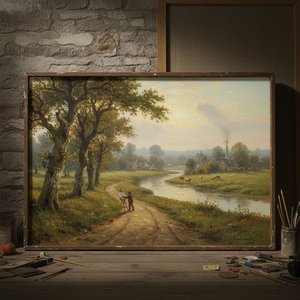
Charles-François Daubigny: Pioneering Atmospheric Light & Barbizon Realism
Explore the life & art of Charles-François Daubigny, a pivotal Barbizon School painter. Discover his innovative landscapes, mastery of light, and influence on Impressionism. High-quality reproductions available.

