ნახვა ინტერьерში
 გაგზავნა
 გაზიარება
 დეტალები
 გზამკვლევი

 ჩამოტვირთვა
 მსგავსები
 რენტგენოგრაფიული კვლევა
 სლაიდშოუ
 სტატისტიკა
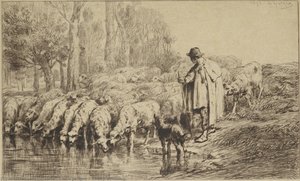
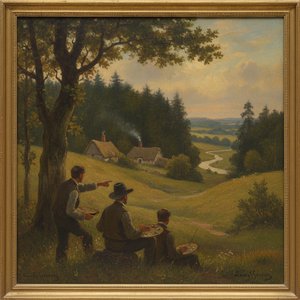
The Sheepfold
 Barbizon School
 1857
1857 46.0 x 92.0 cm
 სრული ტექსტის ნახვა
ხელით შესრულებული ზეთის საღებავით რეპროდუქცია
ტილოზე შესრულებული ფერწერიანი ზეთប្រდათი, თქვენთვის სასურველი ზომისა და ჩარჩოსთვის, ჩვენი ხელოვანების მიერ შეკვეთის საფუძველზე დამზადებული. ( გადართვა ბეჭდვის რეჟიმზე გადასვლა ციფრულ გამოსახულებაზე)




































აირჩიეთ ჩვენს მიერ წინასწარ განსაზღვრული ზომებიდან, რომლებიც ნაწარმოების ორიგინალურ პროპორციებს შეესაბამება.

შეიყვანეთ თქვენთვის საჭირო სიგანე და სიმაღლე, რათა ნახატი მოერგოს თქვენს ჩარჩოს ან კედელს. ვინაიდან ეს ნამუშევარი ხელით არის შესრულებული, სხვა ფორმის ზომის შემთხვევაში, მხატვარმა შესაძლოა სურათის გარშემო ოდნავ მეტი დატოვოს ან შეამციროს — არჩევანი თქვენზეა. დაწყებამდე, დასამტკიცებლად, ჩვენ გამოგიგზავნით ციფრულ მაკეტს. ამ გვერდზე ნაჩვენები სურათი არ ასახავს რეალურ შედეგს — რეალური სახე მხოლოდ მაკეტზე ჩანს.
შეკვეთის შემდეგ, OriginalUniqueArt.com გუნდი დაგიკავშირდებათ ელექტრონული ფოსტით ინსტრუქციებისთვის და გამოგიგზავნით წინასწარ ნახაზს (mockup).
მიწოდება მსოფლიო მასშტაბით -ში 3/4 კვირაში, სტანდარტული 5 კვირის ნაცვლად. (24 ოქტომბერი). ხარისხზე კომპრომისის გაკეთება არ მოხდება.

უფასო ექსპრეს მიწოდება მთელ მსოფლიოში

მაღალი ხარისხის ტილო

ტრანსპორტირების სრული დაზღვევა

საბაჟო გადასახადების დაბრუნების გარანტია

ფერების სრული შესაბამისობის გარანტია

დაბრუნების 100-დღიანი პერიოდი (მხოლოდ წარმოების დეფექტის შემთხვევაში)

100% თანხის სრული დაბრუნების გარანტია

ფასდაკლება დიდი რაოდენობით შეკვეთისას
 მინის ჩარჩოს არჩევანი ხელმისაწვდომია მხოლოდ 110 სმ-მდე ზომისთვის

The Sheepfold
რეპროდუქციის ტექნიკა
რეპროდუქციის ზომა
-


ჯამური ღირებულება
₾ 782
კითხვები და პასუხები
შარლ-ემილ ჟაკი-ის „The Sheepfold“-ის ფერები გაჯერებული თუ მკრთალია?
შარლ-ემილ ჟაკი-ის „The Sheepfold“-ის ფერების გაჯერებულობა არის Subtle Color.
რა არის შარლ-ემილ ჟაკი-ის „The Sheepfold“-ის ფეროვანი იდენტობა?
შარლ-ემილ ჟაკი-ის „The Sheepfold“-ის ფეროვანი იდენტობა: Earthy პალიტრა, რომელსაც დომინირებს Espresso (#583b1c).
როგორ უკავშირდება ერთმანეთს „The Sheepfold“-ის ფერები?
„The Sheepfold“-ის ფერების ჰარმონია აღწერილია როგორც Unified Palette.
მხატვრის ბიოგრაფია
საფრანგული სოფლის სულით გაჟღენთილი ცხოვრება
შარლ-ემილ ჟაკი, რომელიც 1813 წელს პარიზში დაიბადა, არავის მოელოდა, რომ ტრადიციულ სახელგანმტWRდაგებულად განვითარდებოდა. მისი ადრეული ცხოვრება მოულოდნელი შემობრუნებით დაიწყო, როდესაც შვიდი წელი საფრანგეთის არმიაში იმსახურებდა. თუმცა, სამხედრო ცხოვრების მკაცრი სტრუქტურის მიღმა, მისმა თანდაყოლილმა ნიჭმა თავისი გამოხატვა იპოვა – თავდაპირველად არა ფერწერით, არამედ რუკების გრავიურის ხელოვნების მეშვეობით. ეს ფუნდამენტური მომზადება, რომელიც სიზუსტესა და დაკვირადობას მოითხოვდა, მოგვიანებით მის შემოქმედებაში გადამწყვეტი აღმოჩნდა; სწორედ ამან დაუწესდა მის ნამუშევრებს დეტალებისადმი განსაკუთრებული ერთგულება, რაც მისი ხელოვნების მთავარი ნიშანი გახდა. ეს წარმოუდგენელი დასაწყისი იყო მხატვრისთვის, რომელიც მოგვიანებით საფრანგეთის სოფლის იდილიური სილამაზის სიმბოლოდ იქცა, თუმცა ეს მის ადაპტაციის უნარსა და შინაგანი არტისტულ ნიჭზე მეტყველებს. არმიიდან გამოსვლის შემდეგ, მან მცირე ხნით ილუსტრაციასა და ქარიკატურაზე იმუშავა პარიზულ ჟურნალებში, სანამ საბოლოოდ ეჩოტის ხელოვნებაში და ფერწერაში საკუთარ ჭეშმარიტ მოწოდებას იპოვიდა.ბარბიზონის სკოლა და პასტორალური ხედვა
მე-19 საუკუნის შუა წლებში ჟაკი ბარბიზონისკენ მიიპყრო ყურადღება – ეს იყო პატარა სოფელი, რომელიც რევოლუციური სახელოვნებო მოძრაობის ეპიცენტრად იქცა. პარიზში გავრცელებული ქოლერის ეპიდემიისგან თავის არიდებისას, იგი ჟან-ფრანსუა მილესა და სხვა თანამოაზრე ხელოვანებთან ერთად ბუნებაში შთაგონების ძიებას დაიწყო. ეს იყო გადამწყვეტი გარდატეხა აკადემიური ტრატდიციებიდან მოწყვეტისა და ცხოვრების უფრო გულწრფელი, რეალისტური ასახვისკენ სვლა. ჟაკი მთლიანად მიიღო ეს ახალი მიდგომა და ეძღვნა სოფლის ყოფიერების არსის დაჭერას: მწყემსების მშვიდ და ღირსეულ ყოფნას, ფერმერული შრომის რბილ რიტმს და მზისგან განათებულ მინდვრებში ტრიალებადი პირუტმლის მარტივ სილამაზეს. მისი ტილოები მხოლოდ სცენების აღწერა არ იყო; ისინი სავსე იყვნენ სიმშვიდითა და ჰარმონიით, რაც ბუნებისადმი ღრმა მოკიდებულებას ასახავდა. იგი არ *ხატავდა* მხოლოდ ცხვრებს ან ბეღლებს; იგი გადმოსცემდა განწყობას, ატმოსფეროს — პასტორალური ცხოვრებისადმი პატივისცემას, რაც მაყურებელში ღრმა რეზონანსს იწვევდა.მედიუმთა ოსტატი: ფერწერა და გრავიურა
ჟაკის სახელოვნებო ძალაუფლება ფერწერით არ შემოიფარგლებოდა. იგი ცნობილ გახდა ეჩოტის და გრავიურის ოსტატად, რომელმაც აღადგინა მე-1ლი საუკუნის ტექნიკა და გააფართოვა ბეჭდური ხელოვნების საზღვრები. მისი ეჩოტები გამოირჩეოდა სიმამაცითა და გამართული შინაარსით, რის გამოც ის ისეთი კრიტიკოსების ქებას იმსახებდა, როგორებიც ჩარლზ ბოდლერი იყვნენ. ჰენრი ბერალდიმ ჟაკის გრაფიკულ შემოქმედებაში ორი განსხვავებული პერიოდი გამოყო: ადრეული ფაზა, რომელიც ჰოლანდიური ვიგნეტებით იყო შთაგონებული და სპონტანურობით ხასიათდებოდა, და გვიანი პერიოდი, რომელიც უფრო მასშტაბური და დეტალური ფირმანებით იყო აღსავსე, რაც უზადო ოსტატობას მოწმობდა. ამ ორმაგმა ოსტატობამ — როგორც ფუნჯისა და გრავიურის ხელსაწყოს — საშუალება მისცა მას უფრო ფართო აუდიტორიისთვის მიეკუთვნებოდა და დაედგინა მისი რეპუტაცია, როგორც ხელოვნების სამყაროს მნიშვნელოვანი ფიგურისა. იგი ფერწერასა და გრავიურას არ აღიქვამდა ცალკეულ დისციპლინებად, არამედ თავისი მხატვრული ხედვის გამოხატვის ურთიერთდაკავშირებულ გზებად მიიჩნევდა. მისი ილუსტრაციები ლიტერატურული კლასიკისთვის, მათ შორის გოლსმითის „ვეკფილდის ვიკარი“ და ვორდსუორთის „პიკტურესკული საბერძნეთი“, კიდევ უფრო მეტად წარმოაჩენდა მის მრავალფეროვნებასა და ნიჭს.მემკვიდრეობა და მარადიული გავლენა
შარლ-ემილ ჟაკი 1894 წელს გარდაიცვალა, დატოვა მდიდარი სახელოვნებო მემკვიდრეობა, რომელიც დღესაც აღაფრთოვანებს მაყურებელს. მან გადამწყვეტი როლი ითამაშა საფრანგეთში რეალიზმის განვითარებაში, რამაც გზა გაუხსნა მომავალ თაობებს, რომელთაც ცხოვრების პატიოსნებითა და სენსიტიურობით ასახვა სურდათ. სოფლის ცხოვრებისადმი მისი ერთგულებამ ჟანრული ფერწერა — ყოველდღიური ცხოვრების სცენები — ხელოვნების ლანდშაფტში წამყვან პოზიციაზე აყვანილი.
შარლ-ემილ ჟაკი
1813 - 1894 , საფრანგეთი
მოკლე ფაქტები
- Artistic Movement Or Style: ბარბიზონის სკოლა
- Artists Or Movements Influenced By This Artist: ['რეალიზმი']
- Artists Who Influenced This Artist: ['ადრიან ვან ოსტადე']
- Date Of Birth: 1813
- Date Of Death: 1894
- Full Name: შარლ-ემილ ჟაკი
- Nationality: ფრანგი
- Notable Artworks:
- პატარა ლურჯი ბიჭუნა
- ხეცა
- სpherdess (სpherdess)
- Place Of Birth: პარიზი, საფრანგეთი
მსგავსი სტატიები
The Barbizon School: A Professional Guide to Naturalism and Landscape Mastery for Interior Designers
Explore the Barbizon School's mastery of naturalism. An expert guide for hotel designers and procurement managers on sourcing high-quality landscape reproductions to elevate hospitality and corporate interiors with authentic, large-scale fine art solutions.
The Barbizon School: Pioneering Realism & the Pastoral Vision in 19th-Century French Painting
Explore the Barbizon School's pivotal role in 19th-century French painting. Discover how these artists revolutionized landscape art with their commitment to Realism and a profound connection to nature. Learn about key figures like Rousseau, Millet & Corot.

The Hague School: Realism, Atmosphere & the Dawn of Dutch Impressionism
Explore the Hague School's pivotal role in Dutch art history. Discover realism, atmospheric landscapes & its influence on Impressionism. Learn about key artists like Mauve & Maris with OriginalUniqueArt.
Charles-François Daubigny: Pioneering Atmospheric Light & Barbizon Realism
Explore the life & art of Charles-François Daubigny, a pivotal Barbizon School painter. Discover his innovative landscapes, mastery of light, and influence on Impressionism. High-quality reproductions available.
The Barbizon School: The Soulful Origins of Impressionism's Natural Light and Atmospheric Mastery
Discover the profound influence of the Barbizon School on Impressionism. Explore how these masters captured natural light and atmospheric beauty through plein air painting, paving the way for Monet and Renoir. A journey into the soulful origins of landscape art history.