

 ნახვა ინტერьерში
 გაგზავნა
 გაზიარება
 დეტალები
 გზამკვლევი

 ჩამოტვირთვა
 მსგავსები
 რენტგენოგრაფიული კვლევა
 სლაიდშოუ
 სტატისტიკა
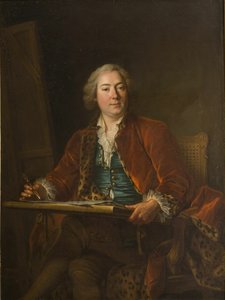
Self-Portrait
 Oil On Canvas
- WallArt
- Rococo
 1762
1762 88.0 x 72.0 cm
 Hermitage Museum
 სრული ტექსტის ნახვა
ხელით შესრულებული ზეთის საღებავით რეპროდუქცია
ტილოზე შესრულებული ფერწერიანი ზეთប្រდათი, თქვენთვის სასურველი ზომისა და ჩარჩოსთვის, ჩვენი ხელოვანების მიერ შეკვეთის საფუძველზე დამზადებული. ( გადართვა ბეჭდვის რეჟიმზე გადასვლა ციფრულ გამოსახულებაზე)




P118B ₾10

P118H ₾10

P118W ₾10

P438Z ₾10

P508JH ₾12

P508YH ₾12

P805H ₾10

P805Z ₾10

P919BZ ₾10

P919G ₾10

P919XJ ₾10

P959ZH ₾10

P968JZ ₾12

W106C ₾8

W218G ₾10

W218JH ₾8

W218Y ₾10

W307PJ ₾10

W316G ₾10

W316PJ ₾8

W316Y ₾10

W398PJ ₾8

W4111J ₾10

W500HY ₾15

W500JH ₾15

W692G ₾12

W849H ₾8

W940BG ₾15

W953PJ ₾8




აირჩიეთ ჩვენს მიერ წინასწარ განსაზღვრული ზომებიდან, რომლებიც ნაწარმოების ორიგინალურ პროპორციებს შეესაბამება.

შეიყვანეთ თქვენთვის საჭირო სიგანე და სიმაღლე, რათა ნახატი მოერგოს თქვენს ჩარჩოს ან კედელს. ვინაიდან ეს ნამუშევარი ხელით არის შესრულებული, სხვა ფორმის ზომის შემთხვევაში, მხატვარმა შესაძლოა სურათის გარშემო ოდნავ მეტი დატოვოს ან შეამციროს — არჩევანი თქვენზეა. დაწყებამდე, დასამტკიცებლად, ჩვენ გამოგიგზავნით ციფრულ მაკეტს. ამ გვერდზე ნაჩვენები სურათი არ ასახავს რეალურ შედეგს — რეალური სახე მხოლოდ მაკეტზე ჩანს.
შეკვეთის შემდეგ, OriginalUniqueArt.com გუნდი დაგიკავშირდებათ ელექტრონული ფოსტით ინსტრუქციებისთვის და გამოგიგზავნით წინასწარ ნახაზს (mockup).
მიწოდება მსოფლიო მასშტაბით -ში 3/4 კვირაში, სტანდარტული 5 კვირის ნაცვლად. (16 ოქტომბერი). ხარისხზე კომპრომისის გაკეთება არ მოხდება.

უფასო ექსპრეს მიწოდება მთელ მსოფლიოში

მაღალი ხარისხის ტილო

ტრანსპორტირების სრული დაზღვევა

საბაჟო გადასახადების დაბრუნების გარანტია

ფერების სრული შესაბამისობის გარანტია

დაბრუნების 100-დღიანი პერიოდი (მხოლოდ წარმოების დეფექტის შემთხვევაში)

100% თანხის სრული დაბრუნების გარანტია

ფასდაკლება დიდი რაოდენობით შეკვეთისას
 მინის ჩარჩოს არჩევანი ხელმისაწვდომია მხოლოდ 110 სმ-მდე ზომისთვის

Self-Portrait
რეპროდუქციის ტექნიკა
რეპროდუქციის ზომა
-


ჯამური ღირებულება
₾ 781
A Portrait of Inner Reflection: Charles-André van Loo’s “Self-Portrait”
The year 1762 witnessed a pivotal moment in the artistic landscape of France – the creation of Charles-André van Loo's "Self-Portrait." More than simply a likeness, this painting is a carefully constructed meditation on identity, status, and the burgeoning Rococo aesthetic. Van Loo, a key figure within his family’s esteemed dynasty of painters, presents himself not as a flamboyant courtier or a heroic warrior, but as a thoughtful observer, subtly imbued with an air of quiet contemplation. The portrait immediately draws the eye to the artist's direct gaze, a deliberate act of engagement that invites the viewer into a private moment.
Van Loo’s style is quintessential Rococo – characterized by its delicate brushwork, pastel hues, and an emphasis on elegant ornamentation. He employs a loose, almost impressionistic technique, favoring soft transitions between light and shadow to create a sense of atmospheric depth. The rich fabrics of his suit—a deep burgundy velvet accented with gold embroidery—speak volumes about his position within the French court, while the subtle details – the meticulously rendered lace collar, the gleaming sword on his side – reinforce this image of refined authority. Yet, it’s not merely a display of wealth; these elements are presented with an understated grace that suggests a considered awareness of their symbolic weight.
The Context of 18th-Century Portraiture
To fully appreciate “Self-Portrait,” one must understand the evolving context of portraiture during the mid-18th century. Following the grandeur of the Baroque period, artists began to shift towards a more intimate and psychologically nuanced approach. The rise of the middle class fueled demand for portraits, but royal patronage continued to shape artistic trends. Artists like Van Loo were tasked with capturing not just physical likenesses, but also conveying an individual’s character and social standing. Van Loo's self-portrait reflects this trend – it is a carefully crafted statement about his identity as both artist and member of the elite.
Interestingly, the portrait predates the widespread popularity of the self-portrait as a genre. While artists had occasionally depicted themselves in various roles throughout history, Van Loo’s work stands out for its directness and lack of theatricality. He avoids overtly dramatic poses or elaborate settings, opting instead for a simple, uncluttered composition that focuses entirely on his own image. This deliberate restraint speaks to the artist's confidence and self-awareness – he is not seeking to impress, but rather to present himself honestly.
Symbolism and Emotional Resonance
Beyond its technical merits, “Self-Portrait” is rich in symbolic detail. The sword, a traditional emblem of power and authority, suggests Van Loo’s role as a court painter – a position that demanded both artistic skill and political savvy. However, the sword is not brandished aggressively; it rests calmly on his hip, hinting at a measured approach to wielding influence. The background—a plain wall—further emphasizes the artist's focus on himself, creating an aura of introspection.
Perhaps most powerfully, the painting evokes a sense of quiet contemplation. Van Loo’s gaze is direct and unwavering, yet there is also a hint of melancholy in his expression. It’s as if he is reflecting on his own life, his work, and the complexities of his position within society. The subtle shading around his eyes and mouth contributes to this feeling of emotional depth, inviting the viewer to share in his private thoughts. The painting isn't merely a representation of a man; it’s an invitation into his inner world.
A Timeless Masterpiece: Reproduction Possibilities
Charles-André van Loo’s “Self-Portrait” remains a captivating work of art, offering a rare glimpse into the mind and soul of a prominent 18th-century artist. High-quality reproductions capture the delicate brushwork and nuanced color palette that define this masterpiece. Whether displayed in a formal salon or a contemporary living space, this portrait continues to resonate with viewers today, reminding us of the enduring power of self-reflection and artistic expression. OriginalUniqueArt offers meticulously crafted hand-painted reproductions, allowing you to bring this timeless work into your home.
კითხვები და პასუხები
სად შემიძლება შარლ-ანდრე ვან ლუო-ის „Self-Portrait“-ის პრინტის შეძენა?
შარლ-ანდრე ვან ლუო-ის „Self-Portrait“-ის პრინტის მისაღებად, უბრალოდ შეუკვეთეთ მისი ხელოვნების მაღალი ხარისხის ბეჭედი გვერდიდან: ხელოვნების მაღალი ხარისხის ბეჭდური ბამბის ტილოს ან საარქივო ტილოს ქაღალდის ბაზაზე.
რა პროპორციები აქვს შარლ-ანდრე ვან ლუო-ის „Self-Portrait“-ს და რა ზომის არის იგი?
შარლ-ანდრე ვან ლუო-ის „Self-Portrait“ არის Portrait კომპოზიცია, რომლის ორიგინალის ზომაა 88 x 72 cm.
შარლ-ანდრე ვან ლუო-ის შემოქმედების რომელ პერიოდს მიეკუთვნება „Self-Portrait“?
"Self-Portrait" წარმოადგენს შარლ-ანდრე ვან ლუო-ის შემოქმედებით პერიოდს: Mature Period.
მხატვრის ბიოგრაფია
ადრეული წლები და ტრენინგი
- დაბადება: 1705 წლის 15 თებერვალით, ნისში, საფრანგეთში
- ოჯახური ფონი: ლუის-აბრაჰამ ვან ლუ და ჟან-ბატისტ ვან ლუს ვაჟი და უმცროსი ძმა. ჰოლანდიელი მხატვრების წარმატებული დინასტიის წევრი.
- ადრეული განათლება: საწყისი ტრენინგი ტურინში, რასაც მოჰყვა სწავლა რომში (1712 წელს) ბენედეტო ლუტი და პიერ ლეგროსთან.
- პარიზის სწავლები: ესწრებირა როيال აკადემიაში, სადაც 1723 წელს მიიღო პირველი приз ხატვისთვის და 1727 წელს ისტორიული მხატვრობისთვის.
მხატვრული კარიერა და გამორჩეული ნამუშევრები
- სტილი: ძირითადად ცნობილია როგორც როკოკოს მხატვარი, რომელიც გამოირჩევა ელეგანტურობით, გრაციით და ორნამენტულ დეტალებით.
- თემატიკა: მრავალფეროვანი სპექტრი, რომელშიც შედის პორტრეტები, მითოლოგიური სცენები, ისტორიული ნახატები, ალეგორიები და ჟანრის სცენები.
- გამორჩეული ნამუშევრები:
- ვენერა და ამორი (კუნსთჰალეს ბრეMEN) - აჩვენებს როკოკოს სტილის დაუფებას.
- მეთhunters გაჩერება (იტალიის მეტროპოლიტენის მუზეუმი) – იჭერს არისტოკრატიულ აქტივობებს.
- მარის ლეშჩინსკას პორტრეტი, საფრანგეთის დედოფალი – გამორჩეული სამეფო პორტრეტი.
- იუპიტერი და ანტიოპე - წარმოაჩენს მითოლოგიურ თემებს.
- სელფ-პორტრეტი – აძლევს წარმომადგენლობით ხედვას მხატვრის თვითაღქმის შესახებ.
- ერეუსი და ანდრომედა (მრავალი ვერსია) – ასახავს კლასიკური მითოლოგიის გამოსახვის უნარს.
- მადმუაზელი კლარონი როგორც მედეა (პატარა ვერსია) - მომხიბლავი როკოკოს პორტრეტი 1760 წლიდან.
მფარველობა და სამეფო აღიარება
- სამეფო მფარველობა: ისარგებლა მადამ დე პომპადურისა და ფრანგული კორტის მფარველობით.
- კორტში დანიშვნა: 1762 წელს გახდა მე-პირველი მხატვარი მეფე ლუის XV-სთან, რაც პრესტიჟულ თანამდებობა იყო.
- წმიდა მიქაელის ორდენი: დაჯილდოვდა წმიდა მიქაელის ორდენით, რაც სამეფო სიყვარულს ნიშნავდა.
განავლენები და მემკვიდრეობა
- ოჯახური გავლენა: ძლიერ იყო დამოკიდებული თავის მამასა და ძმას, ორივე წარმატებულ მხატვრებს.
- რივალიზაცია: ეჯიბრებოდა ფრანსუა ბუშერთან, კიდევ ერთ მოწინავე როკოკოს მხატვართან.
- მודרნული ფრანგული სკოლა: მისი „სტილის სიმარტივე და დიზაინის სიზუსტე“ მნიშვნელოვნად იმოქმედა მოდერნულ ფრანგულ მხატვრულ სკოლაზე.
- კრიტიკული ბედი: მიუხედავად იმისა, რომ მისი კრიტიკული სტატუსი დროთა განმავლობაში იცვლებოდა, მისი უნარები და ნამუშევრების სიგანე პატივისცემას მოითხოვს.
მუზეუმების კოლექციები და შემდგომი გამოკვლევა
- მუზეუმებში წარმომადგენლობა: მისი ნამუშევრები გამოფენილია წამყვან მუზეუმებში, მათ შორის ლუვრში (ქალწულის ქორწინება), კუნსთჰალეს ბრეMEN-სა და მეტროპოლიტენის მუზეუმში.
- შემდგომი რესურსები:
- OriginalUniqueArt-ის გვერდი ჩარლ დრენ ვან ლუს შესახებ: https://www.OriginalUniqueArt.com/artists/charles-andre-van-loo/
- OriginalUniqueArt-ის საუკეთესო მხატვრები ყოველ დროზე გვერდი: https://www.OriginalUniqueArt.com/greatest-artists
- OriginalUniqueArt ვირტუალური მუზეუმი: https://www.OriginalUniqueArt.com/
- Wikipedia სტატია: https://en.wikipedia.org/wiki/Charles-Andr%C3%A9_van_Loo
შარლ-ანდრე ვან ლუო
1705 - 1765 , ფრანგეთი
მოკლე ფაქტები
- Artistic Movement Or Style: રોკოკოს მხატვრობა
- Artists Or Movements Influenced By This Artist: ['მודרნული ფრანგული სკოლა']
- Artists Who Influenced This Artist:
- Benedetto Luti
- Pierre Le Gros
- Date Of Birth: 1705 წლის 15 თებერვალი
- Date Of Death: 1765 წლის 15 ივლისი
- Full Name: Charles-André van Loo
- Nationality: ფრანგული
- Notable Artworks:
- ვენუსა და ამორი
- მეთhuntersის გაჩერება
- მარი ლეშჩინსკას პორტრეტი
- იუპიტერი და ანტიოპი
- სელფ-პორტრეტი
- პერსეუსი და ანდრომედა
- Place Of Birth: ნიცა, საფრანგეთი
მსგავსი სტატიები

როკოკოს ეტალონი: ტopp 10 შედევრი ხელოვნების ისტორიაში | OriginalUniqueArt
აღმოფრთოვანდით როკოკოს ეპოქის ტopp 10 შედევრით! გი tanıtავთ გამოჩენილ არტისტებს, მათი უნიკალური სტილსა და ფერწერულ ნაწარმოებებს. OriginalUniqueArt-ზე იხილეთ მუზეუმული ხარისხის ხელოვნების რესპუბლიკები და შექმნით თქვენი ოცნების ინტერიერი!

Early Netherlandish Masters: 10 Paintings That Revolutionized Art & Decor
Journey into the world of Early Netherlandish painting! Explore 10 masterpieces by Jan van Eyck, Rogier van der Weyden & more. Discover stunning detail, symbolism & Renaissance art for your home decor. Find museum-quality reproductions on OriginalUniqueArt.com

რემბრანდტის 25 შედევრი: ხელოვნების ისტორია თქვენს სახლში | OriginalUniqueArt
აღმოაჩინეთ რემბრანდტის 25 უნიკალური შედევრი! ოქროს ხანის ბაროკო ხელოვნება, ავტოპორტრეტები და ღამის თვალთუმაჩვილი – OriginalUniqueArt.com-ზე. შეიძინეთ მუზეუმის ხარისხის რეპროდუქციები სახლის დეკორისთვის. Explore the full collection online!

Charles-André van Loo: A Study in Rococo Portraiture & the French Court's Artistic Dynamics
Explore the elegant world of Charles-André van Loo, a master of Rococo portraiture at the French court. Discover his life, techniques, and enduring influence on 18th-century art. Hand-painted reproductions available.

The Rococo Aesthetic: Opulence, Rebellion & the Pursuit of Pleasure in 18th-Century Art
Explore the opulent world of Rococo art! Discover its origins, key artists like Watteau & Boucher, and lasting influence on design. Expert insights for collectors & enthusiasts.