

 ნახვა ინტერьерში
 გაგზავნა
 გაზიარება
 დეტალები
 გზამკვლევი

 ჩამოტვირთვა
 მსგავსები
 რენტგენოგრაფიული კვლევა
 სლაიდშოუ
 სტატისტიკა
Aeneas Carrying Anchises
 Oil On Canvas
- WallArt
- Rococo
 1729
1729 110.0 x 105.0 cm
 ლუვრის მუზეუმი
 სრული ტექსტის ნახვა
გიკლე / ხელოვნების პრინტი
მუზეუმის დონის ჟიკლე ან ტილოზე ბეჭდვა სწრაფი წარმოებისა და დასრულების მოქნილი ვარიანტებით. ( შეიძინეთ ხელით შესრულებული ნახატი გადასვლა ციფრულ გამოსახულებაზე)




P118B ₾10

P118H ₾10

P118W ₾10

P438Z ₾10

P508JH ₾12

P508YH ₾12

P805H ₾10

P805Z ₾10

P919BZ ₾10

P919G ₾10

P919XJ ₾10

P959ZH ₾10

P968JZ ₾12

W106C ₾8

W218G ₾10

W218JH ₾8

W218Y ₾10

W307PJ ₾10

W316G ₾10

W316PJ ₾8

W316Y ₾10

W398PJ ₾8

W4111J ₾10

W500HY ₾15

W500JH ₾15

W692G ₾12

W849H ₾8

W940BG ₾15

W953PJ ₾8




აირჩიეთ ჩვენს მიერ წინასწარ განსაზღვრული ზომებიდან, რომლებიც ნაწარმოების ორიგინალურ პროპორციებს შეესაბამება.

შეიყვანეთ თქვენთვის საჭირო სიგანე და სიმაღლე, რათა იგი მოერგოს თქვენს ჩარჩოს ან კედელს. ბეჭდვისას შესაძლებელია მხოლოდ მისი შემცირება და არა გაზრდა, ამიტომ სხვა ფორმის ზომის შემთხვევაში გამოსახულება ნაწილობრივ იკარგება. სანამ რაიმეს დაბეჭდავთ, ჩვენ გამოგიგზავნით ციფრულ მაკეტს დასდასტურებლად. ამ გვერდზე ნაჩვენები სურათი არ ასახავს რეალურ ჭრას — ამას მხოლოდ მაკეტი გვიჩვენებს.
მიწოდება მთელ მსოფლიოში () 2 კვირაში, სტანდარტული 4/5 კვირის ნაცვლად. (21 ოქტომბერი)

უფასო ექსპრეს მიწოდება მთელ მსოფლიოში

მაღალი ხარისხის ტილო

ტრანსპორტირების სრული დაზღვევა

საბაჟო გადასახადების დაბრუნების გარანტია

ფერების სრული შესაბამისობის გარანტია

დაბრუნების 100-დღიანი პერიოდი (მხოლოდ წარმოების დეფექტის შემთხვევაში)

100% თანხის სრული დაბრუნების გარანტია

ფასდაკლება დიდი რაოდენობით შეკვეთისას
 მინის ჩარჩოს არჩევანი ხელმისაწვდომია მხოლოდ 110 სმ-მდე ზომისთვის

Aeneas Carrying Anchises
გიკლე / ხელოვნების პრინტი
რეპროდუქციის ზომა
-


ჯამური ღირებულება
₾ 209
Aeneas Carrying Anchises: A Testament to Roman Heroism and Rococo Elegance
Charles-André van Loo’s “Aeneas Carrying Anchises,” painted in 1729, is more than just a depiction of a pivotal moment from Virgil's *Aeneid*; it’s a masterful distillation of the Rococo style, imbued with a profound sense of drama and classical gravitas. This artwork, now meticulously reproduced on hand-painted canvas by OriginalUniqueArt, offers a captivating glimpse into 18th-century French artistic sensibilities – a world where mythological narratives intertwined seamlessly with aristocratic life and an exquisite attention to detail reigned supreme.
The scene unfolds within a classically inspired architectural setting, reminiscent of the Temple of Venus or perhaps even the Parthenon, lending an air of timeless grandeur. Van Loo skillfully employs atmospheric perspective – the subtle blurring of details in the background – to draw the viewer’s eye towards the central figures: Aeneas, the Trojan hero, and his aged father, Anchises. The composition is carefully balanced, utilizing a pyramidal structure that reinforces the importance of these two patriarchs. Note the deliberate use of light; it illuminates Aeneas's determined face and the weight of responsibility he carries, while casting a softer glow upon Anchises, suggesting both vulnerability and profound wisdom.
The Rococo Palette: Color, Texture, and Ornamentation
As a leading figure in the Rococo movement, Van Loo’s signature style is immediately recognizable. The painting bursts with rich, layered colors – deep reds, blues, and golds dominate the palette, creating an opulent and luxurious atmosphere. The artist's meticulous brushwork reveals a remarkable attention to texture; from the folds of Aeneas’s cloak to the weathered skin of Anchises, every surface is rendered with incredible realism. Observe how he uses shimmering highlights to capture the light reflecting off polished marble columns and the fabric of their garments – a hallmark of Rococo technique.
The decorative elements are equally noteworthy. The architectural details, while rooted in classical forms, are embellished with intricate moldings, garlands, and subtle flourishes characteristic of the era. Van Loo’s mastery extends to portraying the human form; Aeneas and Anchises are depicted with a graceful elegance that reflects the ideals of beauty prevalent during the Rococo period. The inclusion of other figures in the background – soldiers, attendants, and perhaps even a veiled woman – adds depth and narrative complexity to the scene, hinting at the broader context of the Trojan War and its aftermath.
Symbolism and Narrative Resonance
Beyond its aesthetic beauty, “Aeneas Carrying Anchises” is rich in symbolic meaning. The act of Aeneas carrying his father represents not only filial devotion but also the burden of leadership and the transmission of legacy. Anchises, a descendant of Aeneas and the rightful heir to Troy, embodies the continuity of Roman civilization. The setting itself – a temple or monumental structure – elevates the scene to a realm of mythic importance, suggesting that Aeneas’s journey is not merely a personal quest but a destiny ordained by the gods.
Furthermore, the presence of the woman in the background has been interpreted as representing Fides (Faith) or perhaps even Venus herself, subtly reinforcing the themes of duty, honor, and divine guidance. The painting's overall mood is one of solemn determination tempered with a poignant sense of loss – a reminder of the sacrifices required to fulfill a noble purpose. OriginalUniqueArt’s faithful reproduction captures this nuanced emotional depth, allowing viewers to fully appreciate the artistry and storytelling embedded within Van Loo’s masterpiece.
Bringing “Aeneas Carrying Anchises” Home
Whether you're an art enthusiast, a collector seeking to enrich your collection, or simply someone looking for a stunning addition to your interior décor, OriginalUniqueArt’s hand-painted reproduction of “Aeneas Carrying Anchises” offers the perfect opportunity to own a piece of 18th-century artistic history. The meticulous detail and vibrant colors faithfully recreate Van Loo's original vision, while the canvas medium provides a timeless quality that will endure for generations to come. Explore our selection of sizes and framing options to find the ideal representation for your space – and experience the enduring power of this iconic artwork.
კითხვები და პასუხები
სად შემიძლება მსგავსი ნამუშევრების პოვნა, როგორიცაა შარლ-ანდრე ვან ლუო-ის „Aeneas Carrying Anchises“?
შარლ-ანდრე ვან ლუო-ის „Aeneas Carrying Anchises“-ის მსგავსი ნამუშევრები გვერდი წარმოგიდგენთ მსგავს ნამუშევრებს.
როგორ ერგება „Aeneas Carrying Anchises“ შარლ-ანდრე ვან ლუო-ის თემებსა და სტილს?
"Aeneas Carrying Anchises" წარმოადგენს შარლ-ანდრე ვან ლუო-ის Rococo პერიოდის ნამუშევარს, რომლის დაფიქსირებული თემები მოიცავს italian baroque influence, mythological, roman themes, courtly patronage, luxury, dynasty’s artistic legacy, classical narrative depiction-ს."
რა ემოციურ ტონს ახლავს „Aeneas Carrying Anchises“-ის Rococo სტილს?
"Aeneas Carrying Anchises" ატარებს Melancholic ემოციურ ტონს Rococo სტილის ფარგლებში.
მხატვრის ბიოგრაფია
ადრეული წლები და ტრენინგი
- დაბადება: 1705 წლის 15 თებერვალით, ნისში, საფრანგეთში
- ოჯახური ფონი: ლუის-აბრაჰამ ვან ლუ და ჟან-ბატისტ ვან ლუს ვაჟი და უმცროსი ძმა. ჰოლანდიელი მხატვრების წარმატებული დინასტიის წევრი.
- ადრეული განათლება: საწყისი ტრენინგი ტურინში, რასაც მოჰყვა სწავლა რომში (1712 წელს) ბენედეტო ლუტი და პიერ ლეგროსთან.
- პარიზის სწავლები: ესწრებირა როيال აკადემიაში, სადაც 1723 წელს მიიღო პირველი приз ხატვისთვის და 1727 წელს ისტორიული მხატვრობისთვის.
მხატვრული კარიერა და გამორჩეული ნამუშევრები
- სტილი: ძირითადად ცნობილია როგორც როკოკოს მხატვარი, რომელიც გამოირჩევა ელეგანტურობით, გრაციით და ორნამენტულ დეტალებით.
- თემატიკა: მრავალფეროვანი სპექტრი, რომელშიც შედის პორტრეტები, მითოლოგიური სცენები, ისტორიული ნახატები, ალეგორიები და ჟანრის სცენები.
- გამორჩეული ნამუშევრები:
- ვენერა და ამორი (კუნსთჰალეს ბრეMEN) - აჩვენებს როკოკოს სტილის დაუფებას.
- მეთhunters გაჩერება (იტალიის მეტროპოლიტენის მუზეუმი) – იჭერს არისტოკრატიულ აქტივობებს.
- მარის ლეშჩინსკას პორტრეტი, საფრანგეთის დედოფალი – გამორჩეული სამეფო პორტრეტი.
- იუპიტერი და ანტიოპე - წარმოაჩენს მითოლოგიურ თემებს.
- სელფ-პორტრეტი – აძლევს წარმომადგენლობით ხედვას მხატვრის თვითაღქმის შესახებ.
- ერეუსი და ანდრომედა (მრავალი ვერსია) – ასახავს კლასიკური მითოლოგიის გამოსახვის უნარს.
- მადმუაზელი კლარონი როგორც მედეა (პატარა ვერსია) - მომხიბლავი როკოკოს პორტრეტი 1760 წლიდან.
მფარველობა და სამეფო აღიარება
- სამეფო მფარველობა: ისარგებლა მადამ დე პომპადურისა და ფრანგული კორტის მფარველობით.
- კორტში დანიშვნა: 1762 წელს გახდა მე-პირველი მხატვარი მეფე ლუის XV-სთან, რაც პრესტიჟულ თანამდებობა იყო.
- წმიდა მიქაელის ორდენი: დაჯილდოვდა წმიდა მიქაელის ორდენით, რაც სამეფო სიყვარულს ნიშნავდა.
განავლენები და მემკვიდრეობა
- ოჯახური გავლენა: ძლიერ იყო დამოკიდებული თავის მამასა და ძმას, ორივე წარმატებულ მხატვრებს.
- რივალიზაცია: ეჯიბრებოდა ფრანსუა ბუშერთან, კიდევ ერთ მოწინავე როკოკოს მხატვართან.
- მודרნული ფრანგული სკოლა: მისი „სტილის სიმარტივე და დიზაინის სიზუსტე“ მნიშვნელოვნად იმოქმედა მოდერნულ ფრანგულ მხატვრულ სკოლაზე.
- კრიტიკული ბედი: მიუხედავად იმისა, რომ მისი კრიტიკული სტატუსი დროთა განმავლობაში იცვლებოდა, მისი უნარები და ნამუშევრების სიგანე პატივისცემას მოითხოვს.
მუზეუმების კოლექციები და შემდგომი გამოკვლევა
- მუზეუმებში წარმომადგენლობა: მისი ნამუშევრები გამოფენილია წამყვან მუზეუმებში, მათ შორის ლუვრში (ქალწულის ქორწინება), კუნსთჰალეს ბრეMEN-სა და მეტროპოლიტენის მუზეუმში.
- შემდგომი რესურსები:
- OriginalUniqueArt-ის გვერდი ჩარლ დრენ ვან ლუს შესახებ: https://www.OriginalUniqueArt.com/artists/charles-andre-van-loo/
- OriginalUniqueArt-ის საუკეთესო მხატვრები ყოველ დროზე გვერდი: https://www.OriginalUniqueArt.com/greatest-artists
- OriginalUniqueArt ვირტუალური მუზეუმი: https://www.OriginalUniqueArt.com/
- Wikipedia სტატია: https://en.wikipedia.org/wiki/Charles-Andr%C3%A9_van_Loo
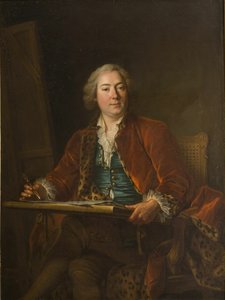
შარლ-ანდრე ვან ლუო
1705 - 1765 , ფრანგეთი
მოკლე ფაქტები
- Artistic Movement Or Style: રોკოკოს მხატვრობა
- Artists Or Movements Influenced By This Artist: ['მודרნული ფრანგული სკოლა']
- Artists Who Influenced This Artist:
- Benedetto Luti
- Pierre Le Gros
- Date Of Birth: 1705 წლის 15 თებერვალი
- Date Of Death: 1765 წლის 15 ივლისი
- Full Name: Charles-André van Loo
- Nationality: ფრანგული
- Notable Artworks:
- ვენუსა და ამორი
- მეთhuntersის გაჩერება
- მარი ლეშჩინსკას პორტრეტი
- იუპიტერი და ანტიოპი
- სელფ-პორტრეტი
- პერსეუსი და ანდრომედა
- Place Of Birth: ნიცა, საფრანგეთი
მსგავსი სტატიები

როკოკოს ეტალონი: ტopp 10 შედევრი ხელოვნების ისტორიაში | OriginalUniqueArt
აღმოფრთოვანდით როკოკოს ეპოქის ტopp 10 შედევრით! გი tanıtავთ გამოჩენილ არტისტებს, მათი უნიკალური სტილსა და ფერწერულ ნაწარმოებებს. OriginalUniqueArt-ზე იხილეთ მუზეუმული ხარისხის ხელოვნების რესპუბლიკები და შექმნით თქვენი ოცნების ინტერიერი!

Early Netherlandish Masters: 10 Paintings That Revolutionized Art & Decor
Journey into the Early Netherlandish Renaissance! Explore 10 iconic paintings by Jan van Eyck, Rogier van der Weyden & more. Discover stunning detail, symbolism, and oil painting techniques. Find museum-quality art reproductions for your home at OriginalUniqueArt.com.

Charles-André van Loo: A Study in Rococo Portraiture & the French Court's Artistic Dynamics
Explore the elegant world of Charles-André van Loo, a master of Rococo portraiture at the French court. Discover his life, techniques, and enduring influence on 18th-century art. Hand-painted reproductions available.

Early Netherlandish Masters: 10 Paintings That Revolutionized Art & Decor
Journey into the world of Early Netherlandish painting! Explore 10 masterpieces by Jan van Eyck, Rogier van der Weyden & more. Discover stunning detail, symbolism & Renaissance art for your home decor. Find museum-quality reproductions on OriginalUniqueArt.com

რემბრანდტის 25 შედევრი: ხელოვნების ისტორია თქვენს სახლში | OriginalUniqueArt
აღმოაჩინეთ რემბრანდტის 25 უნიკალური შედევრი! ოქროს ხანის ბაროკო ხელოვნება, ავტოპორტრეტები და ღამის თვალთუმაჩვილი – OriginalUniqueArt.com-ზე. შეიძინეთ მუზეუმის ხარისხის რეპროდუქციები სახლის დეკორისთვის. Explore the full collection online!