
 წინასწარი ნახვა
 გაგზავნა
 გაზიარება
 დეტალები
 გზამკვლევი

 ჩამოტვირთვა
 მსგავსები
 რენტგენოგრაფიული კვლევა
 სლაიდშოუ
 კითხვა-პასუხი
 სტატისტიკა
Little Girl in Blue


 გააგრძელეთ კითხვა
გიკლე / ხელოვნების პრინტი
მუზეუმის დონის ჟიკლე ან ტილოზე ბეჭდვა სწრაფი წარმოებისა და დასრულების მოქნილი ვარიანტებით. ( შეიძინეთ ხელით შესრულებული ნახატი გადართვა ციფრულ გამოსახულებაზე)




P118B ₾10

P118H ₾10

P118W ₾10

P438Z ₾10

P508JH ₾12

P508YH ₾12

P805H ₾10

P805Z ₾10

P919BZ ₾10

P919G ₾10

P919XJ ₾10

P959ZH ₾10

P968JZ ₾12

W106C ₾8

W218G ₾10

W218JH ₾8

W218Y ₾10

W307PJ ₾10

W316G ₾10

W316PJ ₾8

W316Y ₾10

W398PJ ₾8

W4111J ₾10

W500HY ₾15

W500JH ₾15

W692G ₾12

W849H ₾8

W940BG ₾15

W953PJ ₾8




აირჩიეთ ჩვენს მიერ წინასწარ განსაზღვრული ზომებიდან, რომლებიც ნაწარმოების ორიგინალურ პროპორციებს შეესაბამება.

შეიყვანეთ თქვენთვის საჭირო სიგანე და სიმაღლე, რათა გამოსახულებამ თქვენს ჩარჩოს ან კედელს ზუსტად მოერგოს. ბეჭდვისას შესაძლებელია მხოლოდ მისი შემცირება და არა გაზრდა, ამიტომ სხვა ფორმის ზომის შემთხვევაში სურათი ნაწილობრივ იკარგება. სანამ რაიმეს დაბეჭდავთ, ჩვენ გამოგიგზავნით ციფრულ მაკეტს დასდასტურებლად. ამ გვერდზე ნაჩვენები სურათი არ ასახავს რეალურ ჭრას — ამას მხოლოდ მაკეტი გვიჩვენებს.
მიწოდება მთელ მსოფლიოში () 2 კვირაში, სტანდარტული 4/5 კვირის ნაცვლად. (9 ნოემბერი)

უფასო ექსპრეს მიწოდება მთელ მსოფლიოში

მაღალი ხარისხის ტილოს ქსოვილი

ტრანსპორტირების სრული დაზღვევა

საბაჟო გადასახადების დაბრუნების გარანტია

ფერების სრული შესაბამისობის გარანტია

დაბრუნების 100-დღიანი პოლიტიკა (მხოლოდ დეფექტის შემთხვევაში)

100% თანხის სრული დაბრუნების გარანტია

ფასდაკლება დიდი რაოდენობით შეკვეთისას
 მინის ჩარჩოს არჩევანი შესაძლებელია მხოლოდ 110 სმ-მდე ზომისთვის

Little Girl in Blue
გიკლე / ხელოვნების პრინტი
რეპროდუქციის ზომა
-


საბოლოო ღირებულება
₾ 210
A Portrait of Quiet Intensity: Chaim Soutine’s “Little Girl in Blue”
Chaim Soutine's "Little Girl in Blue," painted circa 1934-1935, is not merely a portrait; it’s an immersion into the heart of emotional vulnerability. This arresting canvas, currently residing within the Kunstmuseum Bern, Switzerland, offers a profound glimpse into the artist’s signature style – a turbulent blend of Expressionism and a deeply personal vision of the human form. Soutine, a Russian-born painter who spent much of his career in Paris, was renowned for his intensely expressive depictions of figures, often imbued with a sense of melancholy and psychological depth. “Little Girl in Blue” exemplifies this approach, presenting a young girl not as a static subject but as a vessel brimming with unspoken emotions.
The painting immediately draws the viewer in with its dominant palette of muted blues and purples – colors that evoke both serenity and a subtle undercurrent of sadness. These cool tones are masterfully contrasted by flashes of warm orange, most notably within the girl’s gloves and highlighting her cheekbones, creating a dynamic interplay between light and shadow. Soutine's technique is characterized by thick, impasto brushstrokes, building up layers of paint to create a tactile surface that seems almost sculptural. This deliberate roughness isn’t simply decorative; it actively contributes to the painting’s emotional intensity, mirroring the turbulence within the subject’s gaze.
Deconstructing the Form: Composition and Distortion
The composition is strikingly direct – the girl occupies nearly the entire frame, her presence commanding attention. However, Soutine deliberately distorts the figure's proportions, elongating her body and subtly shifting her features. This distortion isn’t a flaw but an integral part of his artistic language; it serves to amplify the painting’s emotional impact, conveying a sense of unease and vulnerability. The background is intentionally blurred, dissolving into a wash of color that further isolates the subject and directs the viewer's focus entirely onto her face and expression.
Notice how Soutine avoids precise lines or sharp edges. Instead, he employs gestural brushstrokes – loose, expressive marks that follow the contours of the figure’s body. This technique creates a sense of movement and fluidity, as if the girl is caught in a moment of introspection or quiet contemplation. The flattened perspective further enhances this feeling, eliminating traditional depth cues and forcing the viewer to engage with the painting on a purely emotional level.
A Window into Soutine’s World: Biography and Context
Understanding Chaim Soutine requires acknowledging the profound impact of his early life. Born in Smilovichi, Russia, amidst poverty and restrictive religious practices, he developed an intense sensitivity to human emotion – a quality that would profoundly shape his artistic vision. His emigration to Paris in 1913 proved pivotal, immersing him within a vibrant artistic community while simultaneously allowing him to forge his own unique path. The painting’s creation during this period reflects the artist's ongoing struggle with personal demons and his exploration of themes related to isolation, vulnerability, and the complexities of human experience.
Interestingly, “Little Girl in Blue” was painted shortly after Soutine’s move back to India, where he spent a significant portion of his career. This shift is reflected in the painting's color palette – the muted blues and purples are juxtaposed with warmer tones reminiscent of the Indian landscape. The subject herself, Lalit Kaur Mann, embodies this transition, representing both the innocence of childhood and the burgeoning awareness of the world around her.
Symbolism and Emotional Resonance
Beyond its formal elements, “Little Girl in Blue” is rich with symbolic meaning. The girl’s averted gaze suggests a sense of introspection or perhaps even sadness – she seems lost in thought, disconnected from the viewer. Her simple blue dress symbolizes purity and innocence, while the orange accents hint at warmth and vitality struggling to emerge. The painting's overall mood is one of quiet melancholy, inviting viewers to contemplate themes of vulnerability, isolation, and the enduring power of human emotion.
Soutine’s “Little Girl in Blue” remains a powerfully evocative work of art – a testament to his unique artistic vision and his ability to capture the complexities of the human spirit. It is a painting that rewards repeated viewing, revealing new layers of meaning with each encounter. Whether you are an avid collector, an interior designer seeking a statement piece, or simply an admirer of fine art, this captivating portrait offers a profound and unforgettable experience.
კითხვები და პასუხები
რა ზომით და რა ორიენტაციით არის რეკომენდებული "Little Girl in Blue"-ის ბეჭდვა?
Medium ზომა, Tall ორიენტაცია: ეს არის შაიმ სუტინი-ის „Little Girl in Blue“-ისთვის რეკომენდებული ბეჭდვის პარამეტრი.
არის თუ არა შაიმ სუტინი-ის ნამუშევარი „Little Girl in Blue“ საჯარო საკუთრებაში და რატომ?
შაიმ სუტინი-ის ნამუშევარი „Little Girl in Blue“ არის საჯარო საკუთრებაშია — საავტორო უფლებები ამოწდა. საავტორო უფლებების ვადა ითვლება ხელოვანის გარდაცვალებიდან; შაიმ სუტინი კი 1943 წელს გარდაიცვალა.
ზოგადად, „Little Girl in Blue“ უფრო ნათელია თუ უფრო მუქი?
შაიმ სუტინი-ის „Little Girl in Blue“-ისთვის დაფიქსირებული მნიშვნელობებია: deep_shadow სიკაშკაშე და Dark განათება.
მხატვრის ბიოგრაფია
ჩაიმ სუტინის ცხოვრება: ტკივილით გაჟღენთილი სამყარო
ჩაიმ სუტინი დაიბადა 1893 წელს რუსეთის იმპერიაში, ვილნოს გუბერნიის (დღევანდელი ბელორუსია) სოფელ სმილოვიჩში, ღარიბი ებრაული ოჯახში. მისი ადრეული ცხოვრება სიძნელეებით იყო აღსავსე. ეს ფორმატიული გამოცდილება – გაჭირვარებული ბავშვობა და მართლმადიდებელი თემის მიერ დაწესებული შეზღუდვები – ღრმად ჩამოაყალიბა მის მხატვრულ ხედვას. მიუხედავდა იმისა, რომ რელიგიურ აღზრდის ფარგლებში ფიგურული გამოსახულება არ იყო წახალისებული, მაინც გაჩნდა ხატვის ნიჭი, რაც მისი მომავალი პასიური ინტენსივობის წინასწარი ჩრდილს ჰგავდა. 1910-1913 წლებში მან ფორმალური განათლება მიიღო ვილნოს სამხატვრო აკადემიაში, თუმცა გადაწყვეტილი მომენტი 1913 წელს პარიზში მისი ემიგრაცია იყო. ჩაიმ სუტინმა École des Beaux-Arts-ში ჩაირიცხა ფერნანდ კორმონის ხელმძღვანელობით და აღმოჩნდა მხატვრული თემის ცენტრში, მაგრამ მან უმეტესად თავისთავადი გზა აირჩია. პარიზში მისი პირველი წლები უკიდურესი სიღარიბით იყო ნიშნული, რაც მის ტილოებზე დამალულ ემოციურ არეულობას ასახავდა.ექსპრესიონისტი მხატვარი და მისი გავლენები
თუმცა ხშირად ილეგებენ ექსპრესიონისტად, მხოლოდ ამ ჩარჩოში ჩასმა სუტინის შემოქმედებას აზარაკებს. მისი სტილი უნიკალური იყო – ეს იყო ტრადიციული ევროპული живописи, განსაკუთრებით ჰოლანდიელი майსტრების, როგორიცაა რემბრანდტი და შარდენი, ასევე კურბეს რეალიზმის მომხდარი სინთეზი, რომელიც გაჟღენთილი იყო პირველი ემოციური ინტენსივობით. მან არ უბრალოდ იმიტირა ეს майსტრები; მან შეიწოვა მათი ტექნიკა და კომპოზიციური სტრატეგიები, შემდეგ კი ძალის ძალით გადაამუშავა ისინი საკუთარი შინაგანი სამყაროს ასახვისთვის. მისი სტილის მახასიათებელია მხიარული ფერები, რომლებიც ქლინგით – საღებავის ტექსტურული წასმა, რომელიც ზედაპირს ხორციელებელ physicality-ს აძლევს – იყენებს და არეული ფუნჯით. სუტინს არც ისე ზუსტი გამოსახულება ადარდებდა; მან თავისი საგნების ემოციური არსი უნდა გაეღვიძა, ხშირად მათში შფოთვის ან ფსიქოლოგიური დაძაბულობის შეტანა. ლანდშაფტები, პორტრეტები და ნატურმორტი მისი ძირითადი საშუალებები იყო ამ გამოკვლევისთვის, საკვებისა და ცხოველების განმეორებადი თემები ასახავდა მის პირად გამოცდილებასა და ებრაულ მემკვიდრეობას. ეს მხოლოდ გამოსახულება არ იყო; ეს იყო გრძნობების ვიზუალური გამოხატვა, რომელიც გატანჯული ენერგიით იყო შესრულებული.განვითარება და მნიშვნელოვანი ნამუშევრები
სუტინის მხატვრული განვითარება გარკვეულ პერიოდებად დაიყო, თითოეული უნიკალური სტილისტური გამოკვლევებით იყო აღსავსე. პარიზის პირველი წლებში (1913-1917) მან თავისი ხმა იპოვა ფინანსური გაჭირვარების მიუხედავად. 1919-1922 წლებში სერეტში გატარებულმა პერიოდმა გადამწყვეტი მნიშვნელობა შეიძინა. სწორედ აქ, სამხრეთ საფრანგეთის დრამატული ლანდშაფტებით გარემოცვლილმა, მან შექმნა მისი ყველაზე ცნობილი ნამუშევრები. ეს ნახატები ხასიათდება მკვრივი ფერებით, დამახინჯებული ფორმებითა და თითქოს ძალის ძალით წარმოშობილი ენერგიით. ხეები, სკივრები და მინდვრები საღებავის მო swirling მასებად გარდაიქმნენ, რაც არა მხოლოდ იმას ასახავს, რასაც სუტინი ხედავდა, არამედ როგორ გრძნობდა მათ. მისი პორტრეტებიც განსაკუთრებული ფსიქოლოგიური სიღრმეით გამოირჩევა. ის ხშირად წარმოადგენდა მუშათა კლასის ადამიანებს პირველი честностью-თი, რაც ტრადიციულ პორტრეტულობას ეწინააღმდეგებოდა და აჩვენებდა მის სუბიექტების ღირსებასა და vulnerability-ს. ასევე, მისი ნატურმორტი – საკვებისა და საგნების კომპოზიციები – სიცოცხლის გრძნობს გადასცემენ, მაგრამ ასევე შემაწუხებელი ენერგიით, თითქოს უძრავი საგნებიც კი სიცოცხლით არიან აღსავსე. მნიშვნელოვანი ნამუშევრებს ამ პერიოდიდან შორისაა “სიცოცხლის ცეკვასთან” დაკავშირებული ეტუდები, ასევე მრავალი ლანდშაფტი, რომელიც სერეტის არსს ასახავს და პარიზში რუსი ემიგრანტების მწუხარებელი პორტრეტები.აღიარება, მემკვიდრეობა და უკვედავი გავლენა
სუტინი იყო პარიზის სკოლის მთავარი ფიგურა – მრავალფეროვანი ჯგუფი, რომელიც XX საუკუნის დასაწყისში ქალაქში მუშაობდა. თუმცა მისი აღიარების გზა არ იყო მარტივი. ხელოვნების დილერმა ლეოპოლდ ზბოროვსკიმ მნიშვნელოვანი როლი ითამაშა სუტინის ნამუშევრების პოპულარიზაციაში და მისი ფინანსური სტაბილურობის უზრუნველყოფაში, აღიარებით მის უნიკალური ხედვის ძალა. პირველი კრიტიკული რეაქცია გაურკვეველი იყო, მაგრამ მისი რეპუტაცია თანდათან იზრდებოდა. მისი ექსპრესიული საღებავის გამოყენება და ემოციური ინტენსივობა ღრმად გავლენა მოახდინა შემდგომ მხატვრებზე, მათ შორის ვილემ დე კუნინგზე და ფრენსის ბეკონზე, რომლებმაც სუტინში kindred spirit-ი იხილეს – მხატვარი, რომელიც წარმომადგენლობის საზღვრებს აფარებდა ავთენტური გამოხატვის მისაღწევად. დღეს ჩაიმ სუტინი სამართლიანად არის აღიარებული ექსპრესიონიზმის მთავარ ფიგურად და XX საუკუნის ხელოვნების მნიშვნელოვან წვლილმემკვიდრედ. მისი ნამუშევრები პატივმოყვარე მუზეუმებში ინახება მთელ მსოფლიოში, რაც მის უკვედავი მემკვიდრეობის მოწმობაა. ის გადამწყვეტ ხიდს წარმოადგენს ტრადიციული ევროპული живописи-ის ტექნიკასა და Abstract Expressionism-ის ახალი ფორმებს შორის, უპირატესობას ანიჭებს ემოციურ გამოხატვას ობიექტური წარმომადგენლობის მიმართ და ავითარებს მხატვრულ ხმას,
შაიმ სუტინი
1894 - 1943 , რუსეთი
მოკლე ინფორმაცია
- Artistic Movement Or Style: ექსპრესიონიზმი
- Artists Or Movements Influenced By This Artist:
- ვილემ დე კუნინგი
- ფრენსის ბეკონი
- აბსტრაქტული ექსპრესიონიზმი
- Artists Who Influenced This Artist:
- რემბრანდტი
- შარდენი
- კურბე
- Date Of Birth: 13 იანვარი, 1893
- Date Of Death: 1943
- Full Name: ხაიმ სუტინი
- Nationality: ფრანგი
- Notable Artworks (List Of Titles):
- Suburban Landscape...
- Untitled (2161)
- Study for the Dance...
- Place Of Birth (City And Country): სმილოვიჩი, რუსეთი
დაკავშირებული სტატიები

Liquid Vibes: Bold Water Landscapes & Deep Blue Textures to Level Up Your Space
Elevate your space with bold water landscapes and deep blue textures. Discover trending abstract art, from sculptural textiles to premium oil reproductions, designed to bring high-impact, liquid vibes to modern urban interiors.
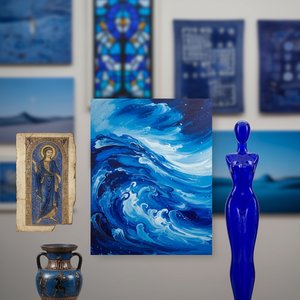
The Allure of Azure: Exploring the Symbolic & Aesthetic Depths of Blue in Art History
Explore the rich history of blue in art! Discover its symbolism, from ancient pigments to modern masterpieces by Kandinsky & Seurat. Uncover the psychological impact and cultural meanings behind this captivating hue.

Serene Blue Backgrounds: Discover Soulful Art to Transform Your Space with Timeless Elegance
Transform your home with soulful blue art. From serene Monet impressions to modern textured sculptures, discover curated masterpieces designed to inspire calm. Explore expert art consultations and bespoke hand-painted reproductions to create your personal sanctuary.

German Expressionism's 10 Defining Masterpieces | Art for Your Home
Explore 10 defining German Expressionism masterpieces – from Munch's 'The Scream' to Kandinsky’s abstracts. Discover the artists, stories & bold colors behind this powerful art movement. Find museum-quality reproductions at OriginalUniqueArt.com.

Slate Blue Masterpieces: 10 Iconic Paintings & Timeless Home Decor Ideas
Immerse yourself in the captivating world of slate blue! Explore 10 iconic paintings by Monet, Van Gogh & Renoir. Discover their stories, techniques & find museum-quality art reproductions for your home at .